How to Become a Licensed Safari Driver-Guide in Uganda
Every traveller who has done a Uganda safari remembers one person above all: the driver-guide. They spot the leopard in the fig tree, read the mood of an elephant before the vehicle gets too close, and know which murram road turns to soup after rain. It is one of the most respected jobs in Ugandan tourism, and one of the few where skill, character and knowledge matter more than a fancy degree.
If you already drive for a living and wonder how to move into safari work, or you are starting out and want a clear route, this guide explains each step: the right driving licence, training, guide licensing, first aid, wildlife knowledge, what you can expect to earn and what companies look for.
Driver vs Driver-Guide: Know the Difference
A driver gets people safely from A to B. A driver-guide also interprets the country: wildlife behaviour, birds, landscapes, culture and history. Licensed guides are trained in wildlife, park ecology and safety, which is why clients ask for them and why they earn more than a standard driver.
Some people start as drivers and grow into guiding. Others train as guides first and add driving. Both routes work. What matters is that you end up with both skill sets.
Step 1: Get the Right Driving Permit
You cannot guide on the road without a valid Ugandan driving permit of the correct class.
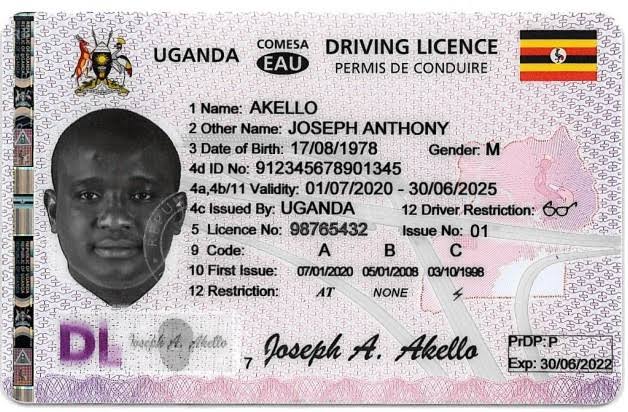
- Class B covers motor cars and dual-purpose vehicles such as a RAV4 or Land Cruiser.
- Class DL covers minivans carrying up to 14 passengers, including safari vans.
Most safari work needs at least Class B, and many companies want a DL as well so you can handle larger groups. Our guide to Uganda driver’s permit classes explains how to extend or upgrade a class.
Also ask any employer what is required to carry paying passengers, since requirements for commercial passenger work can differ from private driving.
Tip: train at a recognised driving school. Many professional drivers add defensive driving and basic vehicle mechanics. Knowing how to fix a puncture, check fluids and diagnose a problem could save your clients’ trip on a remote road.
Step 2: Complete a Recognised Guide Training Course
Uganda’s tourism standards expect guides to be professionally trained and certified by recognized tourism training institutions, with both theory and practical skills. Common routes include:
#image_title
- Uganda Hotel and Tourism Training Institute (UHTTI), Jinja. It offers a one-year Certificate in Tour Guiding and Driving, which fits the driver-guide career path well. UHTTI works with partners such as the Uganda Wildlife Authority, the Uganda Safari Guides Association and the Uganda Wildlife Research Training Institute.
- Uganda Safari Guides Association (USAGA) courses. USAGA runs training and wildlife guiding and interpretation courses and is well respected by operators.
- Specialist training. Birding courses (for example through NatureUganda or bird guide clubs), cultural guiding and community-tourism training can set you apart.
Choose a programme that includes practical field time, not just classroom lessons. Operators can tell the difference.
Step 3: Register and Get Licensed with the Uganda Tourism Board
Under the Uganda Tourism Act, a person may not work as a tour guide without a valid licence from the Uganda Tourism Board (UTB). Its guidelines for tour guide services also require guides to be registered and professionally trained.

The UTB tour guide registration form asks for items such as:
- Your personal details and a recent passport photo
- Highest academic qualification, with copies
- Area of specialisation (wildlife, culture, birding, driving and so on), with the certificate
- Current employer details or a letter confirming your location of service
- Proof of membership in a private-sector association, if you belong to one
Specific requirements, fees and renewal rules are set by UTB and change from time to time, so check the current process directly with the Board (utb.go.ug) before applying. Licences are issued for a set period and need renewing, so keep your paperwork in order.
Step 4: Get First Aid Training
Safari work often takes you hours away from the nearest hospital. First aid is not optional.
Take a recognised first aid course from a provider such as the Uganda Red Cross Society or another accredited trainer, and refresh it regularly. Make sure you can handle:
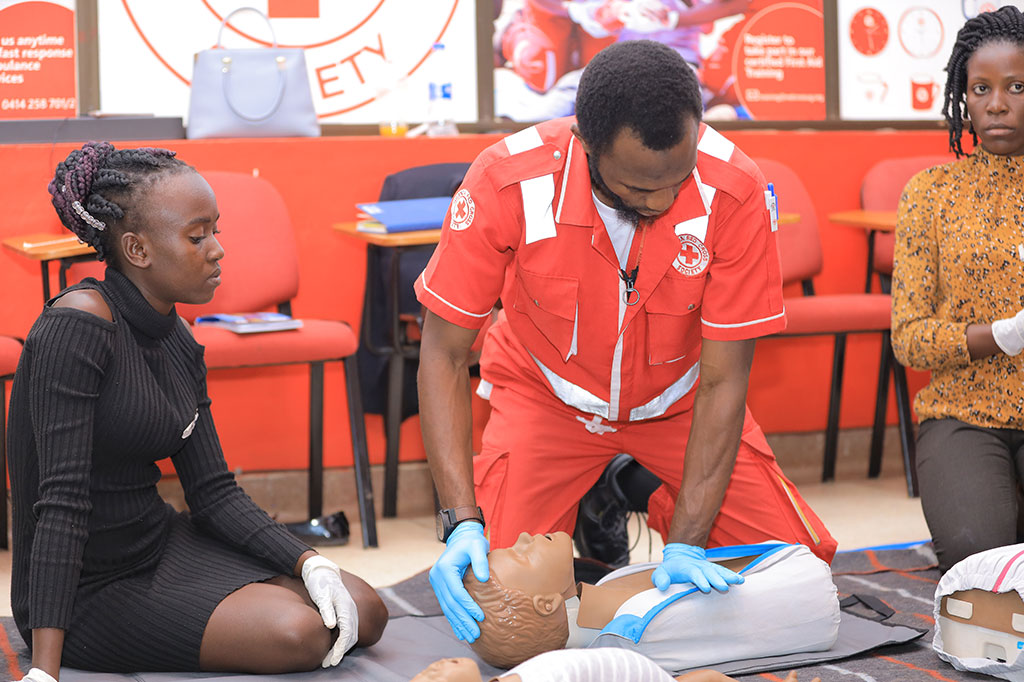
- Bleeding, burns, fractures and shock
- Heat exhaustion and dehydration
- Allergic reactions and insect or snake bites
- Road accident scenes, and when and how to call for rescue
A good driver-guide also keeps a well-stocked first aid kit in the vehicle and knows the nearest clinics along each route. Guests, especially older travellers, take real comfort from a calm guide who knows what to do.
Step 5: Build Your Wildlife and Destination Knowledge
Certificates get you through the door. Knowledge keeps clients booking you. Spend time learning:
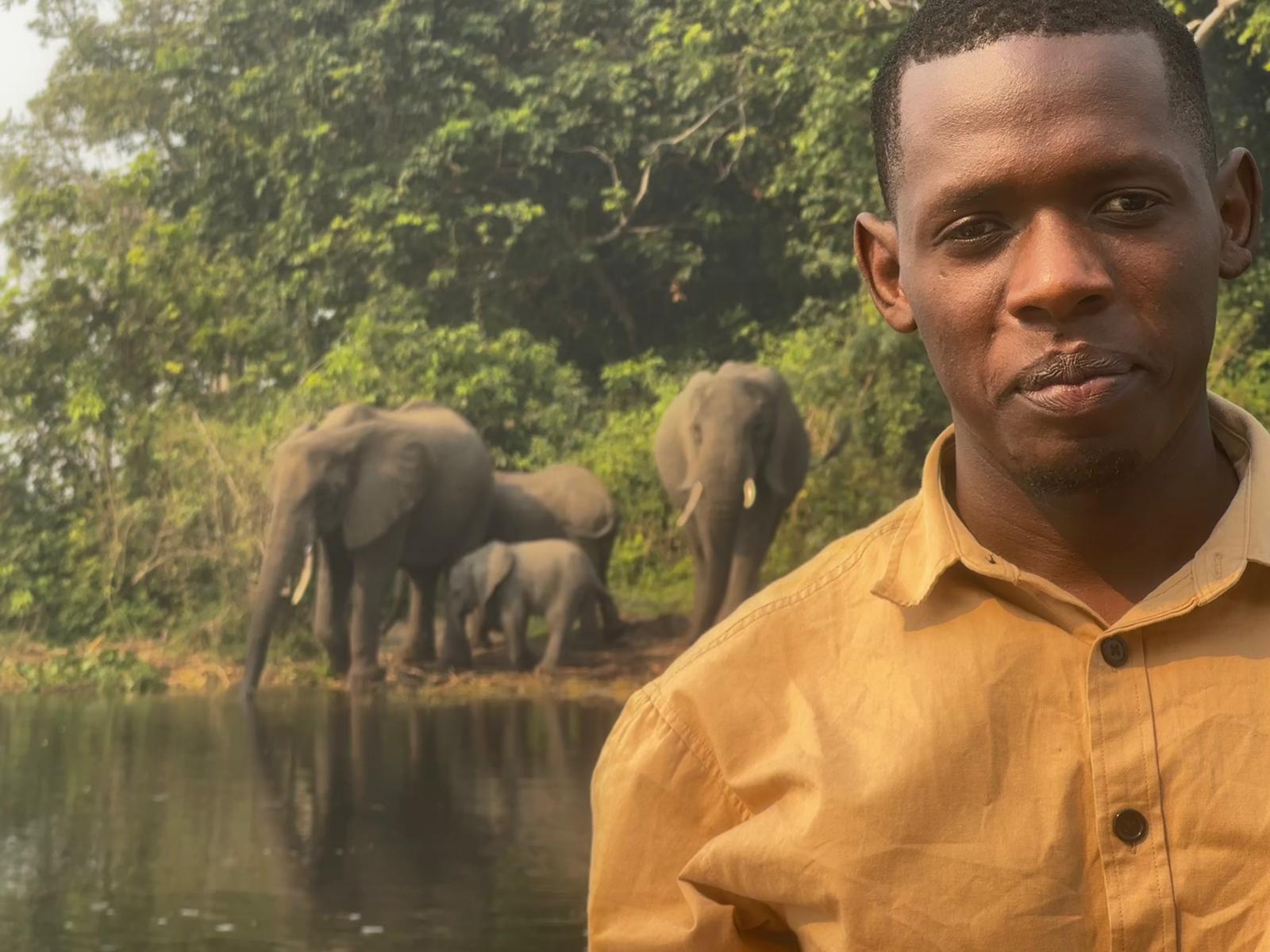
- Animal behaviour. Know when an elephant’s posture means “back away now”, how to spot a leopard resting in a tree, and where lions climb in Ishasha.
- Birds. Uganda has over 1,000 recorded species. Even basic calls and key species such as the shoebill, African green broadbill and turacos impress clients.
- Park rules. Learn Uganda Wildlife Authority rules on speed, staying on tracks, keeping distance from animals and park fees.
- Routes and roads. Learn which roads flood, which fuel stations are reliable and how long journeys really take.
- Culture and history. Be ready to talk about Uganda’s kingdoms, languages, food and customs.
- Languages. English is essential. Swahili, Luganda, Runyankole, Rutooro or Rukiga help. French, German, Spanish or Chinese can open higher-value clients. See why this matters in our post on French, German or Spanish-speaking driver-guides.
A practical way to learn is to ride along with experienced guides, join park familiarisation trips and keep a notebook of every sighting and lesson.
What Can a Driver-Guide Earn?
Earnings vary with experience, the company, the season and whether you are salaried or paid per trip. Use the figures below as general market guidance, not a promise:
- Daily allowance. On a safari, a driver’s daily allowance is commonly around UGX 50,000 to 80,000, paid by the client or covered in the package.
- City driving. Professional driver fees in Kampala typically run around $20 to $40 per day.
- Driver-guide premium. A trained driver-guide often earns roughly 20% to 30% more than a standard driver, and multilingual or birding specialists can earn more.
- Tips. Many guests tip at the end of a safari. See our tipping guide for drivers in Uganda for typical amounts.
Peak seasons (June to September and December to February) bring more work. Guides with strong reviews, good languages and specialist skills tend to get booked first and return to the same clients year after year.
What Safari Companies Look For
Ask operators what they want and the answers are very consistent:
- A clean, valid driving record and the right permit class.
- Safe, defensive driving. Smooth, calm and patient, especially on rough roads and with older guests.
- Proper guide training and a UTB licence.
- First aid and basic mechanical skills.
- Real park knowledge. Not generic Uganda facts, but specific knowledge of the parks on the itinerary.
- Good communication and languages.
- Honesty and discipline. Staying sober on duty, respecting guests’ belongings and handling money and bookings with integrity.
- Warmth and flexibility. The best reviews mention a guide who felt like family.
We write more about this from the client side in What Makes a Good Uganda Safari Driver-Guide?
A Simple Roadway to Follow
- Get or upgrade your driving permit (Class B, and DL if possible).
- Take a recognised tour guiding course, such as at UHTTI or through USAGA.
- Complete first aid training and refresh it regularly.
- Register and get licensed with the Uganda Tourism Board.
- Build wildlife, birding, route and language skills with experienced guides.
- Apply to a reputable company and treat every trip as a reference for the next.
Ready to Join Our Team?
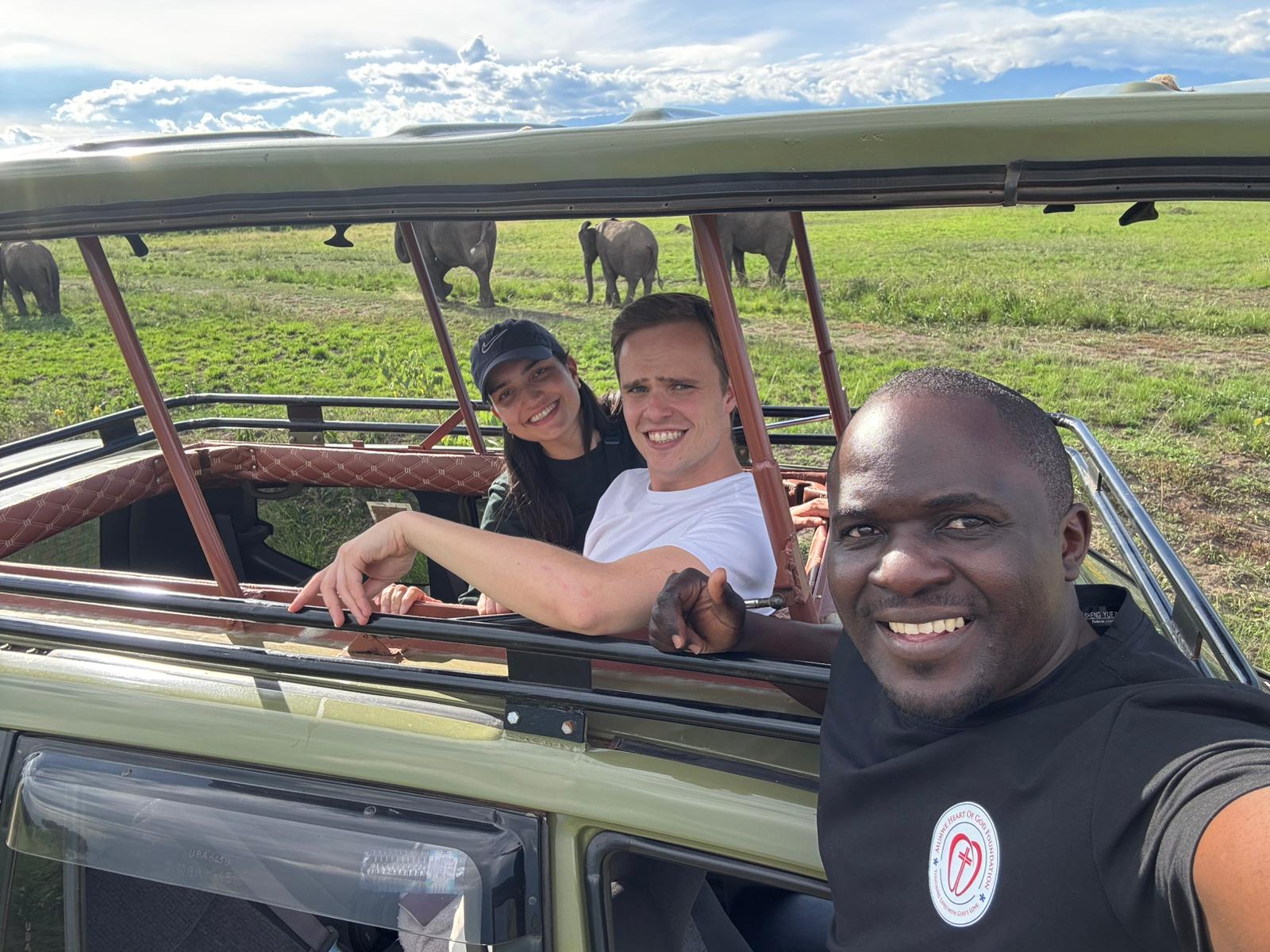
At Rent A Driver Uganda, we match experienced, trained driver-guides with travellers from around the world, and we are always interested in hearing from professional, reliable drivers and guides. You can meet our team of drivers in Uganda and choose one that suits you.
If you have the permit, the training and the passion for showing Uganda to visitors, apply as a driver with Rent A Driver Uganda today. You can contact us now by sending an email to info@rentadriveruganda.com or call +256-700135510.
Frequently Asked Questions
Do I need a licence to work as a safari guide in Uganda?
Yes. Under the Uganda Tourism Act, tour guides must hold a valid licence from the Uganda Tourism Board.
How long does guide training take?
A certificate course such as UHTTI’s Tour Guiding and Driving programme runs about one year. Shorter specialist and association courses are also available.
Can I be a safari driver-guide with only a driving permit?
You can work as a driver, but guiding roles need training and licensing. Being a driver-guide usually pays better and attracts more clients.
Do I need to speak foreign languages?
Not required, but French, German, Spanish or Chinese can help you earn more and get booked more often.
Can women become safari driver-guides?
Absolutely. Many travellers, especially solo women and families, specifically appreciate female drivers and guides.