
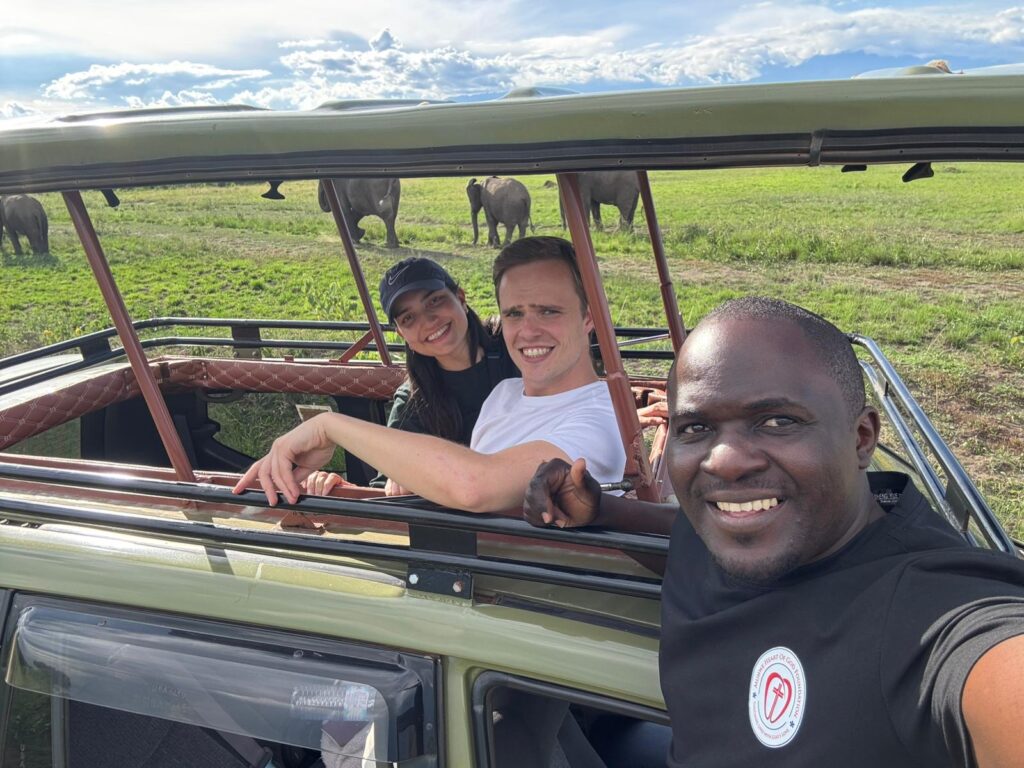
Planning a trip to Uganda raises a lot of practical questions — and most of them come down to one thing: how are you going to get around? Uganda’s national parks are spread across a country roughly the size of the UK, road conditions vary widely between the smooth tarmac out of Kampala and the red dirt tracks inside Bwindi or Kidepo, and public transport isn’t built with tourists in mind.
Below, the team at Rent A Driver Uganda answers the questions we get asked most often by phone, email, and WhatsApp — from first-time visitors booking a Kampala airport transfer to overlanders planning a three-week self-drive safari. Use the jump links below or read straight through.
Planning Your Trip & Entry Requirements
Do I need a visa to visit Uganda?
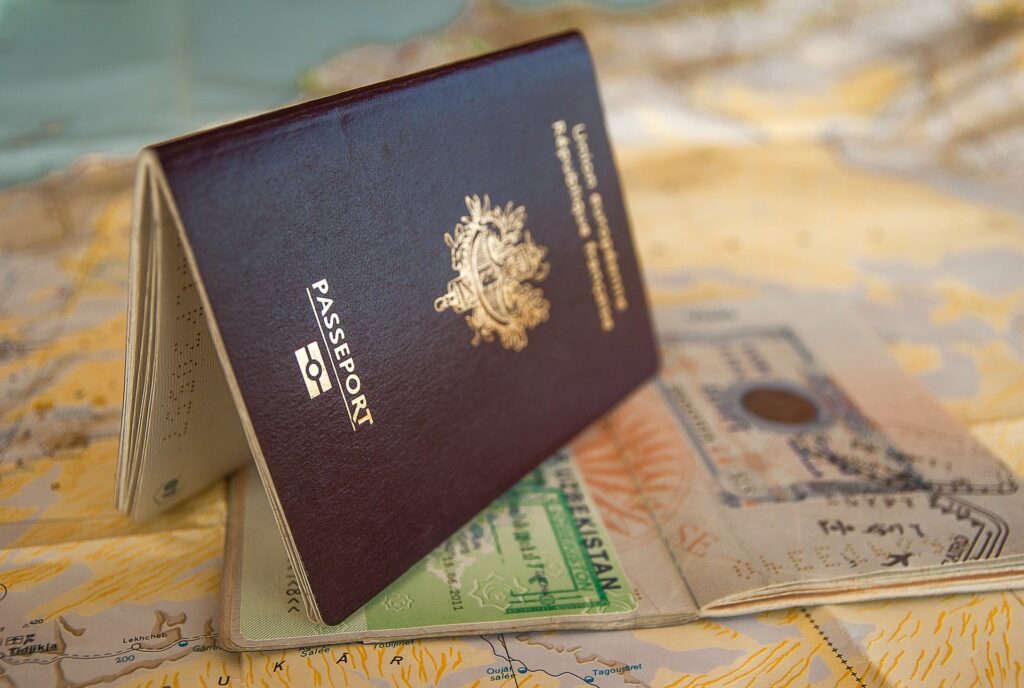
Yes, most nationalities need a visa. Uganda runs an e-Visa system, and you can apply online in advance at visas.immigration.go.ug rather than queueing at the border or airport. A single-entry tourist visa is valid for 90 days and costs USD $50. If you’re also planning to visit Kenya or Rwanda on the same trip, the East Africa Tourist Visa (USD $100) covers multiple entries across all three countries and usually works out cheaper and more convenient than buying separate visas. A handful of East African Community member states — Kenya, Tanzania, Rwanda, Burundi, and South Sudan — can enter Uganda visa-free using a national ID card. Because immigration rules do shift, it’s worth double-checking current requirements with the Uganda Directorate of Citizenship and Immigration Control or your nearest embassy shortly before you fly. Full details are on our Uganda Visa & Entry Requirements page.
Do I need a yellow fever vaccination to enter Uganda?
Yes — this one is non-negotiable. A Yellow Fever Certificate (Carte Jaune) is mandatory for every traveler entering Uganda and is checked on arrival. Get vaccinated at least 10 days before departure, since that’s when the certificate becomes valid, and carry the physical or digital card with your passport. Typhoid, Hepatitis A & B vaccinations and malaria prophylaxis are also commonly recommended — speak to a travel clinic well ahead of your trip since some vaccines need weeks to take full effect.
What’s the best time of year to visit Uganda?

Uganda sits on the equator, so temperatures stay fairly consistent year-round (roughly 20–28°C / 68–82°F), and the real question is rainfall rather than heat. The two dry seasons — December to February and June to September — are generally best for gorilla trekking and game drives, since trails are firmer and wildlife gathers more predictably around water sources. That said, Uganda is a genuine year-round destination; the “green season” months bring lush scenery, fewer crowds, and sometimes lower lodge rates, at the cost of muddier park roads. If you’re self-driving, this matters more than it does with a hired driver, since our chauffeurs know which routes to avoid after heavy rain.
How do I get from Entebbe Airport to Kampala or my hotel?
Entebbe International Airport is about 40 km (25 miles) from central Kampala, and the drive typically takes 45 minutes to over an hour depending on traffic — Kampala’s rush hour can stretch that considerably. Taxis are available outside arrivals, but rates aren’t metered and are frequently inflated for tourists. Most visitors prearrange an airport transfer instead: a driver meets you inside the arrivals hall holding a name board, helps with luggage, and takes you directly to your hotel or straight onward toward Murchison Falls, Queen Elizabeth, or wherever your safari begins. This is especially worth arranging if you’re landing at night, traveling solo, or arriving with a group and multiple bags.
Hiring a Driver vs. Self-Driving
Should I hire a driver or drive myself in Uganda?
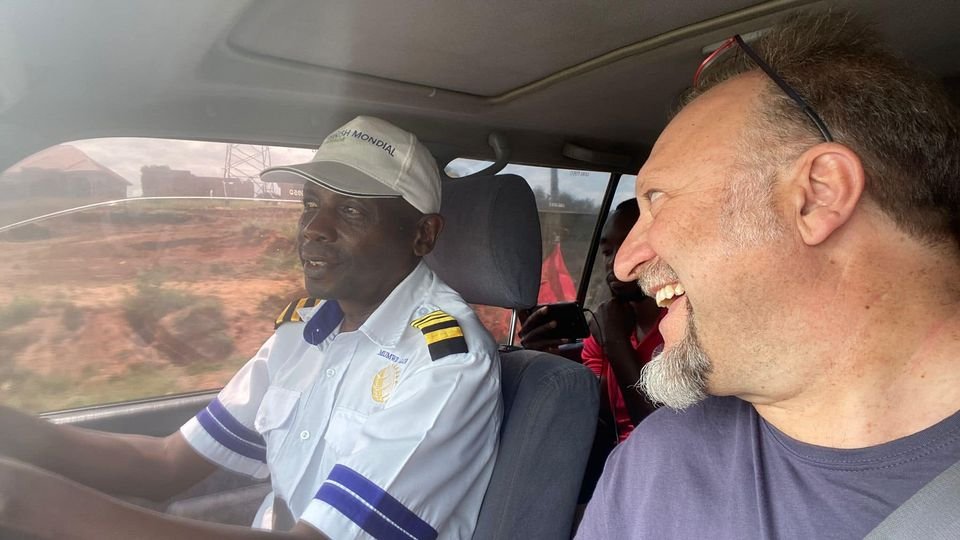
It depends on your comfort level, budget, and itinerary. Most first-time visitors — and honestly, most repeat visitors too — opt for a chauffeur-driven car rather than self-drive. Here’s why:
- Roads inside national parks are unmarked dirt tracks that can be genuinely confusing without local knowledge, and GPS coverage is unreliable in remote areas like Kidepo Valley or Kibale.
- Driving culture in Uganda includes minimal lane discipline, unpredictable boda-boda (motorcycle taxi) traffic, and occasional livestock or pedestrians on the road, especially outside major towns.
- Park permits, ranger checkpoints, and route timing for activities like gorilla trekking are second nature to an experienced local driver-guide but can eat into your day if you’re figuring them out yourself.
- Vehicle recovery — if you get a flat tire or get stuck in mud on a remote murram road, a professional driver typically knows how to handle it or has a network to call on; a first-time self-driver may be stranded longer.
That said, self-drive is absolutely possible and popular with confident, experienced overlanders who want full flexibility and don’t mind navigating on their own. We support both options — see our Self Drive in Uganda page for self-drive vehicles, or Chauffeur Hire if you’d rather sit back and let someone else handle the roads.
What do I need to self-drive in Uganda?
To rent a self-drive vehicle you’ll generally need:
- A valid driver’s license held for at least 2 years (an International Driving Permit is recommended alongside your home license)
- A valid passport or national ID
- A refundable security deposit, which varies by vehicle
- Comfort with manual transmission, as most rental 4x4s in Uganda are manual, not automatic
Uganda drives on the left-hand side of the road, so travelers from left-hand-drive countries should factor in an adjustment period, ideally starting with quieter roads before tackling Kampala traffic or narrow mountain routes near Bwindi.
Can I switch from self-drive to a driver partway through my trip?
Yes, this is a common request, particularly from travelers who book self-drive for the flatter, easier stretches (like Entebbe to Jinja) and then want a driver-guide for the more technical legs into Bwindi or Kidepo. Just mention this when you inquire and we’ll build it into your quote.
Costs, Vehicles & Booking
How much does it cost to hire a car with a driver in Uganda?
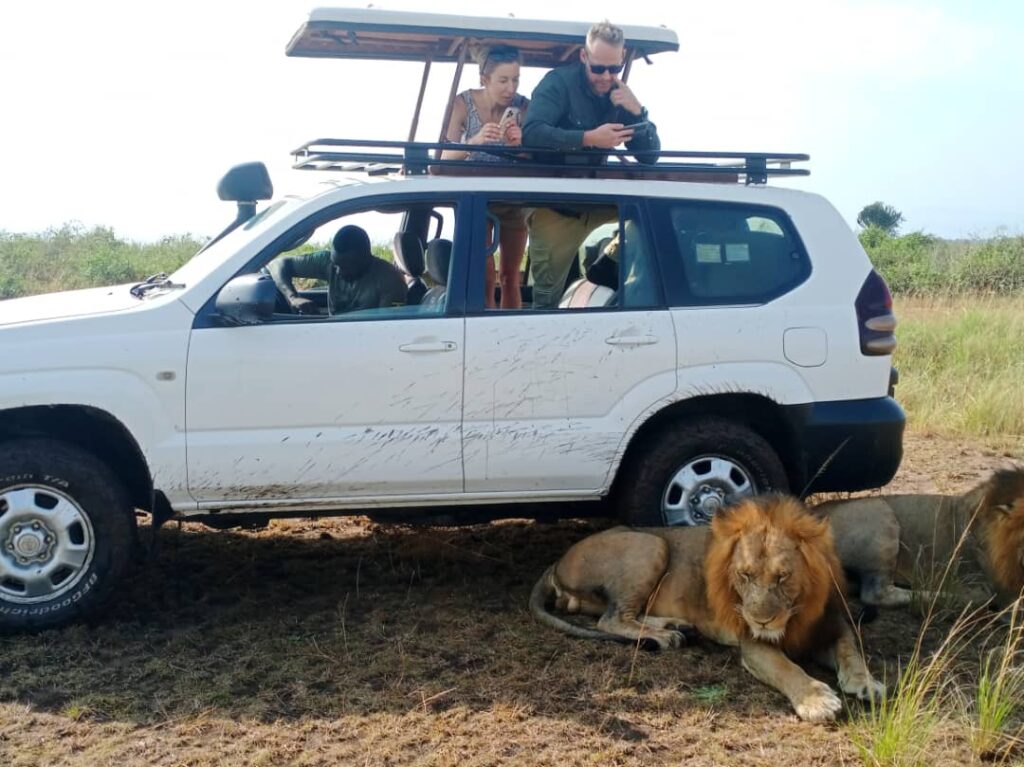
Rates depend on the vehicle type, trip length, and whether fuel is included. As a general guide from our current fleet:
| Vehicle | Approx. Rate (with driver) |
|---|---|
| Toyota RAV4 (self-drive) | From US$50/day |
| Toyota Noah / minivan | From US$90/day (excl. fuel) |
| Land Cruiser Prado | From US$100/day (excl. fuel) |
| Toyota Vanguard | From US$100/day (excl. fuel) |
| Safari Van (4×4) | From US$120/day |
| Pop-up Roof Land Cruiser | From US$120/day (excl. fuel) |
| Toyota Lexus | From US$250/day (excl. fuel) |
| Safari Land Cruiser with driver-guide | From US$200/day |
Rates typically drop the longer you book, and multi-day safari packages that bundle vehicle, driver, and fuel often work out more economical than pricing each day separately. Because fuel prices fluctuate and quotes depend on route and season, we recommend contacting us directly at info@rentadriveruganda.com or +256-700135510 for an exact figure — see our full rental cars lineup and current pricing.
Does the daily rate include fuel?
Not always — check this carefully when comparing quotes anywhere in Uganda, since it’s the single biggest source of confusion. Many of our daily rates are quoted excluding fuel, meaning you pay for fuel consumed on the trip, while some packaged safari deals bundle fuel into the total. We’ll always state clearly in your quote whether fuel is included, so ask upfront if it isn’t obvious.
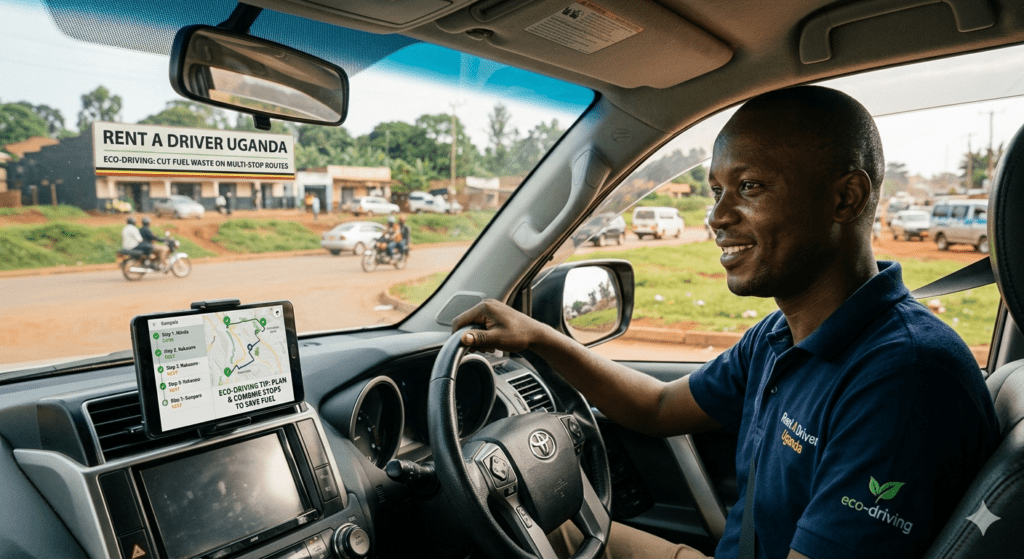
What type of vehicle should I choose?
- City trips, airport transfers, business travel: a saloon car or SUV like the RAV4 is comfortable and economical.
- Safaris into national parks: a 4×4 is essential — Land Cruisers, Safari Vans, or the Prado handle murram roads, river crossings, and steep terrain that a standard sedan cannot.
- Groups or families: minivans like the Toyota Noah or Super Custom, or a Coaster Bus for larger groups, keep everyone together and reduce per-person cost.
- Weddings and formal events: we run a dedicated fleet of wedding and bridal cars, including limousines, a Jaguar, vintage cars, and a Hummer.
- Long-term stays (NGO staff, expats, business travelers): ask about monthly driver rental and long-term car rental rates, which are more cost-effective than daily bookings.
How far in advance should I book?
For peak season (December–February and June–September), especially if your trip includes gorilla trekking, we recommend booking your vehicle and driver at least 4–8 weeks ahead, since gorilla permits themselves sell out early and vehicles get booked alongside them. Shoulder and low season trips can often be arranged with just a few days’ notice, though earlier is always safer if your itinerary is fixed.
How do I pay, and is a deposit required?
Most bookings require a partial deposit to confirm the vehicle and driver, with the balance payable in cash (USD or Ugandan Shillings) or by bank transfer once you’re on the ground, though this varies by trip length and vehicle. We’ll walk you through the exact payment structure when you inquire — reach out via the contact page, email, or WhatsApp, and our reservations team will confirm availability and pricing before anything is locked in.
Can I hire a car and driver just for a few hours in Kampala?
Yes. If you only need transport for a meeting, shopping trip, or short city outing rather than a full-day booking, our Town Running Cars & Drivers service covers exactly that, and our City Car Rental and Kampala City Tour options are built for shorter, flexible bookings rather than multi-day safaris.
Safaris, Gorilla Trekking & Routes
Can I book my gorilla permit and rental car together?
Yes — we handle both. Gorilla trekking permits in Uganda are limited (a fixed number of permits are issued per park per day) and need to be secured well in advance through the Uganda Wildlife Authority. Rather than juggling permit applications and vehicle logistics separately, our Book a gorilla permit & rental car service coordinates both at once, along with routing you to Bwindi Impenetrable Forest or Mgahinga with the right 4×4 for the terrain.
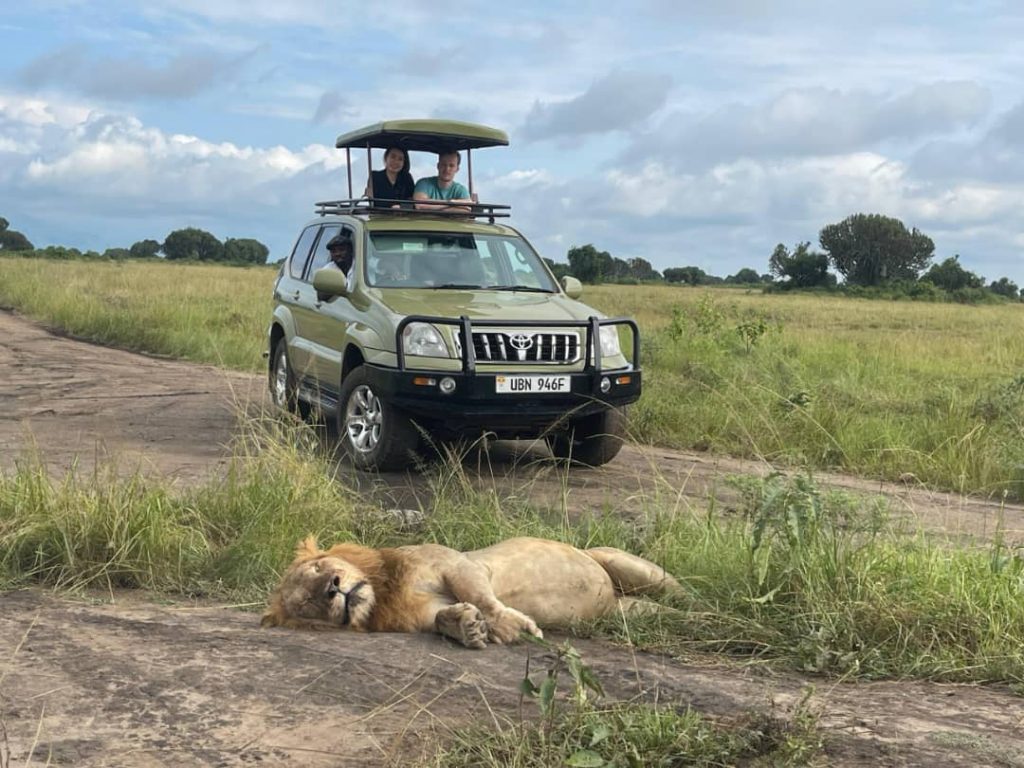
How long does it take to drive to the major national parks from Kampala or Entebbe?
Approximate driving times with a rest stop or two:
- Lake Mburo National Park: ~3.5–4 hours
- Queen Elizabeth National Park: ~6–7 hours
- Kibale National Park (chimp trekking): ~5–6 hours
- Bwindi Impenetrable Forest (gorilla trekking): ~8–9 hours, often broken into two days via Lake Mburo or Queen Elizabeth
- Murchison Falls National Park: ~4–5 hours
- Kidepo Valley National Park: ~9–10 hours, Uganda’s most remote major park, in the far northeast
- Jinja / Source of the Nile: ~2–2.5 hours
These times assume dry conditions and can extend significantly in heavy rain, which is another reason experienced drivers who know current road conditions are worth having, particularly on the Bwindi and Kidepo routes. See our national parks and destinations pages for park-specific guides.
Can I combine Uganda with Rwanda, Kenya, or Tanzania on one trip?
Yes, and it’s a popular option, especially for gorilla trekking (which is also offered in Rwanda) or for travelers doing a broader East African circuit. Our car hire services extend to Kigali (Rwanda), Nairobi (Kenya), and Tanzania, and the East Africa Tourist Visa mentioned earlier is designed exactly for this kind of multi-country itinerary. See our Uganda–Rwanda Road Trip package for a ready-made example.
Do your drivers double as safari guides?
Yes. Our drivers are experienced with park routes, wildlife spotting, and the logistics of entry permits and ranger check-ins, and most speak English fluently alongside Kiswahili and local languages like Luganda and Runyakitara. On safari itineraries they function as driver-guides rather than just transport, pointing out wildlife, managing timing around activities, and generally acting as your first point of local knowledge throughout the trip.
Safety, Etiquette & Practical Tips
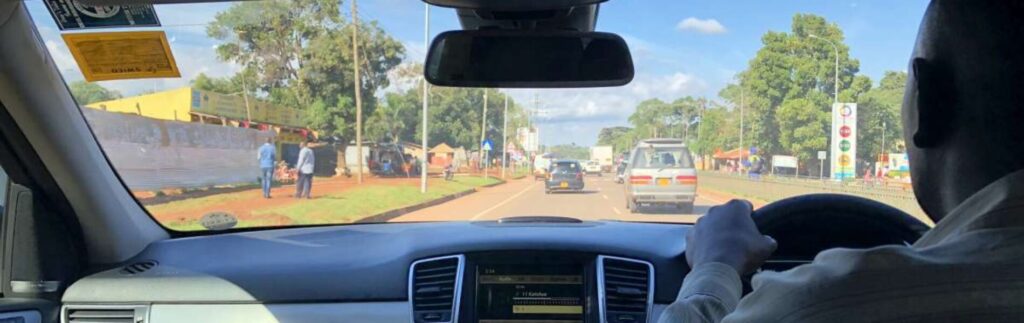
Is it safe to travel around Uganda by road?
Uganda is generally considered a safe, welcoming destination for tourists, and road trips with a professional driver are a routine, well-established way to see the country. The main practical risks are the same as anywhere with mixed traffic conditions — potholes outside major towns, unlit roads at night, and unpredictable boda-boda riders — which is exactly why most visitors choose a hired driver over self-navigating unfamiliar routes after dark. Always check current travel advisories from your home country’s foreign ministry before departure, since conditions in specific border regions can change.
Should I tip my driver, and how much?
Tipping isn’t mandatory but is customary and appreciated for good service, particularly on multi-day safaris where the driver-guide goes beyond just driving. A common benchmark used by many operators in the region is roughly USD $10–20 per day for a driver-guide on safari, though this varies with trip length, group size, and how satisfied you were with the service — it’s entirely at your discretion. If in doubt, ask your driver directly or check with our team before the trip; tipping norms are a frequent point of confusion for first-time visitors, so there’s no harm clarifying in advance.
Do I need to bring cash, or can I pay by card in Uganda?
Cash — both US dollars (2013 or newer, in good condition) and Ugandan Shillings — remains the most reliable way to pay for smaller purchases, park fees, tips, and rural transactions, since card acceptance and mobile connectivity for payments drop off quickly outside Kampala and major lodges. Most hotels and larger lodges accept cards, but it’s wise to carry sufficient cash for the more remote legs of a safari. ATMs are available in major towns but can be scarce once you’re deep into a park circuit.
What languages do your drivers speak?
Our drivers are fluent in English, and many also speak Kiswahili, Luganda, and Runyakitara, which is useful both for translation needs and for the cultural context they can add when you stop at markets, villages, or roadside attractions along the way.
Can I request a car seat for a young child?
Yes, just mention this when booking so we can arrange it in advance — not all vehicles carry one as standard, so advance notice avoids delays on pickup day.
What if my flight is delayed — will my driver still be there?
Yes. For airport transfers, we track flight arrival times, so delays don’t affect your pickup; your driver will be waiting in arrivals whenever you land. This is one of the practical advantages of a prearranged transfer over trying to negotiate a taxi cold after a long flight.
Who do I contact to get a quote or ask a question not covered here?
Reach our reservations team directly:
- Phone / WhatsApp: +256 700 135510 / +256 414 699459
- Email: info@rentadriveruganda.com or rentadriveruganda@gmail.com
- Office: Kigo Rd, Christ Reigns Close, near Sapphire Hotel, Kampala — open Monday to Saturday, 8am–6pm
- Online: via our Contact Us page
We typically respond quickly to inquiries and can put together a tailored quote once we know your dates, group size, and rough itinerary.
Rent A Driver Uganda is a Kampala-based driver hire and car rental agency, operating under Mumwe Global Safaris, offering both chauffeur-driven and self-drive car hire across Uganda and into neighboring Rwanda, Kenya, and Tanzania.