What Makes a Good Uganda Safari Driver-Guide?
Your driver-guide can make or break a Uganda safari. They’re not just behind the wheel for 1,000+ km of driving — they’re the person spotting the leopard in the tree, reading the animal’s mood before deciding whether to get closer, knowing which murram road turns to soup after rain, and translating a chance encounter into a story you’ll tell for years. A great driver-guide adds more value to a trip than almost any other single booking decision. A poor one can turn the same itinerary into a frustrating, unmemorable one.
The problem is that “driver-guide” gets used loosely — some are highly trained naturalists with years in the parks, others are simply competent drivers with limited wildlife knowledge. Here’s what actually separates the two, framed as ten questions worth asking before you book.
1. Are You a Licensed Tour Guide, or Just a Driver?
In Uganda, there’s a real difference between a driver and a driver-guide. Licensed guides are trained and certified — often through the Uganda Wildlife Authority, Uganda Tourism Board, or a recognized guiding school — in wildlife behavior, park ecology, and safety protocols. A driver without this training might get you safely from point A to point B, but won’t necessarily read animal behavior, identify birds, or know why a herd is behaving a certain way. Ask directly whether they hold a guiding certification, not just a driving license.
2. How Many Years Have You Been Guiding in Uganda’s Parks Specifically?
Guiding experience in Uganda’s parks doesn’t transfer neatly from other countries or even other African destinations — each park has its own terrain, wildlife patterns, and seasonal quirks. A guide who’s spent years specifically in Murchison Falls, Queen Elizabeth, and Bwindi will know things a generalist won’t: where lions tend to rest in Ishasha’s fig trees, which Kazinga Channel boat times avoid the midday heat, or how quickly the Buligi circuit floods after heavy rain. Ask how long they’ve guided in Uganda specifically, and in which parks.
3. Can You Identify Birds as Well as Mammals?
Uganda is one of Africa’s premier birding destinations, with over 1,000 recorded species, but not every guide is equally strong on birds versus big mammals. If birding matters to you — or even if you’re just curious — ask whether they’re comfortable identifying birds by call as well as sight. A guide who lights up talking about shoebill storks or African fish eagles as much as lions is usually a guide with genuine, broad wildlife passion rather than a rehearsed mammal checklist.
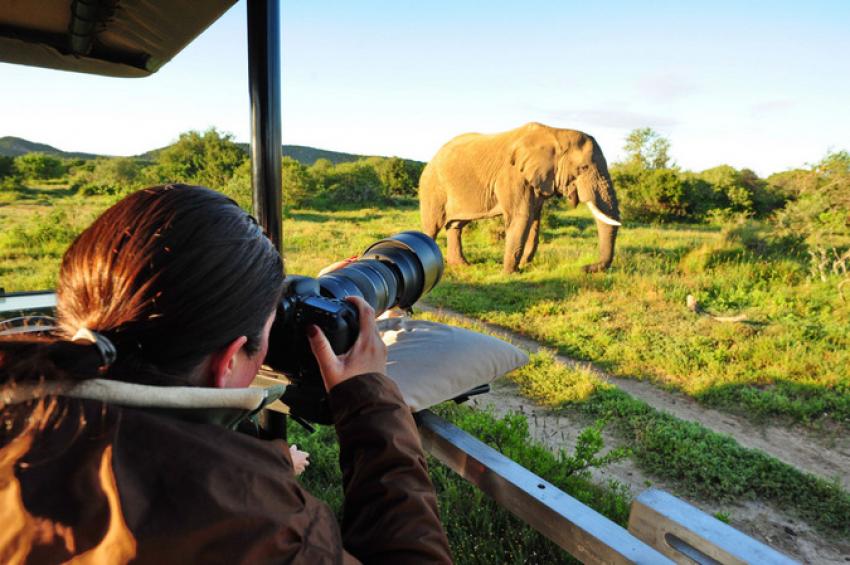
4. How Do You Decide When to Approach Wildlife and When to Hold Back?
This question reveals a lot. A good guide will talk about reading animal body language, respecting minimum distances, and prioritizing the animal’s comfort over getting the closest possible view for guests. This matters both ethically and for your safety — elephants, buffalo, and hippos are responsible for more safari incidents than predators, and a guide who understands their behavior will keep a respectful, safe distance without you even noticing the caution.
5. What Happens If We Get Stuck or the Vehicle Breaks Down?
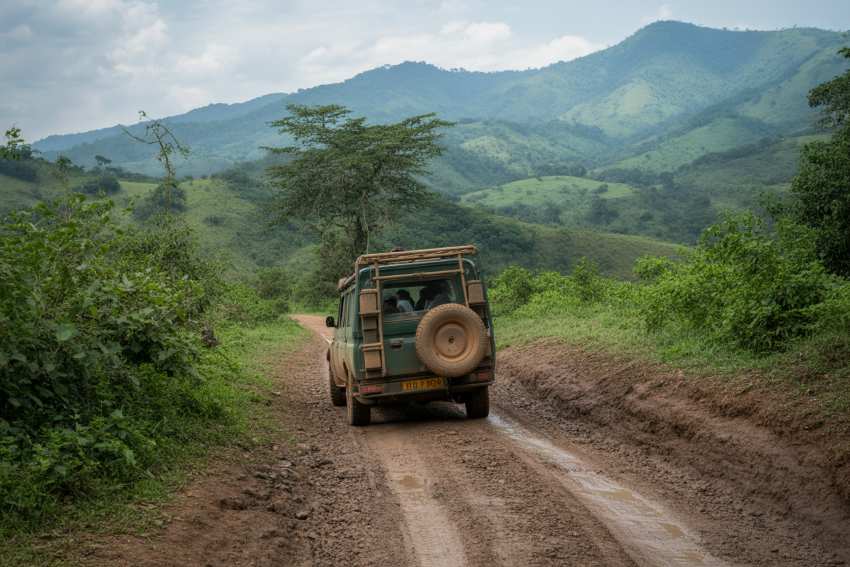
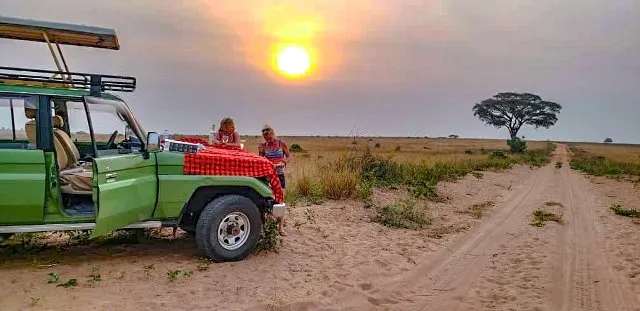
Murram roads, river crossings, and rainy-season mud mean getting stuck is a real possibility, especially around Ishasha, Kidepo, or deep into Murchison’s tracks. Ask what recovery equipment they carry (a tow rope, a shovel, sometimes a winch), whether they know basic vehicle recovery techniques, and what their plan is if the vehicle needs mechanical help far from a town. A confident, specific answer here is a strong signal of experience; a vague one is a red flag.
#image_title
6. How Do You Plan Routes and Timing Around Wildlife Activity?
A good Uganda safari driver-guide won’t just drive to a park and hope for sightings — they’ll plan drive timing around when animals are actually active. Early morning and late afternoon game drives, avoiding the heat of the day for predator activity, and knowing which sector of a park tends to be productive on a given day all come from experience, not luck. Ask how they decide the day’s route and timing, and listen for specifics rather than generic answers.
7. Are You Comfortable Adjusting the Itinerary for What We’re Interested In?
Not every traveler wants the same safari. Some want to maximize the “big five,” others want birding, photography, or cultural encounters with local communities. A good driver-guide asks about your interests early and adapts pacing and route accordingly — spending longer at a productive sighting instead of rushing to the next park, or slowing down for a photographer versus keeping moving for someone who wants to cover more ground. Ask whether they’ll tailor the day to your interests rather than following a fixed script.
8. Do You Know First Aid and Emergency Procedures?
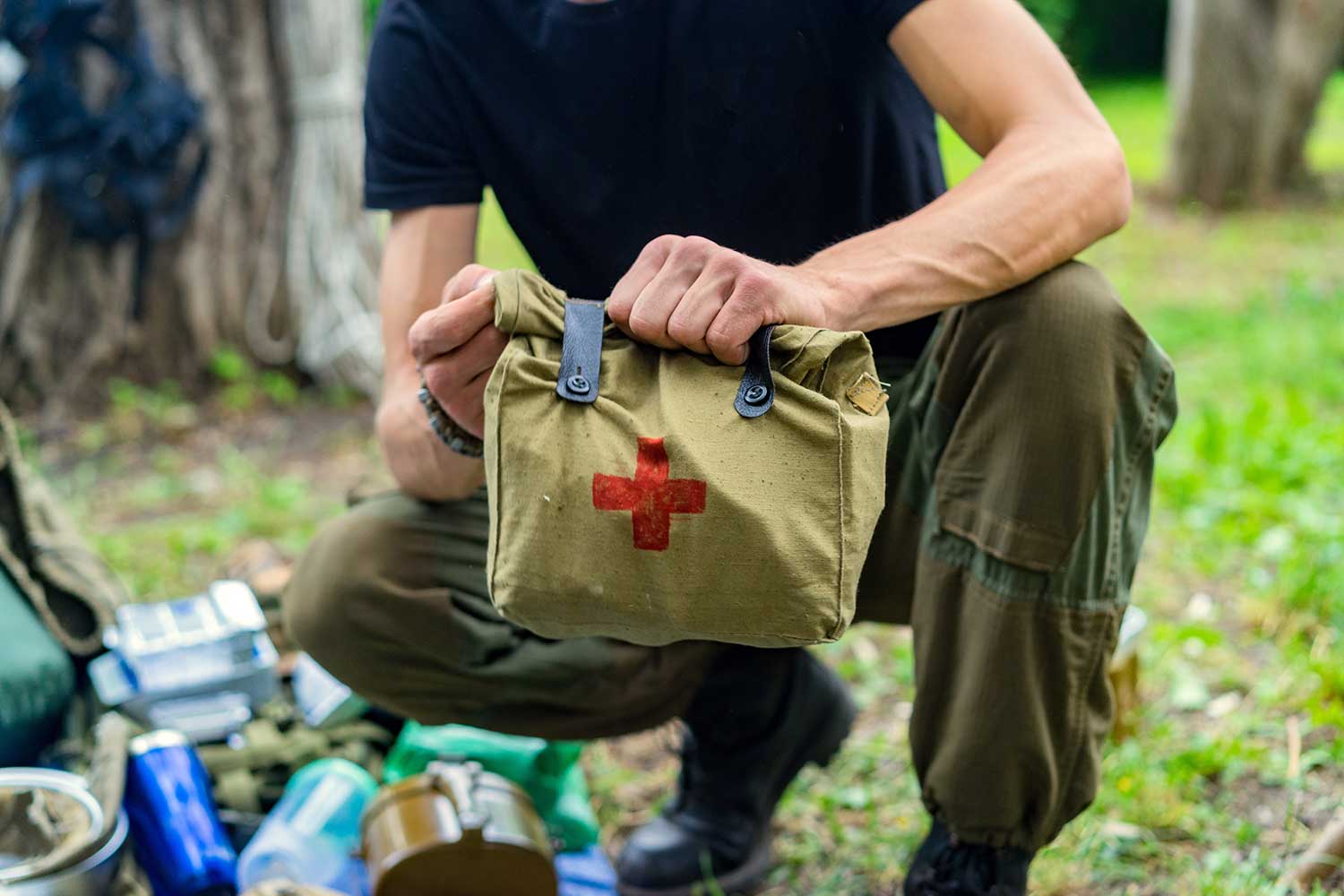
Parks are remote, and medical help can be hours away. Ask whether they’re trained in basic first aid, carry a first aid kit, and know evacuation procedures and the nearest medical facilities to each park on your route. This is especially relevant for older travelers, families with children, or anyone with a health condition — a prepared guide reduces risk significantly even if nothing ever goes wrong.
9. Can You Share References or Reviews From Past Guests?
A guide confident in their work will happily share references, past guest reviews, or point you to feedback on the rental company’s platform. This is one of the simplest ways to verify quality before you commit — look for specific mentions of wildlife knowledge, safety, and flexibility, not just generic “nice guy” comments.
10. What Languages Do You Speak Comfortably?
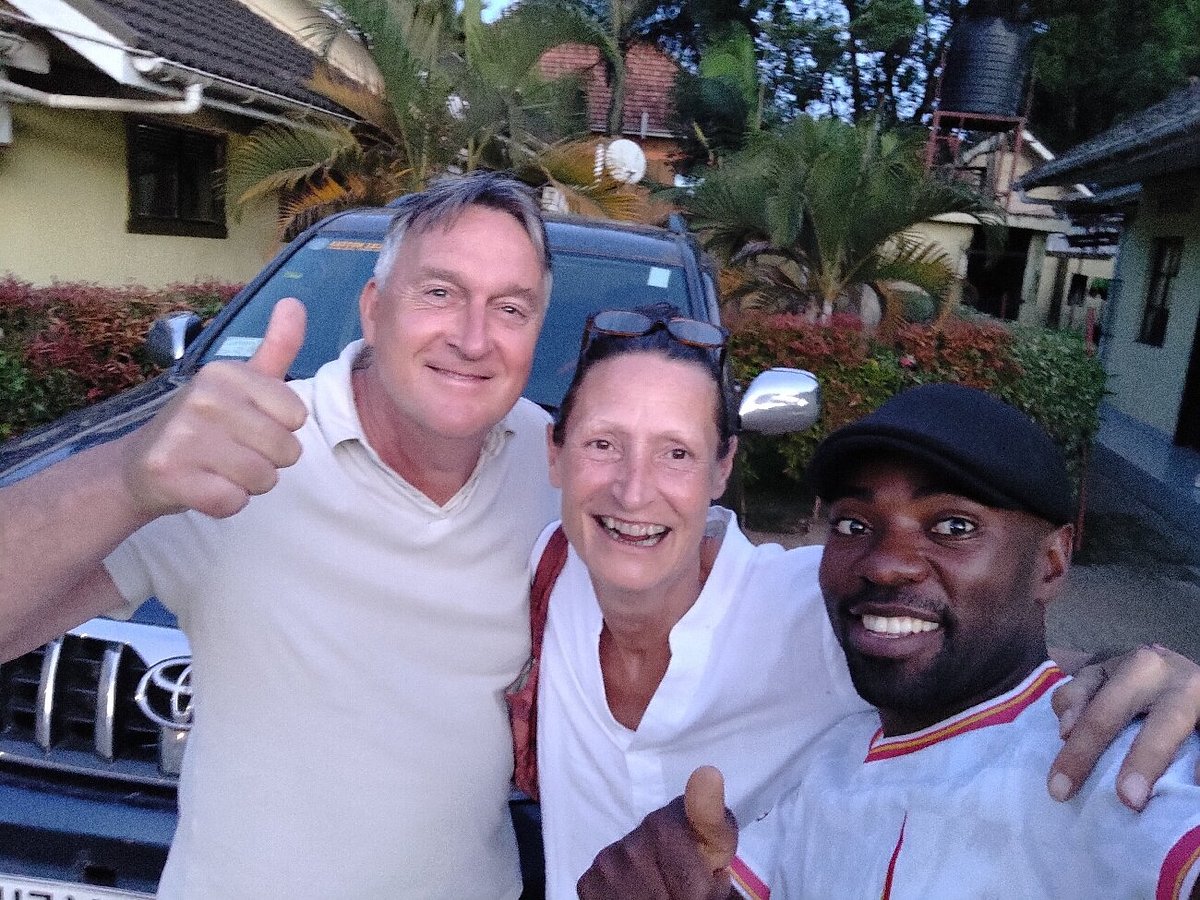
Uganda welcomes travelers from around the world, and communication matters as much as wildlife knowledge — a guide who can explain what you’re seeing clearly, answer detailed questions, and communicate well in your language dramatically improves the experience. English is standard among trained guides, but if you’re more comfortable in French, German, or another language, ask directly rather than assuming.
Red Flags to Watch For
Beyond the questions themselves, a few warning signs are worth noting during any pre-trip conversation:
- Vague or evasive answers about certification, experience, or recovery procedures
- Pushing you to get closer to wildlife than feels appropriate, or leaving the vehicle in areas where that’s prohibited
- No knowledge of the specific parks on your itinerary beyond generic Uganda facts
- Reluctance to adjust pace or route based on your interests
Why This Matters More in Uganda Than Some Other Destinations
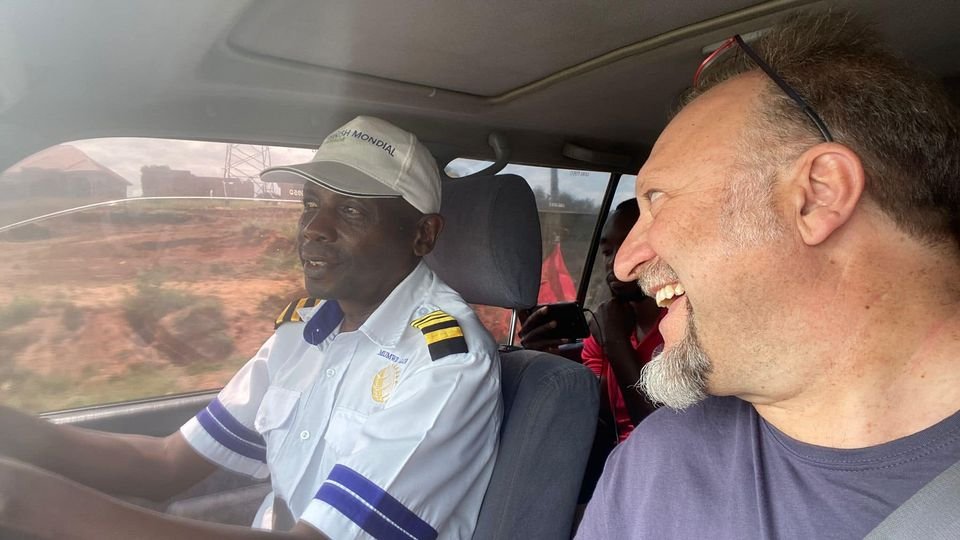
Uganda’s parks are less developed and more spread out than places like Kenya’s Maasai Mara, with fewer other vehicles around and, in places like Kidepo or deep in Murchison, genuinely remote terrain. That makes the driver-guide’s judgment, local knowledge, and preparedness more consequential than in a destination with dense infrastructure and constant radio contact with other vehicles. The right guide doesn’t just show you Uganda — they’re a meaningful part of your safety net while doing it.
Final Take
A good Uganda safari driver-guide combines certified training, real park-specific experience, strong wildlife and bird knowledge, sound judgment around animal behavior, and genuine flexibility to shape the trip around what you actually want to see. Asking these ten questions before booking — whether directly or through your car rental company — is one of the highest-value things you can do to make sure your safari lives up to Uganda’s reputation.
At Rent A Driver Uganda, our driver-guides are matched to your itinerary and interests, not assigned at random — so you get someone who genuinely knows the parks you’re visiting, not just a driver behind the wheel.
To book a 4×4 car with a driver-guide for safari in Uganda- simply contact us now by sending an email to info@rentadriveruganda.com or call us now on +256-700135510.