
If you’re searching for things to do in Uganda, you’re looking at one of the most underrated travel destinations on earth. Uganda packs mountain gorillas, chimpanzees, Big Five game drives, white-water rapids, volcanic craters, and some of Africa’s richest birdlife into a country roughly the size of the United Kingdom — without the marathon drive days that come with covering the same variety in Kenya or Tanzania. Nicknamed “the Pearl of Africa” by Winston Churchill, Uganda earns that title through sheer geographic diversity: dense rainforest, open savanna, volcanic highlands, and the source of the Nile all sit within a single, compact itinerary.
This guide covers the very best things to do in Uganda, grouped by activity rather than by park, so you can see the full range of experiences on offer and how they fit together into one trip.
1. Gorilla Trekking in Bwindi Impenetrable National Park
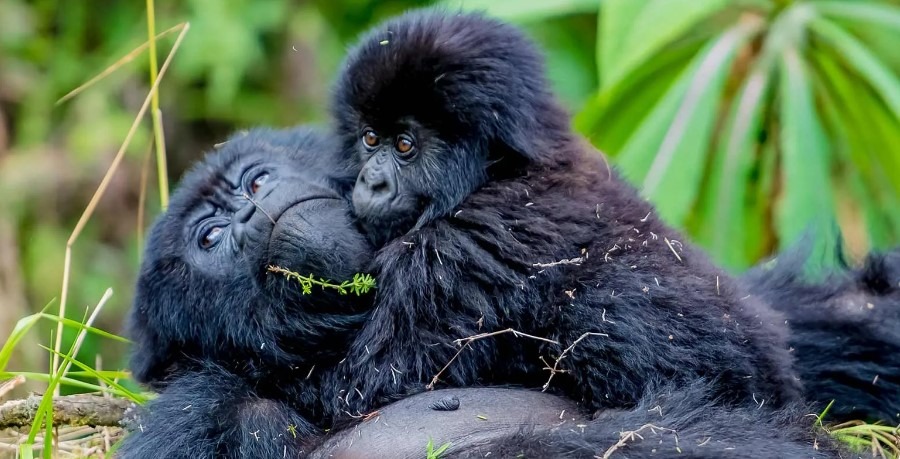
gorillas in bwindi
Nothing tops the list of things to do in Uganda quite like spending an hour with mountain gorillas in the wild. Bwindi Impenetrable National Park, in the country’s remote southwest, is home to roughly half the world’s remaining mountain gorilla population, spread across four trekking sectors — Buhoma, Ruhija, Rushaga, and Nkuringo. After an early morning briefing at park headquarters, you’ll set out with an armed ranger and guide on a trek that can last anywhere from one to eight hours depending on where the assigned gorilla family happens to be that day. Once you find them, you get a full hour to watch them feed, play, and interact at close range — an experience that regularly tops “best wildlife encounter” lists worldwide. As of 2026, permits cost $800 for foreign non-residents, $700 for foreign residents, and 300,000 UGX for East African citizens, and should be booked well ahead of your travel dates, especially in the busy June–September and December–February seasons.
2. Chimpanzee Tracking in Kibale Forest and Beyond
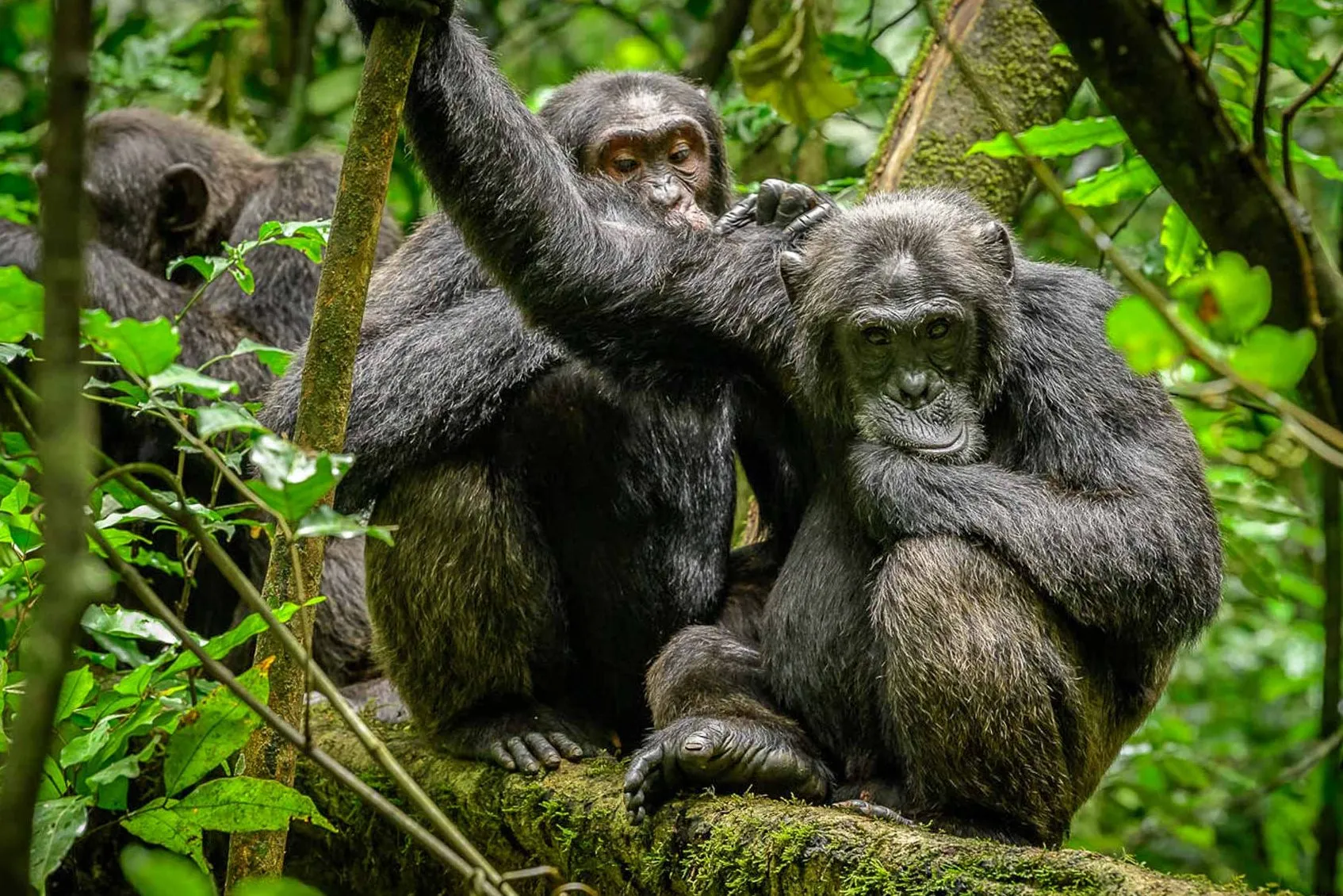 If gorilla trekking is the headline act, chimpanzee tracking is a close second — and arguably more dynamic. Kibale Forest National Park, often called the “primate capital of the world,” is home to more than 1,500 chimpanzees along with several other primate species, and is the best-known location for this activity in Uganda. Unlike the slower-moving gorillas, chimps are vocal, fast, and constantly on the move through the canopy, which makes tracking them feel more like an active forest adventure than a quiet observation. Guides follow calls and movement patterns, and sightings often include dramatic canopy chases, grooming sessions, and the chimps’ unmistakable pant-hoot calls echoing through the trees. Beyond Kibale, chimp tracking is also available in Kalinzu Forest, Kyambura Gorge, and Budongo Forest, each offering a slightly different forest habitat and experience. For travellers who want more time with the chimps, a chimpanzee habituation experience extends the encounter well beyond the standard one-hour limit, offering a deeper look at their social structure.
3. Game Drives Across Uganda’s National Parks
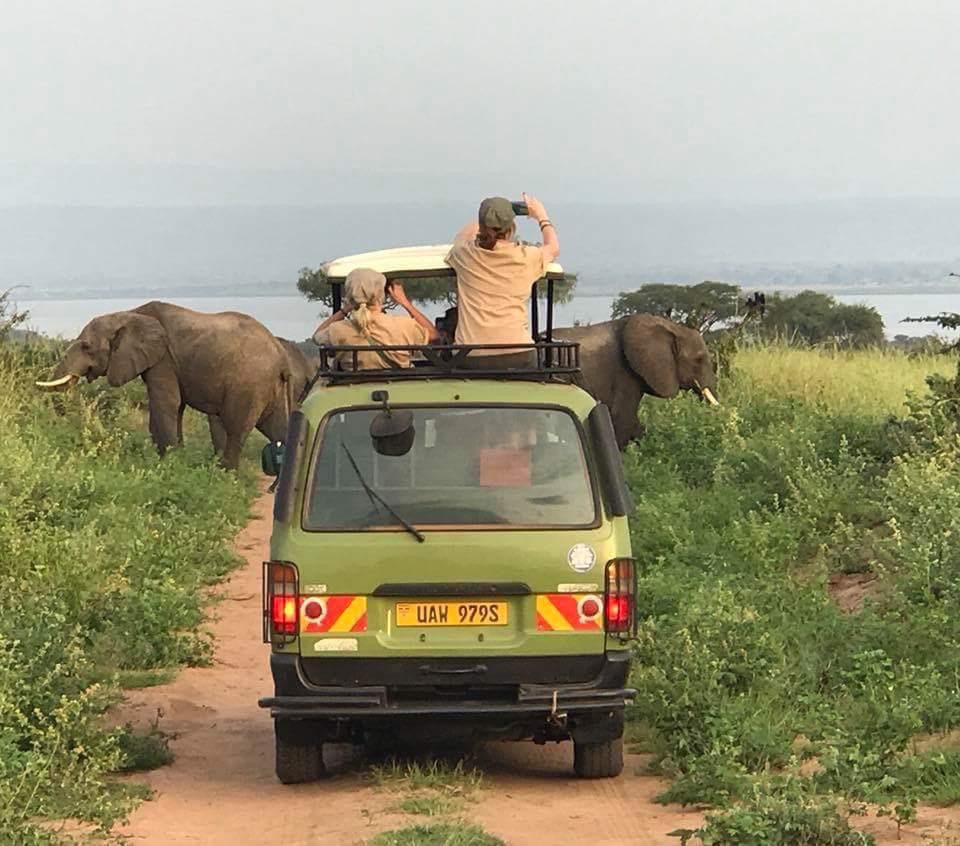
#gamedrive
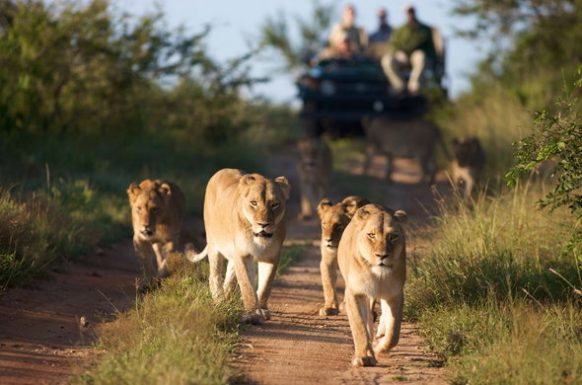
Classic game drives are one of the most reliable things to do in Uganda, and the country offers several distinct parks for this, each with its own character. Queen Elizabeth National Park, Uganda’s most biodiverse protected area, combines open savanna and crater lakes with elephants, buffalo, leopards, and the famous tree-climbing lions of the Ishasha sector — a rare behavior seen in only a handful of places on the continent. Murchison Falls National Park, Uganda’s largest, offers classic savanna game drives across its northern bank, home to elephants, giraffes, lions, and the country’s largest population of Rothschild’s giraffes. Kidepo Valley National Park, in the remote northeast, is often ranked among the most beautiful and least crowded parks on the entire continent, with dramatic mountain backdrops and species found nowhere else in Uganda, including cheetahs and ostriches. Lake Mburo National Park, the smallest and most accessible of Uganda’s savanna parks, makes an easy stopover between Kampala and the southwest, offering zebra, eland, and impala in a compact, easily-covered area. Morning and late-afternoon drives generally offer the best predator activity across all four parks.
4. Boat Trips and River Cruises
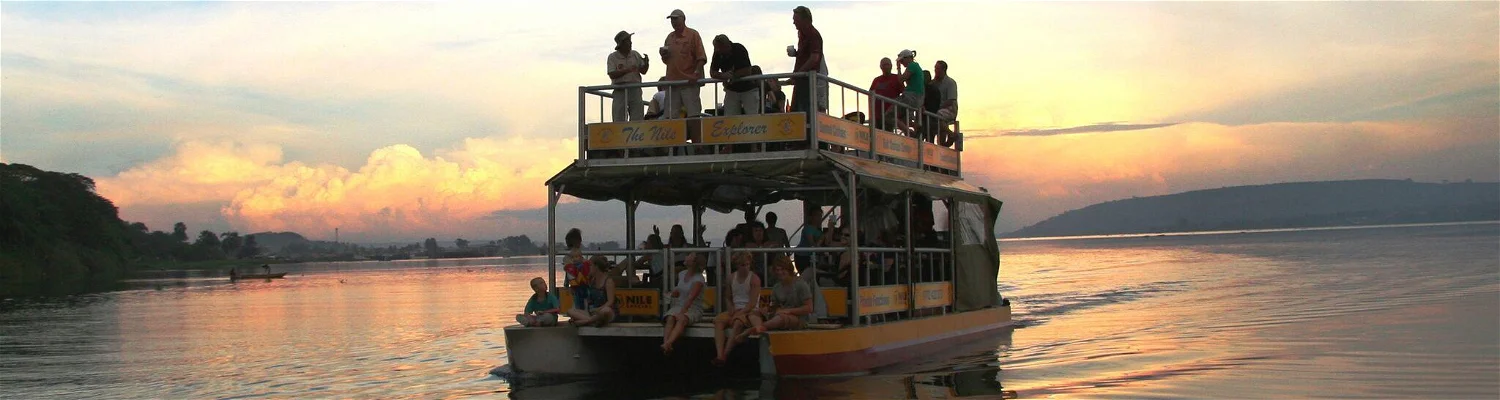
Uganda’s rivers and channels offer some of the most relaxed yet rewarding things to do in Uganda, requiring no walking or trekking and suiting travellers of any age or mobility level. The Kazinga Channel in Queen Elizabeth National Park, which connects Lake Edward and Lake George, hosts one of the highest concentrations of hippos anywhere in Africa, alongside enormous Nile crocodiles and prolific birdlife along its banks — elephants and buffalo frequently come down to drink at the water’s edge during a typical two-hour cruise. In Murchison Falls National Park, a boat cruise along the Nile takes you up to the base of the falls themselves, where you can watch the river force its entire volume through a gorge just seven metres wide before plunging 43 metres, with hippos and crocodiles lining the banks along the way. Near Jinja, a calmer boat trip to the actual source of the Nile, where Lake Victoria’s waters begin their journey to the Mediterranean, offers a quieter but equally memorable stop on any itinerary that includes the adventure capital.
5. Adventure Sports in Jinja
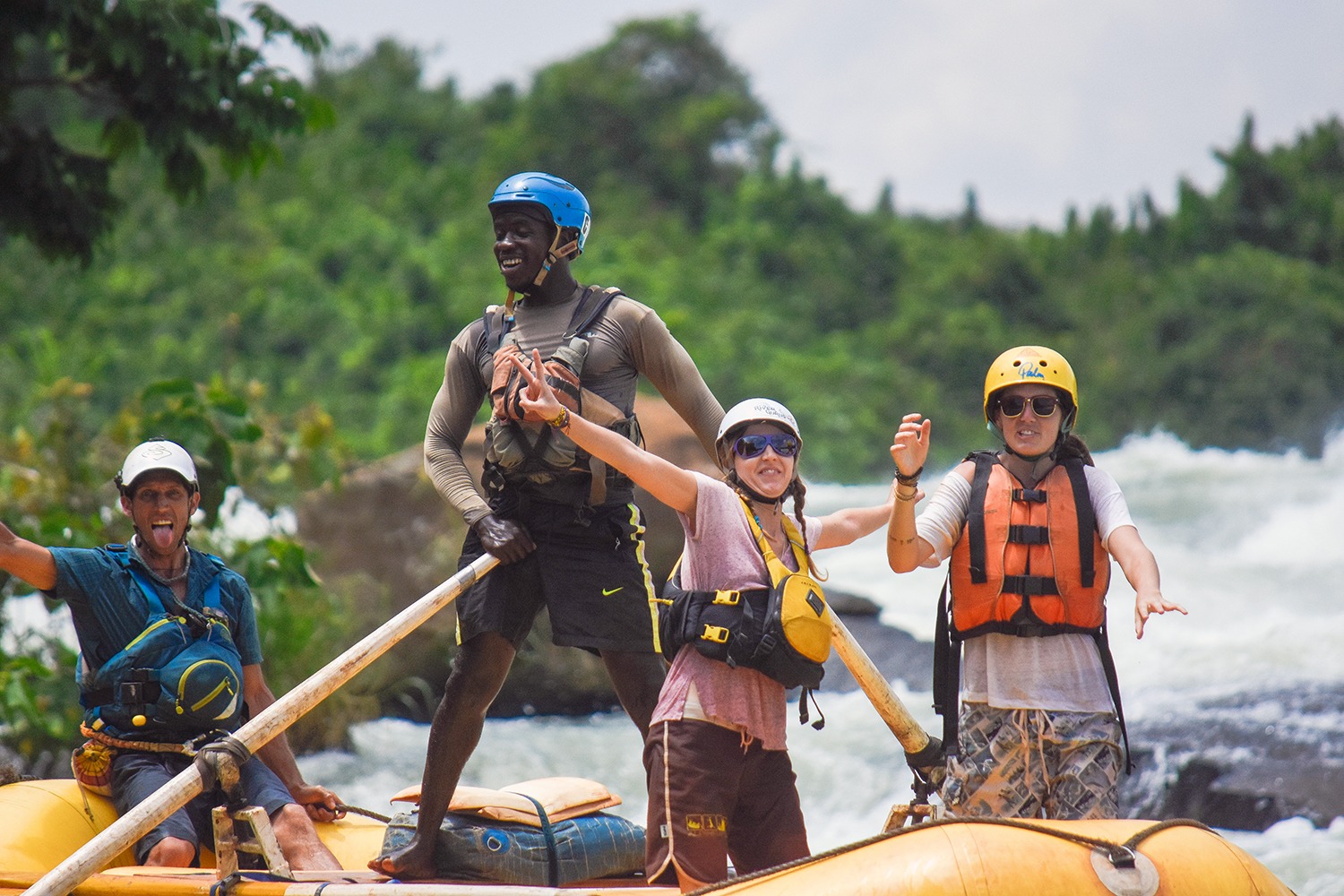
Jinja, at the source of the Nile, is Uganda’s adventure hub and a completely different side of the country from the parks — a natural stop for travellers looking to break up a wildlife-heavy itinerary with a dose of adrenaline. The white-water rafting here is genuinely world-class, with grade 3 to 5 rapids that draw thrill-seekers from around the globe, alongside calmer sections suited to first-timers and families. Bungee jumping over the Nile is one of the most talked-about things to do in Uganda for adrenaline seekers, offering a genuinely spectacular view of the river on the way down. Beyond rafting and bungee jumping, Jinja also offers kayaking, quad biking through the surrounding villages and sugarcane fields, horseback riding along the riverbanks, and mountain biking routes — enough to fill two or three full days of activity in one location.
6. Birdwatching Across the Country
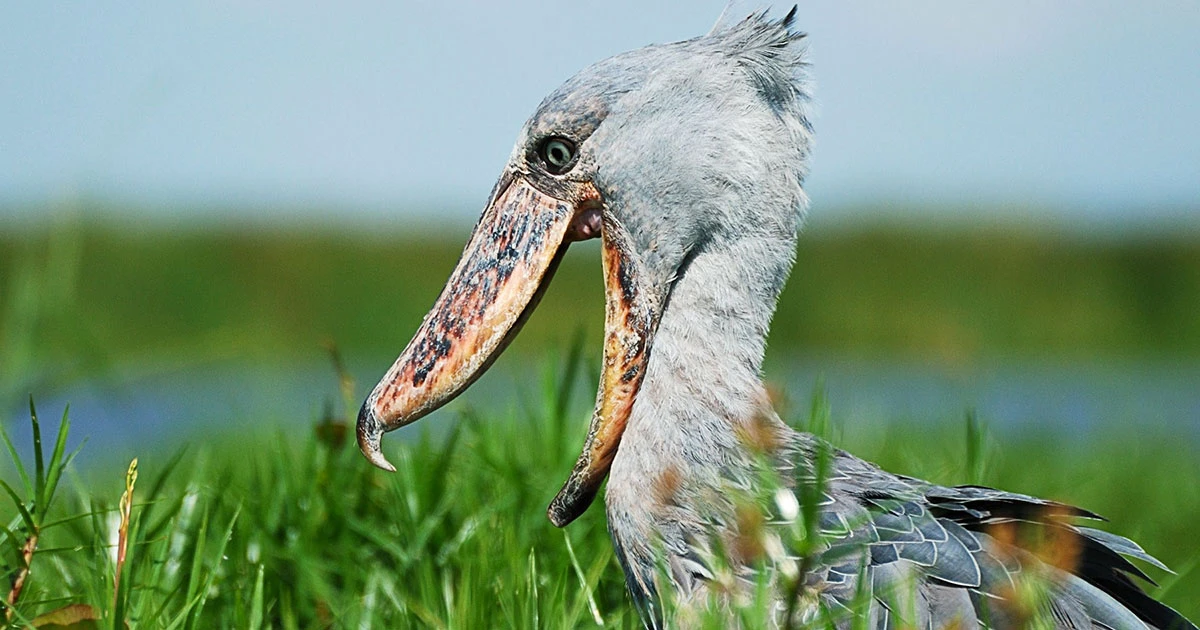
With over 1,000 recorded bird species, Uganda is one of Africa’s premier birding destinations, and birdwatching deserves its own place on any list of things to do in Uganda rather than being treated as a side activity. The shoebill stork — a prehistoric-looking, near-mythical species for birders — is one of the country’s biggest draws, best spotted in the swamps of Mabamba Bay near Entebbe or in Murchison Falls. Queen Elizabeth, Bwindi, and Semuliki National Park each offer distinct birding habitats, from savanna raptors to dense-forest specialists, making Uganda a realistic destination for serious birders to add dozens of species to a life list in a single trip.
7. Hiking and Climbing the Rwenzori Mountains
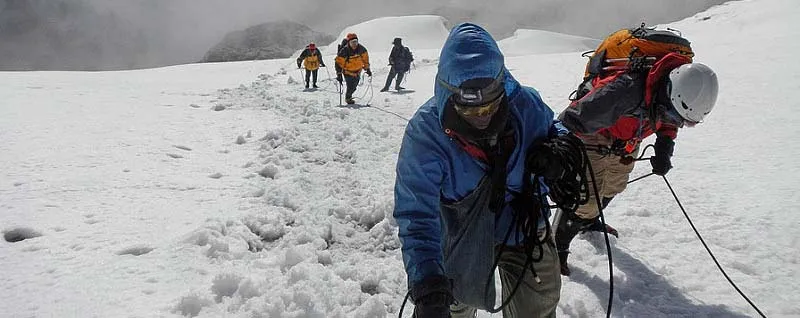
Nicknamed the “Mountains of the Moon,” the Rwenzori range along Uganda’s western border with the Democratic Republic of Congo offers some of East Africa’s most rewarding — and least crowded — high-altitude trekking. Multi-day hikes climb through distinct vegetation zones, from montane forest to bizarre giant lobelia and heather zones, up toward glaciated peaks that are increasingly rare on the African continent. It’s a serious undertaking for experienced hikers, but shorter day hikes on the lower slopes are accessible to less experienced trekkers who still want a taste of the range’s dramatic scenery.
8. Relaxing at Lake Bunyonyi
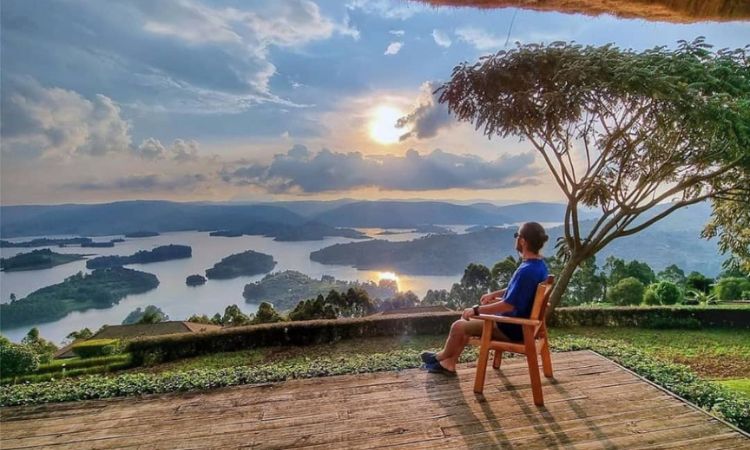
After days of trekking, game drives, and adventure sports, Lake Bunyonyi offers a genuinely restful counterpoint. Tucked into the hills of southwestern Uganda near Kabale, this crater lake is famously bilharzia-free and safe for swimming, ringed by terraced hillsides and small islands, several of which host lodges and campsites. Canoeing across the calm water, watching the sunset over the surrounding hills, or simply spending a day doing nothing after a Bwindi gorilla trek makes Lake Bunyonyi one of the most popular — and well-earned — stops on a Uganda itinerary.
9. Cultural Encounters and Community Visits
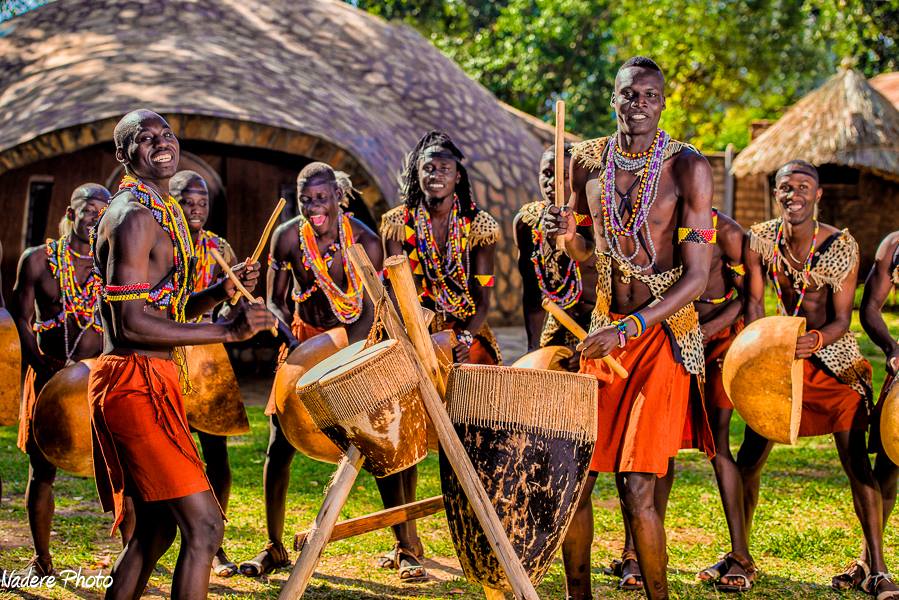
Uganda’s cultural diversity is as rich as its wildlife, and community visits are increasingly built into itineraries rather than treated as an afterthought. Near Bwindi, visits to Batwa communities — the forest’s original inhabitants, relocated when the park was gazetted — offer insight into traditional forest life, storytelling, and music. Elsewhere, visits to the Buganda Kingdom’s palace and tombs near Kampala, craft workshops, and local village walks near Jinja or Fort Portal give travellers a fuller picture of the country beyond its parks. Many operators now build in a conservation or community element — from tree-planting to local school visits — as part of a more responsible approach to Uganda tourism.
10. Exploring Kampala and Entebbe
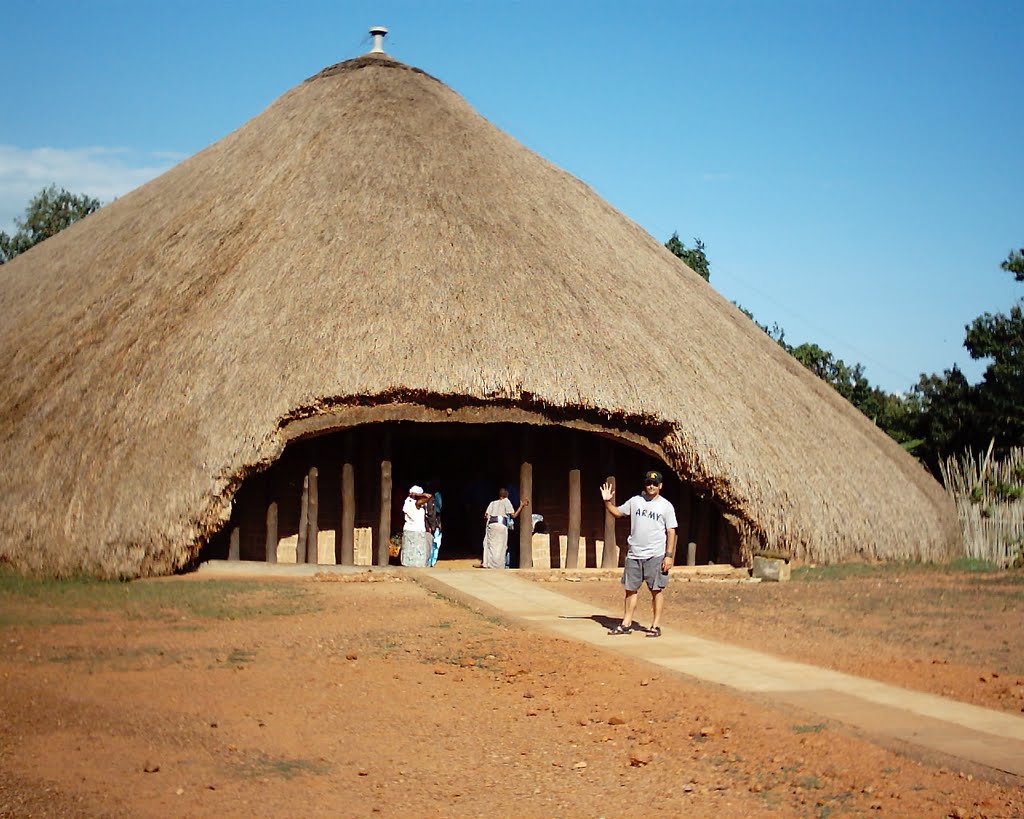
Most Uganda safari itineraries begin or end in Kampala and Entebbe, and both are worth more than a passing glance. Kampala’s markets, the Uganda Museum, the Bahá’í House of Worship, and Kasubi Tombs offer a window into the country’s history and daily life, while Entebbe’s Botanical Gardens along Lake Victoria and the nearby Ngamba Island Chimpanzee Sanctuary make for an easy, low-effort activity before or after a flight. For travellers with a spare day at either end of a trip, these city stops add meaningful context to the wilder experiences ahead.
How to Combine These Activities Into One Trip
One of the best things about Uganda is how naturally these activities combine without feeling repetitive. A common two-week circuit might run: Murchison Falls for game drives and a boat cruise to the falls, Kibale for chimpanzee tracking, Queen Elizabeth for game drives and a Kazinga Channel cruise, Bwindi for gorilla trekking, and a few final days in Jinja for rafting and adventure sports — with Lake Bunyonyi or Lake Mburo worked in as a rest stop along the way. Shorter trips of 4–7 days typically focus on just two or three of these categories, most often gorilla trekking paired with one other park or Jinja’s adventure activities.
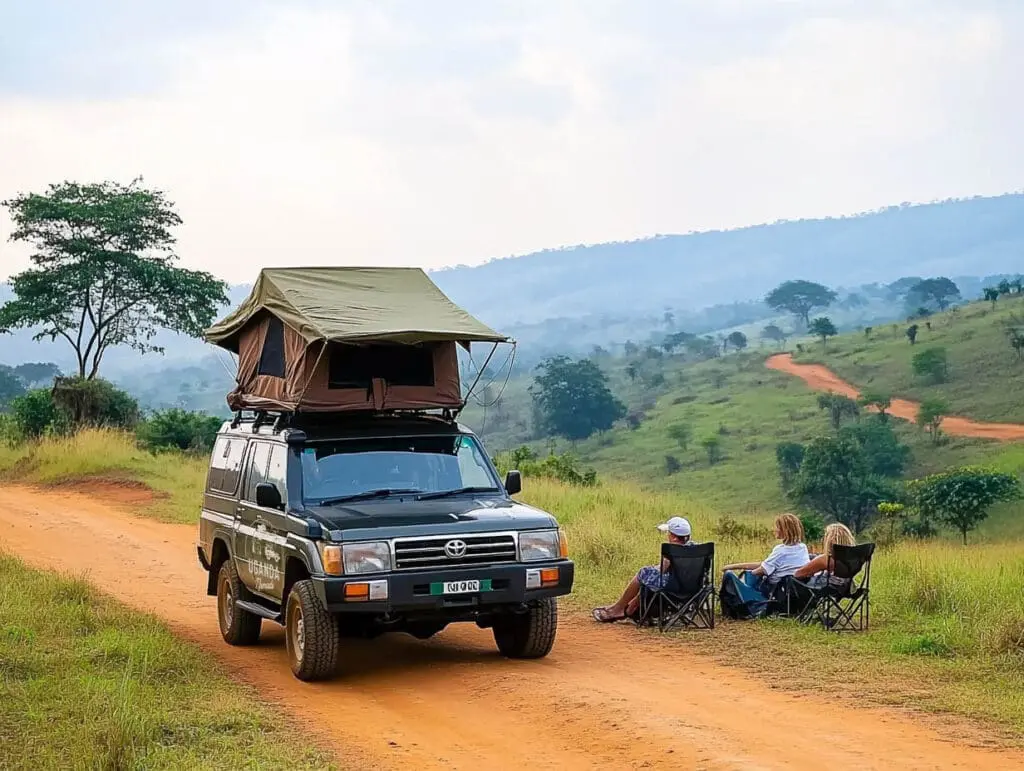
Because distances between Uganda’s major attractions are shorter than in Kenya or Tanzania, even a two-week itinerary can realistically combine gorilla trekking, chimpanzee tracking, a Big Five safari, white-water rafting, and a Nile boat cruise without the exhausting back-to-back drive days common elsewhere on the continent.
When to Go
Uganda is a genuinely year-round destination, but the dry seasons — June to August and December to February — are the easiest months for trekking and game drives, with shorter vegetation improving wildlife visibility and drier trails making gorilla and chimp treks more manageable. The wetter seasons, March to May and September to November, bring lush landscapes and excellent birdwatching, along with lower prices and thinner crowds, at the cost of muddier trails and occasional rain delays.
Getting Around
Given how spread out Uganda’s parks are, a reliable 4×4 is essential for most of the activities on this list — murram roads leading into Bwindi, Kibale, and Murchison Falls require real ground clearance, and self-drive travellers should plan for long but scenic driving days between stops. Many visitors opt for a driver-guide, both for the local knowledge of road conditions and for the added wildlife-spotting expertise that comes from years in Uganda’s parks.
#image_title
Frequently Asked Questions
How many days do I need to see the best things to do in Uganda? A focused trip covering gorilla trekking plus one other activity category — game drives or Jinja’s adventure sports — comfortably fits into 5–7 days. A fuller circuit covering primates, game drives, boat trips, and adventure sports realistically needs 10–14 days, given the driving distances between regions.
What’s the single best activity if I only have time for one? Gorilla trekking in Bwindi is the activity most travellers rank as the highlight of their entire trip, but if budget or permit availability rules that out, chimpanzee tracking in Kibale offers a similarly powerful primate encounter at a fraction of the cost.
Do I need a 4×4 for all of these activities? Not for city-based stops like Kampala and Entebbe, or for Jinja’s adventure sports, but yes for anything involving Bwindi, Kibale, Murchison Falls, Queen Elizabeth, or Kidepo — the roads leading into and through these parks require real ground clearance, especially in the wetter months.
Final Take
From mountain gorillas and chimpanzees to boat cruises, adventure sports, and the open plains of Queen Elizabeth and Murchison Falls, the list of things to do in Uganda is long enough to fill a two-week trip without ever feeling repetitive — and varied enough that no two Uganda itineraries look quite the same. Whether you’re drawn by primates, adrenaline, birdlife, or simply the chance to unwind on a crater lake between adventures, Uganda delivers a version of “the Pearl of Africa” that lives up to its name.
At Rent A Driver Uganda, we help travellers plan realistic, well-paced itineraries around the things to do in Uganda that matter most to them, and match every trip with the right 4×4 and driver-guide for the parks and roads ahead.
To book any of the above activities – simply contact us now by sending an email to info@rentadriveruganda.com or call +256-700135510.