Budget Gorilla Safaris in Uganda: How to Trek for Less
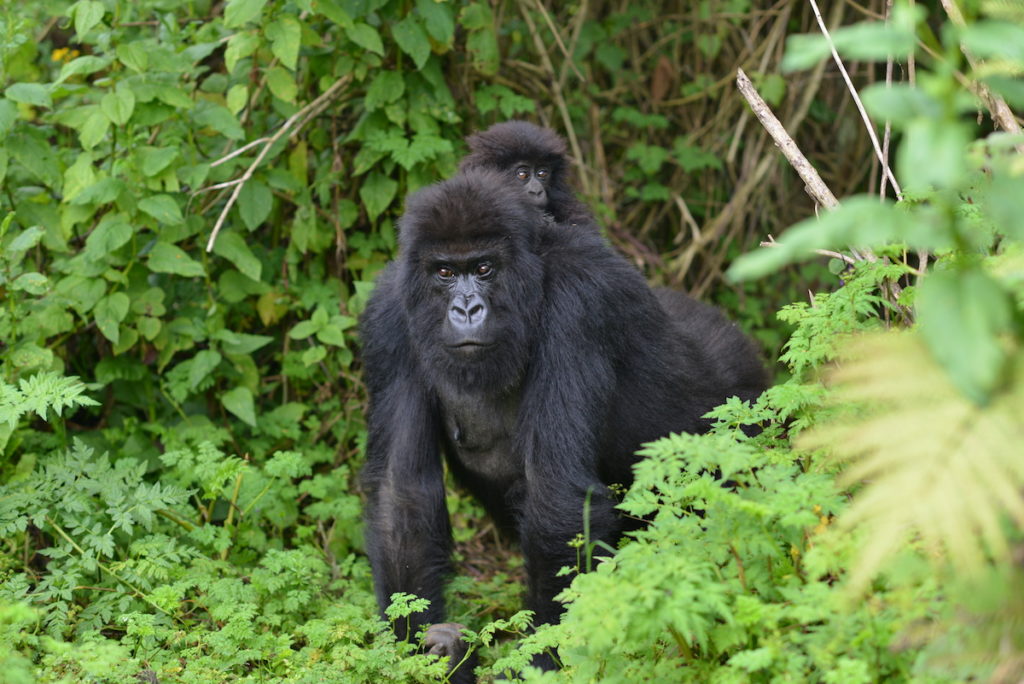
Coming face to face with a mountain gorilla is one of the world’s great wildlife experiences, and it has a reputation for being expensive. It doesn’t have to drain your savings. With smart planning, budget gorilla safaris in Uganda are very achievable, and Uganda remains one of the most affordable places on earth to see these gentle giants.
The secret is knowing which costs are fixed and which you can control. This guide breaks down where your money goes, and how to trim the trip without trimming the magic.
What Does “Budget” Really Mean on a Gorilla Safari?
A budget gorilla safari is not a lower-quality gorilla encounter. The gorillas, the forest and the one hour you spend with a gorilla family are exactly the same whether you travel on a shoestring or in luxury.
What changes is everything around the trek: how you get there, where you sleep, what you eat and how many days you spend on the road. That is where the savings are.
The One Cost You Cannot Negotiate: The Gorilla Permit
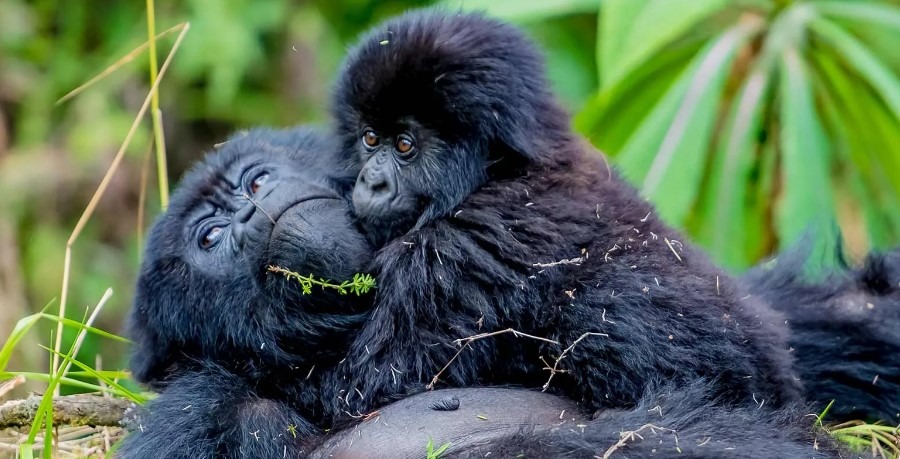
The gorilla trekking permit is the biggest single expense, and it is set by the Uganda Wildlife Authority (UWA). Safari companies cannot discount it.
- Standard permits for foreign non-residents have recently been listed at around US$700 to US$800 per person, depending on the tariff period. Always confirm the exact rate for your travel date.
- Low-season permits have been reported at a reduced rate of around US$600 for foreign non-residents. The low season generally covers April, May and November.
- Rwanda’s permit costs US$1,500, which is roughly double Uganda’s price. This is the main reason Uganda is the budget-friendly choice.
Foreign visitors are also reported to need a licensed Ugandan tour operator to book permits for them, so it pays to work with a reputable company rather than hunting for permits on your own.
Permit prices and rules are updated from time to time, so check with your operator before you budget.
7 Smart Ways to Save on Your Gorilla Safari
1. Travel in the low season
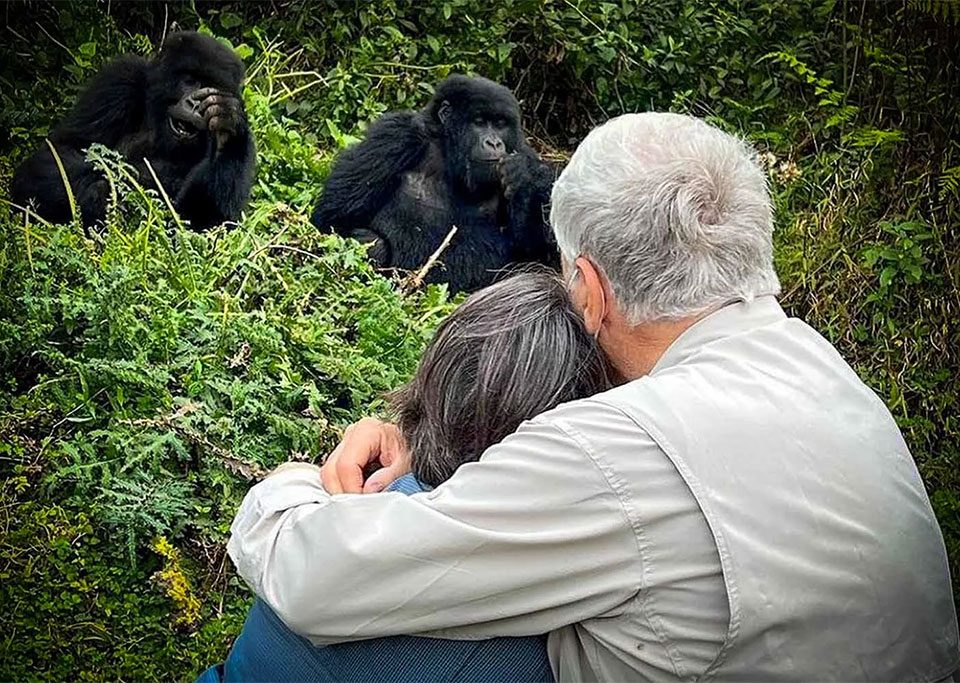
Travelling in April, May or November can reduce your permit cost noticeably, and lodges often drop their rates too. The trade-off is more rain, so the forest trails can be muddy and slippery. Pack good boots, a rain jacket and waterproof bags, and the experience is just as rewarding.
2. Share the costs
Vehicle hire, fuel and a driver-guide cost the same whether one person or four are inside. Travelling with a partner, friends or family can cut your per-person transport bill dramatically. If you are travelling solo, ask whether you can join a shared departure.
3. Choose the right vehicle
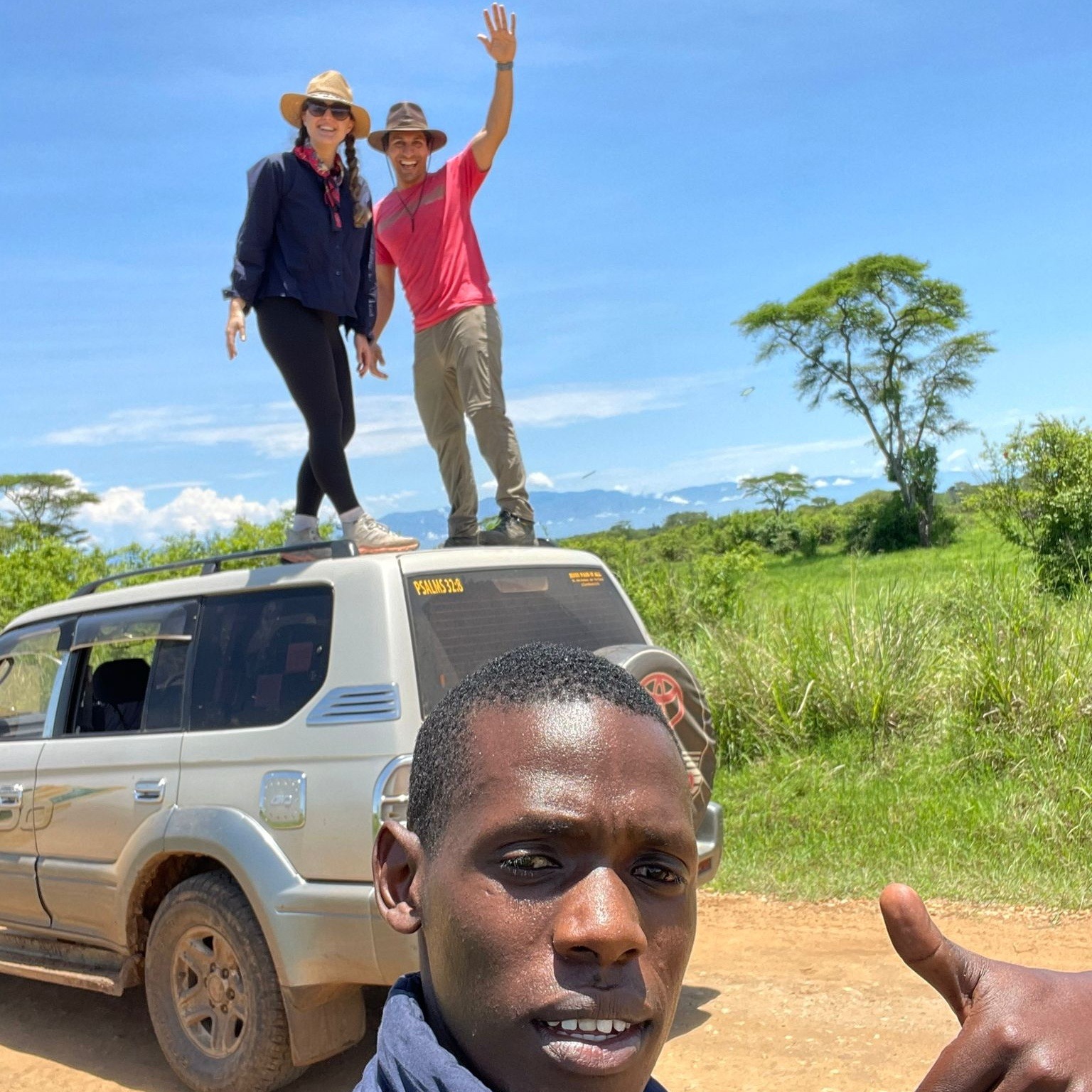
You do not need the most luxurious vehicle on the lot. A reliable 4×4, such as a Toyota RAV4 or Land Cruiser Prado, will handle the hilly, sometimes rough roads near Bwindi comfortably. Larger groups can split the cost of a safari van.
4. Pick budget-friendly accommodation
The region around Bwindi offers everything from high-end lodges to simple guesthouses and campsites. Mid-range and budget lodges give you a clean bed, hot meals and a warm welcome at a fraction of the price. Lodges in sectors like Rushaga, Ruhija and Nkuringo vary widely in price, so compare your options.
5. Keep the itinerary tight
Every extra day adds accommodation, meals, fuel and driver costs. A well-planned itinerary that gets you from Kampala to Bwindi, through the trek, and back, can cut days from the trip. Just don’t rush so much that you arrive exhausted before the trek.
6. Drive instead of flying
Domestic flights to the southwest are faster but cost more. Driving from Kampala to Bwindi typically takes a full day, often 8 to 10 hours depending on the route and traffic, but it saves money and gives you a close look at the countryside, with stops at the equator, Lake Mburo or the terraced hills of Kabale.
7. Eat local and pack smart
Local restaurants serve hearty, inexpensive meals. Bring snacks, water and energy bars from Kampala or Mbarara, where prices are lower than at remote lodges.
Where Does the Money Go? A Quick Budget Checklist
| Cost | Can you save? | How |
|---|---|---|
| Gorilla permit | Partly | Travel in the low season |
| Transport and driver | Yes | Share the vehicle, choose a suitable 4×4 |
| Accommodation | Yes | Choose budget or mid-range lodges |
| Meals | Yes | Eat local, bring snacks |
| Porters and tips | Not really | Hire a porter, it supports the community |
| Extra activities | Yes | Skip optional add-ons |
Choosing Between Bwindi and Mgahinga
Most travellers trek in Bwindi Impenetrable National Park, which has the largest number of habituated gorilla families and several sectors: Buhoma, Ruhija, Rushaga and Nkuringo. Mgahinga Gorilla National Park, near the Rwandan and Congolese borders, is smaller and quieter, with fewer gorilla groups.
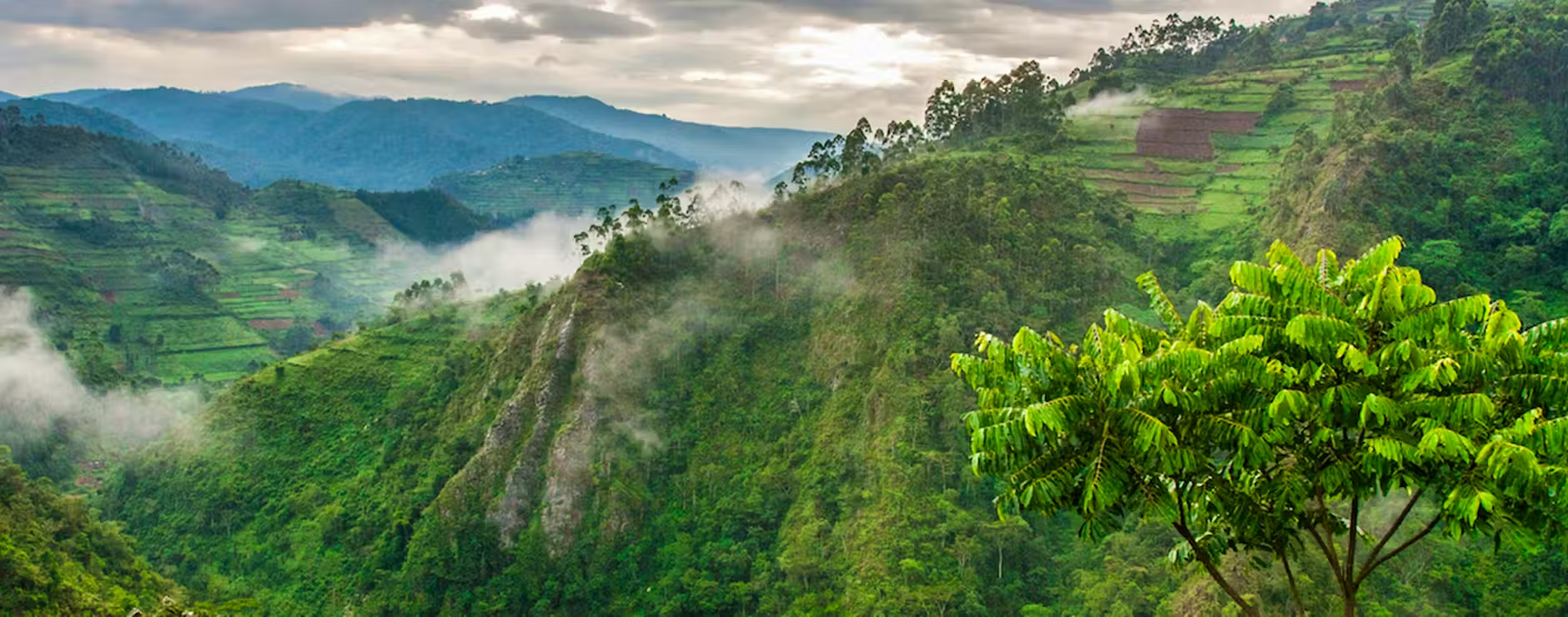
#rushaga-bwindi
Permit prices are generally the same, so choose based on availability, your route and the lodges that fit your budget.
Should You Drive Yourself or Hire a Driver-Guide?
Self-drive can look cheaper on paper, but remember that the road to Bwindi is long, hilly and in places narrow and unpaved. A professional driver-guide knows the roads, handles breakdowns, finds the best food stops and can share local knowledge along the way. Many travellers find that the cost of a driver is worth the safety, comfort and stress saved, especially when it is divided among the group.
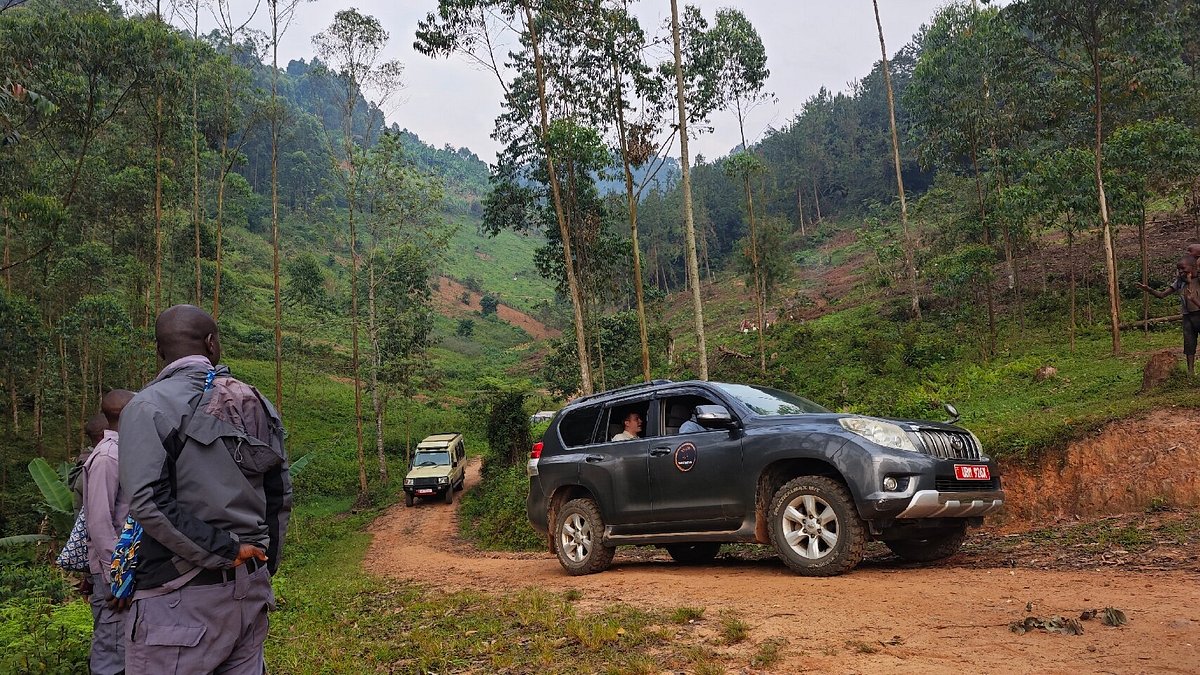
If you prefer self-drive and are an experienced driver, choose a sturdy 4×4 and plan to arrive before dark.
What to Know Before Your Trek
- Fitness: Treks can last from about two to seven hours and can be steep and muddy. Moderate fitness helps.
- Age: Children must usually be at least 15 years old to trek.
- Health: If you have a cold, flu or any contagious illness, you may be refused. Gorillas are vulnerable to human diseases.
- Group size: Gorilla groups are visited by small groups, with a limited number of permits per family per day, so book early.
- What to pack: Sturdy hiking boots, long sleeves and trousers, gardening gloves, a rain jacket, a hat, insect repellent and a daypack.
- Porters: Hiring a porter is inexpensive, helps the local community and makes the climb easier.
Frequently Asked Questions
Can you really do a gorilla safari on a budget in Uganda?
Yes. While the permit is fixed, you can reduce costs through travel dates, shared transport, modest accommodation and a shorter itinerary.
What is the cheapest time to trek gorillas in Uganda?
The low season, generally April, May and November, usually offers lower permit rates and cheaper lodging.
How many days do I need?
A tight trip from Kampala can be done in three days, though four or five days give you a more relaxed pace and time for other sights.
Is Uganda cheaper than Rwanda for gorilla trekking?
Generally yes. Rwanda’s permit is US$1,500, while Uganda’s is substantially lower.
Do I need a 4×4?
It is strongly recommended. Roads near Bwindi can be steep and slippery, particularly in the rainy season.
Plan Your Budget Gorilla Safari with Uganda Car Rental Services
At Rent A Driver Uganda, we help travellers get to the gorillas without overspending. We offer reliable 4×4 vehicles, experienced driver-guides and flexible self-drive or chauffeured options, and we can help you plan a route and schedule that suits your wallet and your calendar.
Tell us your dates, group size and budget, and we will put together a trip that makes the most of every shilling and every moment in the forest.
Ready to start planning? Contact us today for a tailored quote on your budget gorilla safari in Uganda by emailing to info@rentadriveruganda.com or calling +256-700135510.