Driver-Guided Safari From Entebbe: Full Uganda Travel Guide
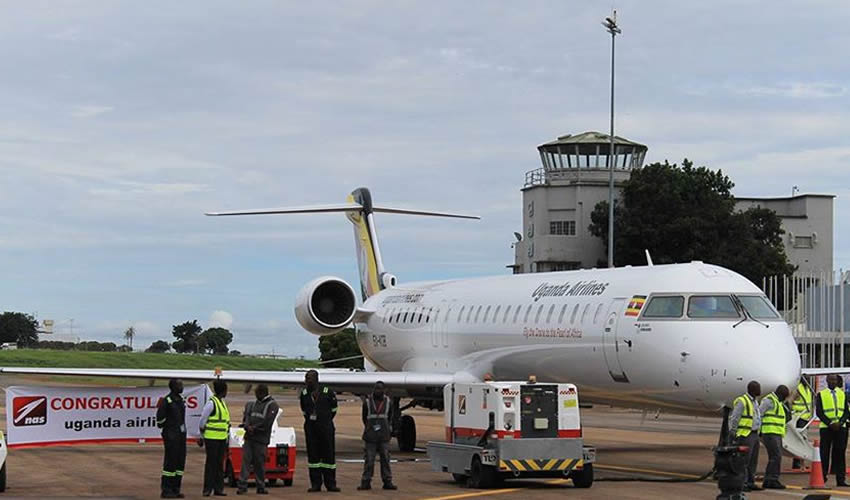
Entebbe International Airport is the starting point for almost every Uganda safari adventure, and for the majority of first-time visitors, a driver-guided trip is the simplest way to turn that arrival into a working itinerary. Rather than navigating unfamiliar roads, sorting fuel and park logistics, and driving after a long-haul flight, a driver-guide meets you at arrivals and takes over everything from that point on — the route, the pace, the wildlife spotting, and the coordination with park rangers and lodges along the way. This guide walks through how a driver-guided safari from Entebbe actually works, what the drive times to each major park look like, and how to think about which route fits your trip.
What a Driver-Guide Actually Does
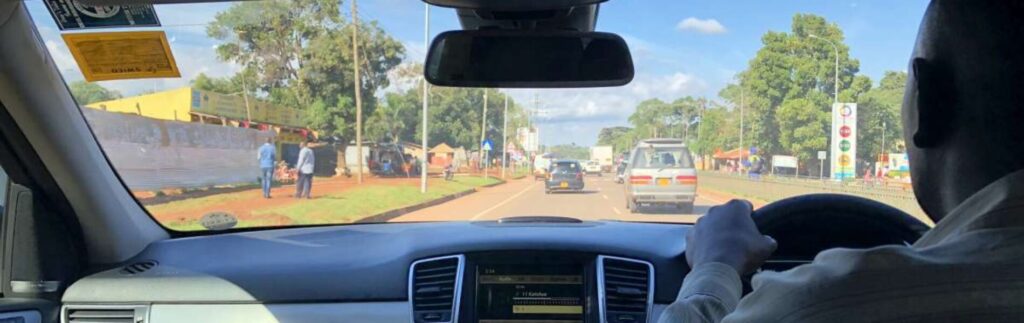
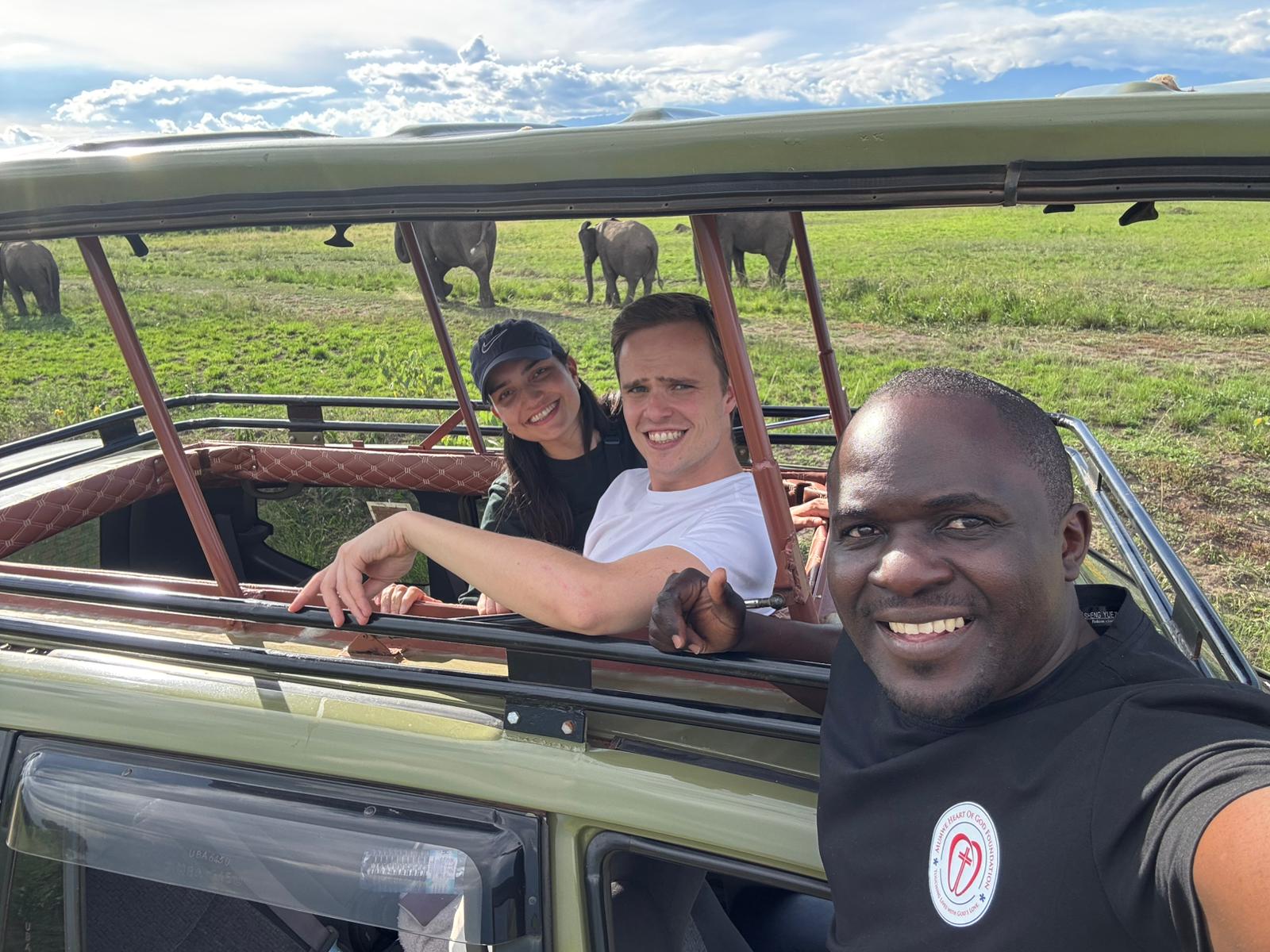
A driver-guide is a hybrid role — part chauffeur, part naturalist, part fixer — and the value goes well beyond simply not having to drive yourself. A good one will:
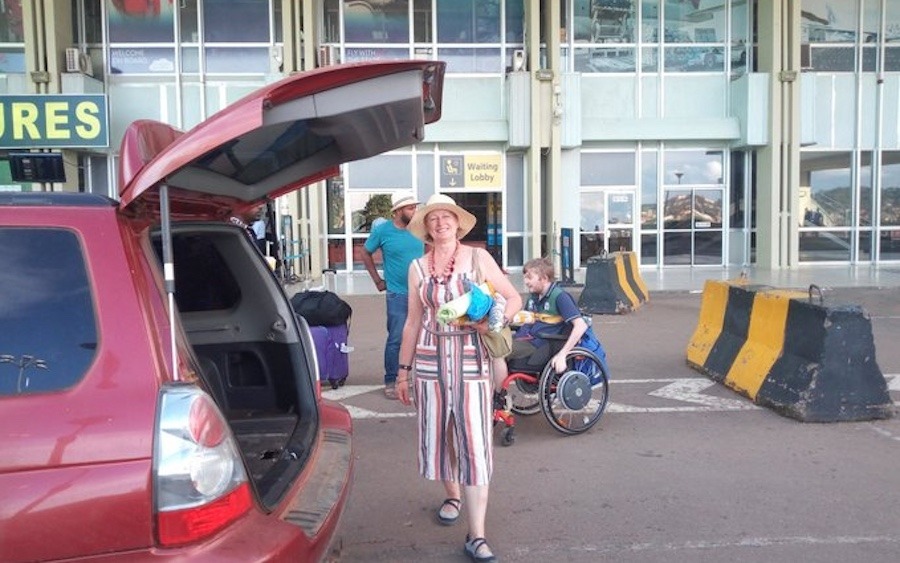
- Meet you at Entebbe International Airport arrivals, usually holding a sign with your name, and handle the transfer to your first stop or hotel.
- Time departures and game drives around wildlife activity windows — typically early morning and late afternoon — rather than a fixed tourist schedule.
- Coordinate directly with park rangers for briefings, permit verification, and gorilla or chimpanzee trekking logistics.
- Identify wildlife and birds along the way that most visitors would drive straight past.
- Handle fuel stops, checkpoints, and the unpaved detours that come up on longer routes without it becoming your problem.
- Add cultural and historical context — local history, community life, conservation work — that turns a wildlife-focused trip into a fuller picture of the country.
Because park permits, entry fees, and route logistics are now tightly bound to licensed operators, the choice of company matters as much as the itinerary. Worth confirming before booking: a direct, verified relationship with the Uganda Wildlife Authority for permit processing, and transparent, itemized pricing that separates permits, park fees, accommodation, and guide fees rather than bundling everything into one opaque number.
Getting Started: Entebbe Airport Pickup
Entebbe sits on the shores of Lake Victoria and is Uganda’s main international gateway, so the airport pickup is where nearly every itinerary begins. WiFi is available in the arrivals terminal if you need to confirm pickup details on landing, and mobile network coverage is generally reliable in and around the airport and major towns, though it thins out in more remote park areas like Bwindi. Pre-arranged pickup through your safari operator is the standard, most reliable option — you’ll be met at arrivals rather than negotiating a taxi rank.
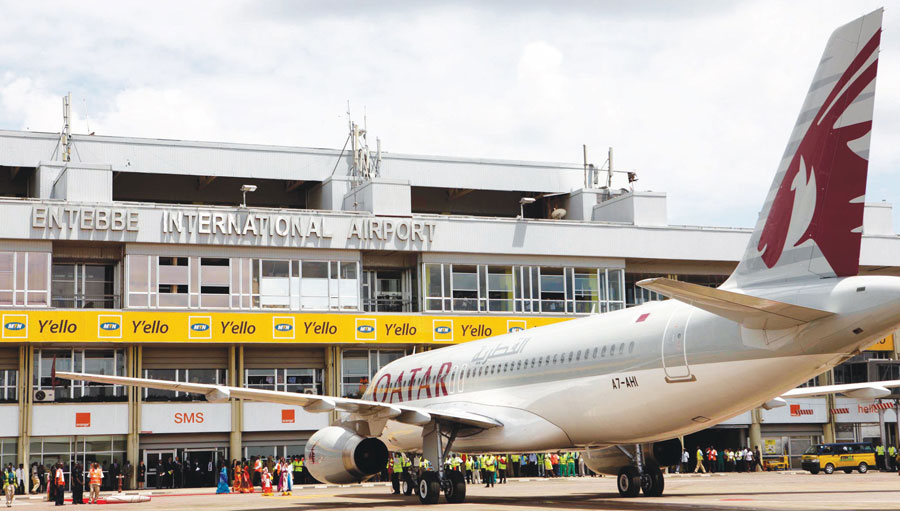
From here, the drive to your first park depends heavily on which one it is. Uganda’s parks are spread widely across the country, and the single biggest planning variable on any driver-guided safari from Entebbe is simply how far your first stop is.
Drive Times From Entebbe to Uganda’s Major Parks
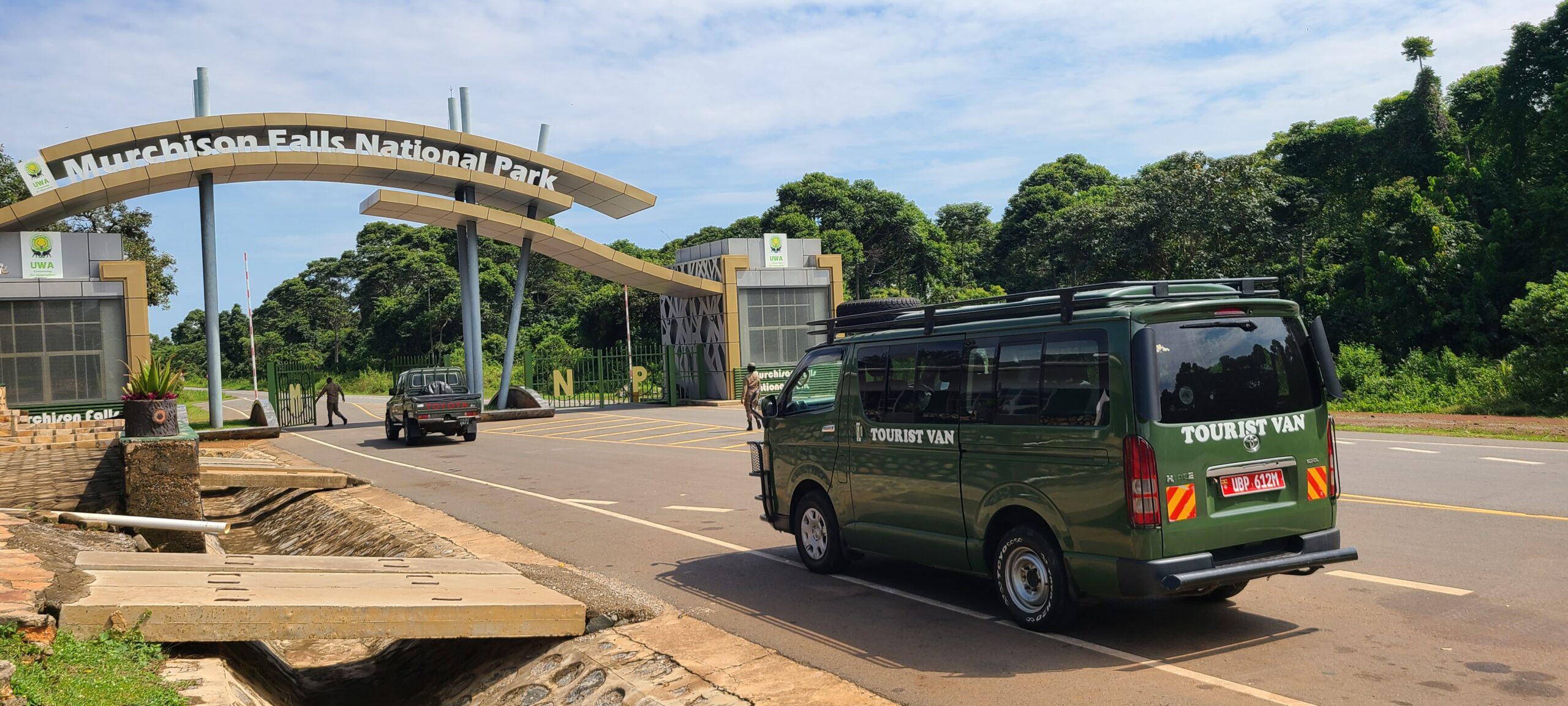
Murchison Falls National Park — roughly 300–340 km, about 5 to 7 hours of driving. The route runs north through Kampala and onto the Kampala–Masindi highway via Luweero, Nakasongola, and Masindi town, entering through the Kichumbanyobo or Tangi gates. Roads on this route are fairly good year-round, and many itineraries build in a stop at Ziwa Rhino Sanctuary along the way — the only place in Uganda to track white rhinos on foot — which turns the transfer day into an activity in its own right rather than pure transit.
Queen Elizabeth National Park — around 6 to 8 hours from Entebbe via Mbarara, or a similar duration via Fort Portal if you’re combining the trip with Kibale. Most driver-guided itineraries treat this as a single long driving day, sometimes broken with a stop at Lake Mburo National Park roughly two-thirds of the way.
Kibale Forest National Park — reached via the Fort Portal route, generally 5 to 7 hours from Entebbe, and easily combined with Queen Elizabeth Park on the same westward leg.
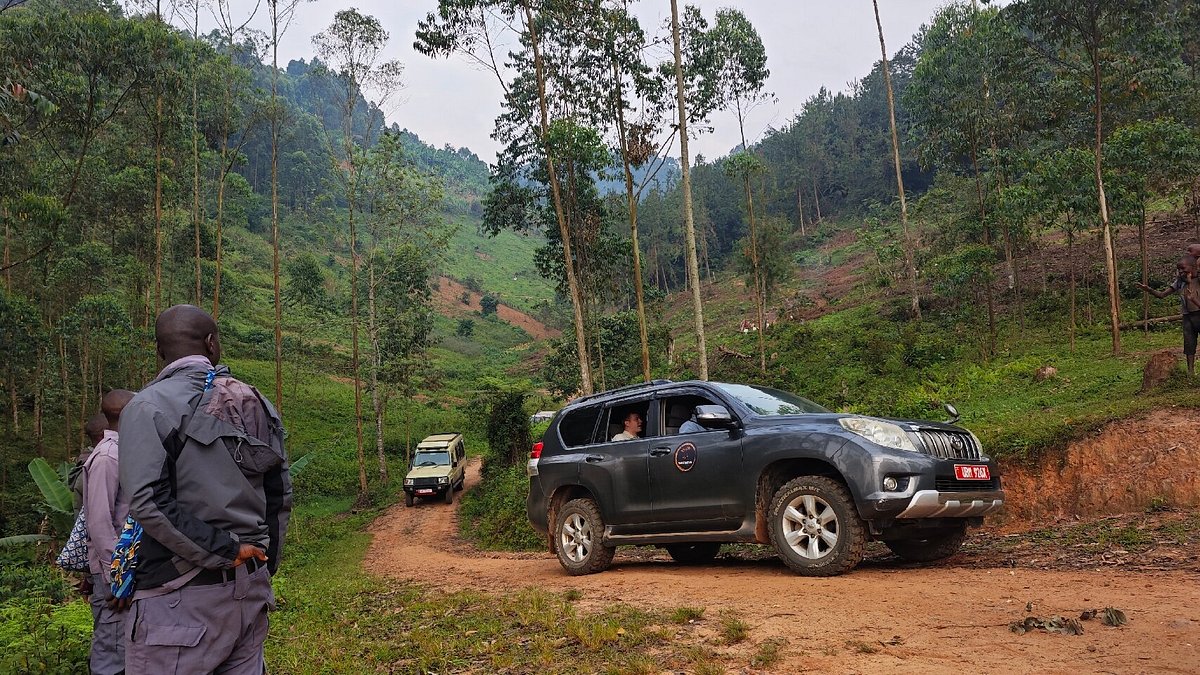
Bwindi Impenetrable National Park — the longest of the standard road routes: 8 to 10 hours across roughly 480–540 km, depending on which sector (Buhoma, Ruhija, Rushaga, or Nkuringo) you’re headed to. Almost nobody drives this in one push. The three common strategies are: break the journey with an overnight at Lake Mburo, which turns a long transit day into two more comfortable ones with a game drive in between; fly into an airstrip near Bwindi to skip the drive entirely; or combine Queen Elizabeth and Bwindi on the same road trip, since the drive between them via the Ishasha sector — home of the park’s tree-climbing lions — takes only 5 to 6 hours and effectively turns a transfer into a game drive.
Kidepo Valley National Park — Uganda’s most remote major park, roughly 500 km and around 10 hours of driving from Entebbe in the country’s northeastern corner. Because of the distance, most driver-guided itineraries to Kidepo use a short domestic flight from Entebbe rather than the full road transfer, especially for travellers with limited time.
For context, a driver-guide will typically be more comfortable and better prepared for the longer legs — Bwindi and Kidepo in particular — than a first-time self-driver would be, since these routes involve more unpaved sections, mountain driving, and, in Kidepo’s case, genuine remoteness between fuel stops.
Structuring a Multi-Park Route
Because Uganda’s parks sit in different directions from Entebbe, driver-guided itineraries generally follow one of a few efficient shapes rather than backtracking to the airport between each stop:
- Northern loop: Entebbe → Murchison Falls → back to Entebbe or on to Kampala. A strong choice for shorter trips (4–6 days) or as a standalone Big Five and river-cruise itinerary.
- Western circuit: Entebbe → Queen Elizabeth → Kibale (or the reverse), using the Fort Portal route, with the option to also swing through Semuliki National Park along the same corridor.
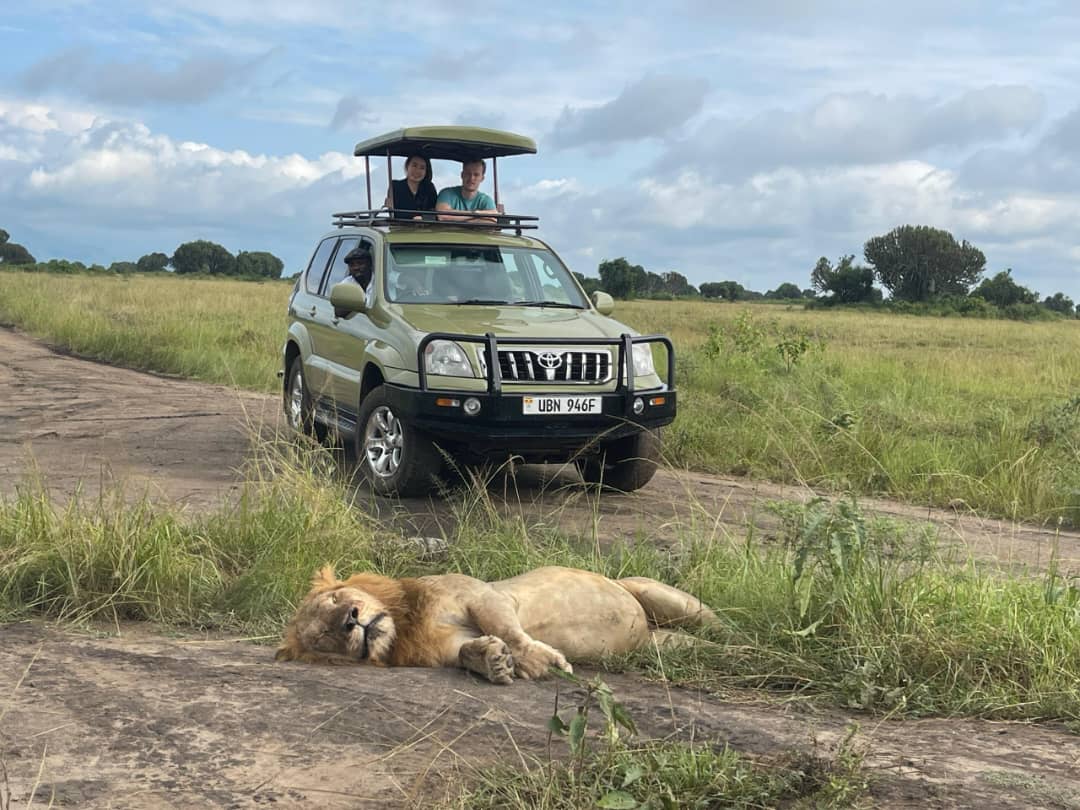
- Southwestern extension: Queen Elizabeth → Ishasha → Bwindi, which turns the connecting drive into a wildlife-viewing leg rather than dead time, ending in gorilla trekking territory.
- Full circuit: Entebbe out via Mbarara to Queen Elizabeth and Bwindi, looping back via Fort Portal and Kibale — a common structure for 10–14 day itineraries that avoid retracing the same road twice.
- Kidepo add-on: Best handled as a separate flight-based leg rather than folded into a road itinerary, given the distance involved.
A driver-guide will typically help shape this loop around your available time rather than a fixed template — the right structure depends heavily on whether gorilla trekking, chimp tracking, or classic savanna game drives are the priority, and how many travel days you’re willing to spend on the road versus in the parks themselves.
What to Expect Cost-Wise
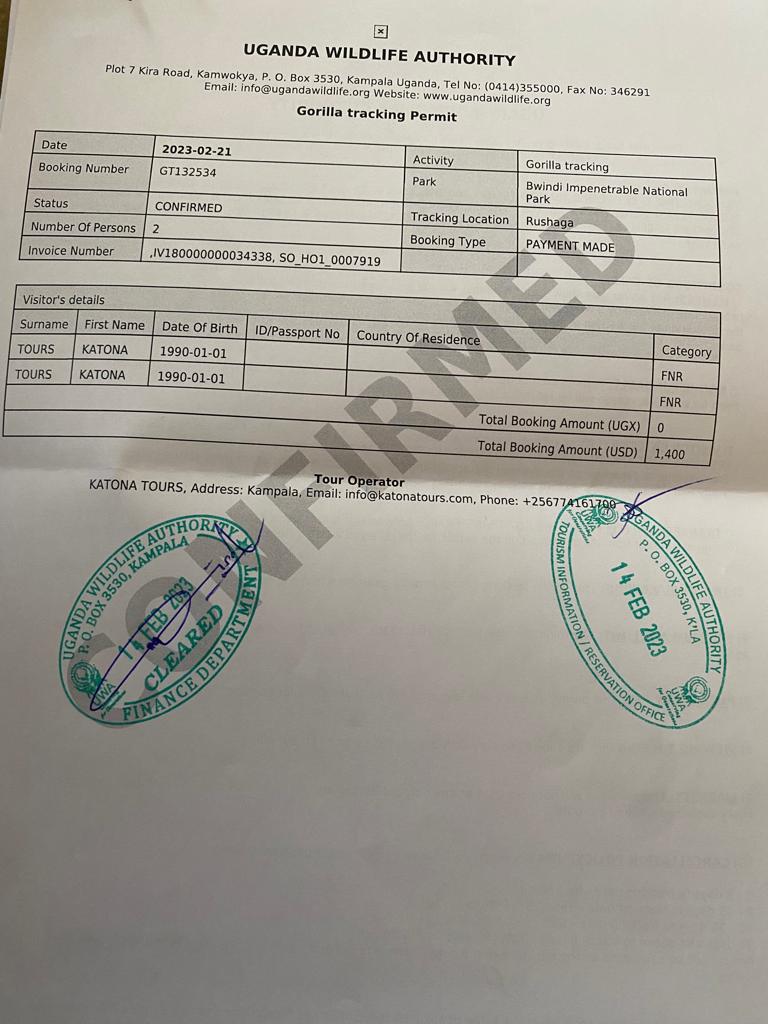
Driver-guided safaris are generally quoted as an all-in package — vehicle, fuel, driver-guide fees, and sometimes park fees and accommodation bundled together — rather than priced piece by piece the way a self-drive rental is. Reputable operators will still itemize what’s included: park entry fees, activity permits (gorilla trekking permits run into four figures per person and must be booked well in advance through the Uganda Wildlife Authority), accommodation, and the driver-guide’s daily rate are all worth seeing broken out separately before booking, so you know exactly what you’re paying for and can compare quotes meaningfully between operators.
Why Choose Driver-Guided Over Self-Drive
Self-driving is entirely viable in Uganda, particularly around Queen Elizabeth National Park where roads are well developed. But driver-guided safaris solve a few problems self-drive doesn’t:
- The longest routes are genuinely demanding. Eight to ten hours to Bwindi, much of it on progressively rougher roads, is a lot to ask of a traveller navigating unfamiliar terrain on limited sleep after a long-haul flight.
- Wildlife spotting is a skill. A trained guide will pick out game and birds that most visitors would drive straight past, which matters most in dense terrain like Ishasha’s fig trees or Kibale’s forest canopy.
- Permit and ranger coordination is smoother when handled by an operator with an established relationship with the Uganda Wildlife Authority, particularly for time-sensitive activities like gorilla trekking briefings.
- It removes the logistics layer entirely — fuel, checkpoints, route-finding, and vehicle troubleshooting all become the guide’s problem rather than yours, which matters most on trips with tight day-to-day schedules.
Quick Planning Checklist
- Confirm airport pickup details (flight number, arrival time) with your operator in advance
- Decide which parks fit your available days — Murchison Falls and the western circuit (Queen Elizabeth/Kibale) are the most time-efficient from Entebbe; Bwindi and Kidepo need the most additional time or a flight leg
- Ask for an itemized quote separating guide fees, vehicle costs, park fees, permits, and accommodation
- Book gorilla or chimpanzee trekking permits well in advance through a UWA-affiliated operator
- Build in a stopover (Lake Mburo, Ziwa Rhino Sanctuary) on the longer legs rather than treating transfer days as pure driving
- Confirm what vehicle type is provided — a high-clearance 4×4 is standard and necessary for park interior roads regardless of how good the highways are
A driver-guided safari from Entebbe turns Uganda’s genuinely large distances into a manageable itinerary rather than a logistics project. The trade-off versus self-drive is cost, not experience — and for most first-time visitors, particularly those heading to Bwindi or combining multiple parks in one trip, having someone else handle the road, the permits, and the wildlife spotting is what makes the difference between a good safari and a great one.
Planning a Uganda safari that starts from Entebbe International Airport and require a 4×4 plus driver-guide- simply contact us now by sending an email info@rentadriveruganda.com or call us on +256-700135510.