A 2026 Checklist For Traveling With A Drone To Uganda
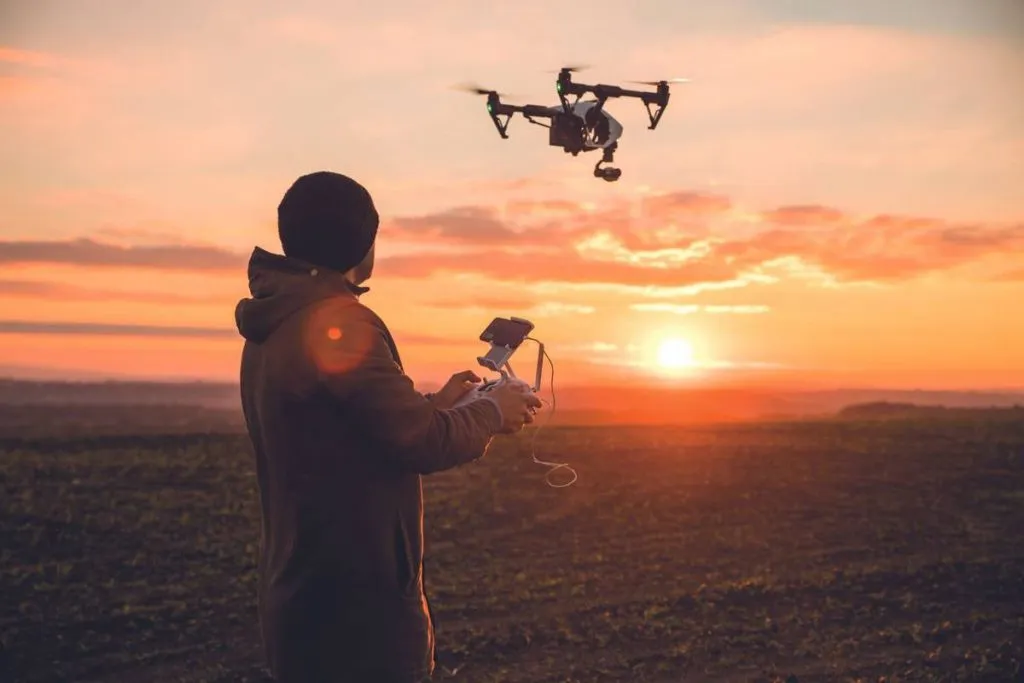
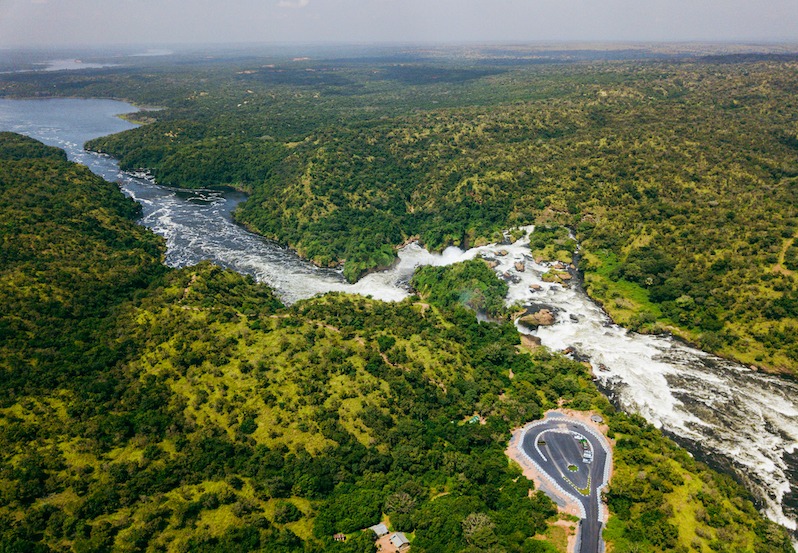
Uganda’s dramatic landscapes—from the misty Bwindi Impenetrable Forest to the thundering Murchison Falls—present spectacular opportunities for aerial photography. However, if you’re planning to capture these breathtaking vistas with a drone, understanding Uganda’s strict regulations is not optional; it’s essential. Here’s everything photographers need to know before packing that Unmanned aerial vehicle or drone in their luggage when traveling to Uganda.
The Hard Truth: Start Planning 3-6 Months Early
The most important thing to understand about bringing a drone to Uganda is the timeline. This isn’t a process you can complete a week before your flight. Applications for drone importation and operation require approval from multiple government agencies and can take between three to six months to process. If you’re already booking your safari for next month, you’re likely too late.
What Happens If You Arrive Unprepared
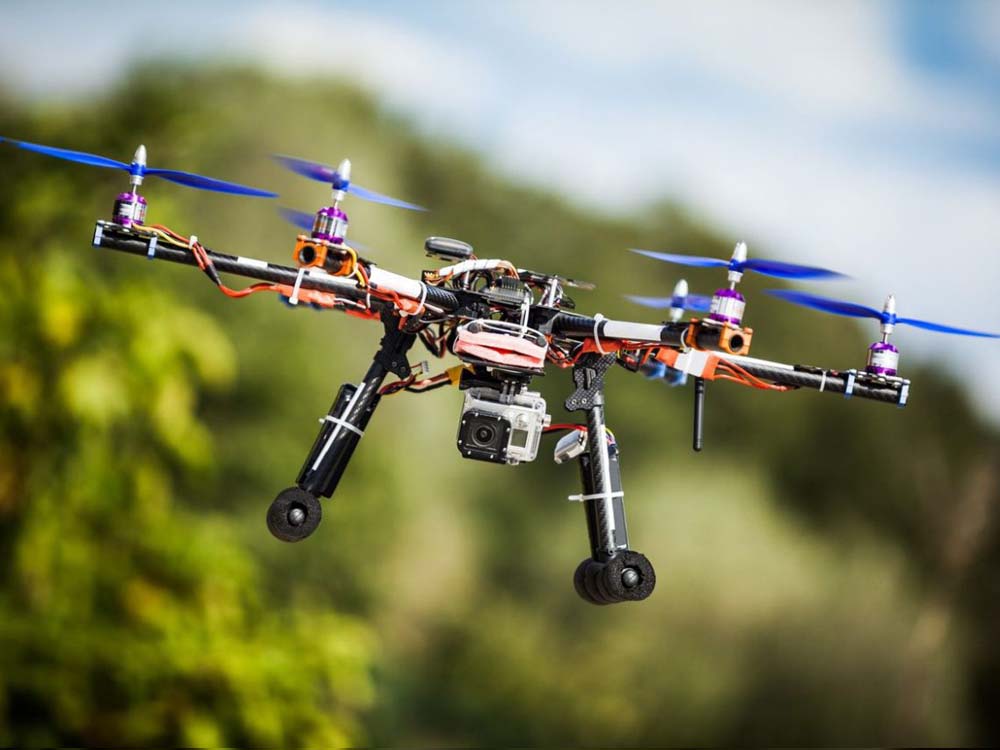
Every day, several drones are confiscated at Entebbe International Airport. According to Uganda Revenue Authority statistics, hundreds of drones sit in customs custody at any given time, with only a small fraction ever cleared for use. When your baggage passes through the scanner and security detects a drone, aviation police will escort you to customs. Your drone will be confiscated immediately, and you’ll receive a deposit notice explaining the clearance procedure.
Without prior authorization, you have two options: abandon the drone and allow it to be destroyed or auctioned after two months, or arrange for it to be held until your departure and re-exported. The customs warehouse at the arrivals zone is reportedly full of confiscated drones of all sizes—a testament to how many travelers arrive unprepared.
The Multi-Agency Approval Process
Successfully bringing a drone to Uganda requires navigating a complex bureaucratic pathway involving several government entities:
Step 1: Identify Your Relevant Ministry (Month 1)
Your first task is determining which ministry oversees your intended drone use. If you’re filming tourism content, you’ll need to contact the Ministry of Tourism and Wildlife. For other purposes, different ministries apply. You must submit a formal letter on company letterhead explaining your purpose, project details, and where you’ll be filming.
Step 2: Secure Defense Forces Clearance (Months 1-3)
Once the relevant ministry receives your request, they forward it to the Ministry of Defense. A Security Tripartite Committee on Drones Acquisition and Usage—comprising the Chief of defense Forces, Special Forces Command, and Civil Aviation Authority—evaluates whether you pose a security threat. This committee assessment can take several months.
If approved, you’ll receive a “letter of no objection” from the Chief of defense Forces. This document is crucial—without it, the process stops here.
Step 3: Apply for Import Permission (Months 2-4)
With your defense clearance in hand, you must formally apply to import the drone through Uganda Revenue Authority customs. You’ll need to provide:
- The drone’s specifications (model, manufacturer, serial number)
- Mounted equipment details
- Value and price documentation
- High-quality photographs of the drone
- Purpose statement and project description
- Geographic location where you’ll fly
Step 4: Uganda Civil Aviation Authority Authorization (Months 3-6)
Once customs approves importation, you must seek operational authorization from the Uganda Civil Aviation Authority (UCAA). Write to the Director of Safety, Security, and Economic Regulation at safety@caa.co.ug with the following documentation:
- Drone operations manual
- Pilot’s training certificate and license
- Class III medical certificate from a recognized aviation medical examiner
- Detailed map of your operational area
- Third-party insurance certificate (both for the drone and liability)
- All previous clearance letters
The authorization fee is 200,000 Uganda Shillings plus 18% VAT (approximately USD 60-70), payable at the UCAA office at Entebbe International Airport.
Additional Requirements for Professional Filming
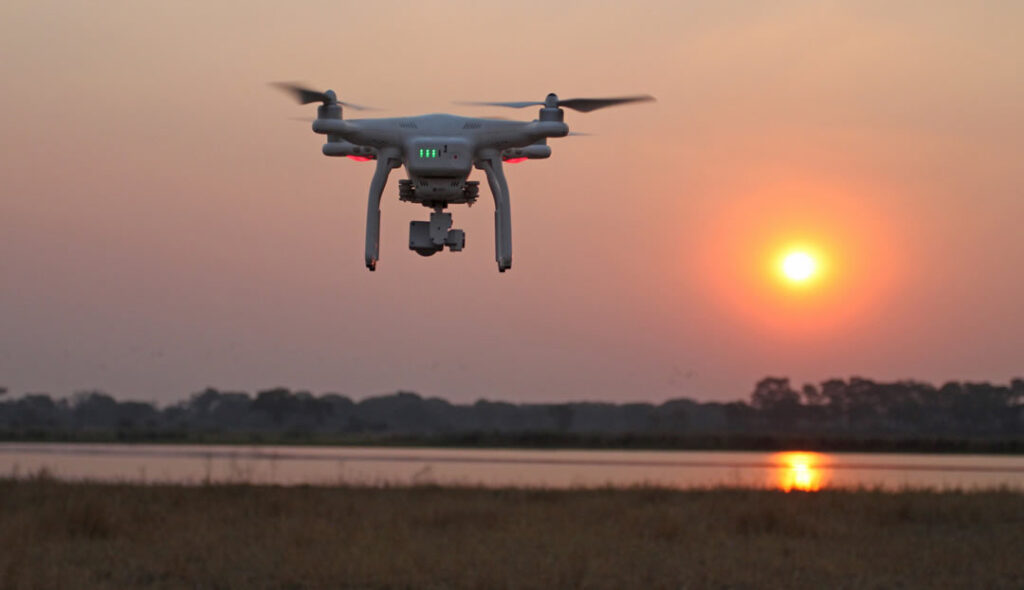
If you’re working for a media organization or production company, additional steps apply:
Media Accreditation
Every crew member must obtain a media card from the Uganda Media Council. Each card costs USD 175 for 30 days or USD 225 for 60 days and requires:
- Completed Form G
- Passport copy
- One photograph
- Letter from your production company detailing who you are, why you’re filming, where you’ll film, and crew member details
Processing takes 2-3 working days.
Filming Permits for Protected Areas
To film in national parks, you need separate permits from Uganda Wildlife Authority. For forest reserves, contact the National Forestry Authority. These permissions are in addition to your drone clearance and may involve additional fees and restrictions.
Operating Restrictions Once Approved
Even with all permits secured, Uganda enforces strict no-fly zones and operational conditions:
- Altitude limit: 120 meters (400 feet) maximum
- Distance from people: Minimum 30 meters
- Distance from aerodromes: 5.5 kilometers minimum
- Operating hours: Daytime only, in Visual Meteorological Conditions (VMC)
- Controlled airspace: Generally prohibited
- Weight restriction: Most regulations apply to drones under 25kg
Absolute No-Fly Zones
The following areas are completely off-limits:
- State House Entebbe
- State House Kampala
- Entebbe International Airport
- Presidential Ranch in Gomba
- Military installations
- All national parks (including Queen Elizabeth, Murchison Falls, Kidepo, and Bwindi)
- Crowds and heavily populated areas
- Dams and certain water bodies
The prohibition in national parks is particularly significant for safari photographers. Research indicates that drones disturb wildlife, and the noise can agitate animals. Several African countries, including South Africa and Botswana, have implemented similar bans.
The Cost Reality
Beyond your time investment, expect to spend:
- Import duty: 0% of value (currently waived)
- Value Added Tax: 18% of the drone’s value
- Withholding Tax: 6% of value (for permanent import)
- Customs fee: Approximately 250,000 Uganda Shillings
- UCAA authorization: 200,000 Uganda Shillings plus VAT
- Media cards: USD 175-225 per crew member (if applicable)
- Legal/fixer assistance: USD 500-2,000 (many photographers hire local fixers to navigate the bureaucracy)
Total costs typically range from USD 2,500 to USD 3,500 when including professional assistance.
The Pragmatic Alternative
Given the complexity, expense, and time requirements, many professional photographers make a different calculation. Several options exist:
- Hire a Ugandan operator: Work with a local drone pilot who already has all permits and registrations. This is often faster and more cost-effective for short projects.
- Skip the aerial shots: While disappointing, ground-based photography in Uganda can still be spectacular. Consider whether drone footage is truly essential to your project.
- Use existing footage: Stock footage from licensed sources may serve your needs without the hassle.
- Plan for future trips: If you plan regular work in Uganda, going through the full process once may be worthwhile for long-term access.
Final Recommendations
If you decide to bring your drone to Uganda:
- Start early: Begin the application process at least four months before travel
- Consider a fixer: Local companies specializing in filming logistics can streamline the process significantly
- Document everything: Keep copies of all correspondence, permits, and approvals
- Have backup plans: Even with perfect paperwork, be prepared for delays or complications
- Respect local customs: When flying, inform local police, council officials, and neighbors in advance
- Prioritize insurance: Comprehensive coverage protects you from liability issues
The bottom line? Bringing a drone to Uganda for photography is possible but demands serious advance planning, significant financial investment, and acceptance of substantial bureaucratic complexity. For short-term visitors and casual photographers, the barriers may outweigh the benefits. However, for professional productions with adequate time and budget, Uganda’s dramatic landscapes can yield unforgettable aerial imagery—provided you’ve done your homework and secured every necessary approval.
Note: Regulations may change. Always verify current requirements with the Uganda Civil Aviation Authority (caa.go.ug) and Uganda Revenue Authority before proceeding.
Planning a photography or filming safari in Uganda? While navigating drone permits can be complex, Rent A Driver Uganda is here to help. We’ll handle the logistics and provide you with a well-maintained 4×4 vehicle and experienced driver, so you can focus on capturing Uganda’s stunning landscapes. Contact our reservations team at info@rentadriveruganda.com or call +256-700135510.