Uganda Gorilla Chimpanzee Safari With A Driver-Guide
Uganda is one of only three countries on earth where you can trek mountain gorillas, and the only one where you can pair that with genuinely world-class chimpanzee tracking on the same trip. The two experiences sit in different corners of the country, though, which makes route planning the single biggest factor in how smooth — or how exhausting — a primate safari turns out to be. A driver-guide is what makes combining them realistic: someone who knows which Bwindi sector suits your fitness level, how to time the long drive to Kibale, and how to keep permits, park briefings, and trekking days running on schedule. This guide covers where to trek, how to route between destinations, what to budget, and how to plan the trip around a driver rather than the wheel yourself.
Where to Trek: Gorillas
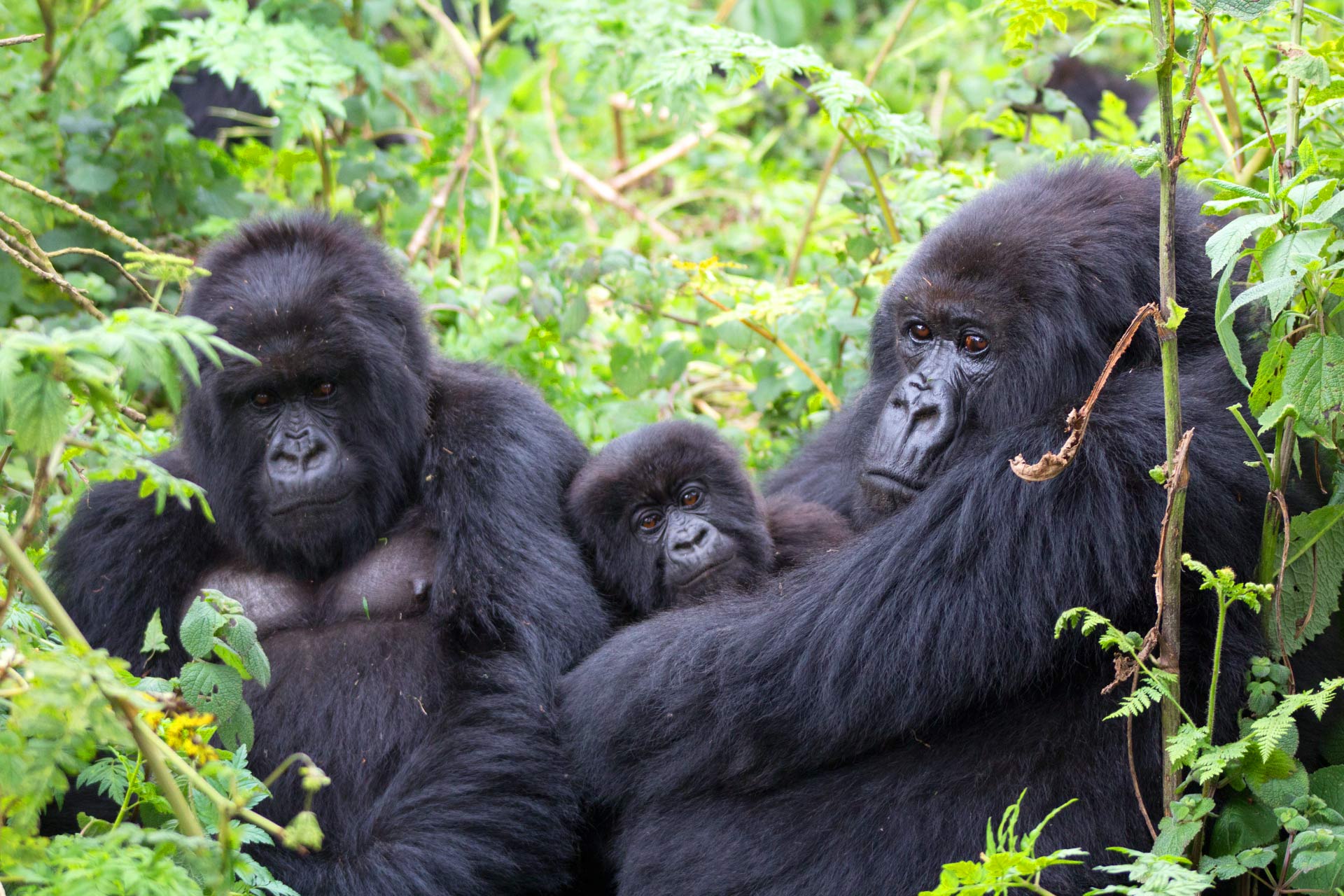
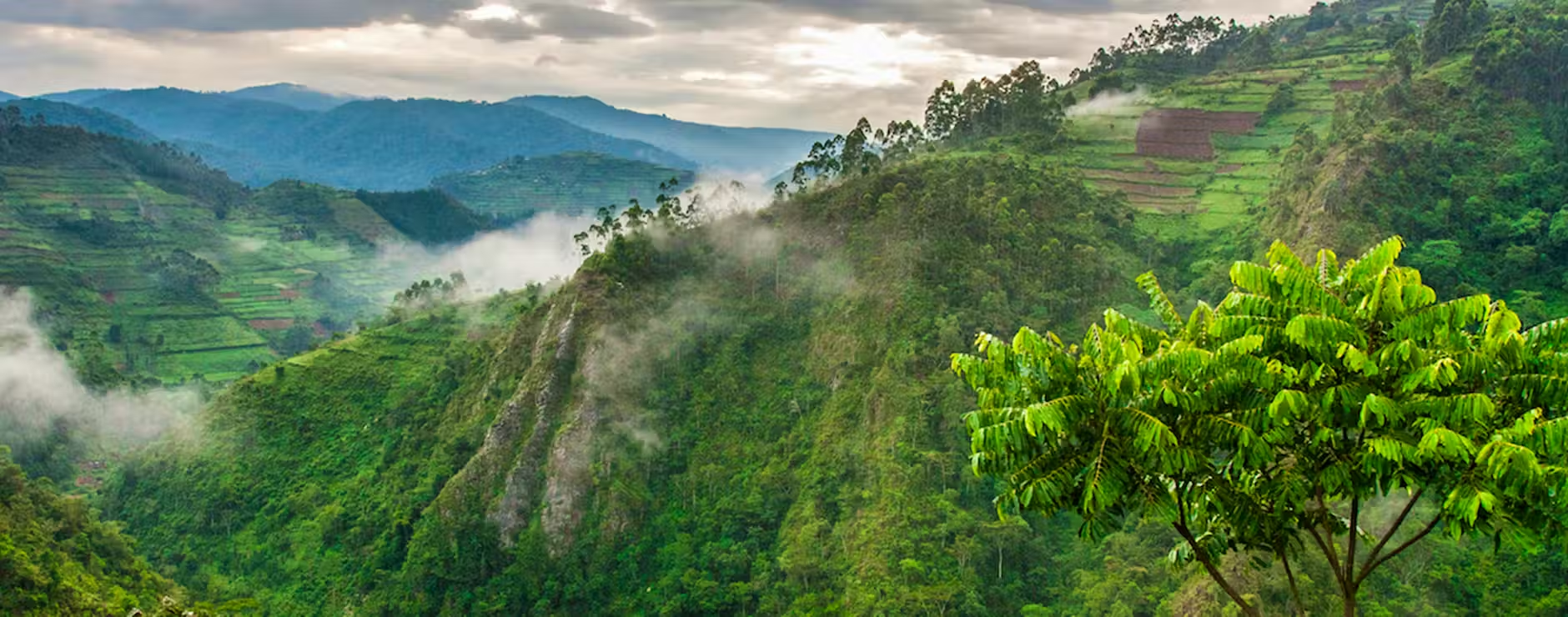
Bwindi Impenetrable National Park holds roughly half the world’s remaining mountain gorillas and is split into four trekking sectors, each with its own habituated gorilla families and its own character:
#image_title
- Buhoma — the original and most established sector, with relatively gentler trails and the widest choice of nearby lodges.
- Ruhija — higher altitude, cooler, and home to some of the largest habituated families, with moderate-to-steep terrain.
- Rushaga — the largest number of habituated families of any sector, and also the base for the full-day gorilla habituation experience.
- Nkuringo — the most physically demanding sector, with steep terrain, but correspondingly quieter and closer to Lake Bunyonyi for a post-trek stay.
Mgahinga Gorilla National Park, in the far southwest near the Rwanda and DRC borders, has a single habituated gorilla family and issues far fewer permits per day than Bwindi. Gorilla presence there is less consistent than in Bwindi, so most driver-guided itineraries default to Bwindi unless Mgahinga’s golden monkey trekking is also part of the plan.
A standard gorilla trekking permit (one hour with the gorillas, once located) runs around $800 for foreign non-residents, with East African Community citizens paying a heavily subsidized local rate. UWA has periodically offered discounted low-season permits (typically April, May, and November) at a reduced rate, though these are non-reschedulable once booked. For travelers who want more time with the gorillas, a gorilla habituation permit — a full day with rangers and researchers as a family is being habituated to human presence, available only in Rushaga — costs roughly $1,500.
Where to Trek: Chimpanzees
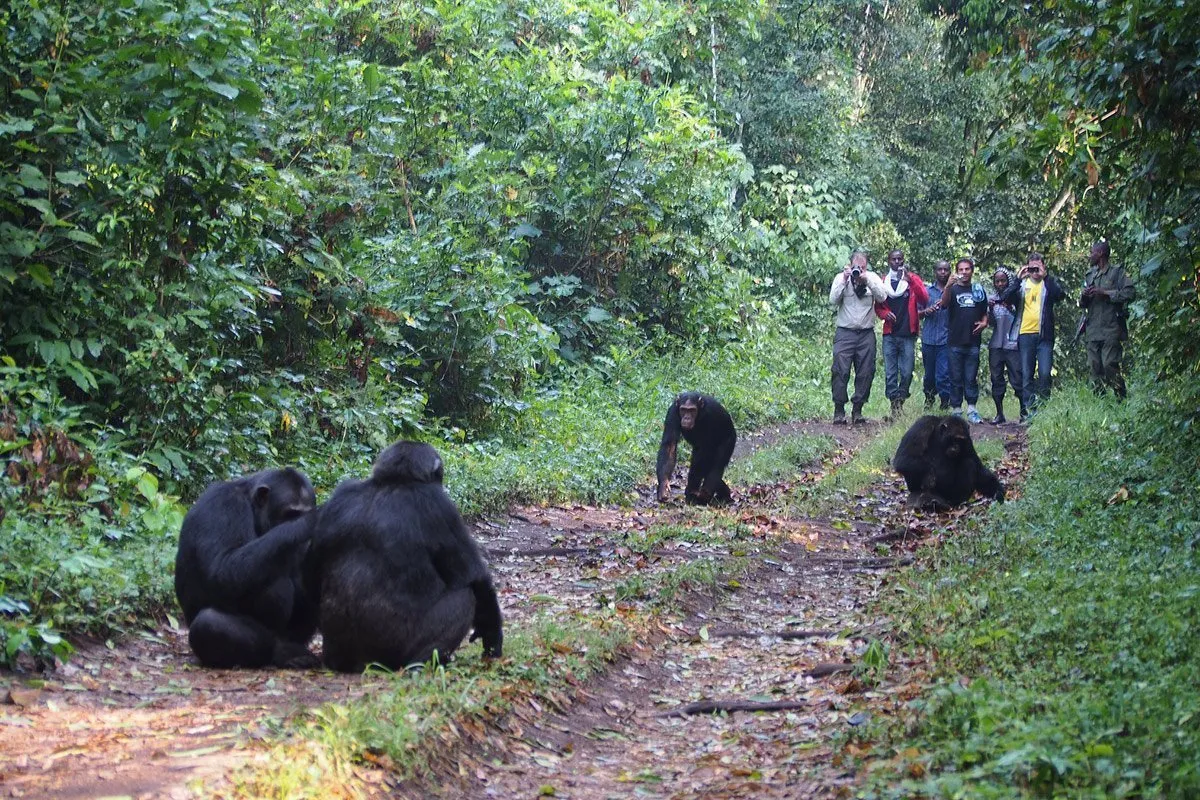
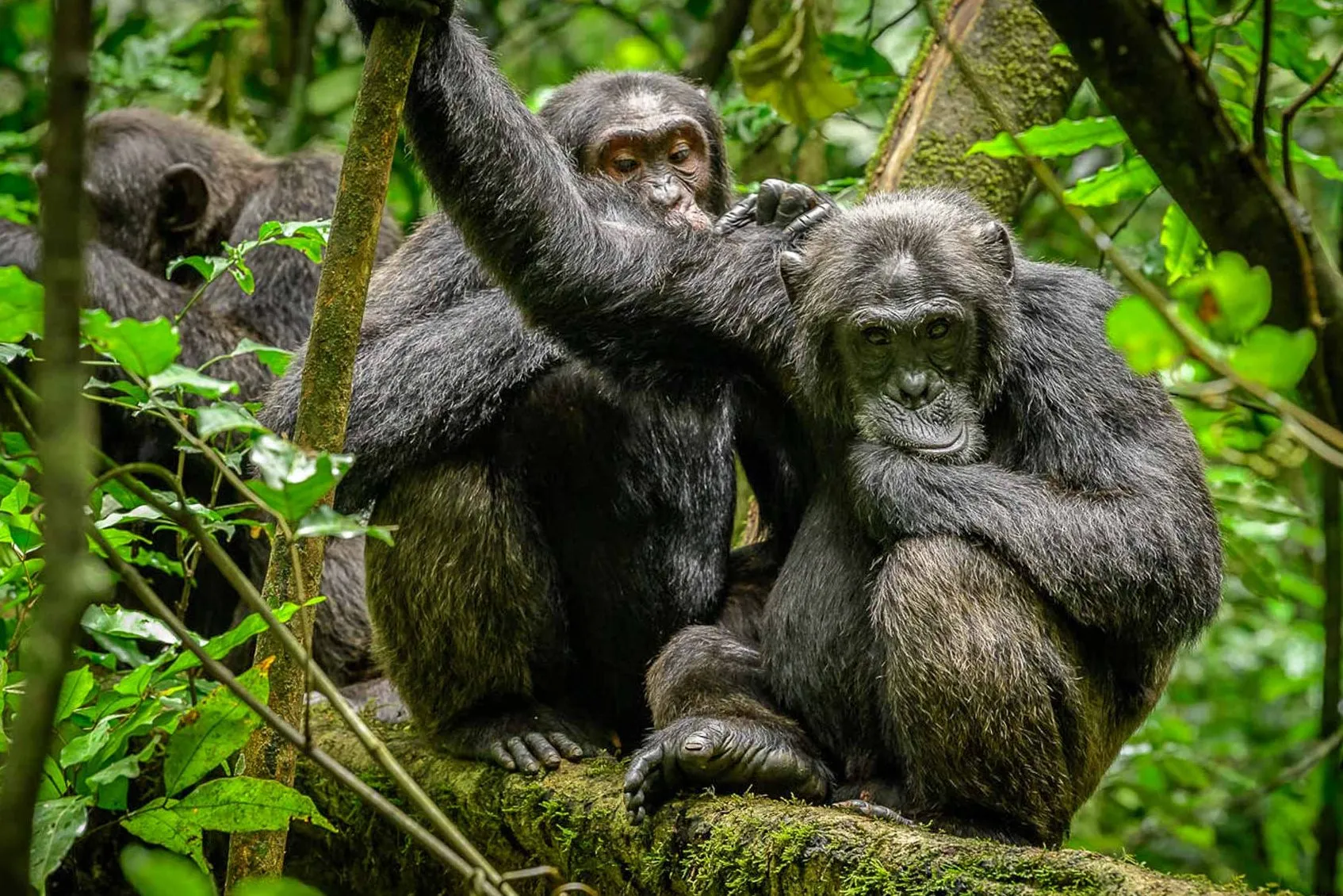
Kibale Forest National Park, near Fort Portal, is Uganda’s premier chimpanzee destination and has the highest chimpanzee population density in East Africa. Treks run on the Kanyanchu trail, typically last two to five hours through relatively flat to moderately hilly forest, and are considered accessible to most travelers with basic fitness. Permits run in the $250–$300 range for foreign non-residents; a chimpanzee habituation experience, similar in concept to the gorilla version, costs somewhat more and gives extended time observing a family.
Kyambura Gorge, inside Queen Elizabeth National Park, is a smaller, more affordable, and more physically demanding alternative — a steep-sided riverine gorge rather than open forest, with a three-hour trek and a lower daily permit allocation. It’s priced considerably lower than Kibale, generally in the $100–$200 range, and works well for itineraries that are already routing through Queen Elizabeth for game drives.
Budongo Forest, near Murchison Falls, offers a third, less-visited chimp tracking option for itineraries built around the north of the country rather than the west.
Routing: How the Two Fit Together
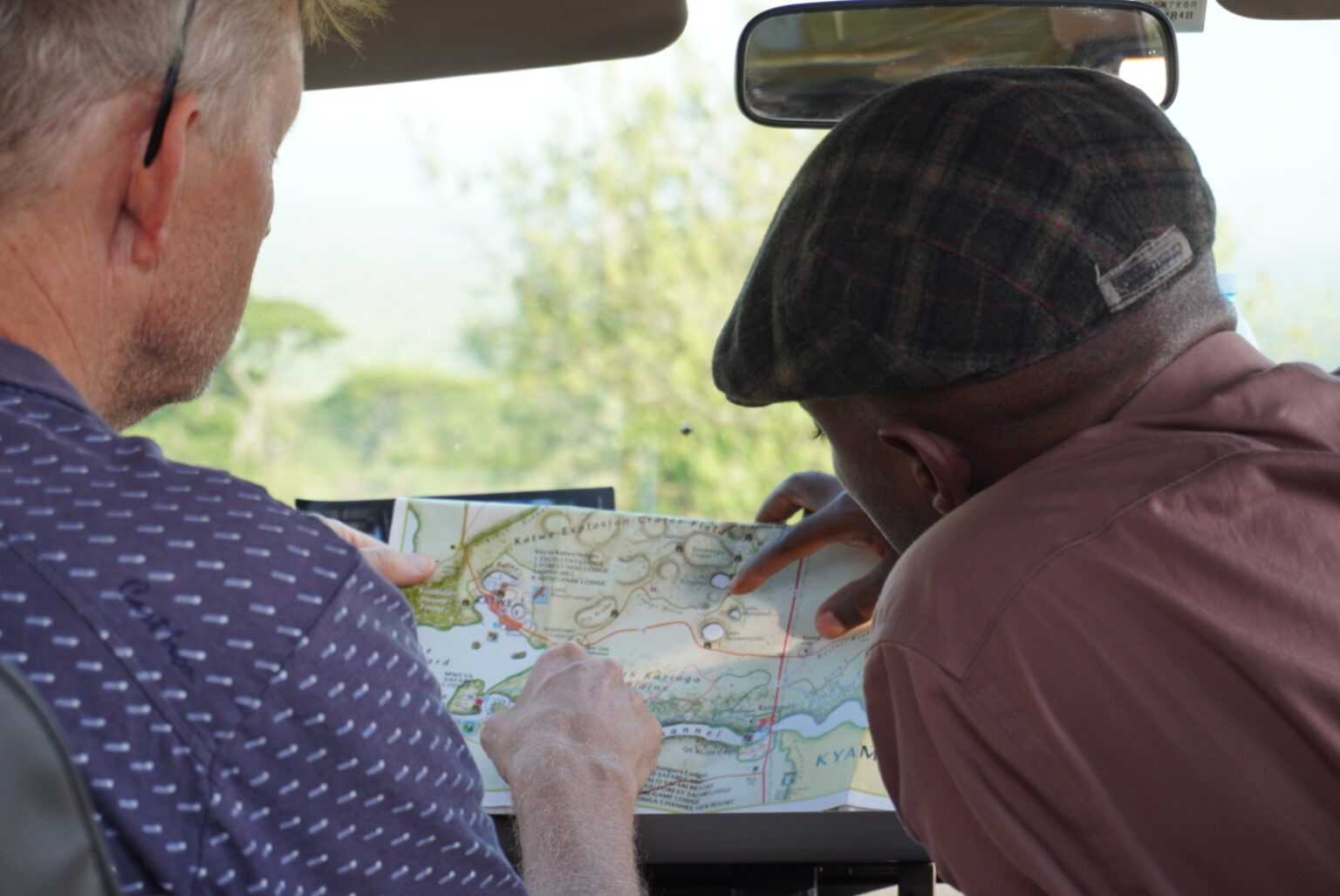
The core planning challenge is that Bwindi (gorillas) sits in Uganda’s far southwest, while Kibale (the best chimp tracking) sits further north along the Fort Portal corridor, several hours apart. A driver-guide typically structures the combination one of two ways:
Route 1: Queen Elizabeth as the link. Kibale → Queen Elizabeth National Park (via the Fort Portal–Kasese road) → Ishasha sector (tree-climbing lions) → Bwindi. This is the most efficient shape for a combined primate-and-wildlife safari, since the drive between Queen Elizabeth and Bwindi via Ishasha doubles as a game drive rather than dead transit time, and typically runs 4–6 hours depending on the Bwindi sector.
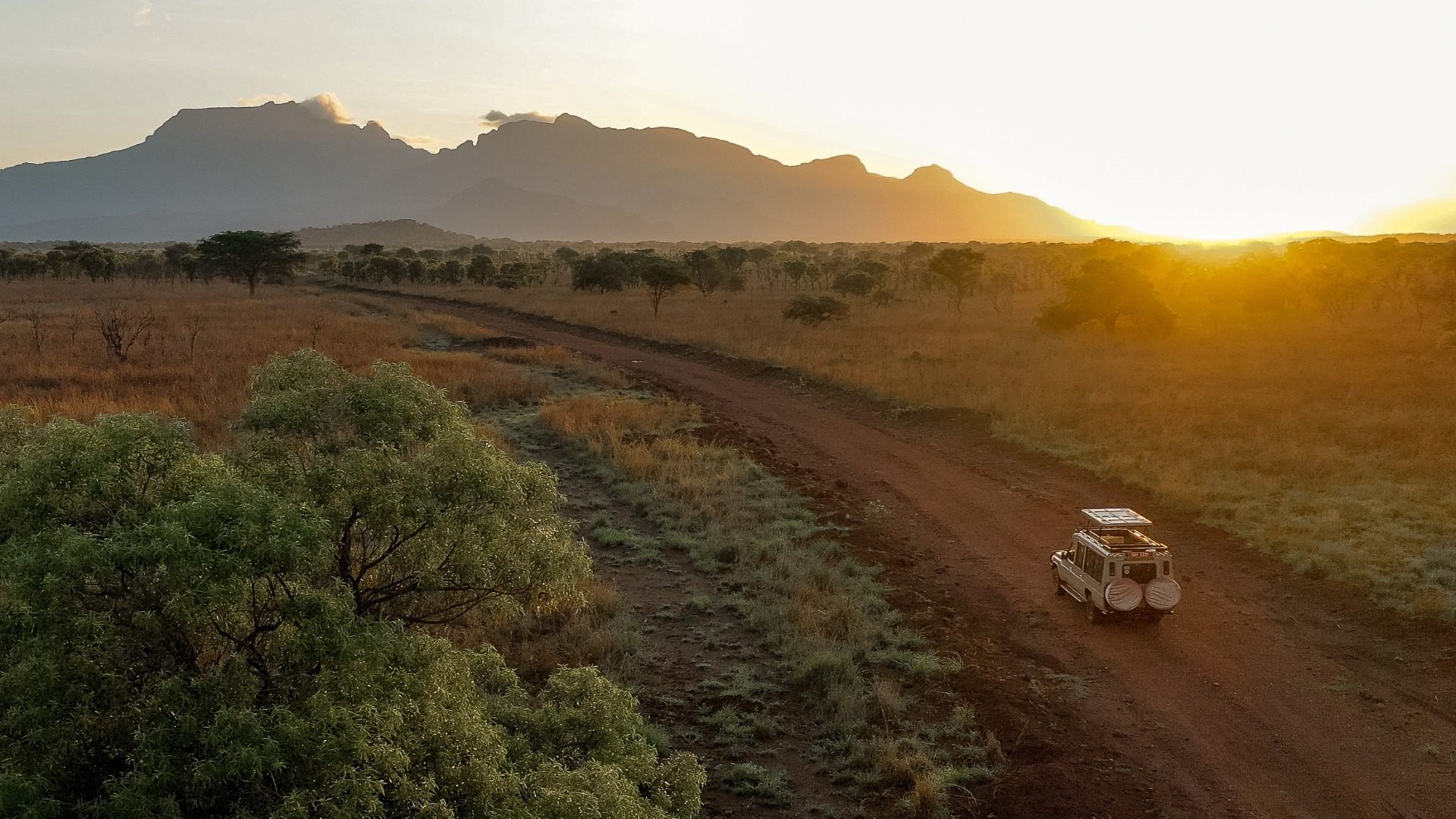
Route 2: Direct Kampala/Entebbe loop. Entebbe → Bwindi (8–10 hours, usually broken with an overnight at Lake Mburo National Park) → back out via Queen Elizabeth and Kibale, or the reverse. This suits travelers prioritizing gorillas first and building the rest of the itinerary around that anchor date, since gorilla permits are booked to a fixed date and trekking sector well in advance.
Either way, a driver-guide will usually recommend booking the gorilla trek for a day roughly in the middle of the itinerary, with a rest or shorter-activity day immediately before it — arriving exhausted after a long transfer and going straight into a strenuous trek the next morning is the single most common planning mistake on self-organized itineraries.
What a Trekking Day Actually Involves
Both gorilla and chimp treks begin with an early registration and briefing at park headquarters — typically 7:00–8:00 AM for gorillas, similar for Kibale’s chimp trek. Trek length is unpredictable by nature: rangers track the family’s overnight movement, and the walk to reach them can range from under an hour to most of a day depending on where the group has moved. Once found, visitors get a fixed window with the animals — one hour for gorillas, roughly one hour for chimps — before heading back out.
A driver-guide’s role on trekking days is mostly logistical but genuinely valuable: getting you to park headquarters on time (missing the briefing means missing the trek), coordinating with rangers if plans shift, arranging a porter if you want one (strongly recommended on Bwindi’s steeper sectors — porters also provide direct income to communities living around the park), and managing the return transfer once you’re back, tired, and ready for a hot meal rather than more driving.
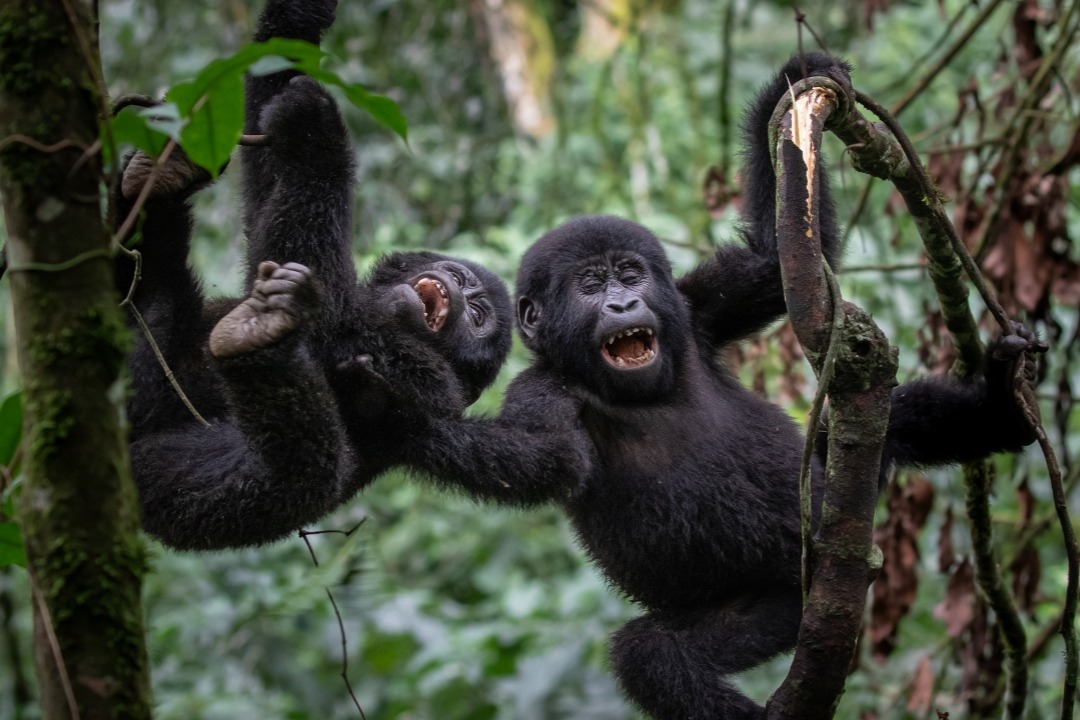
Fitness requirements are moderate rather than extreme for most sectors, but Bwindi’s terrain is genuinely steep, humid, and can be muddy underfoot regardless of season — this is rainforest, not a maintained trail. Nkuringo and Ruhija are the most demanding sectors; Buhoma is comparatively gentler. Minimum age for gorilla and chimp trekking is generally 15, with some parks (Kyambura Gorge) setting it at 12; there’s no upper age limit, but a reasonable baseline fitness level for a multi-hour hike at altitude is genuinely necessary.
When to Go
Uganda’s gorilla and chimp trekking runs year-round, since forest cover means good sightings aren’t strictly seasonal the way savanna game viewing is. That said:
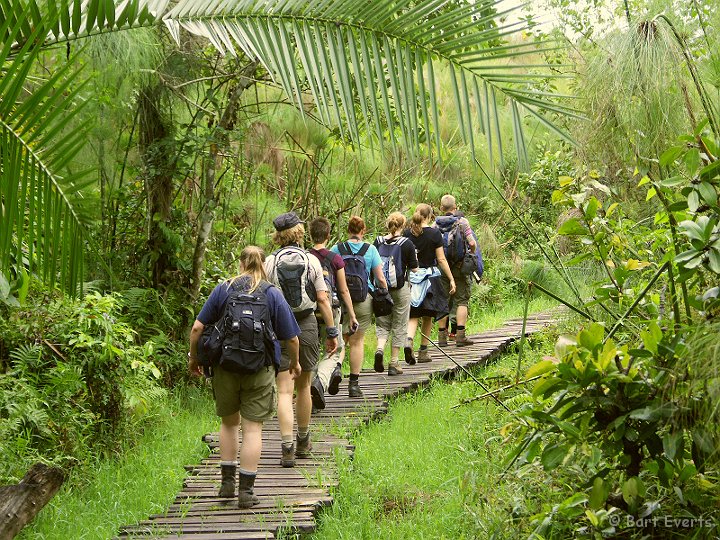
- Dry seasons (June–September and December–February) bring firmer, less slippery trails and are the busiest and most expensive booking windows.
- Wetter months (March–May, October–November) mean muddier, more physically demanding treks but thinner crowds, and this is when UWA’s discounted gorilla permits have typically been offered.
Because gorilla permits are capped daily (roughly 150+ permits across Bwindi’s habituated families, split across sectors) and often book out months ahead for peak season, the trekking date — not the driving route — is usually the fixed point the rest of the itinerary gets built around.
Sample Driver-Guided Itinerary
Day 1 — Entebbe pickup, drive toward Lake Mburo National Park (breaking the long southwestern leg), short evening game drive.
Day 2 — Continue to Bwindi (Buhoma or Ruhija sector), afternoon arrival, briefing on the trek ahead.
Day 3 — Gorilla trekking day. Early start, full day built around the trek itself, evening at leisure.
Day 4 — Drive via Ishasha sector to Queen Elizabeth National Park, game drive en route, afternoon Kazinga Channel boat cruise.
Day 5 — Drive to Kibale via Fort Portal, afternoon arrival.
Day 6 — Chimpanzee trekking in Kibale, afternoon departure back toward Entebbe or on to further parks.
This kind of six-day frame is a common starting template; it extends easily to eight to ten days by adding Murchison Falls to the north or slowing the pace around Bwindi and Queen Elizabeth.
Budgeting for Uganda Gorilla Chimpanzee safari
Beyond the permits themselves, a realistic driver-guided primate safari budget includes the daily vehicle-and-driver rate (commonly quoted as an all-in package covering fuel, driver accommodation, and meals on the road), park entry fees at each stop, your own accommodation and meals, and a porter fee at Bwindi if you choose one — a small cost that’s well worth it on the steeper sectors. Many operators quote tiered multi-day packages that bundle permits, transport, and accommodation together; when comparing quotes, ask for permits, park fees, transport, and accommodation to be itemized separately so you can see exactly what you’re paying for at each stage.
Booking Timeline
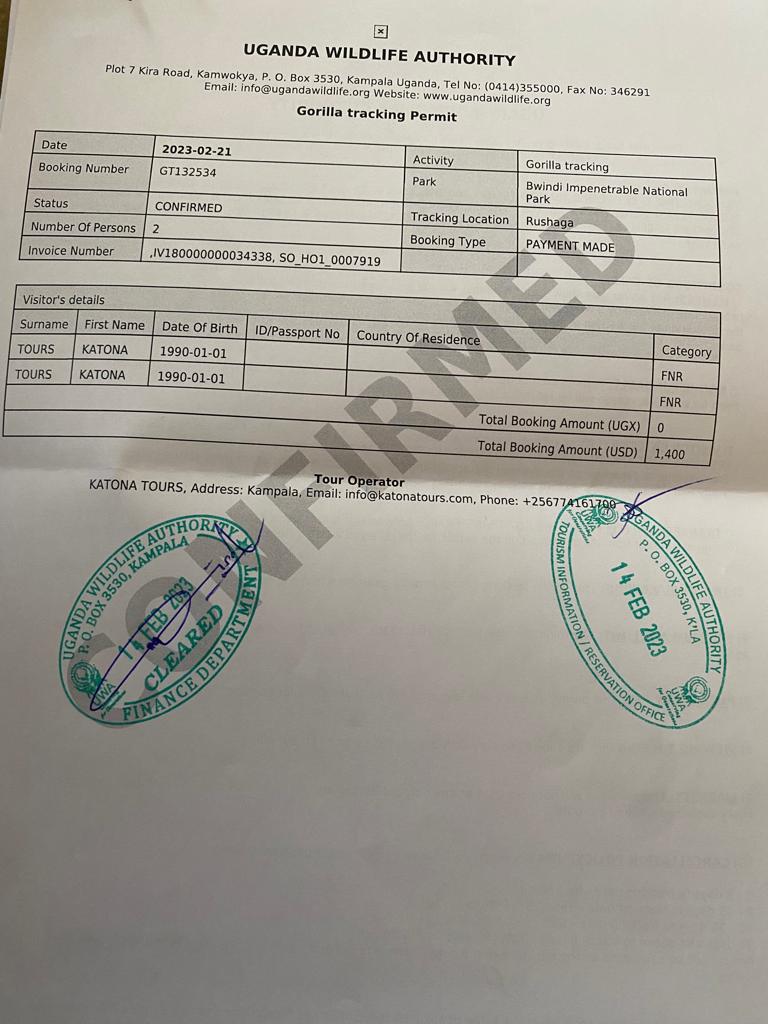
Gorilla permits, in particular, should be secured as early as possible — ideally three to six months ahead for travel in peak dry-season months, since sectors and specific gorilla families sell out well in advance. Chimp permits at Kibale have similarly tightened up around peak season but generally have more flexibility than gorilla permits. A driver-guide or operator with a direct Uganda Wildlife Authority relationship can usually confirm permit availability faster than booking independently, and will flag if your preferred sector or dates are already full so you can adjust the itinerary before committing to flights.
Quick Planning Checklist
- Fix your gorilla trekking date and sector first — everything else in the itinerary builds around it
- Book gorilla permits 3–6 months ahead for peak season; chimp permits can generally be secured with somewhat less lead time
- Choose a Bwindi sector matched to your fitness level (Buhoma gentlest, Nkuringo and Ruhija steepest)
- Route gorillas and chimps together via Queen Elizabeth/Ishasha rather than backtracking to Entebbe between them
- Build in a rest or short-activity day before the trek itself, not straight off a long transfer
- Budget for a porter at Bwindi — inexpensive and genuinely useful on steep terrain
- Confirm what’s included in your driver-guide package: permits, park fees, transport, and accommodation should be itemized separately
A driver-guided route through Uganda’s gorillas and chimpanzees turns two of the country’s most physically demanding, tightly scheduled activities into a manageable itinerary rather than a logistics puzzle. Fix the trekking dates early, let the driving route follow from there, and the rest of the trip largely takes care of itself.
Planning to book a Uganda gorilla chimpanzee safari with a driver- simply contact us now by sending an email to info@rentadriveruganda.com or call +256-700135510 to speak with the reservations team.