Uganda Safari Vehicle Checklist: Pre-Self Drive Guide
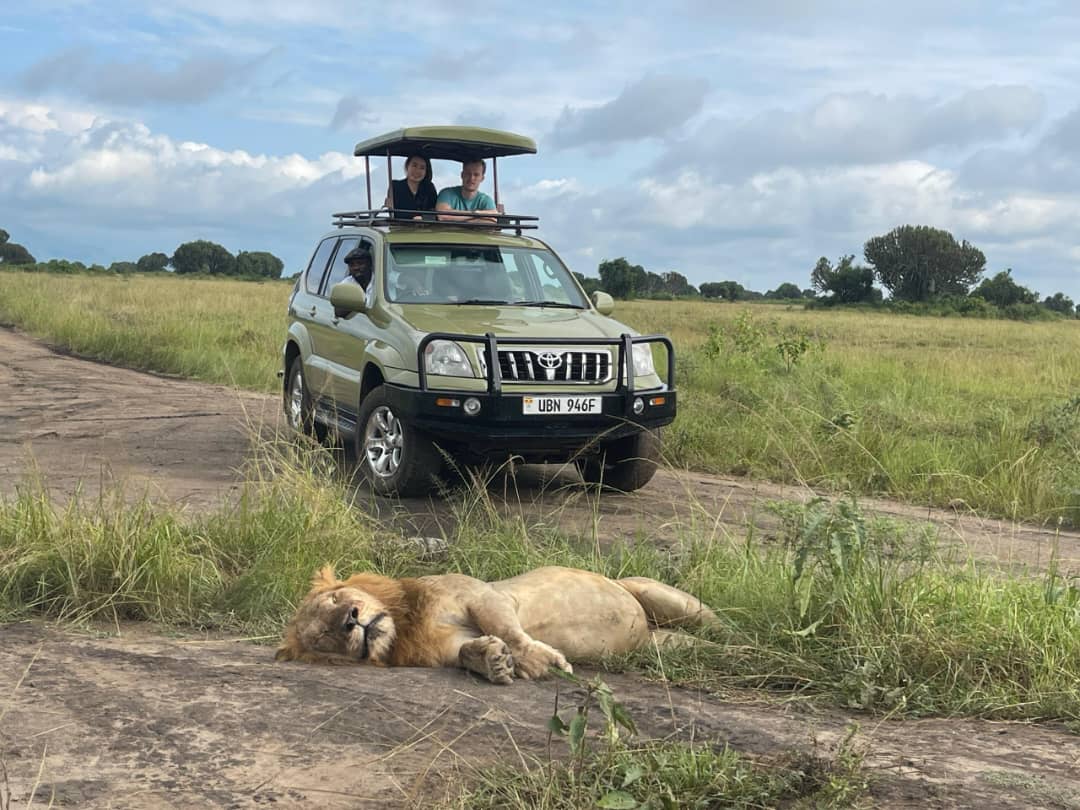
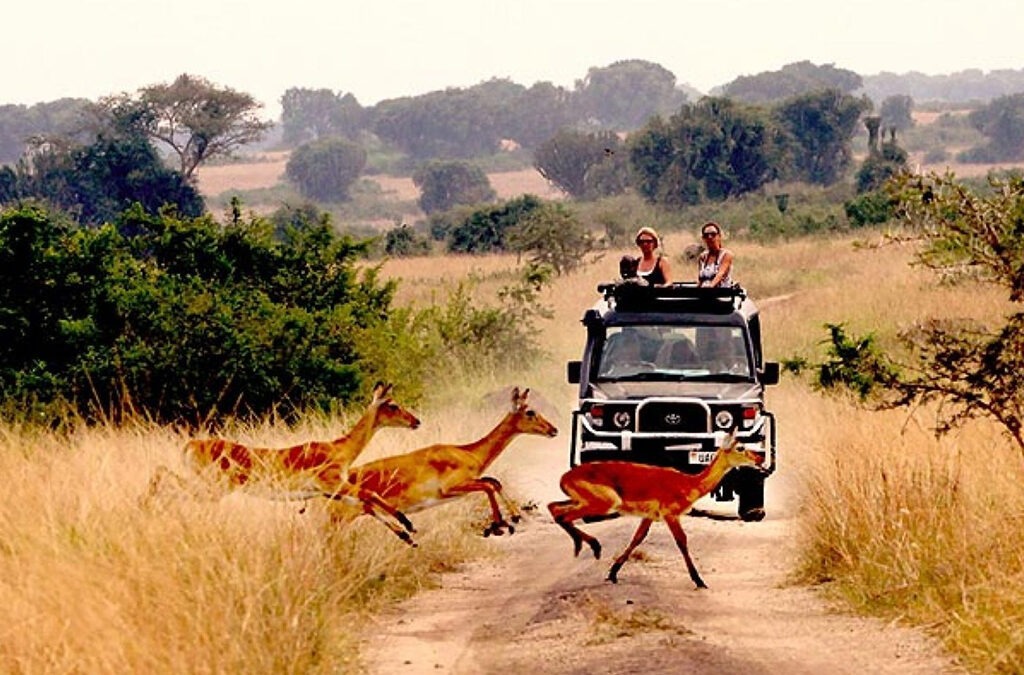
Uganda’s national parks reward the traveler who is prepared. Between the crater roads of Queen Elizabeth National Park, the murram tracks of Murchison Falls, the steep switchbacks leading into Bwindi Impenetrable Forest, and the remote, semi-arid stretches of Kidepo Valley, the country’s parks are as varied in terrain as they are in wildlife. A vehicle that feels perfectly fine on tarmac in Kampala can struggle badly once the road turns to red murram, gets swallowed by mud after a downpour, or climbs a gradient steep enough to test a weak clutch. Before you ever reach a park gate, your Uganda safari vehicle deserves the same scrutiny you’d give your visa, your yellow fever certificate, or your park permits.
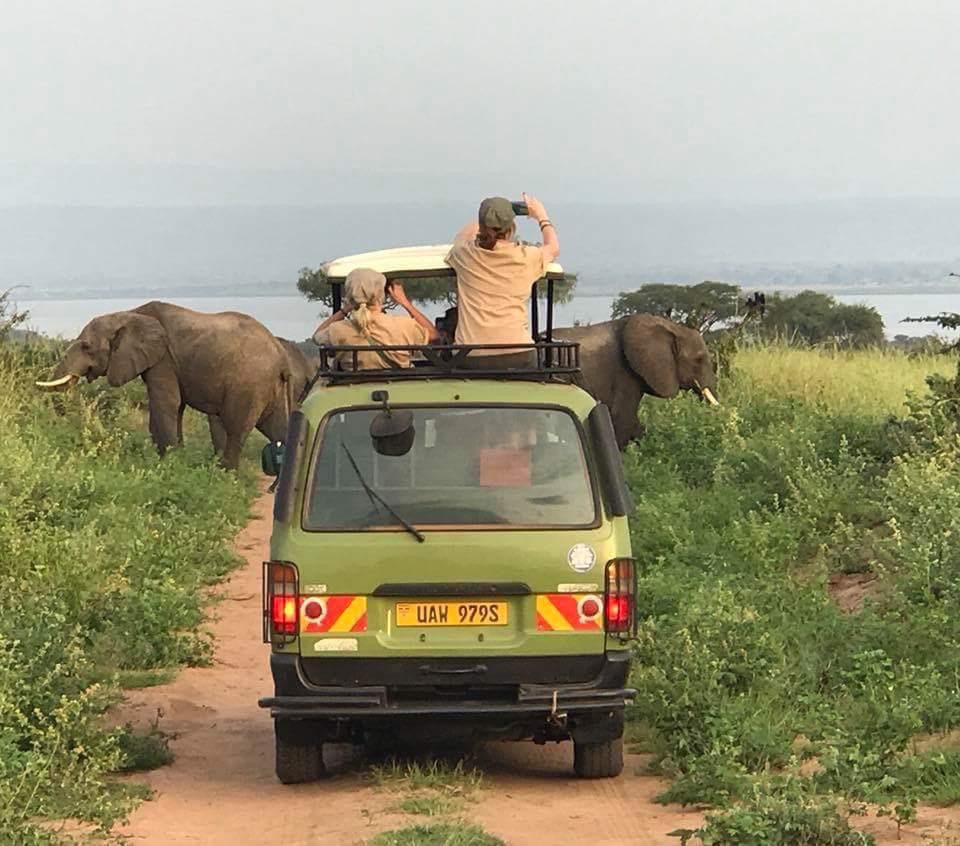
This guide walks through exactly what to check — mechanically, legally, and practically — before you point your bonnet toward a Ugandan national park.
Why Vehicle Prep Matters More in Uganda Than You’d Expect
Uganda’s road network splits sharply into two categories: well-maintained tarmac connecting major towns, and unpaved feeder roads once you leave the highway for a park. Many of those feeder roads are seasonal in character. During the dry months they can be dusty but passable in a saloon car; during the rainy season (roughly March–May and September–November) the same road can become a slick, rutted challenge that swallows two-wheel-drive vehicles whole. Add to this the distances involved — some parks are five to ten hours from Entebbe or Kampala — and a breakdown becomes less of an inconvenience and more of a real safety and logistics problem, since mobile network coverage thins out considerably inside and around park boundaries.
This is why nearly every tour operator and most self-drive guides insist on a 4×4 with high ground clearance for park travel, rather than a standard sedan or low-clearance SUV. If you don’t already have access to a suitable vehicle, arranging a 4×4 car hire in Uganda before your trip is usually the simplest way to make sure the checklist below is a formality rather than a source of anxiety.
1. Tires and Wheels
Tires are the single most common cause of roadside trouble in Uganda, and the easiest to prevent.
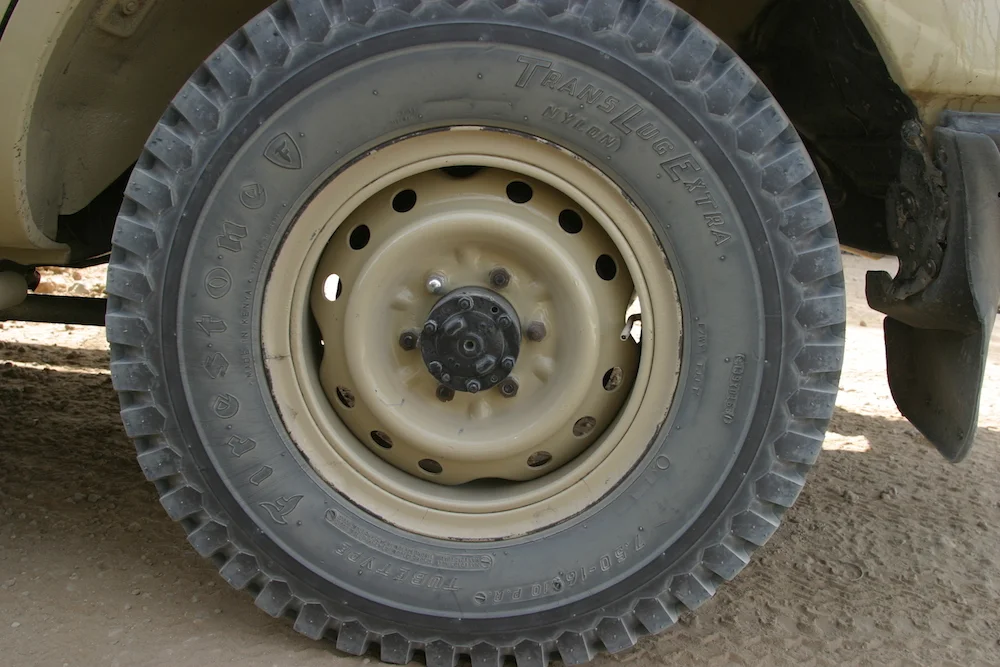
- Tread depth: Check that tread is even and at least 4–5mm deep. Worn tread loses grip almost immediately on wet murram.
- Tire pressure: Confirm pressure matches the manufacturer’s recommendation for the load you’re carrying — overloaded, underinflated tires overheat and are more prone to blowouts on rough roads.
- Spare tire(s): One full-size spare is the bare minimum; for longer, more remote itineraries (Kidepo, Kalinzu, or long Murchison circuits), a second spare is strongly advisable.
- Jack and wheel spanner: Confirm both are present, functional, and that the jack actually fits the vehicle’s jacking points — rental returns sometimes swap these out incorrectly.
- Tire repair kit or plug kit: Useful for punctures that don’t require a full tire change.
2. Fluids and Engine Basics
Before any long drive, pop the bonnet and check:
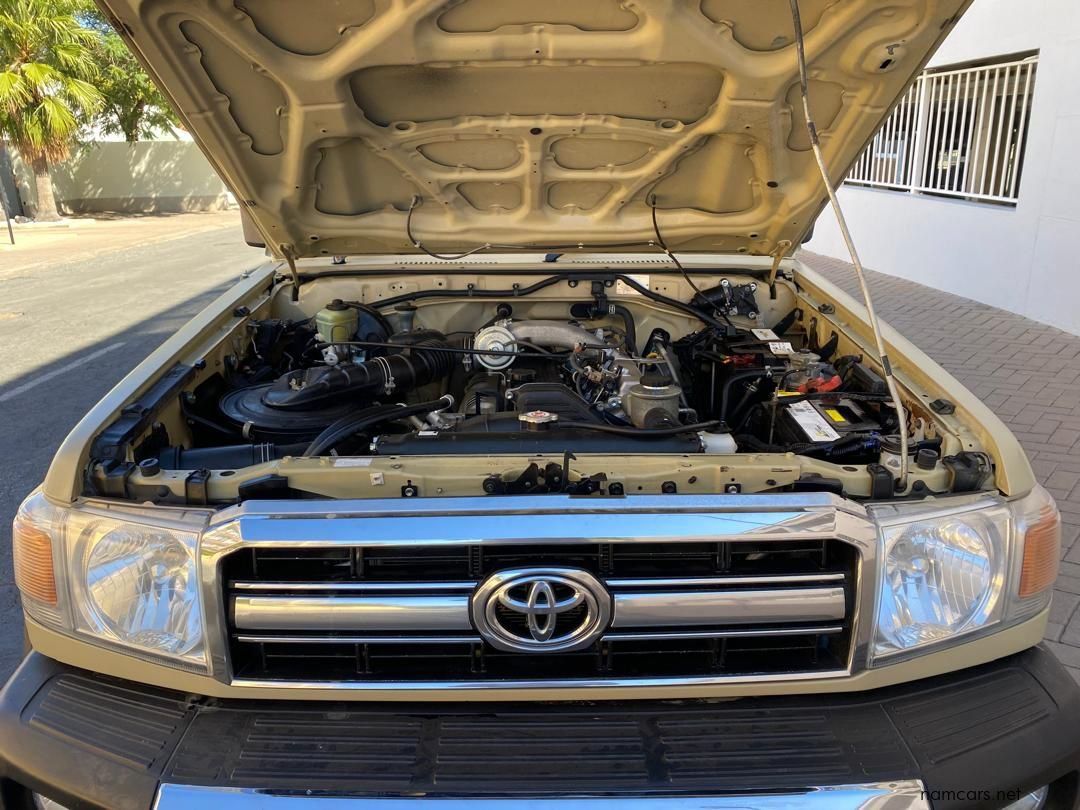
- Engine oil level and condition (top up or change if it’s overdue).
- Coolant level, particularly important given how much heat an engine generates climbing in low range through hilly parks like Bwindi or the Kyambura Gorge area.
- Brake fluid level, and a visual check that brake lines aren’t leaking.
- Power steering fluid, if applicable.
- Windscreen washer fluid — dust from murram roads cakes windscreens fast, and dry wiping only scratches the glass.
- Fuel level and reserve capacity: Fuel stations thin out dramatically once you’re near or inside a park. Fill up fully at the last major town before entry, and if your itinerary includes multiple parks strung together, consider carrying a jerry can of extra fuel.
3. Brakes, Suspension, and Steering
Rough roads punish suspension components far more than tarmac does. Before departure, check or have a mechanic check:
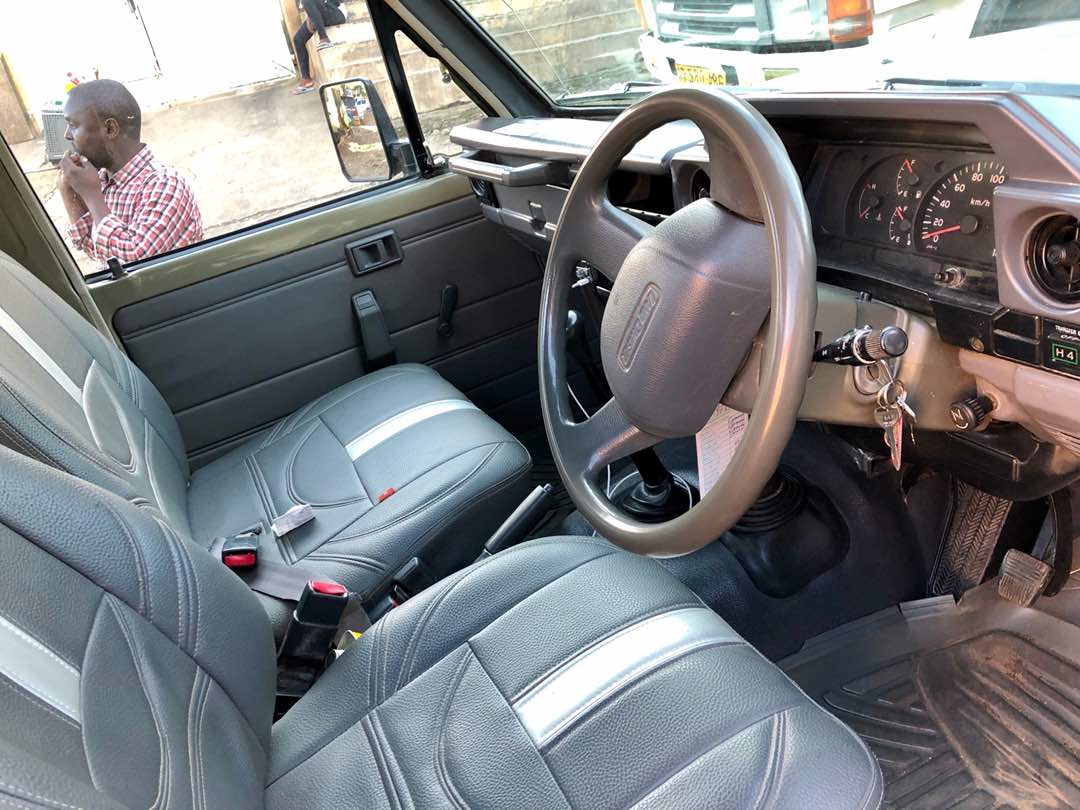
- Brake pads/discs for wear, and that the brakes don’t pull to one side.
- Shock absorbers — listen for excessive clunking over bumps, a sign of worn bushings or shocks.
- Steering play — excessive looseness in the steering wheel can be dangerous on rutted tracks.
- Underbody clearance — confirm there’s nothing hanging loose (exhaust, skid plates, wiring) that could be torn off on a rocky or rutted section.
4. Battery and Electricals
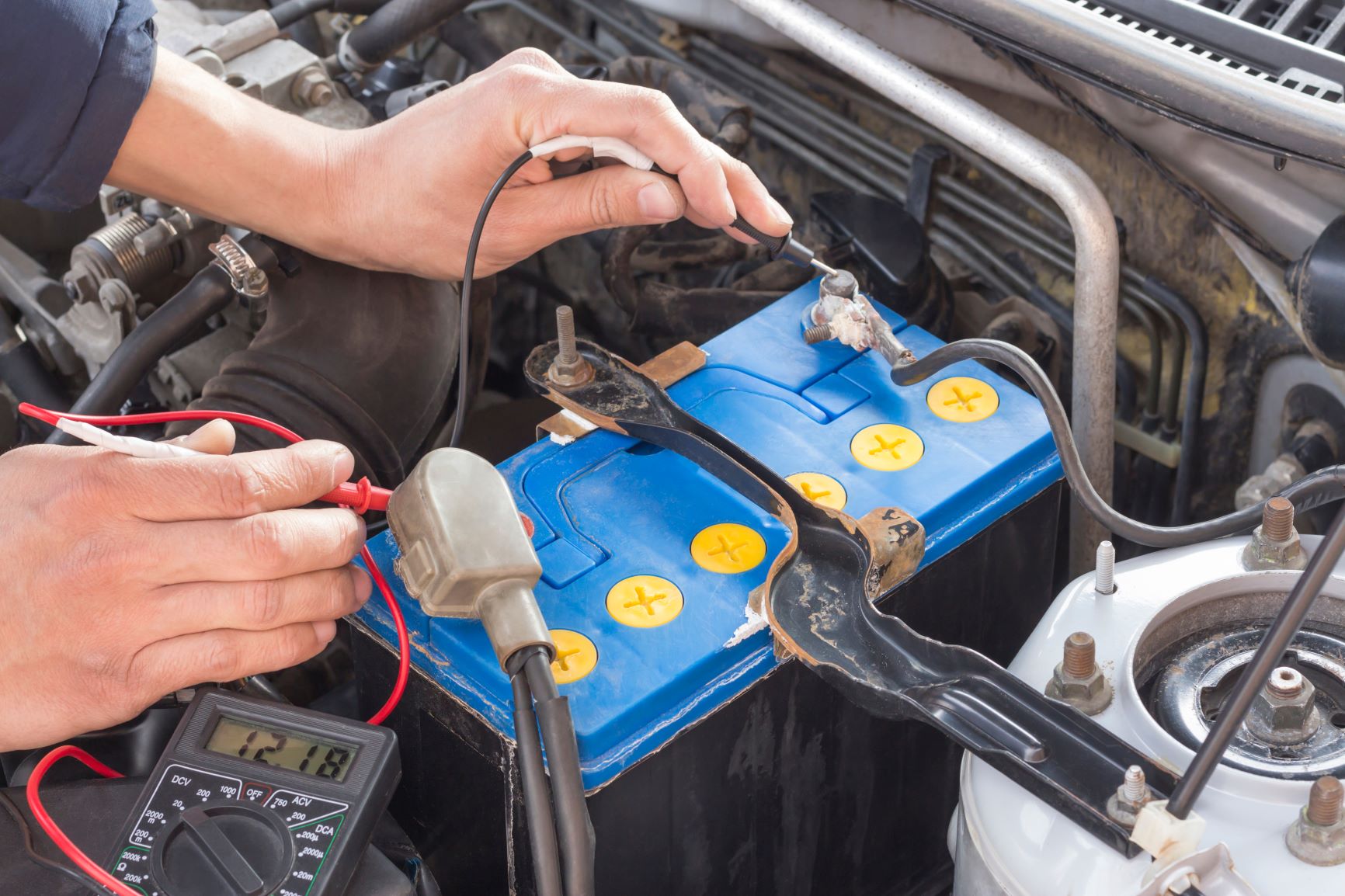
- Battery terminals: Clean and tightly connected, with no corrosion.
- Battery age/health: A battery on its last legs may start fine in town but fail after a long day with headlights, air conditioning, and rough vibration all working against it.
- Headlights, indicators, brake lights, hazard lights: All functional — many park roads have wildlife crossing at dawn and dusk, and visibility matters for both driving and safety.
- Horn: Functional, and genuinely useful for warning wildlife or other vehicles around blind bends.
5. Four-Wheel-Drive System and Ground Clearance
This is the checklist item that separates a Uganda-ready vehicle from a merely “fine” one.
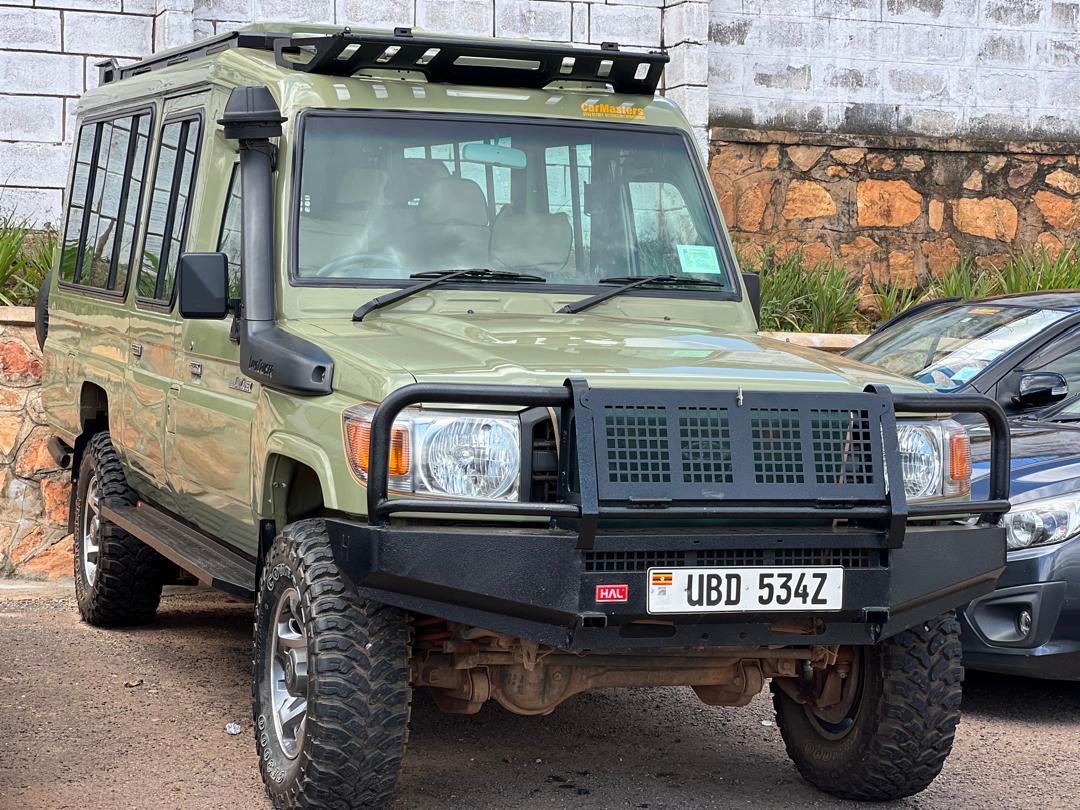
- Confirm the 4×4 (or 4WD/low-range) system actually engages properly — test it before you leave, not on the murram road when you need it.
- Check ground clearance is genuinely adequate; low-slung SUVs marketed as “crossovers” often don’t have the clearance needed for deep ruts or flooded sections.
- If self-driving rather than hiring with a driver, make sure you or someone in your party is confident engaging and disengaging 4WD/low range, since the wrong moment to learn is halfway through a mud patch.
If you’re sourcing a vehicle specifically for this kind of terrain, it’s worth arranging a proper 4×4 car hire in Uganda rather than assuming a standard rental will cope — a vehicle built and maintained for park roads removes most of this risk before you even start the checklist.
6. Recovery and Emergency Gear
Even a well-maintained 4×4 can get stuck, especially in the rainy season. Carry:
- A tow rope or recovery strap rated for your vehicle’s weight.
- A shovel, useful for digging out wheels stuck in mud.
- Sand ladders or traction mats, particularly valuable in the flatter, sandier stretches near Kidepo or parts of Murchison’s northern bank.
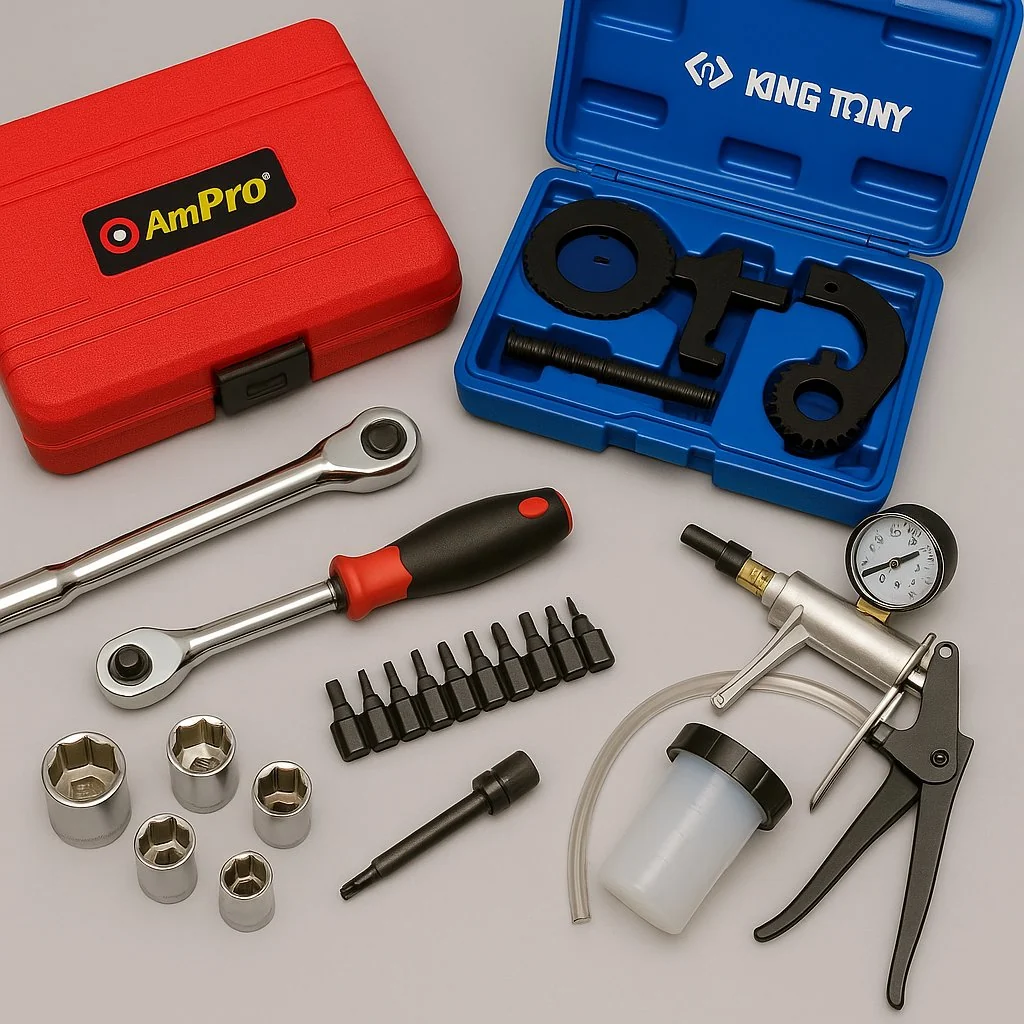
- A basic tool kit (pliers, screwdrivers, adjustable wrench, tire pressure gauge).
- A first-aid kit, separate from any general travel first-aid supplies.
- A fire extinguisher, which is also a legal requirement for vehicles in Uganda.
- A warning triangle, also a legal requirement.
7. Documents to Have in the Vehicle
Mechanical readiness means little without the right paperwork. Before entering a park, confirm you have:

- A valid driving permit (an International Driving Permit is required for most foreign nationals, alongside your home license).
- Vehicle registration/log book (or, for a rental, the rental agreement naming you as an authorized driver).
- Comprehensive insurance documents, including confirmation the policy covers off-road or park driving specifically — some basic policies exclude it.
- Park entry permits and any wildlife viewing permits (gorilla or chimp tracking permits, for example) booked and printed or saved offline, since connectivity at gates can be unreliable.
- A copy of your passport and visa.
8. Navigation and Communication

- Offline maps: Download maps (Google Maps offline areas, Maps.me, or a dedicated GPS unit) before you lose signal — network coverage disappears in many park interiors.
- A physical park map, available at most gates, as a backup to digital navigation.
- A charged phone and power bank, plus, for more remote parks like Kidepo, consider a satellite communicator if your itinerary is genuinely off-grid.
- Ranger/UWA contact numbers for the specific park, saved before you lose signal.
9. Comfort and Practical Supplies
Not safety-critical, but they make the difference between an enjoyable game drive and a miserable one:
- Drinking water — more than you think you’ll need, especially for hot, dusty parks like Kidepo or Murchison.
- Snacks or a packed lunch, since some drives between gate and lodge or between viewing circuits run several hours.
- Dust covers or plastic sheeting for luggage and camera gear — murram dust gets into everything.
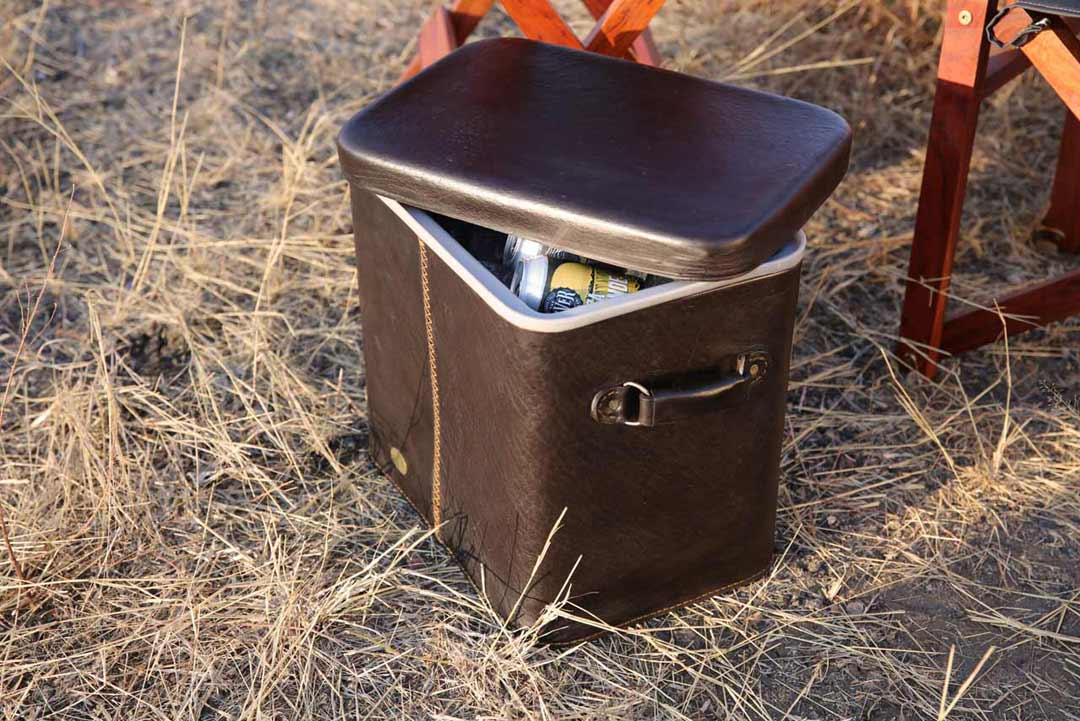
- A cooler box if you’re self-catering or carrying perishables.
- Binoculars and a camera with charged batteries — obvious, but easy to forget in the pre-departure rush.
10. Park-Specific Considerations
- Bwindi Impenetrable Forest: Steep, often muddy roads leading to trailheads. A strong 4×4 with good low-range capability is non-negotiable, particularly in wet months.
- Queen Elizabeth National Park: Generally more graded and manageable roads, but the Kazinga Channel and crater areas can still get slick after rain.
- Murchison Falls National Park: Long distances, sandy patches near the river, and a ferry crossing to consider in your timing — check ferry schedules in advance so you’re not stranded at the crossing point after dark.
- Kidepo Valley National Park: The most remote of Uganda’s major parks, with long stretches of poor signal and few fuel stops. Extra fuel, extra water, and full mechanical readiness matter most here.
A Final Pre-Gate Checklist
Before you actually drive through the park entrance, do one last five-minute walk-around:
- Tires — pressure and visible condition.
- Fuel — enough for the day’s circuit plus a margin.
- Lights and indicators — working.
- Spare tire and tools — present and accessible, not buried under luggage.
- Documents — permits, license, insurance, all within reach.
- Water and snacks — packed.
- 4×4/low range — tested and understood.
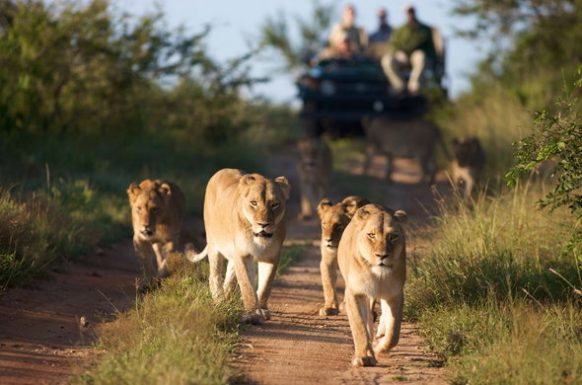
Wildlife viewing in Uganda is genuinely rewarding — tree-climbing lions in Ishasha, mountain gorillas in Bwindi, the Nile crossing hippos and crocodiles at Murchison — but none of it is enjoyable from the side of a rutted road waiting for rescue. A thorough pre-drive check, paired with a vehicle genuinely suited to the terrain, is what turns a good safari itinerary into a smooth one.
Are you planning a Uganda safari and require a 4×4 vehicle plus driver for the trip- simply contact us now by sending an email to info@rentadriveruganda.com or call us now on +256-700135510.