Best Time for Filming in Uganda: A Month-by-Month Guide
Uganda is a filmmaker‘s dream. Within a single country you can shoot mist-covered rainforest, open savannah, thundering waterfalls, snow-capped mountains and the lively streets of a capital city. Sitting right on the equator, it also offers warm weather and roughly twelve hours of daylight all year round.
So when is the best time for filming in Uganda? The short answer is the dry season, which makes it easier to reach remote locations and film wildlife without interruptions. But the full answer depends on what you are shooting, where, and how much flexibility your schedule has. This guide will help you choose the right window.
The Quick Answer
Filming is possible all year in Uganda, but the two dry seasons are generally the best time for filming:
- December to February
- June to August
The two main wet seasons run roughly from March to May and from September to November. Rainfall patterns vary by region and shift from year to year, so treat these months as a guide rather than a guarantee.
Why the Dry Season Is Best for Filming
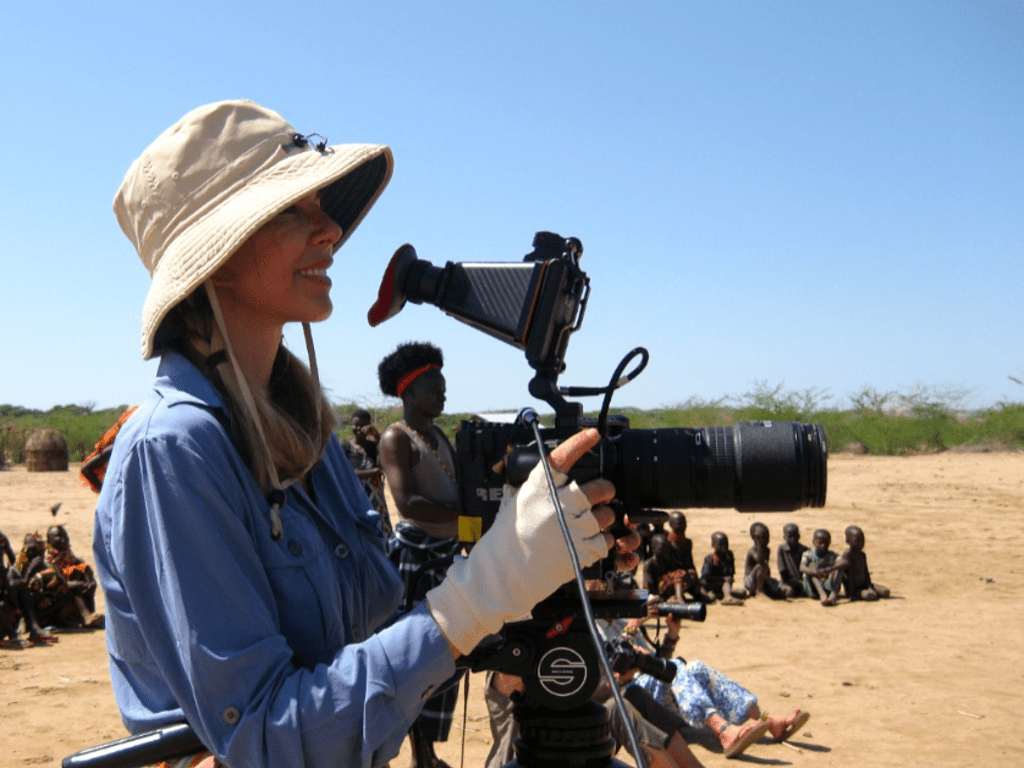
Reliable access to locations. Many of Uganda’s best filming locations, including park tracks, remote villages and mountain routes, are on dirt roads. In dry weather they are far easier to drive, which means fewer delays and more time behind the camera.
Longer uninterrupted shooting days. Dry weather means you can plan a full day’s schedule with confidence. Rain delays can cost expensive crew days, and a clear forecast makes budgeting much easier.
Better wildlife footage. As vegetation thins and water becomes scarcer, animals gather around permanent water sources such as rivers, lakes and waterholes. In parks like Queen Elizabeth, Murchison Falls and Lake Mburo, this makes it easier to find and film elephants, buffalo, antelope and predators, and to capture natural interactions at the water’s edge.
Cleaner light. Drier air often gives sharper, clearer images and strong golden-hour light, which is ideal for landscapes and establishing shots.
The Challenges of the Dry Season
- Heat. Daytime temperatures can be high, and cameras, lenses, drones and batteries can overheat if left in direct sun or inside a parked vehicle.
- Dust. Dirt roads kick up fine dust that can damage gear. Protect equipment and clean it regularly.
- Busy periods. Popular lodges and vehicles can be in high demand, so book early, especially for December and July to August.
Filming in the Wet Season: Not Always a Bad Idea
The wet season can be difficult, but it is not off limits. Some productions deliberately choose it.
Advantages:
- Lush, vivid green landscapes
- Dramatic skies and atmospheric mist
- Fewer crowds and often lower accommodation rates
- Newborn animals in some parks
- Excellent conditions for waterfalls and rivers
Challenges:
- Muddy, slippery roads, especially in parks and remote areas
- Delays and unpredictable weather
- Some tracks may become impassable without a strong 4×4
- Higher risk of moisture damage to equipment
If you must film in the wet season, build extra days into your schedule, bring waterproof protection for all gear, and use a sturdy 4×4 vehicle with an experienced driver who knows the terrain.
Month-by-Month Filming Guide
| Month | Conditions | Best for |
|---|---|---|
| January | Dry, warm | Wildlife, landscapes, city shoots |
| February | Mostly dry, rains may begin late | Wildlife, cultural filming |
| March | Rains begin | Waterfalls, green landscapes |
| April | Heavy rain | Moody atmosphere, limited access |
| May | Wet, easing late | Green scenery, fewer crowds |
| June | Dry begins | Wildlife, primate filming, treks |
| July | Dry | All-round shooting, wildlife |
| August | Dry | Wildlife, road trips, landscapes |
| September | Rains return | Scenic shots, flexible schedules |
| October | Wet | Green landscapes, cultural events |
| November | Wet | Atmospheric forest shoots |
| December | Dry begins | Wildlife, festive season, landscapes |
Conditions vary by region, so confirm the forecast for your exact location and dates.
Best Filming Seasons by Location
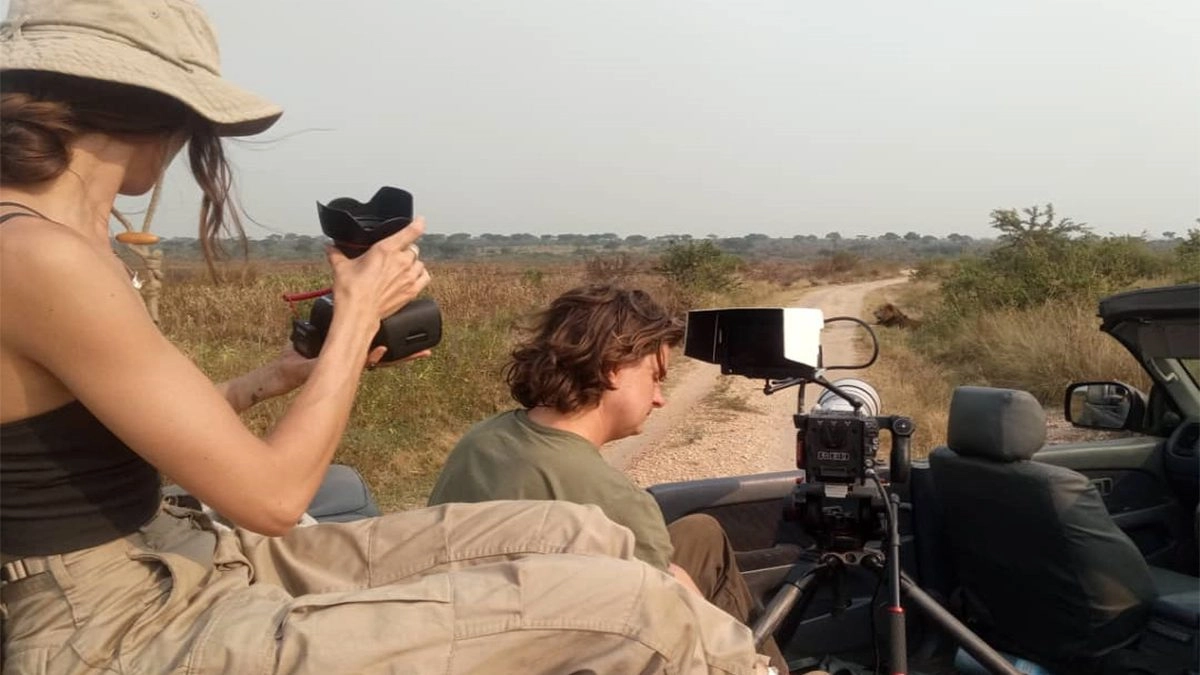
Savannah parks (Queen Elizabeth, Murchison Falls, Lake Mburo, Kidepo). Dry months give you the best access and the most concentrated wildlife.
Forest destinations (Bwindi, Kibale, Mgahinga). Rain can fall at any time of year in these highland forests, so be prepared for wet weather even in dry months. Trails are easier in drier periods, but the forest looks spectacular in green season.
The Nile and Jinja. Water levels and flow vary through the year, and both rafting and river filming are possible all year. Dry periods suit boat and aerial work.
Kampala and Entebbe. City filming works year-round. Plan around peak traffic and short, heavy showers, which tend to pass quickly.
Karamoja and the north. These areas have a different rainfall pattern, with a longer dry period. Remote roads need a strong 4×4 and careful planning.
Gear and Preparation Tips
- Protect against dust and moisture. Bring rain covers, silica gel packs, lens cloths, sealed cases and dry bags.
- Manage heat. Keep gear shaded and avoid leaving equipment in a closed, parked vehicle.
- Carry spares. Extra batteries, memory cards, cables and chargers are essential. Power can be limited at remote lodges.
- Bring power solutions. Vehicle inverters, power banks or solar chargers help on long shoot days.
- Dress for the conditions. Sun hats, sunscreen, lightweight long sleeves, sturdy boots and rain jackets are all useful.
- Plan for light. Equatorial sunrise and sunset are quick, so scout your locations and be in position early for golden hour.
Permits and Local Rules
Filming in Uganda, particularly for commercial or documentary projects, generally involves permits and approvals. National parks and protected areas have their own filming rules and fees set by the Uganda Wildlife Authority, and drones have separate regulations. Requirements can change, so confirm everything with the relevant authorities or an experienced local fixer well in advance of your shoot.
Transport for Film Crews
Good transport is the backbone of any filming trip. Crews need space for equipment, rooftop access for shooting, and vehicles that can handle rough roads.
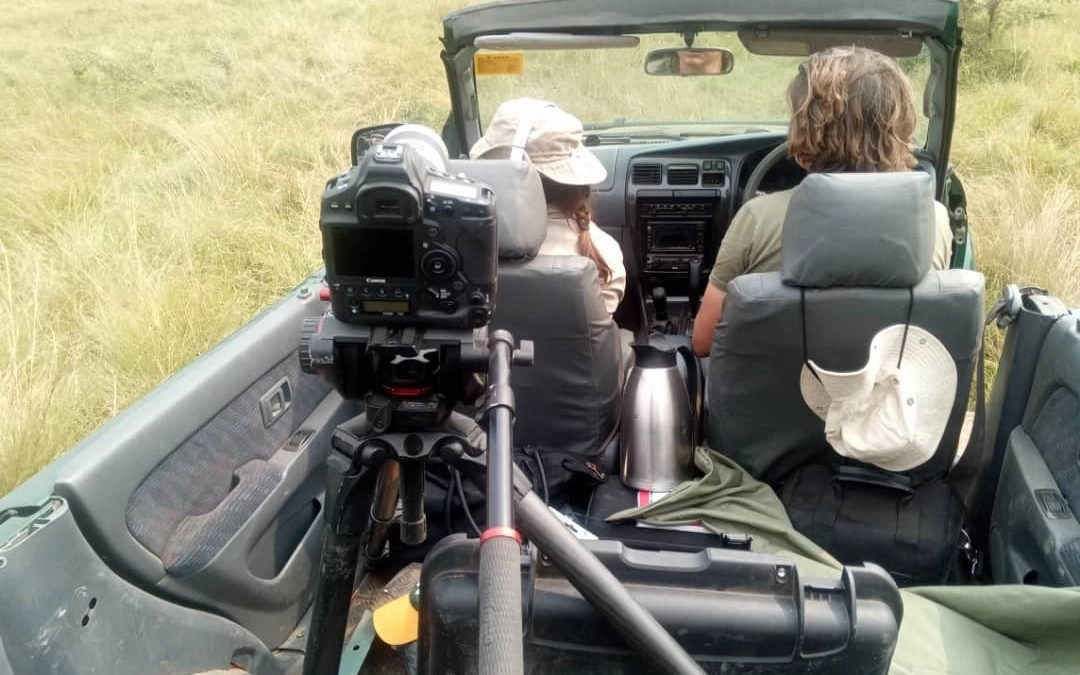
- 4×4 safari vehicles with pop-up roofs are ideal for wildlife filming and remote access.
- Safari vans or minibuses suit larger crews and heavy equipment loads.
- Experienced driver-guides know the roads and the wildlife areas, can position the vehicle for the best angle, and understand the patience that filming requires.
- Flexible, unlimited-mileage rentals let you follow the light and the animals without worrying about kilometre limits.
Frequently Asked Questions
What is the best month for filming in Uganda?
July and August, along with January and February, are generally strong choices thanks to dry conditions, good access and reliable light.
Can I film in Uganda during the rainy season?
Yes, but expect delays, muddy roads and the need for strong 4×4 transport and waterproof gear. The scenery is often greener and more dramatic.
Is Uganda hot all year?
Daytime temperatures are generally warm throughout the year. Highland areas are cooler, particularly in the mornings and evenings.
Do I need a 4×4 for filming in Uganda?
For parks, remote areas and any shoot in the wet season, a 4×4 is strongly recommended.
How early should I book a vehicle and driver?
As early as possible, particularly for peak dry-season dates, to secure the vehicle and crew you want.
Plan Your Film Trip with Uganda Car Rental Services
At Rent A Driver Uganda, we support photographers, documentary teams and production crews with reliable 4×4 vehicles, experienced driver-guides and flexible rental options, including unlimited mileage for long shoots. We can help you plan routes, choose the right vehicle for your equipment and keep your production moving, whatever the season.
Ready to plan your shoot? Contact us today for a tailored quote for your filming trip in Uganda with professional driver-guides, email to info@rentadriveruganda.com or call/chat with us on +256-700135510.