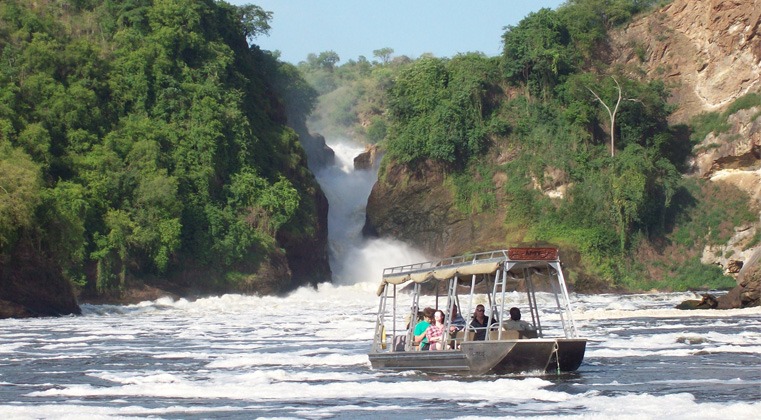

The Psychology of Safari Drivers in Uganda
More Than Just Drivers
When most travelers imagine a safari in Uganda, their minds leap to gorillas in misty forests, elephants crossing the savannah, or hippos wallowing in the Nile. Yet behind every unforgettable safari lies a figure often overlooked: the driver. In Uganda, safari drivers are not merely navigators of rugged terrain; they are storytellers, guardians, and interpreters of the wild. Their psychology — the way they think, act, and connect with guests — shapes the safari experience as much as the landscapes themselves.
The Storyteller’s Role
A safari driver in Uganda is, above all, a storyteller. From the moment the vehicle leaves Kampala or Entebbe, the driver begins weaving narratives that transform ordinary journeys into extraordinary adventures. They explain the folklore behind a mountain, the cultural significance of a bird call, or the conservation challenges facing a national park.
Storytelling is not accidental; it is deliberate psychology. Drivers understand that travelers connect emotionally with stories. A herd of elephants becomes more than a sighting when framed as part of a tale about migration, family bonds, or ancient traditions. A pause before approaching lions is not just caution; it is a dramatic beat in a narrative that heightens anticipation.
European travelers often remark that Ugandan drivers remind them of guides in historic European cities, where stories bring monuments to life. In Uganda, however, the stories are alive — moving, breathing, and unpredictable. The driver’s words become the lens through which guests interpret the wilderness.
Safety as a Psychological Anchor
Beyond storytelling, safari drivers in Uganda embody safety. In Uganda’s national parks, unpredictability is the rule. Roads can vanish under sudden rains, elephants may block paths, and rivers swell without warning. For travelers, especially those unfamiliar with African terrain, these uncertainties can provoke anxiety.

The psychology of a safari driver is built on calm authority. Their confidence reassures guests during close encounters with wildlife or when navigating treacherous tracks. A driver who speaks with composure, who explains risks without alarm, creates a psychological anchor. Guests relax, trust, and immerse themselves in the experience
Safety is not only physical but emotional. Drivers know when silence is more powerful than words, when humor diffuses tension, and when reassurance is needed. This emotional intelligence distinguishes Ugandan safari drivers from mere chauffeurs. They are guardians of both body and spirit.
Guest Experience: The Subtle Art of Connection
Every safari is unique because every guest is unique. Some travelers crave adrenaline, others seek serenity, and many desire cultural immersion. The psychology of safari drivers lies in their ability to read these desires and adapt accordingly.
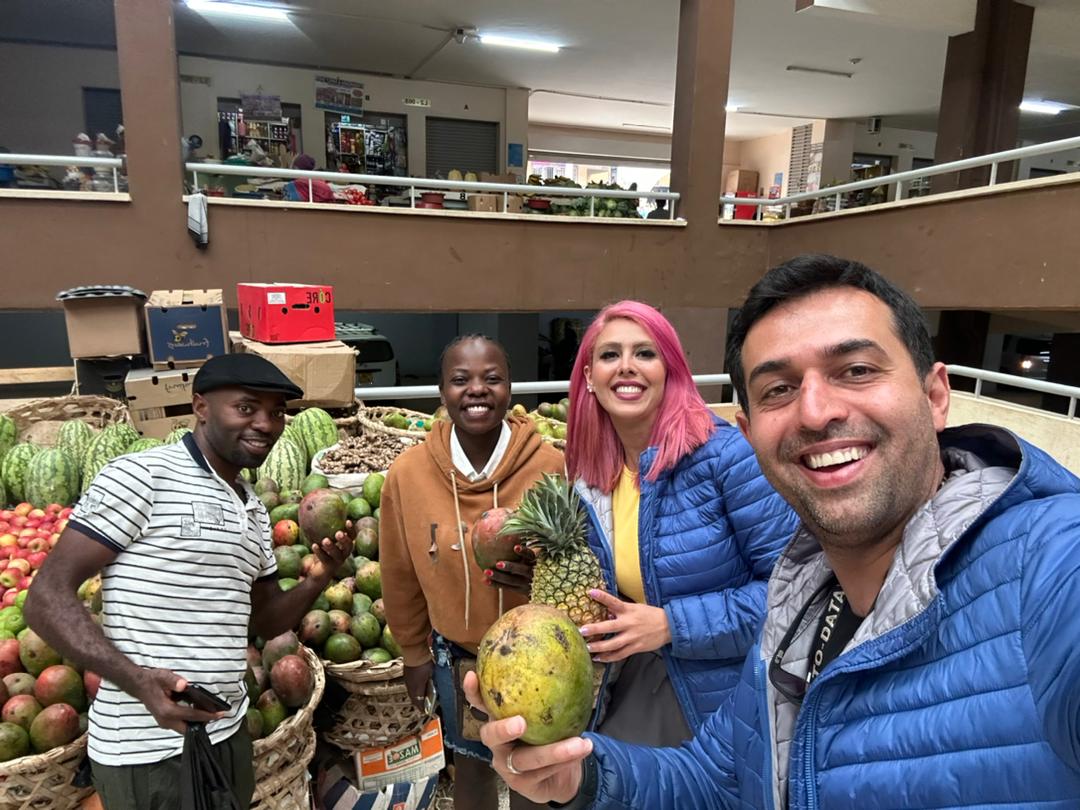
A driver senses when guests are tired and slows the pace, when excitement is high and accelerates toward a sighting, or when curiosity sparks and pauses for deeper explanation. This adaptability is not mechanical; it is empathetic. Drivers observe body language, listen to tone, and respond intuitively.
For European guests, accustomed to structured tours, this flexibility often feels liberating. The safari becomes a co‑created journey, shaped by both driver and traveler. The guest experience is not imposed but nurtured, making memories more personal and lasting.
Cultural Interpretation: Bridging Worlds
Safari drivers in Uganda are also cultural interpreters. They explain Maasai traditions, Baganda folklore, or the significance of local rituals. They connect wildlife encounters to human stories, weaving culture into nature.

This role is psychological because it bridges worlds. Travelers from Europe or elsewhere often arrive with limited understanding of Ugandan culture. Drivers act as mediators, translating traditions into accessible narratives without diluting authenticity. Guests leave not only with photographs of lions but with insights into the people who share the land with those lions.
The Psychology of Anticipation
One of the most powerful tools in a safari driver’s psychology is anticipation. Drivers know that the journey is as important as the destination. The hum of the engine, the dust rising from the track, the silence of passengers scanning the horizon — these moments build suspense.
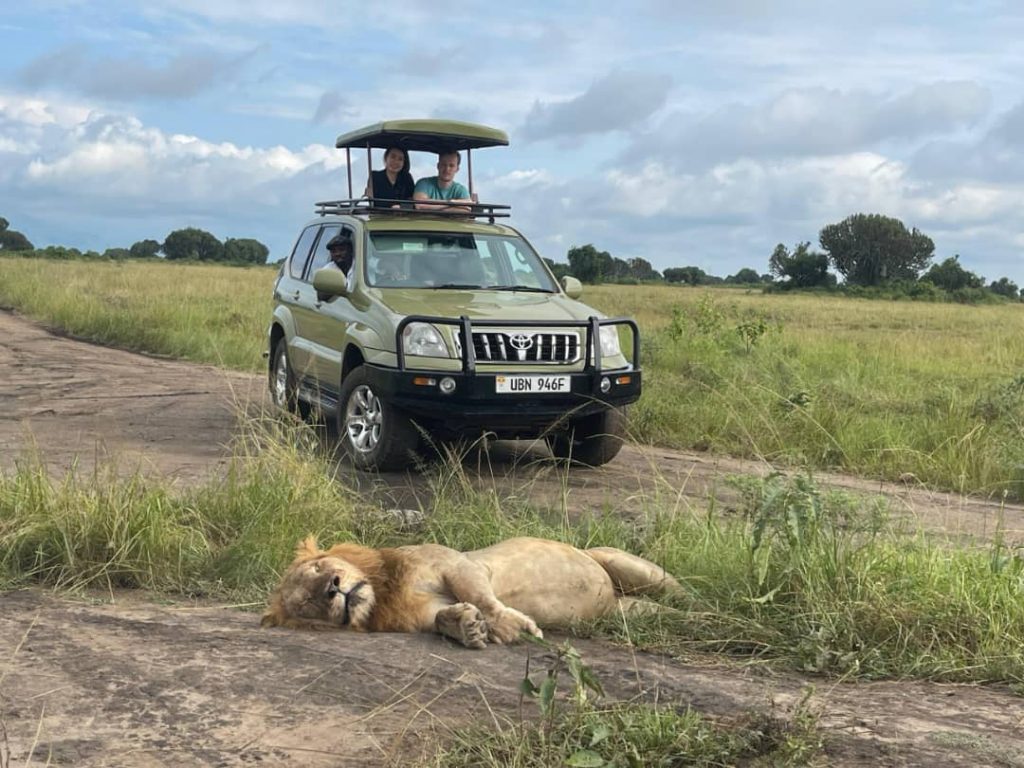
A driver may slow down before a herd of elephants, pause before cresting a hill, or whisper before revealing a hidden watering hole. These techniques heighten emotional engagement. The safari becomes not just a series of sightings but a dramatic narrative, with tension, climax, and resolution.
Trust and Competence
Trust is the cornerstone of the safari driver’s psychology. Guests entrust their safety, their time, and their memories to the driver. This trust is earned through competence — navigating difficult terrain, handling unexpected challenges, and demonstrating knowledge of wildlife behavior.
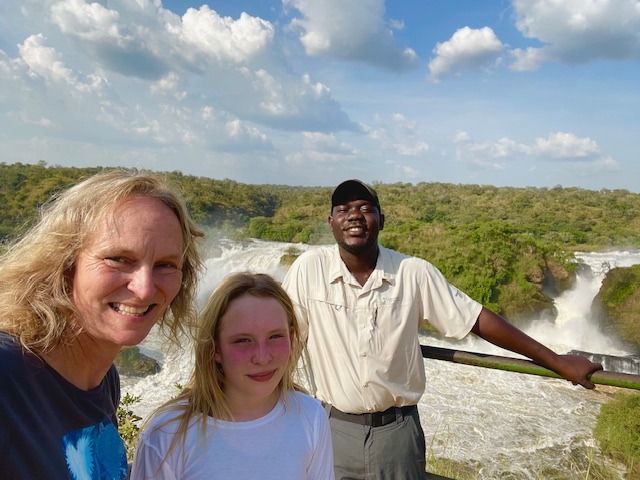
Competence builds confidence, and confidence builds trust. When guests trust their driver, they immerse themselves fully in the experience. They stop worrying about logistics and start living the adventure.
Beyond Logistics: The Architect of Memory
Ultimately, safari drivers in Uganda are architects of memory. They decide when silence is more powerful than words, when excitement should be tempered with patience, and when a detour might lead to the most extraordinary sighting of all.
Their psychology is not about mechanics but about meaning. They transform a safari from sightseeing into soul‑deep exploration. Guests leave not only with photographs but with stories, emotions, and connections that linger long after the journey ends.
Conclusion: The Human Element of Safari
In Uganda, the safari driver is more than a navigator. They are storytellers who weave narratives, guardians who provide safety, interpreters who bridge cultures, and psychologists who shape guest experiences. Their role is as vital as the landscapes they traverse and the wildlife they reveal.
For travelers seeking depth, authenticity, and connection, understanding the psychology of safari drivers in Uganda is essential. It is the human element that elevates a safari from a journey into an unforgettable adventure.
To book a safari driver in Uganda for your next road adventure- simply contact us now by sending an email to info@ugandacarrentalservices.com or call us now on +256-700135510.