The Complete Guide to Driver-Guided Safaris in Uganda
Uganda earned the nickname “the Pearl of Africa” for good reason: it packs savannah lions, forest-dwelling mountain gorillas, chimpanzees, tree-climbing lions, and the source of the Nile into one compact, road-connected country. The most popular — and often most practical — way to experience it all is a driver-guided safari, where a professional driver-guide handles navigation, park logistics, and wildlife spotting while you sit back in a 4×4 and watch the country unfold. This guide walks through everything you need to plan one.
What Is a Driver-Guided Safari?
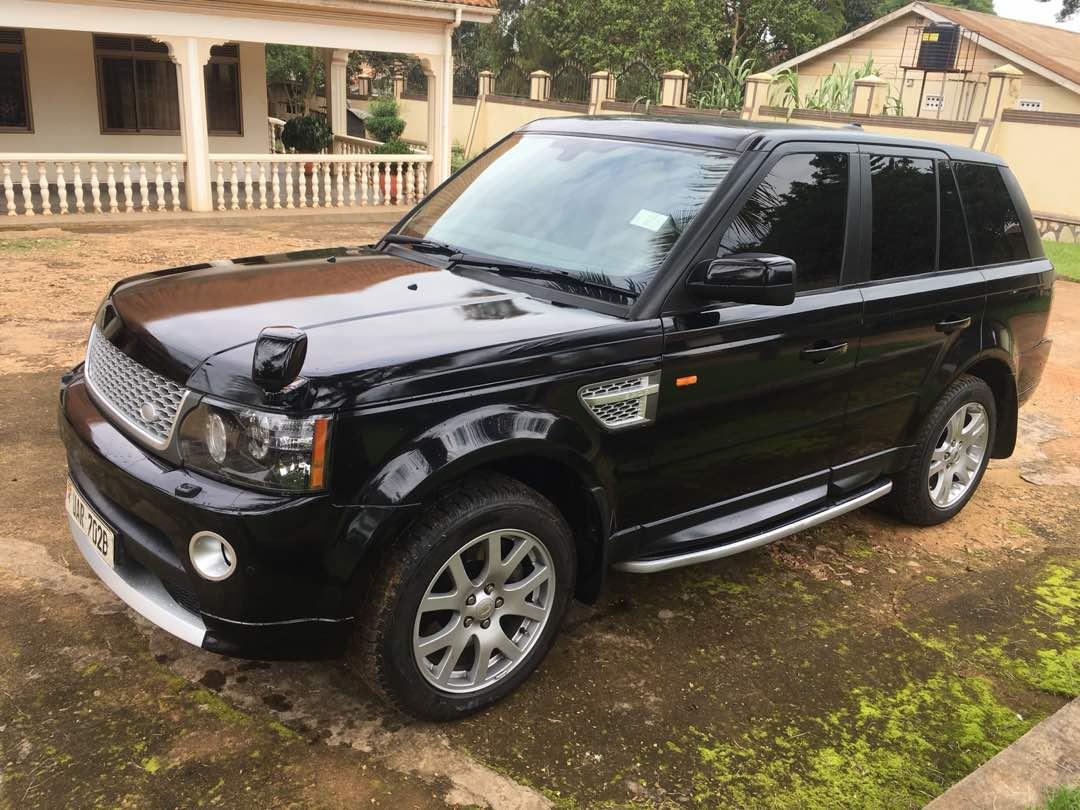
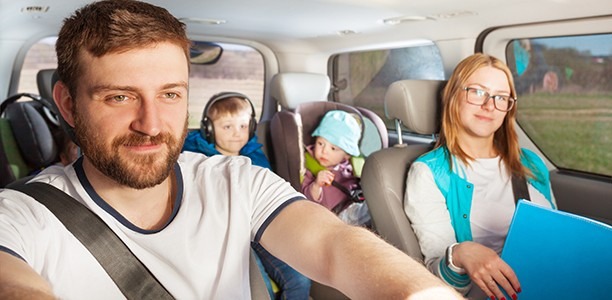
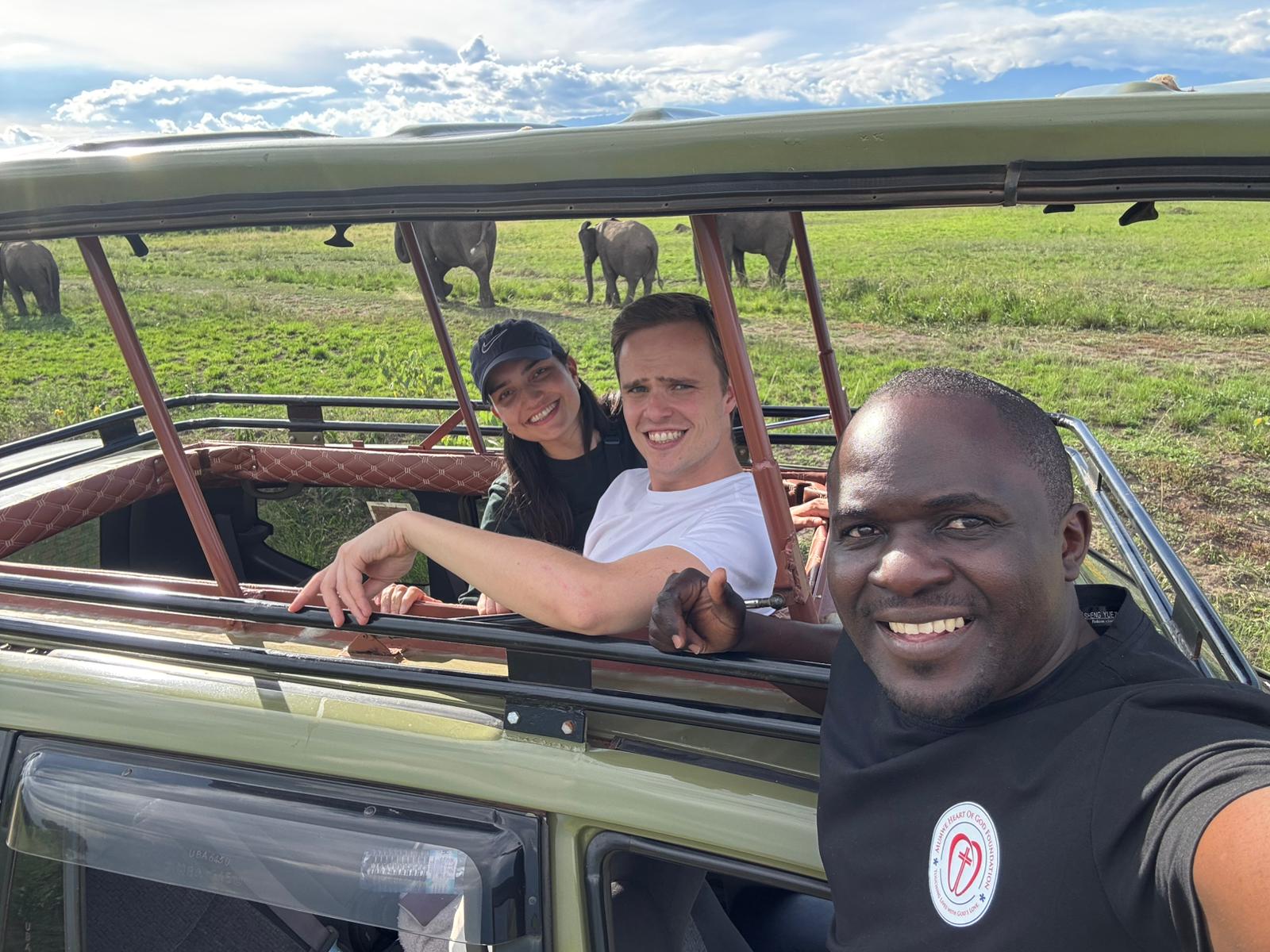
A driver-guided safari in Uganda pairs you with a private vehicle and a trained driver-guide for the length of your trip. Unlike a self-drive rental or a large group coach tour, the driver-guide is your single point of contact from airport pickup to final drop-off. They:
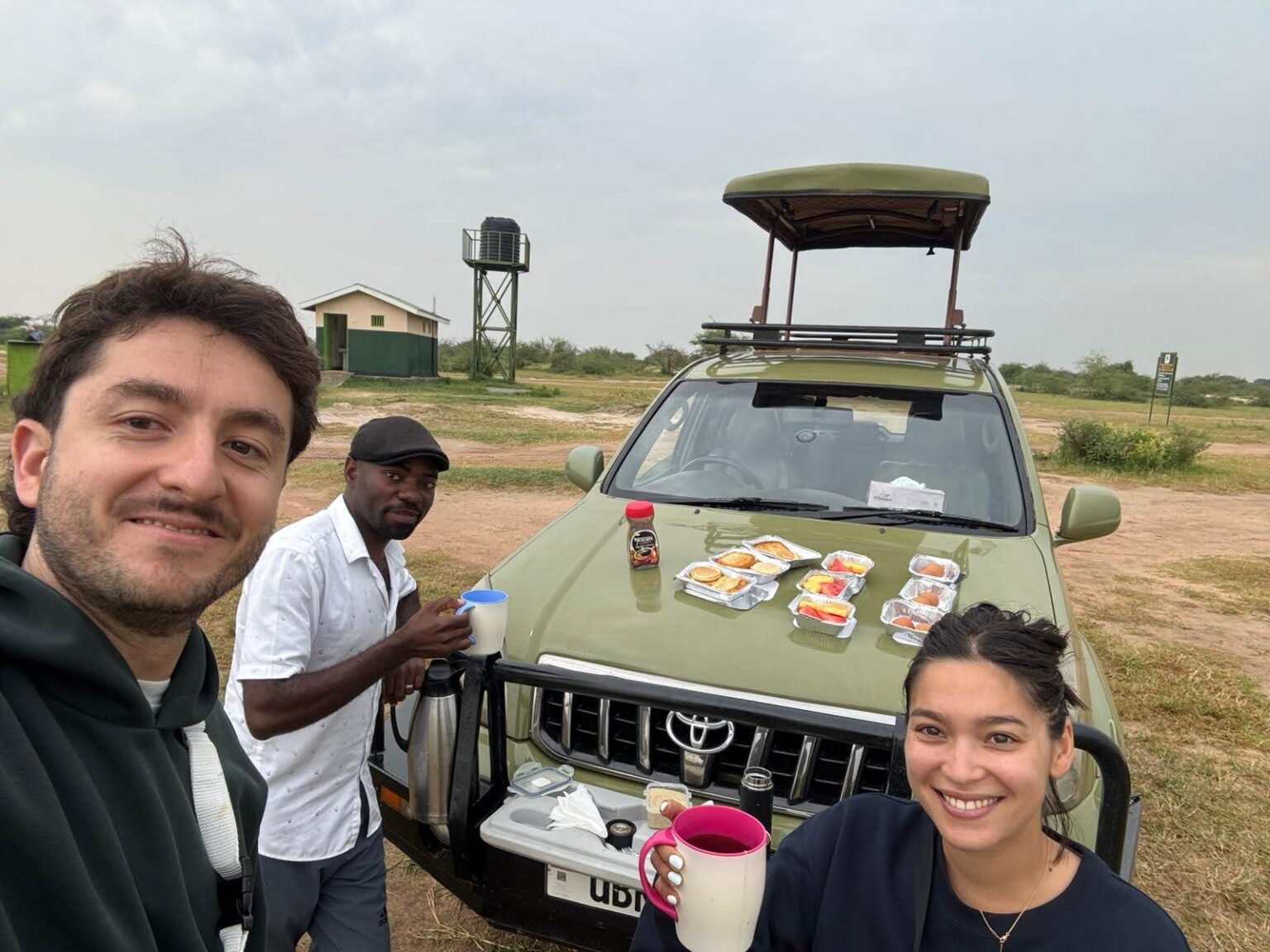
- Navigate Uganda’s mix of paved highways and rougher rural roads
- Know where wildlife tends to gather and how to read animal behavior
- Handle park entry permits, ranger coordination, and border paperwork
- Act as translator, cultural interpreter, and mechanic-of-first-resort
- Adjust the itinerary in real time around weather, road conditions, or a good sighting
This model is popular in Uganda specifically because road conditions can be unpredictable, GPS coverage is patchy in remote areas, and a local guide dramatically increases the odds of good wildlife sightings — including gorilla and chimp trekking, which require specialized coordination with park authorities.
Why Choose Uganda for a Safari
Uganda offers a different flavor of safari than Kenya or Tanzania’s open-plains classics. Its draw is diversity packed into a small footprint:
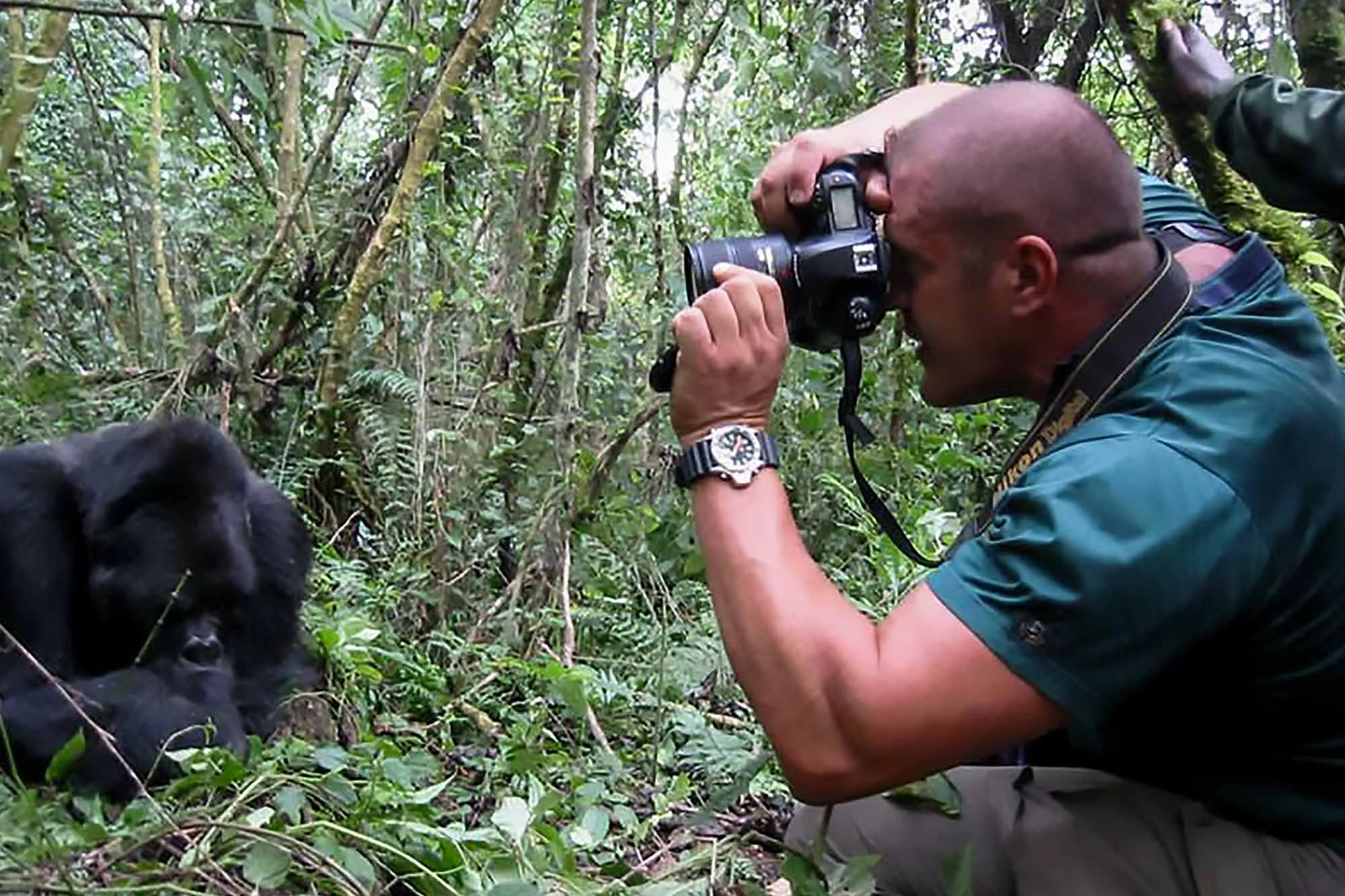
- Mountain gorilla trekking in Bwindi Impenetrable National Park or Mgahinga Gorilla National Park — one of only three countries on earth where this is possible
- Chimpanzee tracking in Kibale Forest, home to one of the highest primate densities in Africa
- Tree-climbing lions in Queen Elizabeth National Park’s Ishasha sector
- Big game and boat safaris along the Nile in Murchison Falls National Park
- Bird-watching across wetlands and forests that host over 1,000 recorded species
- Shorter driving distances between parks than in many other East African safari countries
Planning Your Route: The Major Parks
A driver-guide will typically build your itinerary around a loop or a one-way route through some combination of these parks:
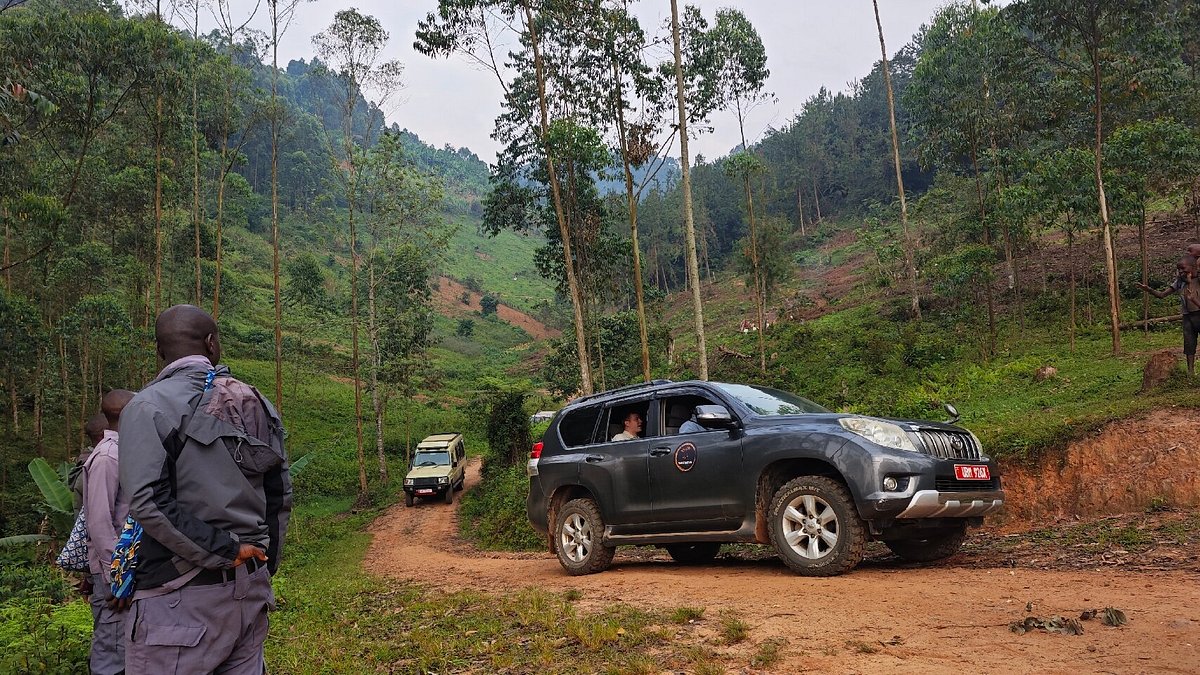
Bwindi Impenetrable National Park — The heart of gorilla trekking, split into four trekking sectors (Buhoma, Ruhija, Rushaga, and Nkuringo), each with its own habituated gorilla families and lodges nearby.
Queen Elizabeth National Park — Uganda’s most visited savannah park, known for the Kazinga Channel boat cruise, tree-climbing lions in Ishasha, and a huge hippo population.
Murchison Falls National Park — Uganda’s largest park, centered on the dramatic point where the Nile forces itself through a narrow gorge. Good for classic game drives plus a launch cruise to the base of the falls.
Kibale Forest National Park — The primate capital, best known for chimpanzee tracking alongside eleven other primate species.
Lake Mburo National Park — A smaller, easily accessible park often used as a first or last stop, good for zebra, impala, and relaxed game drives without the crowds.
Mgahinga Gorilla National Park and Semuliki National Park round out itineraries for travelers wanting to combine gorillas with golden monkey trekking or a quieter, less-visited corner of the country.
A typical first-time itinerary runs 7–10 days and combines gorilla trekking with two or three savannah parks; travelers with more time often add Kibale for chimps or extend into Rwanda.
Gorilla and Chimpanzee Permits: What They Cost in 2026
Permits are the single biggest line item in most Uganda safari budgets, and pricing has shifted meaningfully in 2026, so it’s worth understanding the current structure before you book.
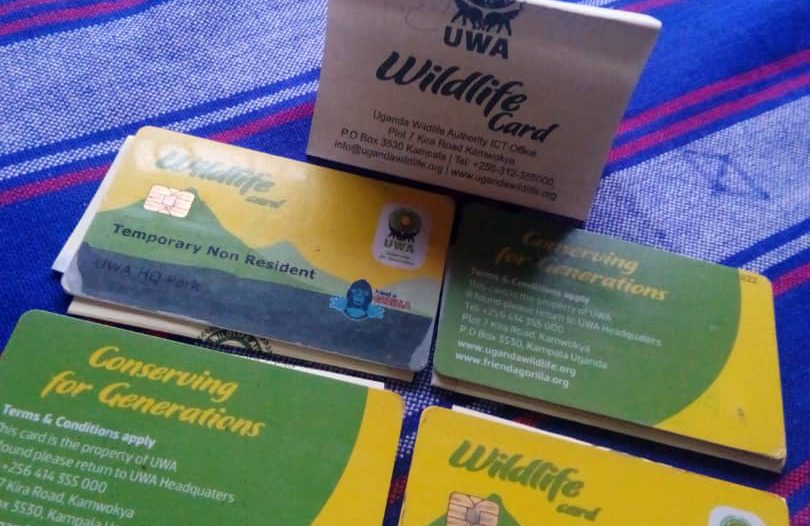
Gorilla trekking permits in Uganda are issued by the Uganda Wildlife Authority (UWA) for Bwindi Impenetrable National Park and Mgahinga Gorilla National Park. The standard gorilla permit costs $800 per person for non-resident foreign travelers during peak and shoulder seasons, with reduced rates for foreign residents, other African-passport holders, and East African citizens. During the low season months of April, May, and November, UWA offers a discounted permit priced at $600 for foreign non-residents, though these discounted permits typically cannot be rescheduled.
For a longer, more immersive encounter, the Gorilla Habituation Experience allows visitors to spend four hours with a gorilla family that is still being habituated to human presence, rather than the standard one hour. This habituation permit is priced at $1,500 and is offered exclusively in Bwindi Impenetrable Forest.
A few booking details are important to know going in:
- As of March 1, 2026, individual foreign travelers can no longer buy permits directly from UWA — all bookings must go through a licensed Ugandan tour operator, which is one of the practical reasons most visitors travel with a driver-guide and operator rather than arranging everything independently.
- The previous system allowing a 7-day reservation window before payment has been suspended, meaning permits must now be paid in full at the time of booking.
- Only eight people are allowed per gorilla family per day, and Bwindi has more than nineteen habituated families spread across its sectors compared to Mgahinga’s single habituated group, so booking several months ahead is strongly recommended, especially for June–September and December–February travel.
- Uganda’s gorilla permits remain notably cheaper than the alternative: Rwanda’s equivalent permit costs $1,500, making Uganda the better-value option for travelers focused on cost, though Rwanda offers easier access from Kigali.
Chimpanzee tracking permits in Kibale Forest are separate from gorilla permits and cost considerably less, typically in the low hundreds of dollars per person — your operator can confirm current rates when building your itinerary.
Best Time to Visit
Uganda sits on the equator, so temperatures stay fairly consistent year-round; what changes is rainfall.
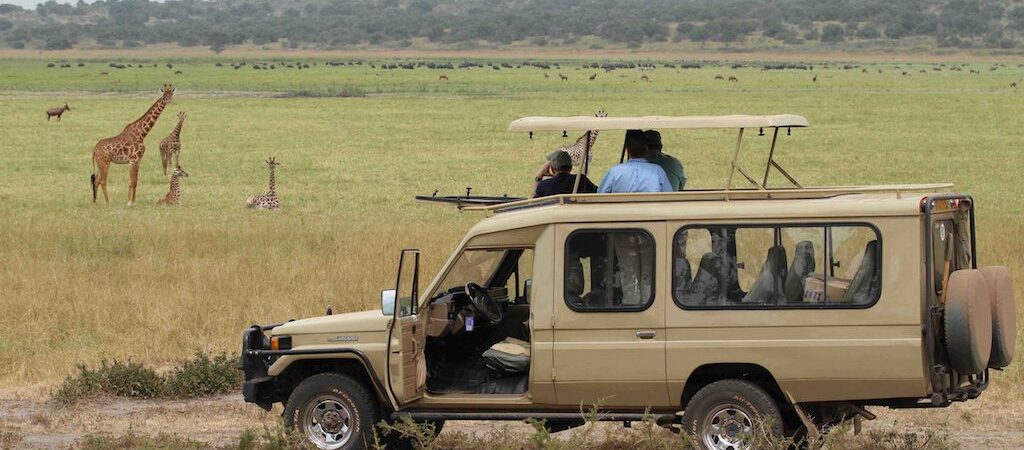
- Dry seasons (roughly December–February and June–September) offer the easiest hiking conditions for gorilla trekking and the best game-viewing as animals cluster around water sources. This is also peak season, meaning higher demand for permits and lodges.
- Wet seasons (April–May and November) bring muddier, more strenuous treks but thinner crowds, lush scenery, and — as noted above — discounted gorilla permits during these exact months.
A driver-guide who knows current trail and road conditions is especially valuable during the wetter months, when some routes become more difficult to navigate.
What a Driver-Guide Actually Does Day to Day
- Picks you up from Entebbe International Airport and handles the drive to your first park
- Times departures around game-viewing hours (early morning and late afternoon are prime wildlife activity windows)
- Coordinates directly with park rangers for trekking briefings and permit verification
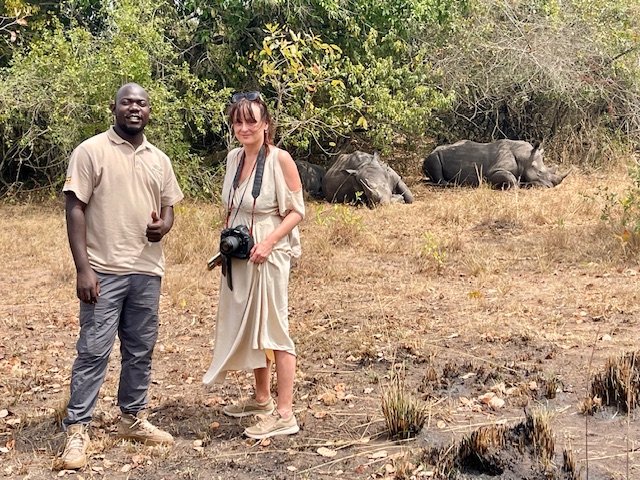
- Points out and identifies wildlife and birds you’d likely miss on your own
- Manages fuel stops, checkpoints, and the inevitable unpaved detour
- Shares cultural context — local history, community life, conservation efforts — that turns a wildlife trip into a fuller picture of the country
Choosing a Tour Operator
Because permits, park fees, and route logistics are now tightly bound to licensed operators, choosing the right company matters more than ever. Look for:
- A verified, direct relationship with the Uganda Wildlife Authority for permit processing
- Transparent, itemized pricing that separates permits, park fees, accommodation, and guide fees
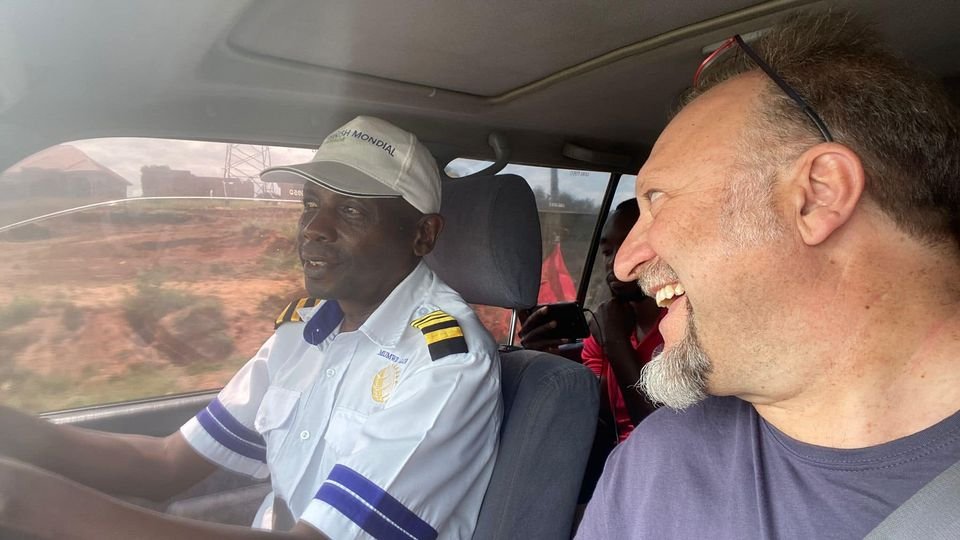
- Driver-guides with strong reviews specifically mentioning wildlife knowledge and communication
- Flexibility to combine parks efficiently rather than backtracking across the country
- Clear policies on payment timing, given the current full-payment-at-booking requirement for permits
Budgeting Realistically
Permit costs are only one part of the total trip cost. A realistic budget should also include:
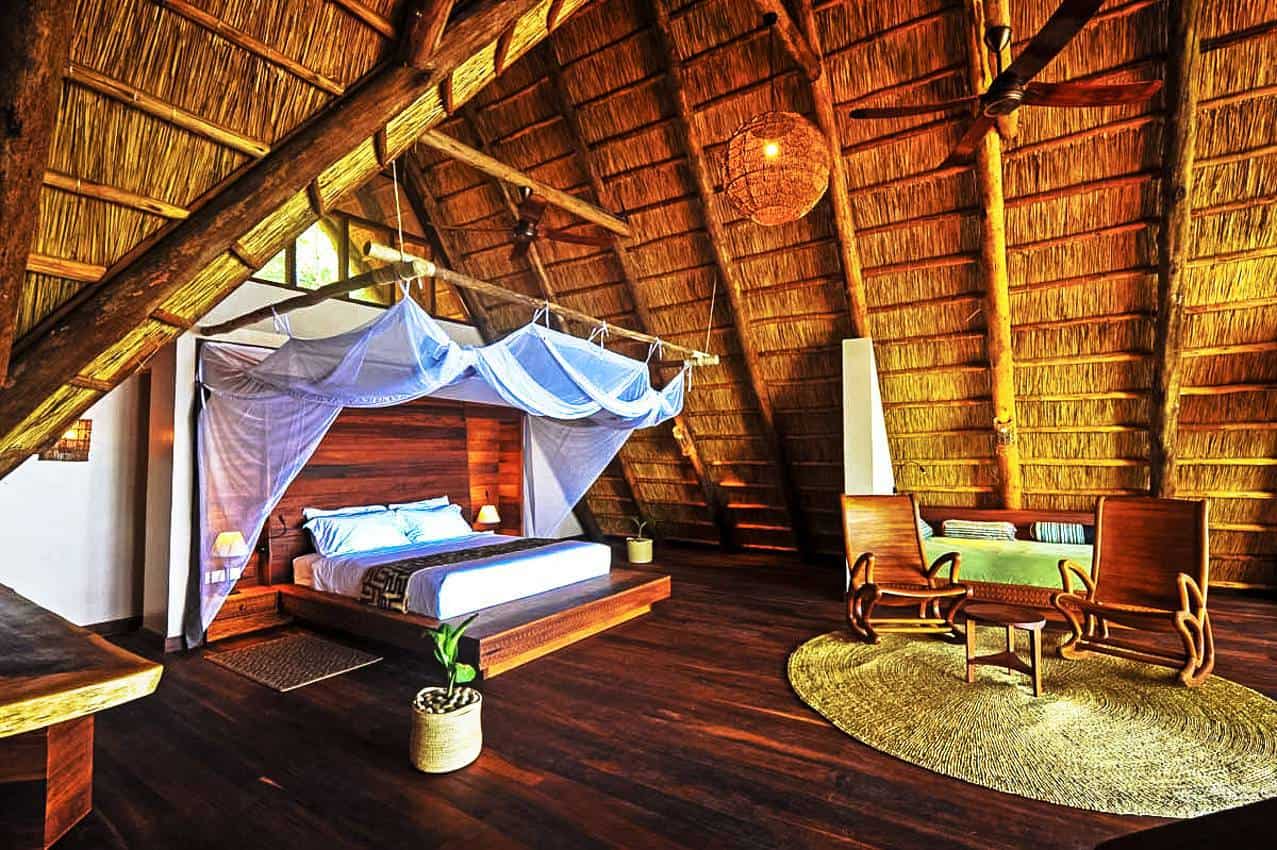
- Accommodation — ranges from budget guesthouses near park entrances to luxury lodges overlooking the forest or savannah
- Vehicle and driver-guide fees — usually quoted per day, covering fuel, driver accommodation, and vehicle maintenance
- Park entrance fees — separate from trekking permits, charged per park per day
- Meals, which are sometimes included in lodge rates and sometimes billed separately
- Tips for your driver-guide and trekking rangers, which are customary but not usually included in quoted prices
For a first-time visitor, a well-rounded 7–10 day trip combining gorilla trekking with two savannah parks is the most common and cost-effective way to see Uganda’s range without excessive backtracking.
Packing and Practical Tips
- Bring layered clothing — mornings and forest interiors are cool, midday sun is strong
- Waterproof hiking boots with good ankle support are essential for gorilla and chimp trekking
- Gardening gloves help when grabbing vegetation on steep forest trails
- A good rain jacket is non-negotiable, even in the “dry” season
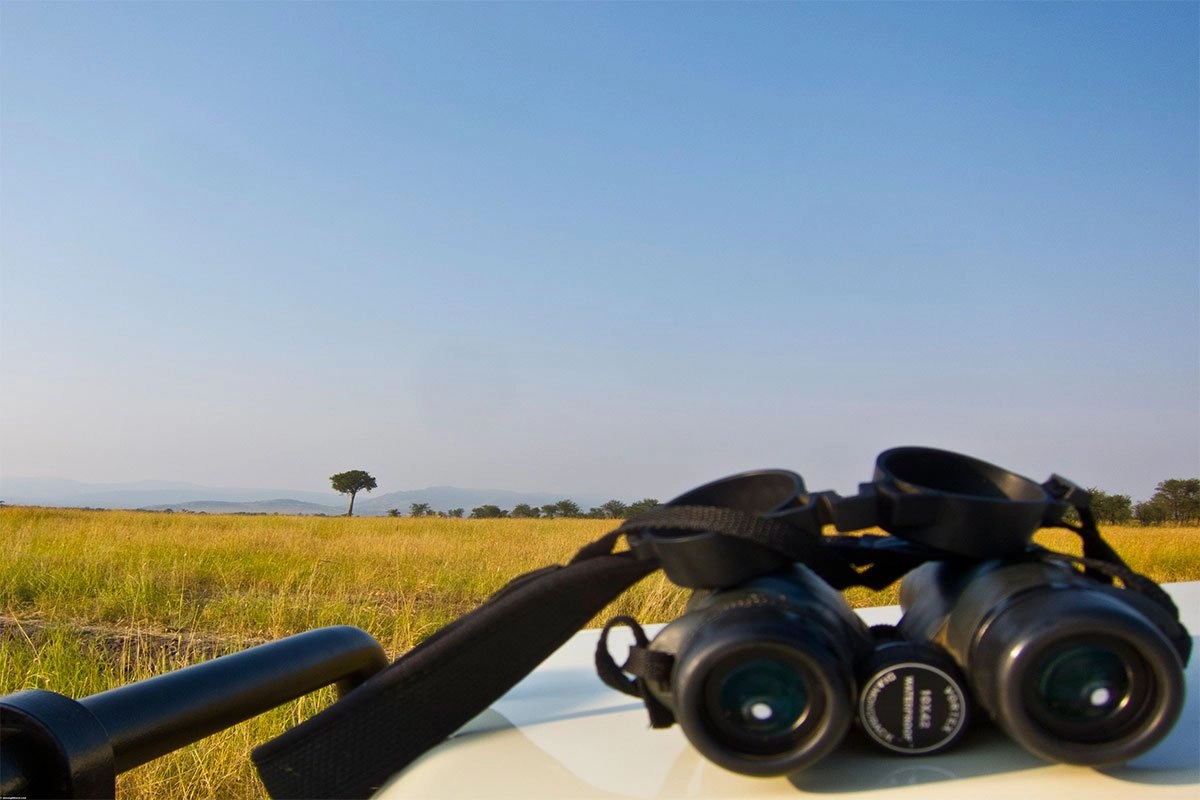
- Binoculars and a zoom lens will noticeably improve your wildlife photos
- Yellow fever vaccination is required for entry, and malaria prophylaxis is strongly recommended
- Cash in US dollars (post-2006 bills in good condition) is still widely needed for tips and incidentals
Final Thoughts
A driver-guided safari in Uganda remains the most reliable way to experience the country’s mix of primates, savannah wildlife, and dramatic landscapes without getting bogged down in logistics you can’t easily manage from abroad. With gorilla permits now routed exclusively through licensed operators and priced firmly at $800 (or $600 in the wet-season discount window), booking early with a reputable operator has become less of a nice-to-have and more of a practical necessity. Build your route around one or two headline experiences — gorillas, chimps, tree-climbing lions — and let your driver-guide fill in the rest.
To rent a car and driver for a Uganda safari adventure- simply contact us now by sending an email to info@rentadriveruganda.com or call us now on +256-700135510.