How a Pro Uganda Driver Saves You $300 in Park Fines
Uganda’s national parks are breathtaking. They are also governed by a surprisingly dense web of rules, fees, permit requirements, and entry protocols that catch first-time visitors completely off guard. Rangers are professional, the Uganda Wildlife Authority is well-organized, and the rules exist for good conservation reasons — but ignorance of those rules is never accepted as an excuse at the gate. Travelers who arrive without a professional local driver routinely walk into fines, duplicate charges, and avoidable fees that quietly add $200 to $300 to their trip budget before they have even spotted their first elephant. Here is exactly how an experienced Ugandan driver-guide protects your wallet at every step.
The Gate Entry Trap: Paying Twice Without Knowing It
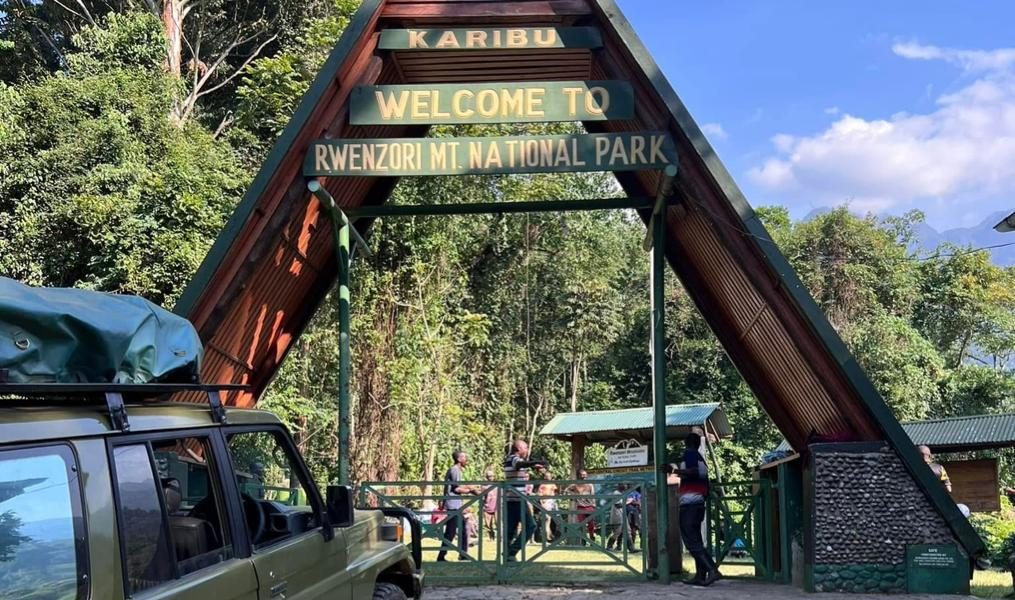
Uganda’s national parks operate on a 24-hour entry system. Your park fee clock starts the moment your vehicle passes through the gate — not from midnight, not from the following morning, but from the exact hour of arrival. A traveler who drives into Murchison Falls National Park at 4pm and plans to spend two full days inside will often assume their entry covers the following two days. It does not. Without a driver who knows this, you exit on day three having technically clocked three entry periods, not two, and face a supplementary charge at the gate.
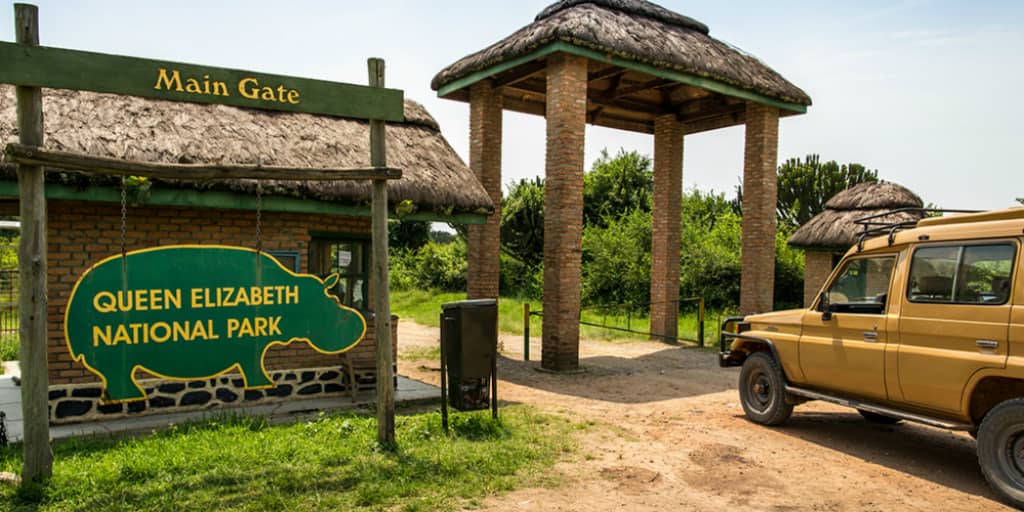
A professional driver knows to time gate entry precisely. In many cases, arriving thirty minutes later in the day saves you an entire day’s park fees — which for a foreign non-resident visitor can be $40 per person or more. On a family trip or group booking, that single piece of timing knowledge pays for a significant portion of the driver’s daily hire fee all by itself.
Vehicle Classification Fees: The Category Your Car Falls Into Matters
Uganda Wildlife Authority charges vehicle entry fees based on vehicle category — and the classification is not always intuitive. A standard rental 4WD can be classified as either a regular vehicle or a commercial safari vehicle depending on its registration, seating capacity, and the nature of the booking. Commercial safari vehicle rates are significantly higher than private vehicle rates.
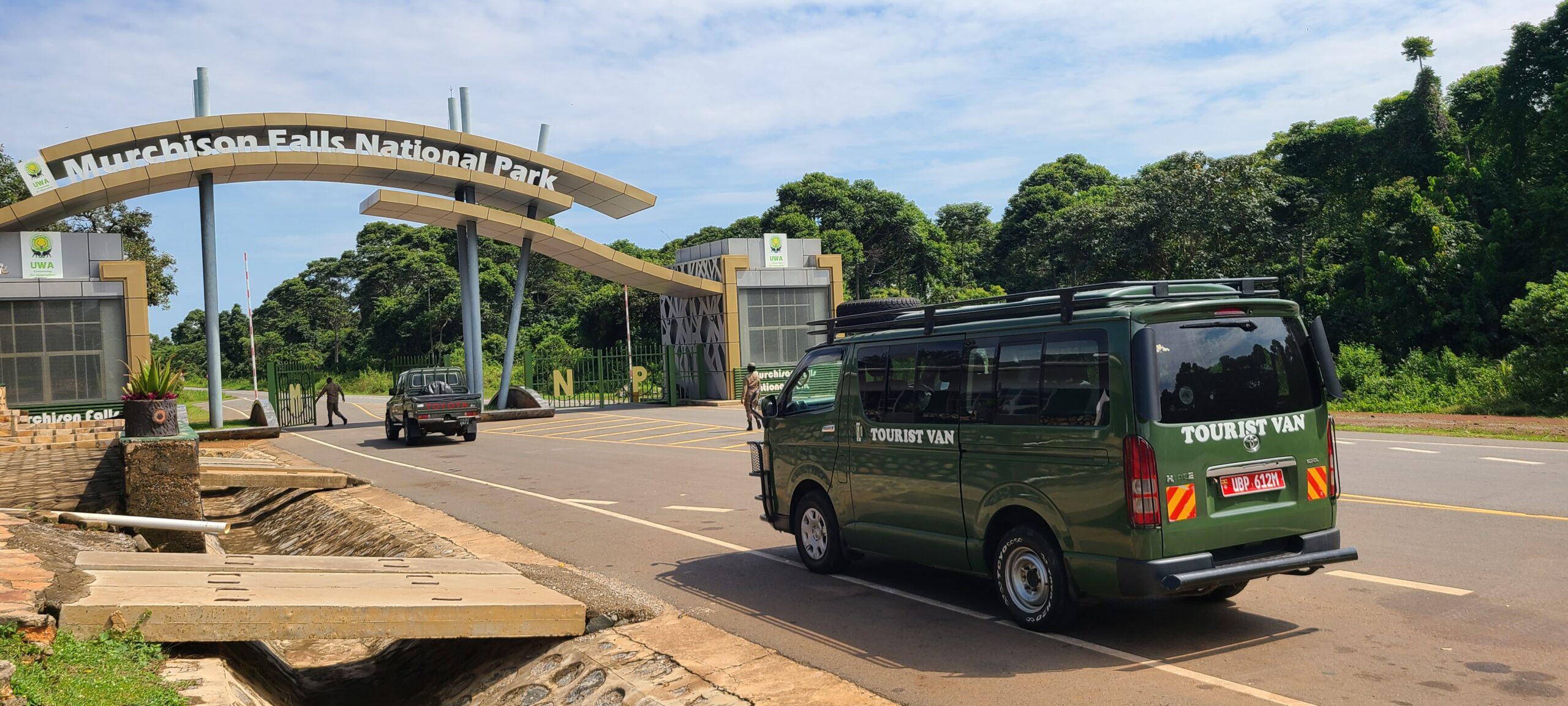
travelers who self-drive rental cars in Uganda and are unfamiliar with how their specific vehicle is registered often get charged the higher commercial rate without question. An experienced local driver knows exactly which category their vehicle falls under, carries the correct documentation to support that classification, and confidently handles any disputes at the gate before the overcharge appears on your receipt. This single issue regularly costs uninformed visitors between $50 and $80 on a week-long trip across multiple parks.
Gorilla and Chimpanzee Permit Rules: The Fine Print Is Expensive
Uganda’s gorilla trekking permits cost $800 per person — among the most expensive wildlife permits in the world. What many visitors do not realize is that the permit comes with strict conditions about group size, trekking time limits, and behaviour within the habituated gorilla group’s range. Accidental violations — lingering beyond the one-hour time limit, getting closer than the required seven meters, or entering the forest outside the designated assembly window — can result in permit invalidation or supplementary ranger fees.
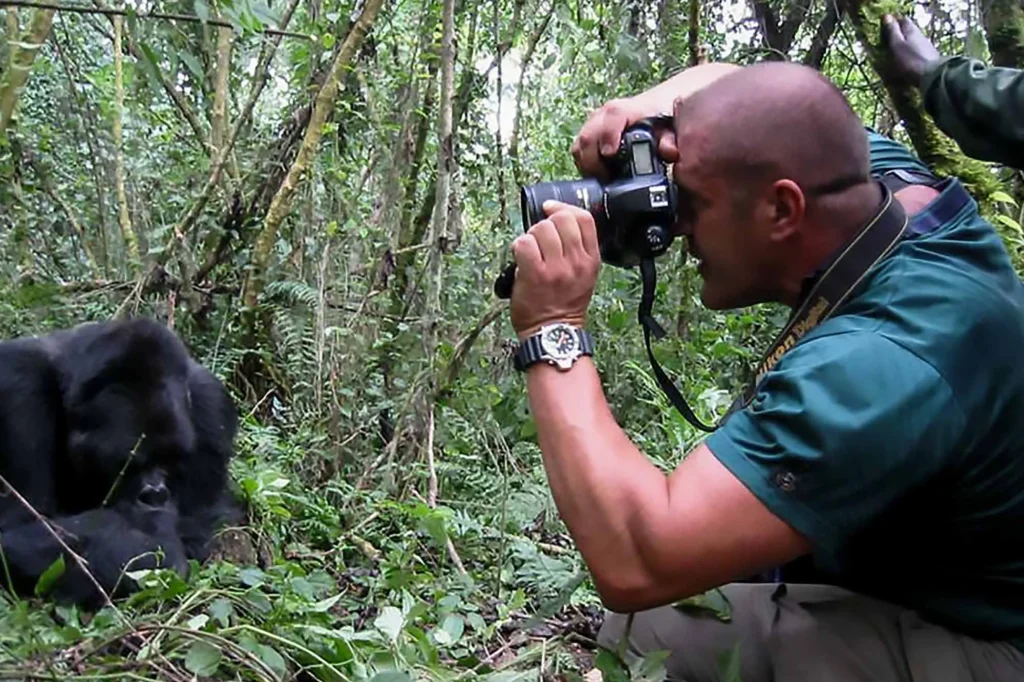
A professional driver who has escorted dozens of gorilla treks knows the assembly times, the briefing protocols, and the exact behavioral guidelines that protect both your permit and your experience. They also know which rangers to speak to when a situation is ambiguous, and how to navigate a polite but firm conversation that resolves a potential fine before it is formally recorded.
Fuel and Re-entry: The Mistake That Costs $120 in One Afternoon
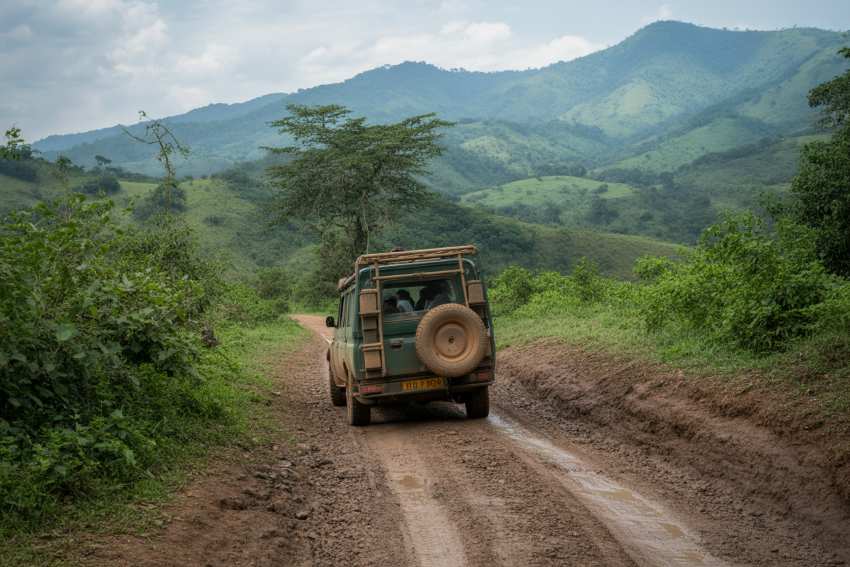
Murchison Falls, Kidepo, and Queen Elizabeth are all large parks where internal driving distances are significant. travelers who exit the park to refuel in a nearby town — something that seems perfectly sensible — trigger a new gate entry on their return. Depending on the park and the remaining days of your itinerary, that unplanned re-entry can cost each person in the vehicle a full additional day’s park fee.
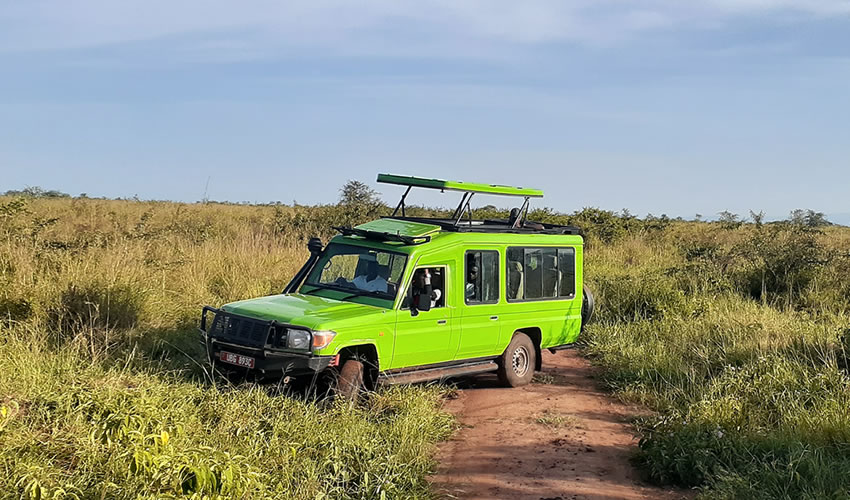
An experienced driver calculates fuel requirements before entering the park, identifies whether jerrycan cans should be carried, and plans routes so that re-entry is never necessary. This is not just logistical competence — it is a form of financial protection that an unfamiliar self-drive visitor has almost no way of providing for themselves.
Community Levy and Concession Fees: The Charges Nobody Mentions Online
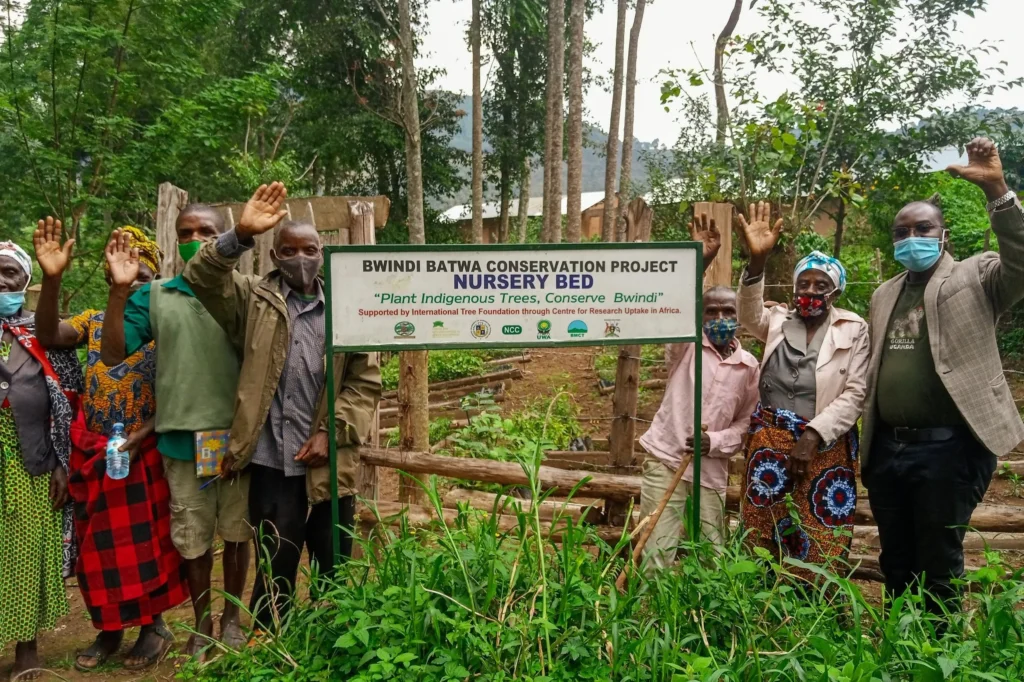
Several areas adjacent to Uganda’s national parks — particularly around Bwindi and Mgahinga — levy community development fees and concession charges that are separate from the main UWA gate fee. These are legitimate charges that support local communities and conservation buffer zones, but they are not prominently listed on most travel websites. First-time visitors routinely express surprise at these additional costs, and in some cases attempt to dispute them, which creates awkward delays and occasionally results in restricted access to specific trekking sectors.
A driver who regularly works these routes knows every levy, every concession fee, and every community charge on the itinerary. They brief you the night before, ensure you carry the correct cash denomination — because many of these payments are cash-only and exact change is expected — and process the payment smoothly so your morning departs on schedule rather than stalling at a roadside checkpoint.
The Bigger Picture: Knowledge Is the Most Valuable Thing in the Vehicle

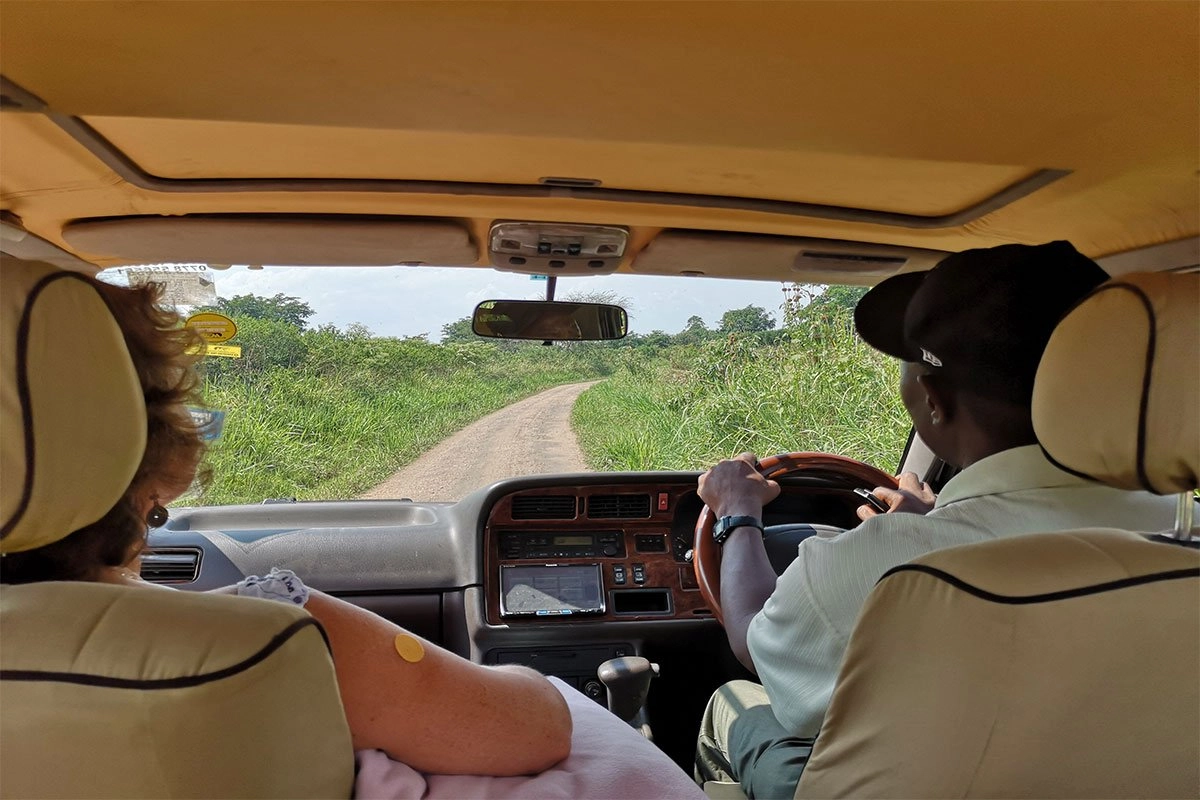
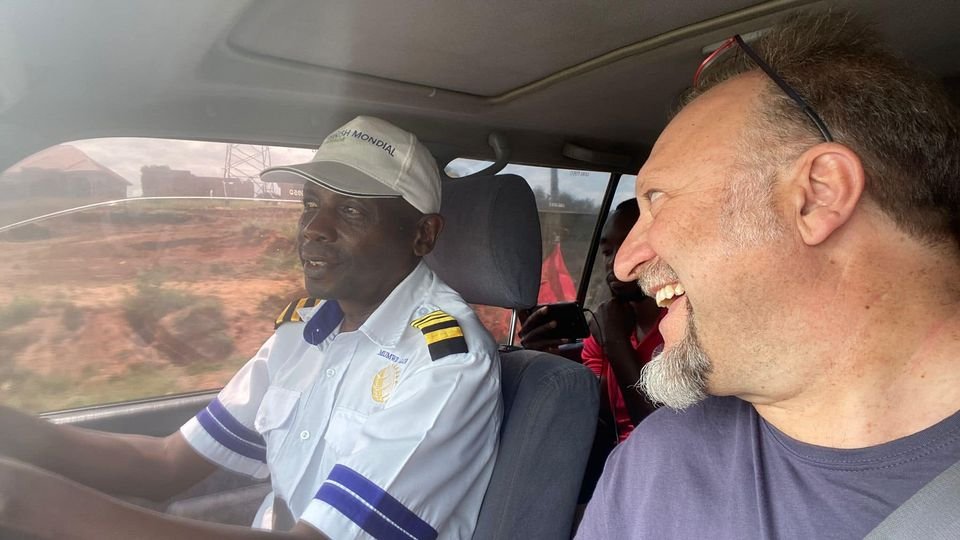
When you hire a professional Ugandan driver-guide, you are not simply paying for someone to operate a steering wheel. You are paying for accumulated local knowledge that took years of daily park visits to build. That knowledge — of gate timings, vehicle classifications, permit conditions, re-entry rules, and community levies — is the single most reliable insurance policy available to a traveler navigating Uganda’s parks for the first time.
The $300 in fines and avoidable charges that a good driver saves you is not an exaggeration. It is a conservative estimate based on what routinely happens to well-intentioned visitors who arrive informed about wildlife but uninformed about the rules that govern access to it. Book the driver. The saving more than covers the cost.
Pro tip: Always ask your driver to walk you through the full fee structure for each park the evening before arrival. Transparency before the gate eliminates every surprise at it.
Planning a safari in Uganda and require a 4×4 and services of a professional driver-guide, simply contact us now by sending an email to info@rentadriveruganda.com or call us now on +256-700135510.