Eco-Driving in Uganda: Cut Fuel Waste on Multi-Stop Routes
The Uganda safari circuit is one of the most extraordinary road journeys on Earth — but it is also one of the longest. From Kampala to Murchison Falls is six hours. Murchison to Kibale is another four. Kibale to Bwindi is three more. By the time a traveler completes a classic 10-day multi-park circuit, a safari vehicle has covered well over 1,500 kilometres across tarmac highways, red murram tracks, and bush roads that barely deserve the name.
Every one of those kilometres burns fuel. And in a country whose most treasured landscapes are under increasing pressure from climate change — retreating glaciers on the Rwenzori, shifting rainfall patterns threatening Bwindi’s forest ecosystem, rising temperatures across the arid northeast — the environmental cost of that fuel matters.
Eco-conscious travel in Uganda is not about sacrificing comfort or adventure. It is about making smarter choices at every stage of the journey. Here is how experienced drivers and travellers reduce fuel waste on multi-stop Uganda routes — and why it adds up to something genuinely significant.
Plan the Route Intelligently Before You Leave
The single most impactful eco-driving decision happens before the engine starts. A poorly planned itinerary can add hundreds of unnecessary kilometres to a Uganda circuit — doubling back between parks, taking inefficient routes, or scheduling stops in an order that makes geographic nonsense.
The classic southwest circuit — Queen Elizabeth, Bwindi, Lake Mburo — flows naturally in a loop from Kampala. Reversing the direction or inserting unnecessary Kampala return legs can add 400+ kilometres to the same journey. A good local driver-guide or car hire operator will help you design a route that flows with Uganda’s geography rather than against it.
Smart sequencing reduces total distance, total fuel, and total emissions — while often delivering a richer itinerary.
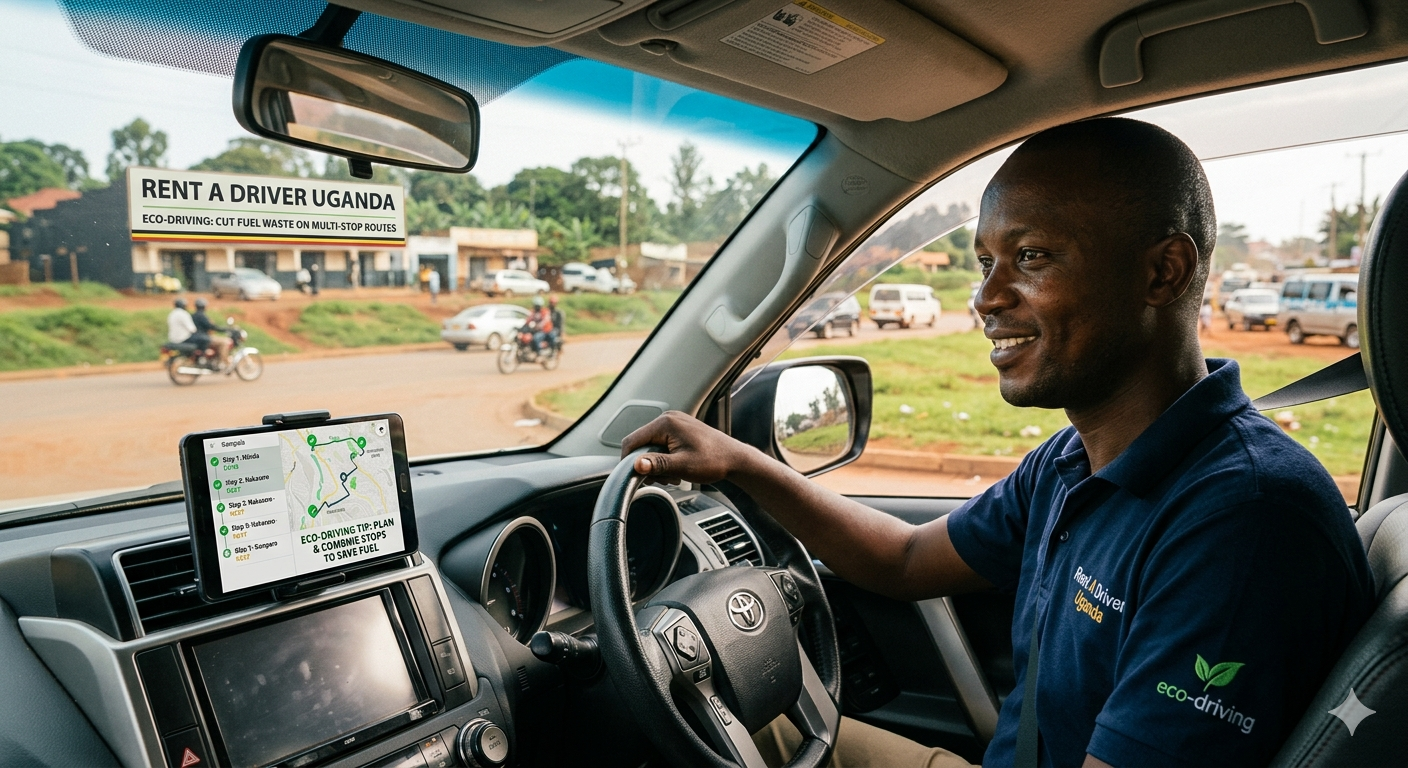
Rent A Driver Uganda offers route planning support as part of its hire service, helping travellers build efficient, low-waste itineraries from the outset.
Drive at Consistent, Fuel-Efficient Speeds
On Uganda’s open tarmac roads — the Kampala–Masaka highway, the Fort Portal corridor, the northern road to Gulu — fuel efficiency peaks between 80 and 90 kilometres per hour. Above that, aerodynamic drag increases fuel consumption disproportionately. Below it on long stretches, engines can labour inefficiently in the wrong gear.
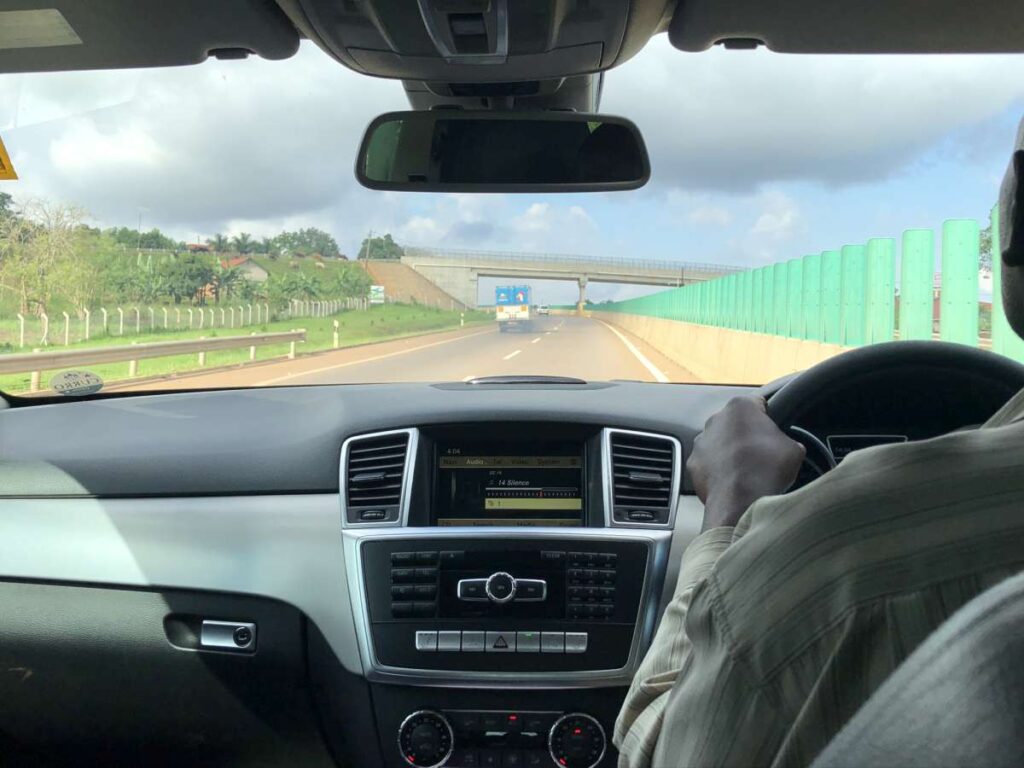
Experienced eco-drivers maintain smooth, consistent speeds using gentle acceleration and anticipatory braking — reading the road ahead to avoid the stop-start pattern that burns fuel at twice the rate of steady cruising. On murram roads and bush tracks, lower speeds are necessary anyway, but the principle holds: smooth and steady outperforms aggressive and reactive every time.
Avoid the temptation to rush between parks to maximize wildlife time at the destination. The journey itself — through Uganda’s spectacular countryside — is part of the experience, and a calmer driving pace serves both fuel economy and road safety.
Reduce Unnecessary Engine Idling
Idling is one of the most overlooked sources of fuel waste on safari. A stationary engine running at idle consumes between 0.5 and 1 litre of fuel per hour — not insignificant across a multi-day trip.
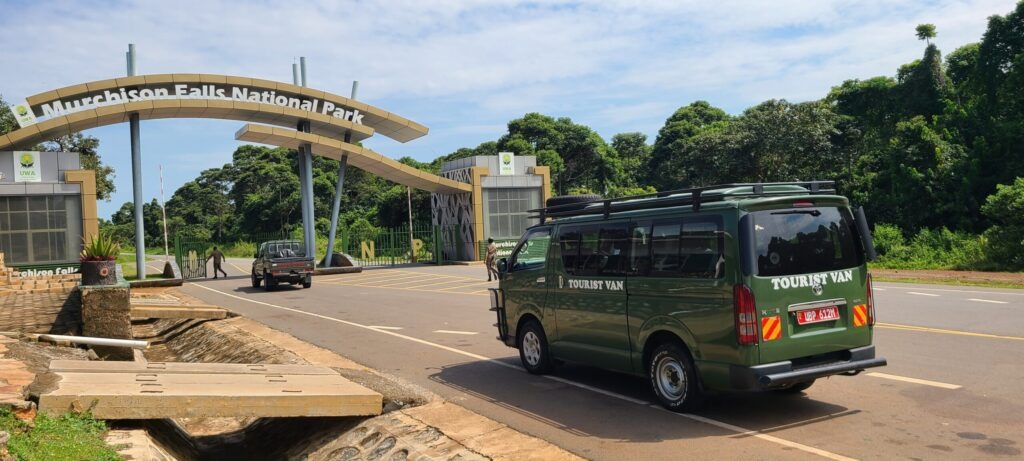
Common idling situations on Uganda safaris include:
- Waiting at park gates and ranger stations during permit checks
- Parked at viewpoints or picnic sites with the engine running for air conditioning
- Extended stops at roadside markets or craft stalls
- Waiting for other vehicles in a convoy
The eco-conscious approach is simple: switch off the engine whenever you expect to be stationary for more than two minutes. On warm Ugandan days where shade is available, natural ventilation through open windows is usually comfortable. Modern safari vehicles restart cleanly without the fuel penalty of older ignition systems.
Travel Light: Weight Affects Fuel Consumption Directly
Vehicle weight has a direct and measurable impact on fuel consumption. Every additional 100 kilograms of load increases fuel use by approximately 3–5% on mixed terrain — and Uganda’s rough bush roads amplify this effect further as the engine works harder to maintain momentum over uneven surfaces.
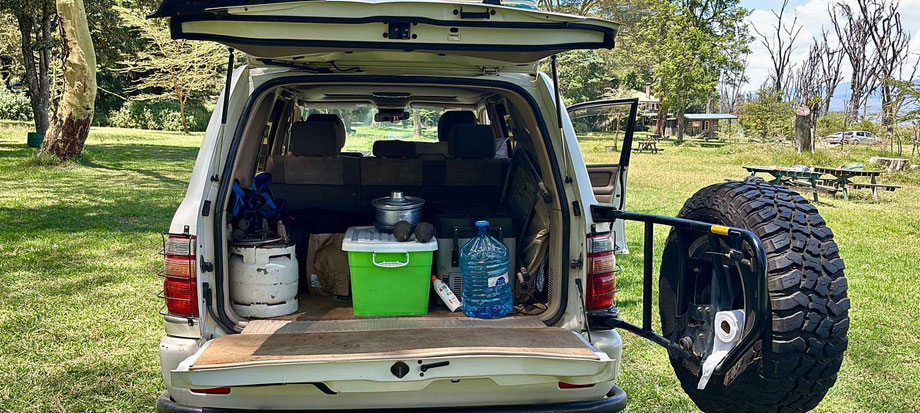
Eco-conscious travellers pack thoughtfully. over packing is endemic in safari travel — heavy camera bags, excess clothing, over sized luggage — and much of it never gets used. A disciplined packing approach that strips weight to genuine necessities reduces your vehicle’s fuel burden meaningfully over a 10-day circuit.
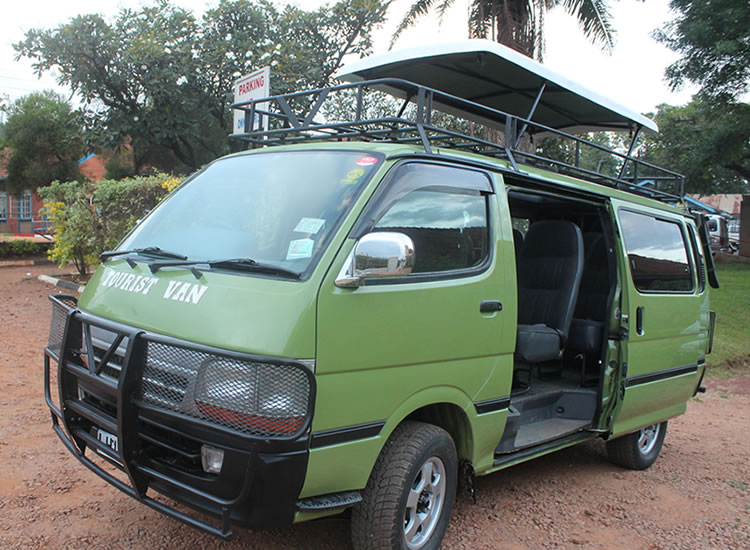
The same principle applies to group travel. Sharing one larger vehicle between four or five people is dramatically more fuel-efficient than running two smaller vehicles — and typically more sociable. Safari minivan hire for groups maximizes capacity and minimise per-person fuel consumption across the entire journey.
Choose the Right Vehicle for Each Leg
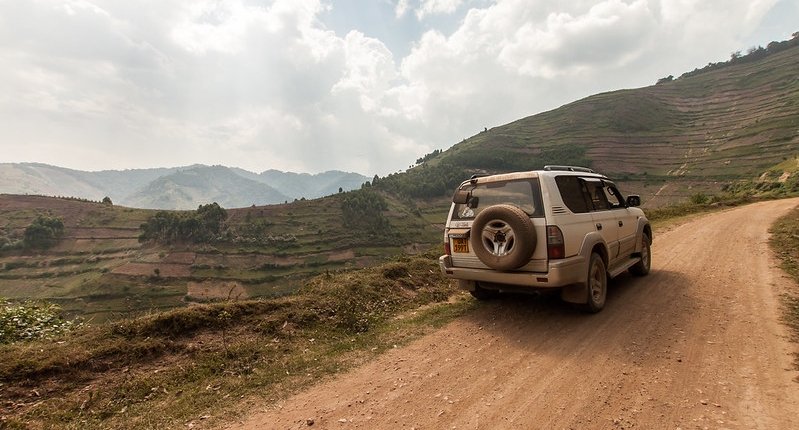
Not every section of a Uganda safari requires the same vehicle. Where a powerful extended Land Cruiser is genuinely essential — the steep mountain roads to Bwindi’s Rushaga sector, the remote tracks of Kidepo — a mid-range 4WD is perfectly adequate and more fuel-efficient for flatter, better-maintained routes.
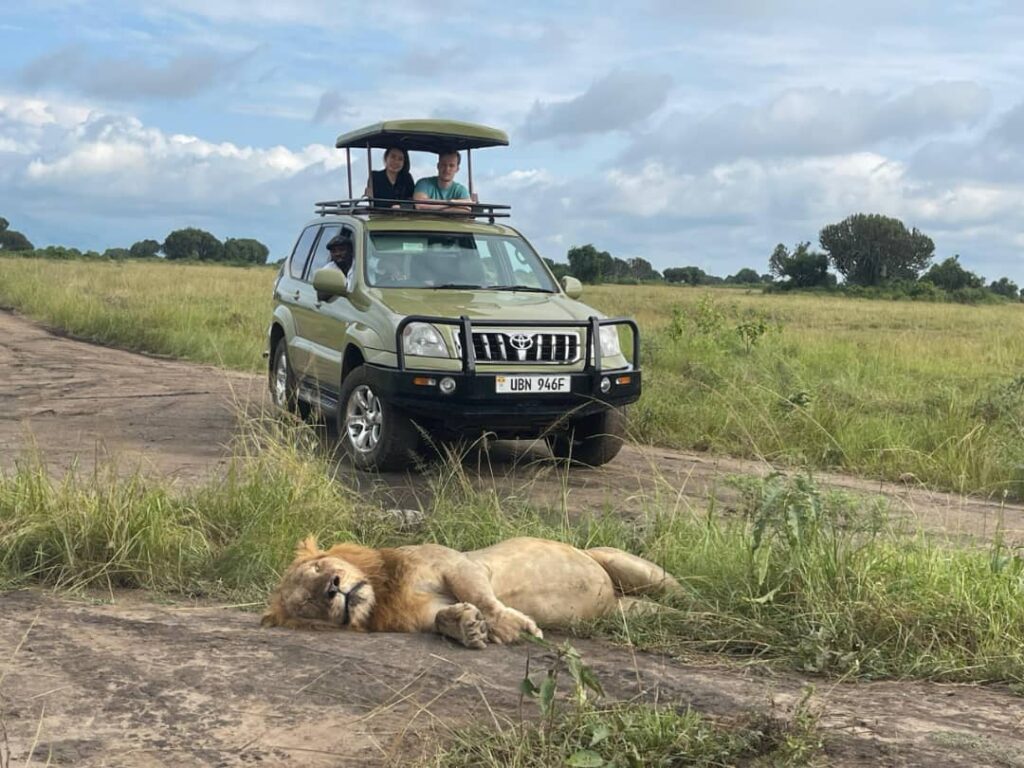
When planning multi-stop itineraries, discuss with your car hire provider whether a vehicle swap or appropriate initial selection can reduce fuel consumption without compromising capability where it matters. Comparing vehicle options at Rent A Driver Uganda helps ensure you are not burning premium fuel on a heavy vehicle for road sections that a lighter alternative would handle perfectly well.
Support Providers With Environmental Commitments
Eco-conscious travel extends beyond individual driving habits to the companies you choose to work with. When selecting a Uganda car hire provider, ask about their environmental policies:
- Do they maintain their fleet to manufacturer emissions standards?
- Do they offset fuel emissions through reforestation or conservation partnerships?
- Do they train their driver-guides in eco-driving techniques?
- Do they support community conservation initiatives in the parks they operate around?
A provider who takes these questions seriously — who has answers, not deflections — is one aligned with the values of responsible travel.
The Bigger Picture
Uganda’s forests store carbon. Its wetlands filter water. Its savannas support biodiversity that took millions of years to assemble. The travellers who come to witness these things are, paradoxically, part of the pressure on them — but they can also be part of the solution.
Fuel-smart, eco-conscious driving on multi-stop Uganda routes is not a grand sacrifice. It is a series of small, sensible choices — a planned route, a steady accelerator foot, a switched-off engine at a park gate — that collectively reduce the footprint of your journey through one of the world’s most irreplaceable landscapes.
Travel thoughtfully. Drive efficiently. Leave Uganda as you found it — extraordinary.
Planning a multi-stop Uganda safari adventure? Rent A Driver Uganda provides well-maintained, fuel-efficient safari vehicles with experienced eco-conscious driver-guides. Contact the team for a tailored itinerary and competitive quote by emailing to info@rentadriveruganda.com or calling /chatting with reservations manager on +256-700135510.