A Cross-Border Car Rental Guide To Exploring East Africa
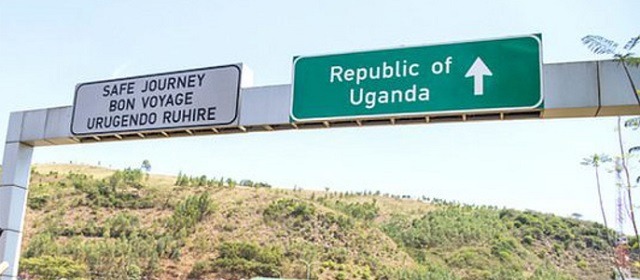
Few travel experiences on the African continent match the raw freedom of a cross-border road trip through East Africa. Imagine waking up in Kigali, crossing into Uganda by afternoon to track chimpanzees in Kibale Forest, then pushing south into Tanzania a few days later to watch a million wildebeest thunder across the Serengeti plain. This kind of journey is entirely possible — and increasingly popular — but it demands preparation that goes well beyond booking a vehicle online and showing up with a credit card. This guide gives you the complete picture, from paperwork to road conditions, so that the only surprises you encounter are the beautiful ones.
Understanding the Cross-Border Rental Landscape
East Africa’s five major self-drive destinations — Kenya, Tanzania, Uganda, Rwanda, and Ethiopia — each have their own vehicle regulations, insurance frameworks, and border procedures. The good news is that the East African Community (EAC) has made significant strides in harmonizing regional travel. The challenging news is that on-the-ground reality still varies enormously from one crossing to the next. What works at the Namanga border between Kenya and Tanzania may not apply at Busia between Kenya and Uganda. Understanding that there is no single, universal process is the first and most important mindset shift any cross-border driver needs to make.
The Documents You Cannot Leave Home Without
Before you even think about routes, the paperwork needs to be airtight. Every driver operating a rental vehicle across East African borders needs the following:
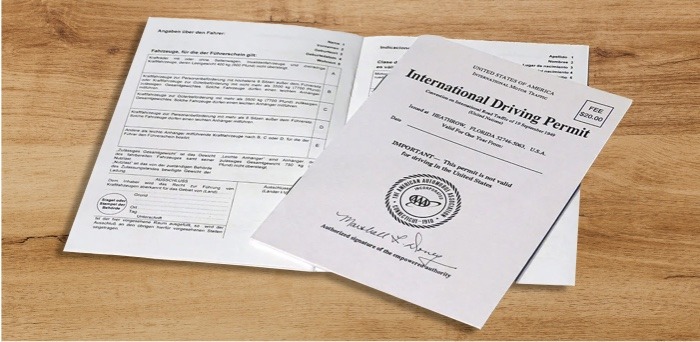
International Driving Permit (IDP). Your home country licence is necessary but rarely sufficient on its own. The IDP, issued by your national motoring association, translates your licence into multiple languages and is recognized across the region. Obtain one before departure — it takes minutes and costs very little.
Rental authorisation letter. This is arguably the most critical document for cross-border travel. Your rental company must provide a formal, signed, and often notarised letter explicitly authorizing the vehicle to cross into each named country. Some companies charge an additional fee for this. If they refuse to provide it at all, find a different rental company immediately.
The vehicle logbook. Border officials will want to verify that the vehicle registration matches the rental documentation. Always carry the original logbook, not a photocopy.
COMESA Yellow Card. The Common Market for Eastern and Southern Africa motor vehicle insurance certificate is the regional equivalent of a green card in Europe. It provides third-party liability cover across member states including Kenya, Tanzania, Uganda, Rwanda, Ethiopia, and several others. Ensure your rental company provides this, or purchase it directly at the border — though doing so in advance is always more reliable.
Valid passports with sufficient blank pages. Each border crossing generates stamps, and a passport with only one or two blank pages will cause delays that no amount of documentation can fix.
Choosing the Right Vehicle for the Journey
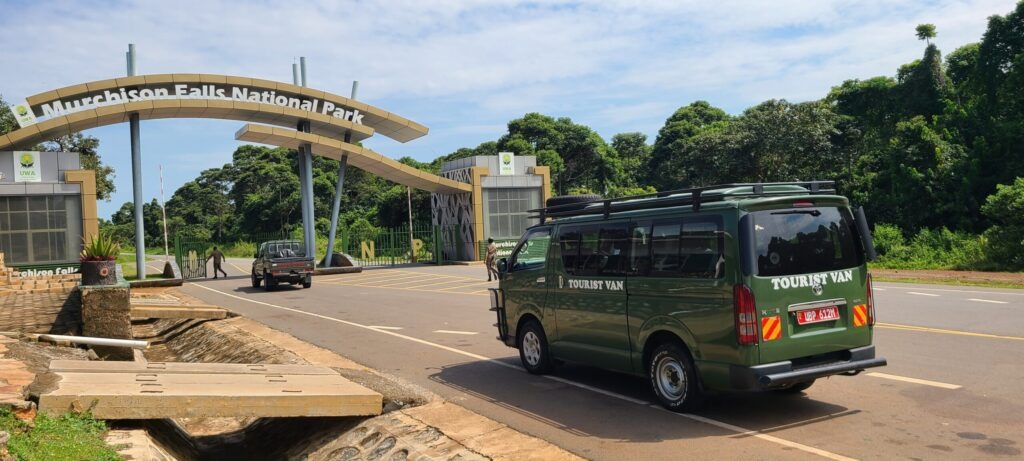
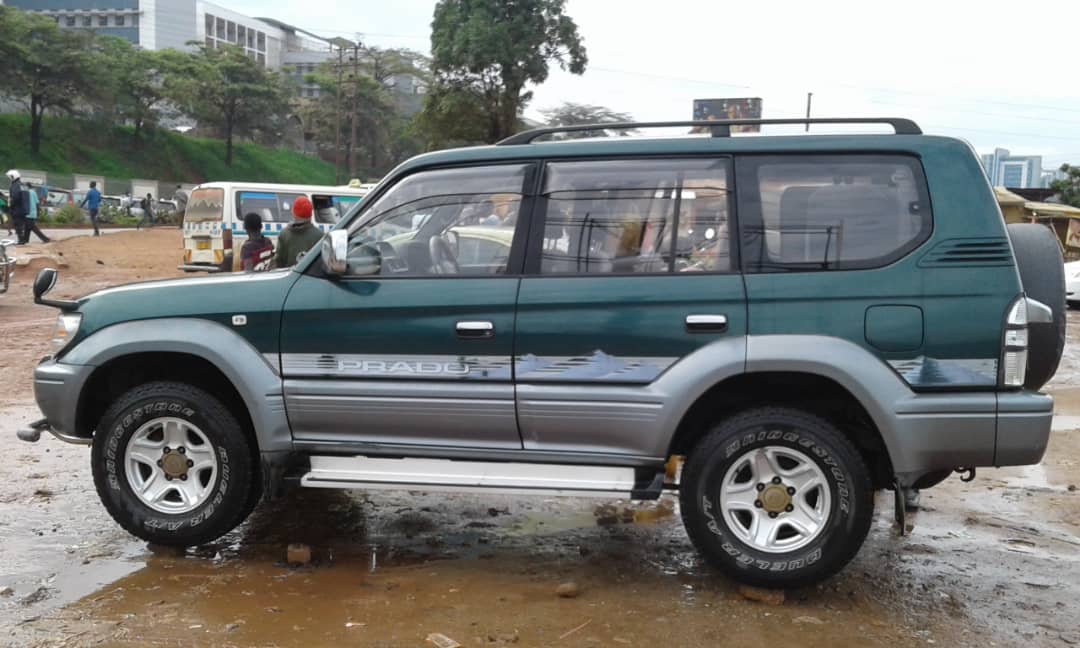
A cross-border East African road trip is not the context for compromise on vehicle choice. The route from Nairobi to Kampala via Malaba is largely paved and manageable. The track from Kampala south toward Bwindi Impenetrable Forest, or the stretch from Rushaga toward the Serengeti’s western corridor, is an entirely different proposition. A four-wheel-drive Toyota Land Cruiser or equivalent — the undisputed workhorse of the East African bush — is the regional standard for good reason. Ensure the vehicle comes equipped with a full-size spare tyre, a basic tool kit, a tow rope, and a high-lift jack. Breakdowns happen; being prepared determines whether they are a minor inconvenience or a trip-ending crisis.
Road Conditions and Seasonal Realities
East Africa has two rainy seasons across most of the region — the long rains between March and May, and the short rains from October to December. During these periods, unpaved roads become deeply rutted, river crossings rise dangerously, and even experienced drivers find themselves stuck for hours. This does not mean you cannot travel; it means you must plan more conservatively, allow additional time between destinations, and stay closely attuned to local weather reports. The dry seasons — June to September and January to February — offer the most reliable driving conditions and also coincide with peak wildlife sightings, making them the sweet spot for cross-border road trips.
Navigating Border Crossings Like a Seasoned Traveler

Busy land borders like Namanga, Malaba, and Rusumo can involve queues stretching several hours, particularly on weekends and public holidays. Arrive early in the morning whenever possible. Keep all documents in a single organised folder rather than scattered across your bags. Be courteous, patient, and transparent with officials — attempting to rush or argue rarely ends well. Some border crossings now offer the East Africa Tourist Visa, which covers Kenya, Uganda, and Rwanda under a single $100 application, significantly simplifying multi-country entry for eligible passport holders.
Fuel, Connectivity, and Safety on the Open Road
Mobile data coverage across East Africa’s major highways is surprisingly strong, with Safaricom in Kenya, MTN across Uganda and Rwanda, and Vodacom in Tanzania all offering workable coverage along primary routes. Download offline maps via Maps.me or Google Maps before departure — remote areas will drop signal entirely. Carry sufficient local currency in each country for fuel, as rural stations remain largely cash-based. Share your daily itinerary with someone at home and check in regularly; not out of fear, but because it is simply good practice when driving through areas with limited emergency infrastructure.
The Rental Companies Worth Trusting
Not every company advertising cross-border capability actually delivers it. Look for established operators with physical offices in multiple countries — companies like sixths East Africa, Rent A Driver Kenya, or well-reviewed independent operators based in Nairobi, Kampala, or Kigali. Read recent traveler reviews specifically for cross-border experiences. Ask pointed questions before booking: Will the COMESA Yellow Card be provided? Is undercarriage damage included in the CDW? What is the emergency breakdown protocol in each country? A company that answers these questions fluently is one worth trusting with your journey.
The Road Is the Destination
A cross-border road trip through East Africa is not simply a means of getting from one attraction to the next. The road itself — the red dust rising behind you as you crest a hill in the Rift Valley, the border official who waves you through with a smile, the spontaneous stop at a roadside market where you eat something extraordinary and entirely unplanned — is the experience. Prepare thoroughly, choose your partners wisely, and then let the region do what it has always done best: exceed every expectation you arrived with.
Planning to visit Uganda, Rwanda, Kenya and Tanzania on cross border adventure, deciding to rent a car and driver in East Africa is the best way to travel. Contact us today by sending an email to info@rentadriveruganda.com or calling us on +256-700135510 to speak or chat with the reservations team.