Driving in Uganda: 7 Crucial Traffic Rules For Foreigners
Uganda’s diverse landscapes, from misty mountain gorilla habitats to sprawling savannas, make it an irresistible destination for adventurous travelers. Self driving in Uganda offers unparalleled freedom to explore this Pearl of Africa at your own pace, but navigating Ugandan roads requires understanding traffic regulations that may differ significantly from what you’re accustomed to back home. Recent changes to traffic laws, including stricter enforcement and automated penalties, make compliance more critical than ever for foreign drivers.
1. Drive on the Left Side of the Road
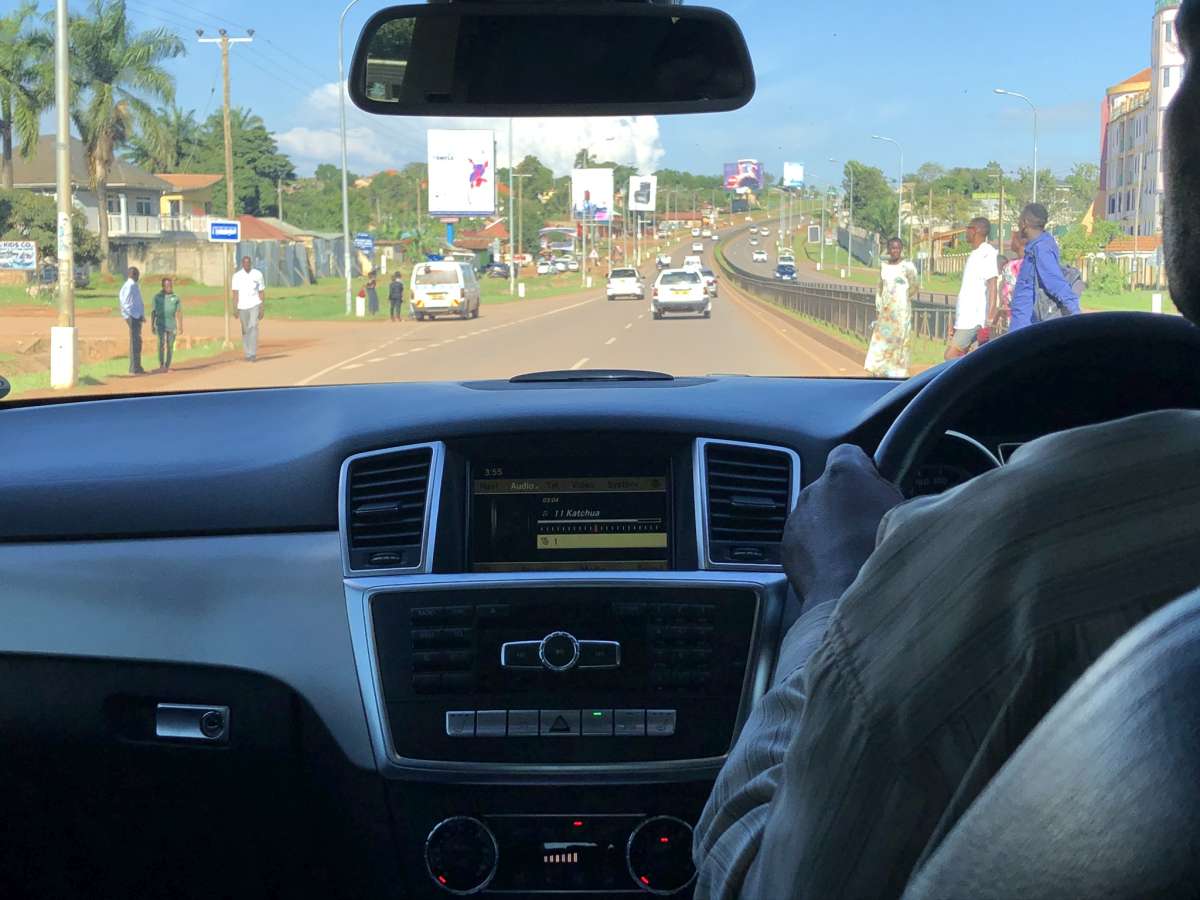
Uganda follows the British driving system, meaning all vehicles must drive on the left side of the road with overtaking occurring on the right. This fundamental rule catches many first-time visitors off guard, particularly those from countries that drive on the right, such as the United States, most of continental Europe, and parts of Asia.
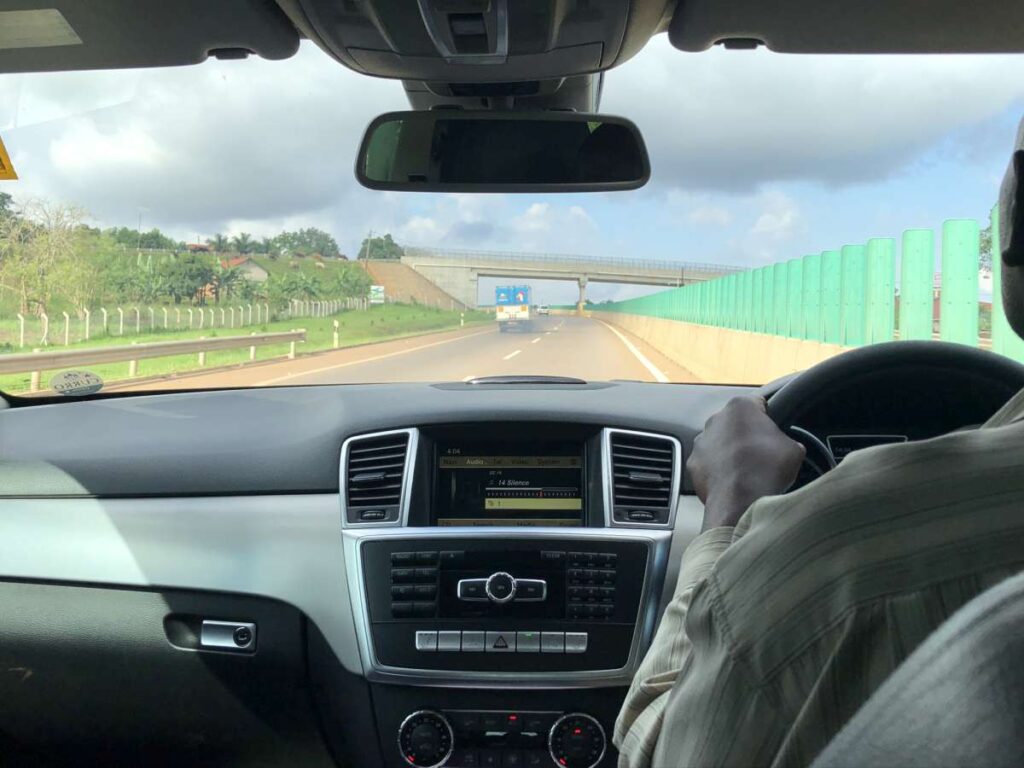
The adjustment period varies by individual, but most travelers adapt within a day or two of consistent practice. The challenge intensifies at roundabouts, where traffic flows clockwise rather than counterclockwise. Vehicles already in the roundabout have the right of way, and entering traffic must yield accordingly. Rural highways present their own difficulties, as the natural instinct during moments of distraction can lead drivers to drift toward the wrong side.
Concentration is paramount, especially during the first few days. Simple reminders like placing a note on your dashboard or having a passenger provide gentle reminders can prevent dangerous mistakes. The stakes are high, as wrong-side driving causes numerous accidents involving foreign motorists each year.
2. Understand the New Speed Limit Regulations
Uganda implemented comprehensive speed limit reforms in 2024, replacing decades-old regulations with a structured framework tailored to road types and safety concerns. These changes reflect the government’s response to an alarming 80 percent increase in road fatalities over the past decade, which claimed over 5,000 lives in 2024 alone.

Current speed limits are strictly enforced: urban areas and trading centers now have a uniform 30 kilometers per hour limit for all vehicles, including motorcycles. This dramatic reduction from the previous 50 kilometers per hour limit aims to protect pedestrians and cyclists in densely populated zones. Highways passing through urban areas maintain a 50 kilometers per hour cap, while paved rural highways allow 90 kilometers per hour for passenger vehicles and 80 kilometers per hour for goods vehicles. Gravel roads restrict speeds to 30-60 kilometers per hour depending on vehicle type.
The enforcement mechanism has evolved dramatically with the introduction of automated speed cameras under the Intelligence Transport Monitoring System. These cameras operate continuously, capturing violations automatically and issuing tickets to registered vehicle owners. Fines start at 200,000 Ugandan shillings (approximately $55) for exceeding limits by 1-30 kilometers per hour, escalating to 600,000 shillings (approximately $165) for exceeding limits by more than 30 kilometers per hour.
Practical driving conditions often necessitate speeds well below posted limits. Speed bumps proliferate through villages and towns, while pedestrians, cyclists, livestock, and potholes appear with little warning. Foreign drivers should adopt a cautious approach, prioritizing safety over efficiency.
3. Mandatory Seatbelt Usage for All Occupants
Seatbelt laws in Uganda apply to everyone in the vehicle, not just the driver and front passenger as many assume. Both front and rear seat passengers must wear seatbelts whenever the vehicle is in motion, a requirement strictly enforced through roadside checks and automated monitoring.
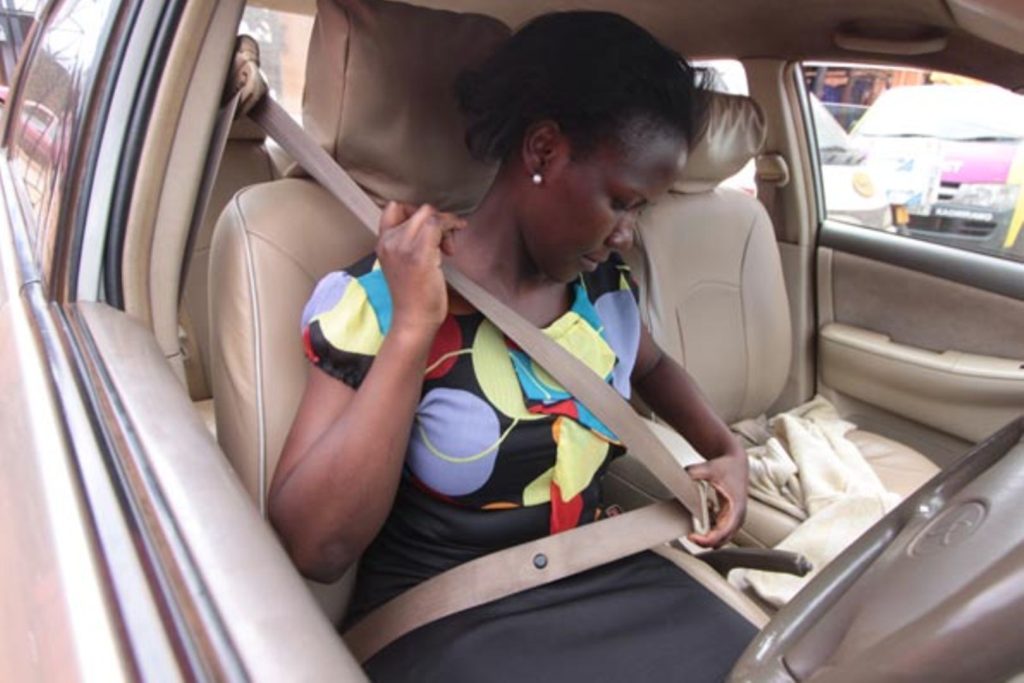
Violations carry a fine of approximately 40,000 shillings for drivers and 20,000 shillings for passengers. Beyond the legal requirement, seatbelts dramatically improve survival rates in accidents, which occur with concerning frequency on Ugandan roads due to challenging conditions, aggressive driving behaviors, and variable vehicle maintenance standards.
Families traveling with children face additional requirements. Rear-facing infant seats must never be placed in seats protected by active frontal airbags, as this creates life-threatening risks during accidents. Children under 12 years old cannot sit in the front seat. Most reputable car rental companies provide child safety seats upon request, though confirming availability during booking is advisable.
Enforcement has intensified, with traffic officers conducting regular checks at roadblocks and urban intersections. The automated enforcement system can also detect seatbelt violations through advanced camera technology, making compliance essential throughout your journey.
4. Absolute Prohibition on Mobile Phone Use While Driving
Uganda enforces a complete ban on handheld mobile phone use while driving, covering texting, phone calls, video watching, and any other screen-based activity. This regulation addresses distracted driving, identified as a leading cause of accidents alongside speeding and alcohol impairment.
Violations result in a 100,000 shilling fine, but the consequences extend beyond financial penalties. Using a mobile phone while driving can lead to license suspension and, if an accident occurs, significantly complicates legal proceedings and insurance claims. The law technically permits hands-free devices, though authorities discourage even these if they create distractions.
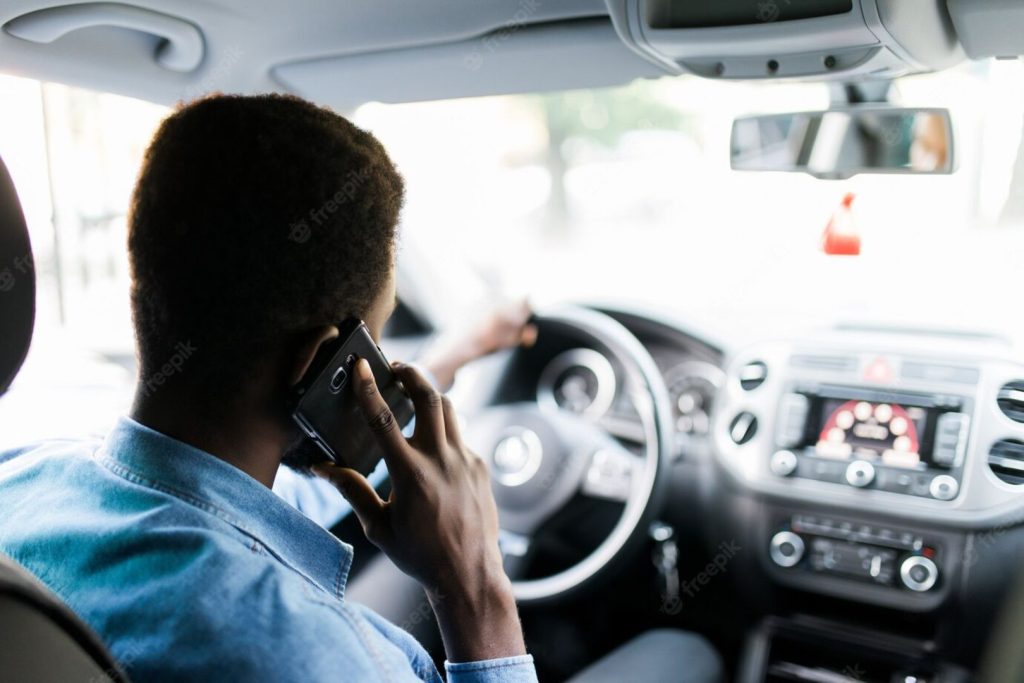
The rationale behind this strict prohibition is compelling. Statistics demonstrate that distracted drivers are several times more likely to cause accidents, particularly in Uganda’s challenging traffic environment where split-second reactions often mean the difference between safety and collision. Pedestrians frequently cross roads unexpectedly, livestock wanders onto highways, and potholes appear suddenly, demanding constant vigilance.
Foreign drivers should establish habits before starting journeys: program navigation systems while stationary, silence non-essential notifications, and pull over completely if urgent communication becomes necessary. The temptation to quickly check a message or answer a call simply isn’t worth the legal and safety risks.
5. Zero Tolerance for Drinking and Driving
Uganda maintains a legal blood alcohol limit of 0.08 percent, but practical enforcement creates a de facto zero-tolerance environment. Traffic police regularly conduct roadside checkpoints equipped with breathalyzer tests, particularly during evenings, weekends, and holiday periods. Officers show little leniency toward drivers who exceed legal limits, and foreign nationals receive no special consideration.

Penalties for drunk driving range from heavy fines starting at 2,000,000 shillings to imprisonment for one to two years, depending on circumstances and whether injuries or property damage occurred. Beyond immediate legal consequences, drunk driving complicates insurance claims, potentially leaving you personally liable for all damages and medical expenses resulting from accidents.
The cultural context matters here. While Uganda has vibrant nightlife and social drinking is common, driving after consuming any alcohol is widely condemned. Alternative transportation options exist in major cities through taxi services and ride-sharing apps, though availability diminishes in rural areas. Planning ahead becomes essential: designate a sober driver, arrange accommodation near social venues, or avoid alcohol entirely if driving is unavoidable.
Foreign travelers should remember that unfamiliarity with local roads, combined with even minimal alcohol impairment, creates exponentially greater risks. What might seem like acceptable drinking levels back home could prove catastrophic on unfamiliar Ugandan roads, especially at night when visibility drops and hazards multiply.
6. Valid Documentation Requirements
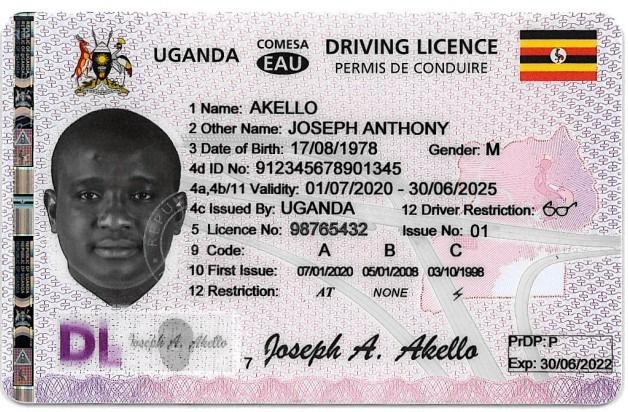
Operating a vehicle in Uganda requires specific documentation that foreign drivers must carry at all times. Your passport serves as primary identification, while your driving authorization takes one of two forms: an International Driving Permit issued by your home country, or a national driver’s license written in English.
The International Driving Permit functions as an official translation of your domestic license, allowing Ugandan authorities to verify your driving credentials. Without English documentation, you’ll need a notarized translation of your license, adding unnecessary complexity and expense to your trip. Both your IDP and original license must be carried together, as the IDP alone provides insufficient authorization.

Foreign licenses and IDPs remain valid for three months of continuous stay in Uganda. Extended visits require obtaining a Ugandan driving license through the Uganda Driving Licensing System, involving written and practical examinations. The process takes several weeks and costs approximately 60,000 shillings, making advance planning crucial for long-term visitors.
Vehicle documentation is equally important. Rental cars must display valid registration plates and current insurance stickers on windshields. Third-party insurance is mandatory under Ugandan law, covering liabilities to other parties in accidents. Comprehensive insurance, while optional, provides broader protection and is highly recommended given road conditions. Always verify that your rental agreement includes adequate coverage and carry copies of all documentation during travel.
Failure to produce required documents during police checks results in fines ranging from 100,000 to 300,000 shillings, potential vehicle impoundment, and considerable delays to your itinerary. Officers conduct frequent checks at roadblocks, border crossings, and urban intersections, making proper documentation essential rather than optional.
7. Respect for Emergency Vehicles and VIP Convoys
Uganda enforces strict protocols regarding emergency vehicles and government motorcades that foreign drivers must understand and obey immediately. When you hear sirens or see flashing lights from ambulances, fire trucks, or police vehicles responding to emergencies, you must pull over promptly and yield the right of way. This isn’t merely courteous behavior but a legal requirement enforced through fines and potential arrest.
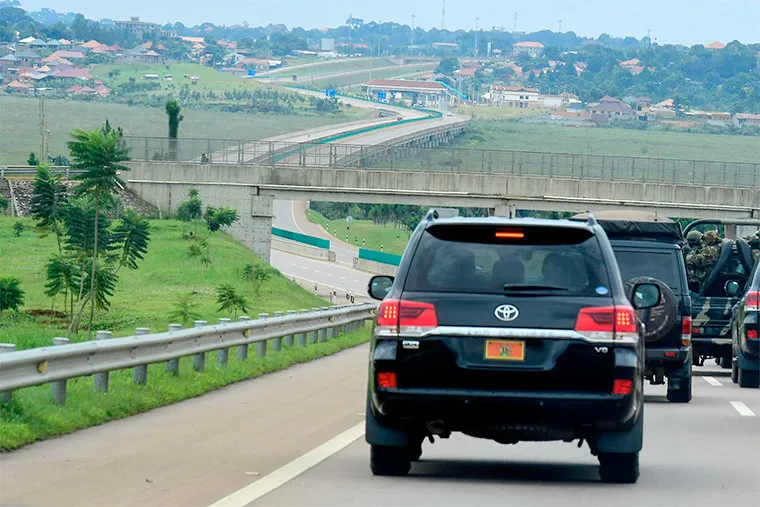
Government and diplomatic convoys present unique challenges. When you encounter a VIP motorcade, particularly those transporting the President or senior officials, you must stop completely and wait for the entire convoy to pass. These motorcades have absolute right of way, and attempting to proceed through or around them can result in immediate arrest, vehicle impoundment, and serious legal consequences.
The protocol seems straightforward, yet many foreign drivers underestimate its importance or fail to recognize motorcades quickly enough. Security personnel accompanying convoys maintain zero tolerance for violations, viewing any failure to yield as a potential security threat rather than simple traffic infractions. The consequences can escalate rapidly from traffic fines to criminal charges depending on circumstances and security assessments.
In practice, this means staying alert for approaching sirens, watching for police vehicles clearing roads ahead of motorcades, and observing the behavior of other drivers. When local vehicles suddenly pull over or stop, follow their lead immediately rather than attempting to determine the cause first. A few minutes of delay far outweighs the risks of violating these protocols.
Embracing the Journey Safely
Driving in Uganda offers remarkable freedom to explore one of Africa’s most captivating countries at your own pace, but that freedom comes with responsibility. These seven rules form the foundation of safe, legal driving in Uganda, though they represent only part of a broader framework of traffic regulations and cultural norms.
Success requires patience, cultural sensitivity, and constant vigilance. Road conditions vary dramatically from smooth asphalt highways to rutted dirt tracks. Other drivers may not follow rules consistently, pedestrians and livestock appear unexpectedly, and infrastructure like road signs and lane markings can be minimal or absent entirely. These challenges demand defensive driving, appropriate speed reduction, and willingness to exercise extra caution.
Most importantly, remember that traffic laws exist to protect everyone on the road. Uganda’s recent regulatory reforms, while creating stricter penalties, ultimately aim to reduce the devastating toll of road accidents. By respecting these rules and driving with consideration for others, foreign visitors contribute to safer roads while enjoying the extraordinary experiences Uganda offers. The journey becomes not just about reaching destinations but about traveling responsibly through a country that welcomes visitors with genuine warmth and hospitality.
Ready to Drive in Uganda? Let the Experts Help
Understanding the rules is just the first step toward a successful Ugandan road adventure. When you’re ready to drive in Uganda, partnering with a knowledgeable, reliable car rental company makes all the difference between a stressful experience and an unforgettable journey.
Rent A Driver Uganda specializes in helping foreign travelers navigate Uganda’s roads safely and confidently. Whether you need a self-drive vehicle with comprehensive insurance and all required documentation, or prefer the peace of mind that comes with an experienced local driver who knows every road, speed bump, and shortcut, they provide tailored solutions for your specific travel needs.
Their fleet includes well-maintained 4×4 vehicles perfect for safari adventures, comfortable sedans for city exploration, and everything in between. Each rental comes with proper COMESA insurance for cross-border travel, all necessary documentation, and 24/7 roadside assistance to ensure you’re never stranded.
Don’t let traffic rules and unfamiliar roads intimidate you. Contact Rent A Driver Uganda today to plan your perfect Ugandan driving experience:
Email: info@rentadriveruganda.com
Phone: +256-700135510
Let our expertise transform your Ugandan adventure from complicated to extraordinary. Your journey through the Pearl of Africa awaits.