How to Combine Your Uganda Safari with a Community Project
Uganda’s reputation as the “Pearl of Africa” extends far beyond its spectacular wildlife and breathtaking landscapes. For travelers seeking meaningful experiences, combining a traditional safari in Uganda with community engagement offers a profound way to connect with the country’s vibrant cultures while contributing positively to local development. Here’s how to thoughtfully integrate community projects into your Uganda adventure.
Why Combine Safari with Community Work?
Traditional Uganda safaris provide unforgettable wildlife encounters, from tracking mountain gorillas in Bwindi Impenetrable Forest to observing tree-climbing lions in Queen Elizabeth National Park. However, adding a community component transforms your journey from observation to participation, creating authentic connections with Ugandan people and supporting grassroots initiatives that directly benefit local populations.
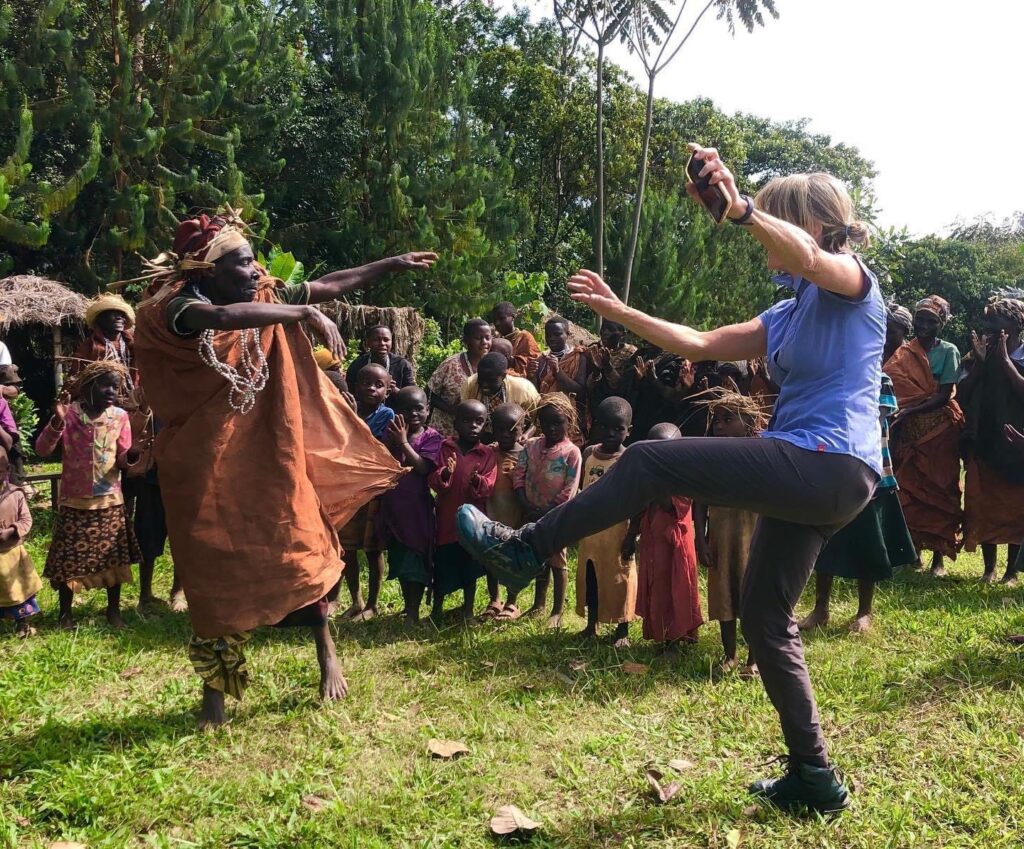
This approach also provides cultural context that enriches your overall experience. Understanding the communities living alongside wildlife conservation areas helps you appreciate the complex relationship between people, animals, and land management in Uganda.
Choosing the Right Community Project
The key to a successful combined experience lies in selecting legitimate, ethical community projects aligned with your interests and skills. Several types of initiatives welcome short-term volunteers and visitors.
Education projects remain among the most popular options. Many rural schools near safari destinations need support with teaching English, mathematics, or computer skills. Some programs also welcome assistance with infrastructure improvements like painting classrooms or building libraries. Organizations around Jinja, near Murchison Falls National Park, and in communities surrounding Kibale Forest offer well-structured educational programs.
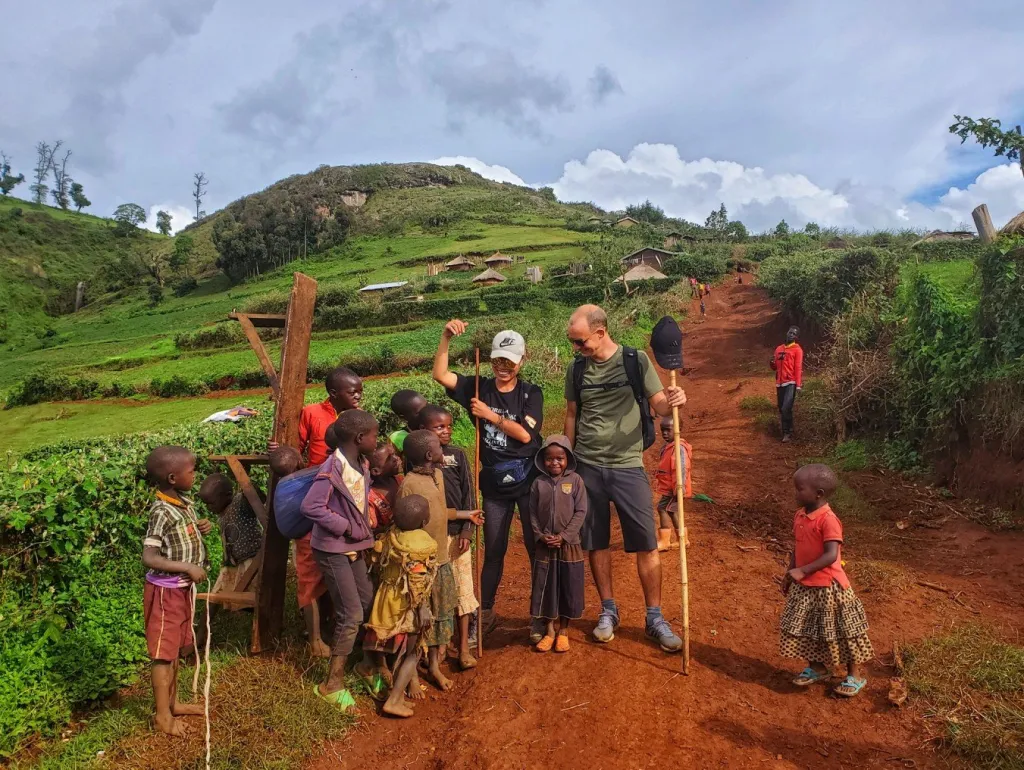
Healthcare initiatives provide another avenue for contribution. Medical professionals can participate in health camps or clinic support, while non-medical volunteers might assist with health education campaigns, particularly focusing on maternal health, malaria prevention, or nutrition. The southwestern region, near Bwindi and Mgahinga, hosts several reputable healthcare projects.
Conservation-focused community projects bridge wildlife protection with local livelihoods. These might involve tree planting, sustainable agriculture training, or supporting eco-tourism initiatives that provide alternative income sources to communities previously dependent on poaching or habitat destruction.
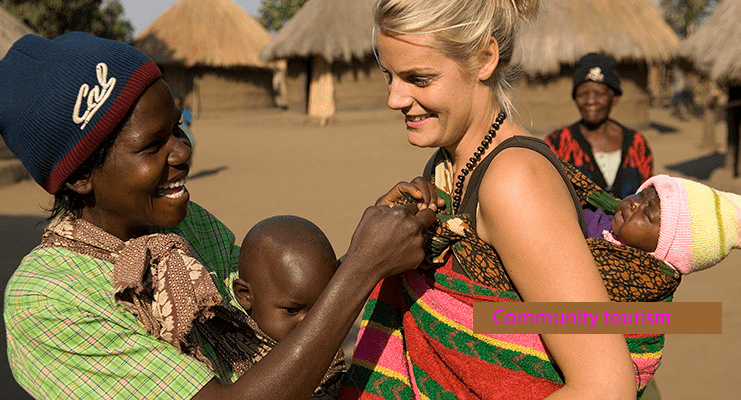
Women’s empowerment programs, including craft cooperatives and microfinance groups, offer opportunities to support economic independence while learning traditional skills like basket weaving or bead work.
Vetting Organizations Carefully
Not all community tourism projects operate ethically or effectively. Before committing, research organizations thoroughly. Reputable projects demonstrate transparency about fund allocation, maintain long-term commitments to communities rather than offering superficial experiences, employ local staff in leadership positions, and can provide references from previous volunteers.
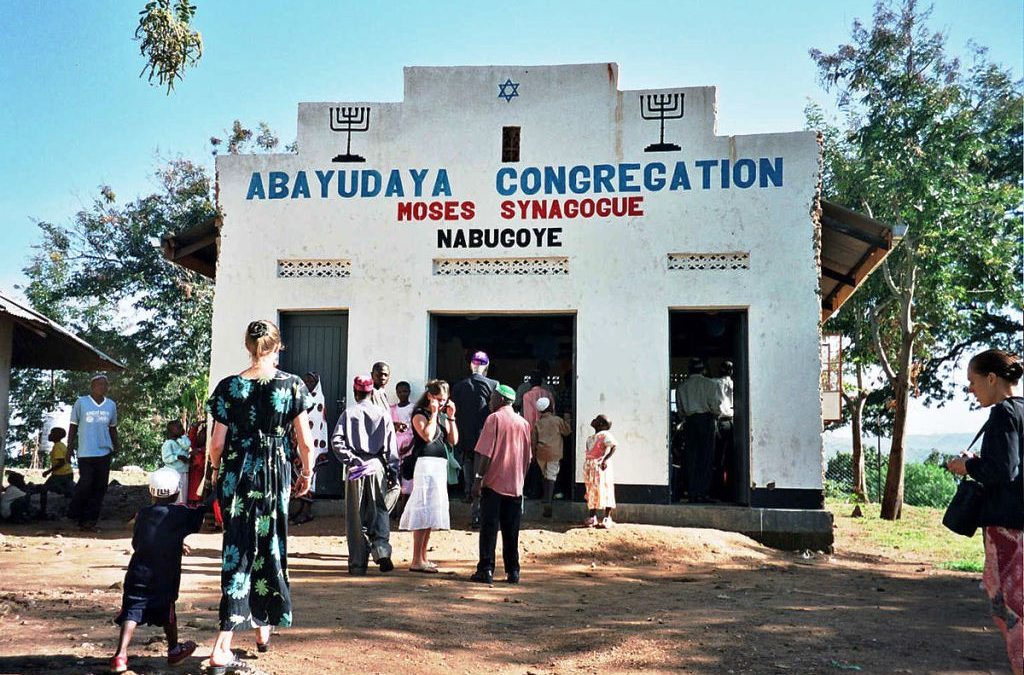
Avoid “voluntarism” operations that prioritize profit over impact, particularly those involving orphanages, which can inadvertently support harmful practices. Legitimate organizations will never pressure you for immediate decisions or payments.
Planning Your Itinerary
Integrating community work requires thoughtful scheduling. Most travelers find success with one of two approaches: beginning or ending their safari with an extended community stay of three to seven days, or interspersing shorter community visits between safari legs.
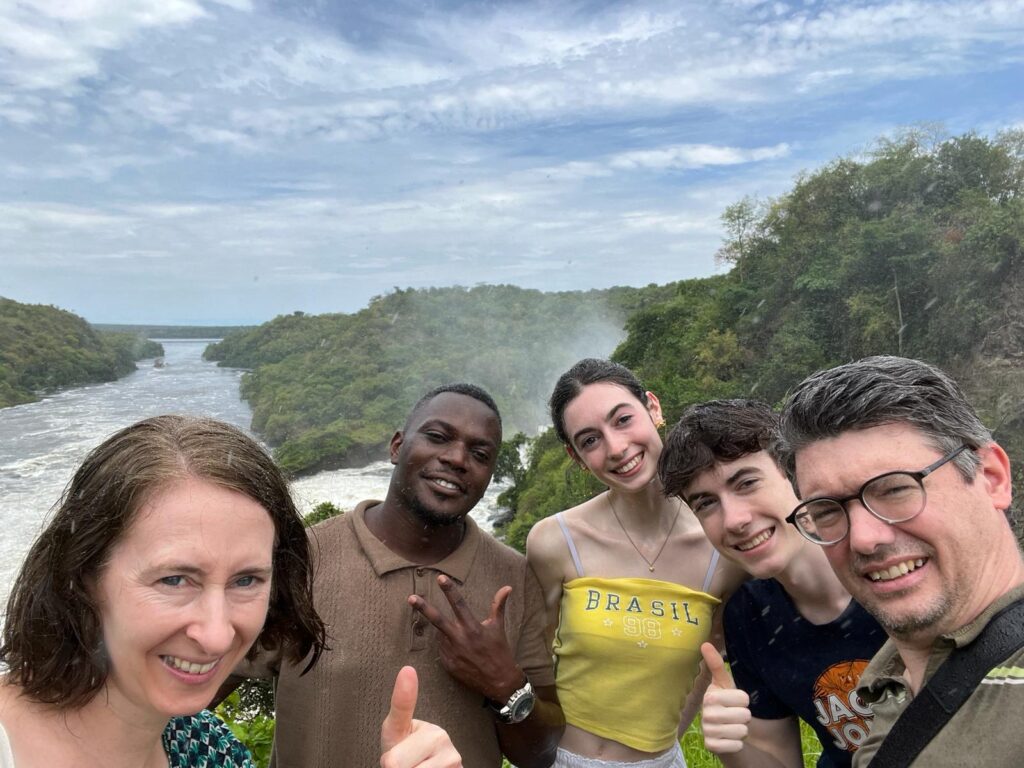
For example, you might spend your first week on safari in Murchison Falls and Queen Elizabeth National Park, then dedicate four days to a community project near Fort Portal before concluding with gorilla trekking in Bwindi. Alternatively, incorporate day visits to community projects during rest days between intensive safari activities.
Allow sufficient time for meaningful engagement. While day visits provide glimpses into community life, multi-day commitments create deeper connections and more substantial contributions.
What to Expect and How to Prepare
Community projects in Uganda differ significantly from safari lodge comfort. Accommodations typically range from home stays with local families to basic guesthouses. Expect simple meals, limited electricity, and communal bathing facilities. This simplicity, however, often yields the most authentic and memorable experiences.
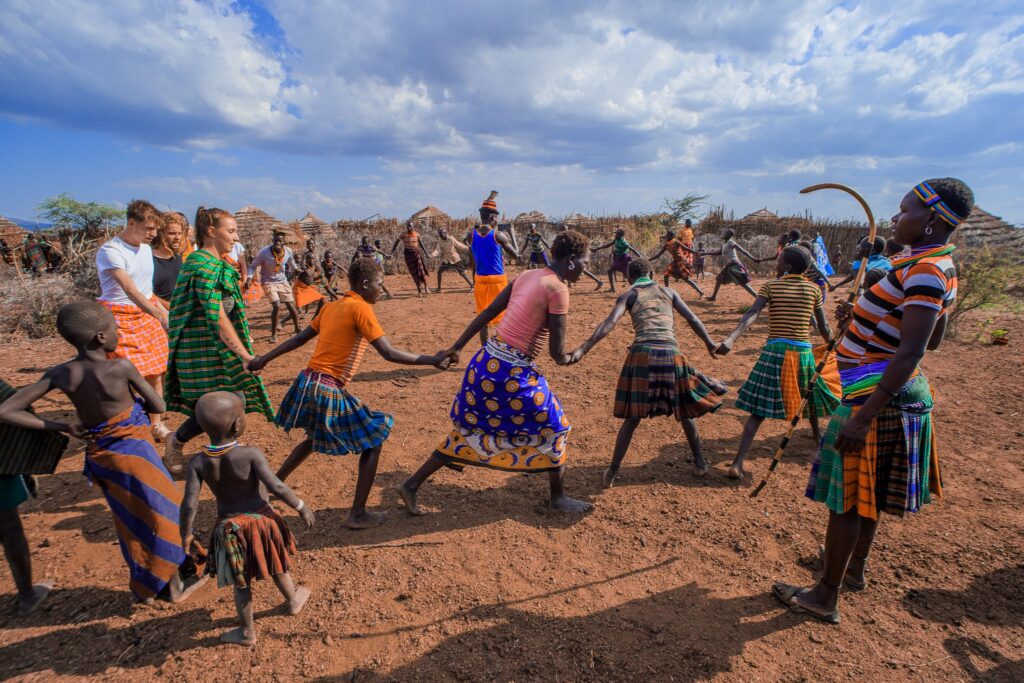
Prepare by bringing appropriate clothing that respects local customs—modest dress is essential, particularly in rural areas. Pack practical items you might donate like school supplies, sports equipment, or solar lamps, but consult project coordinators first to ensure donations meet genuine needs rather than creating dependency.
Learn basic phrases in Luganda or the local language of your project area. Even simple greetings demonstrate respect and facilitate connection.
Managing Costs and Logistics
Community project costs vary widely. Some organizations charge participation fees covering accommodation, meals, and project support, typically ranging from thirty to seventy-five dollars daily—considerably less than safari lodge rates. These fees should directly benefit the community and project sustainability.
Work with safari operators experienced in combined itineraries who can coordinate logistics seamlessly. Several Ugandan tour companies specialize in responsible tourism packages integrating wildlife experiences with community engagement.
Creating Lasting Impact
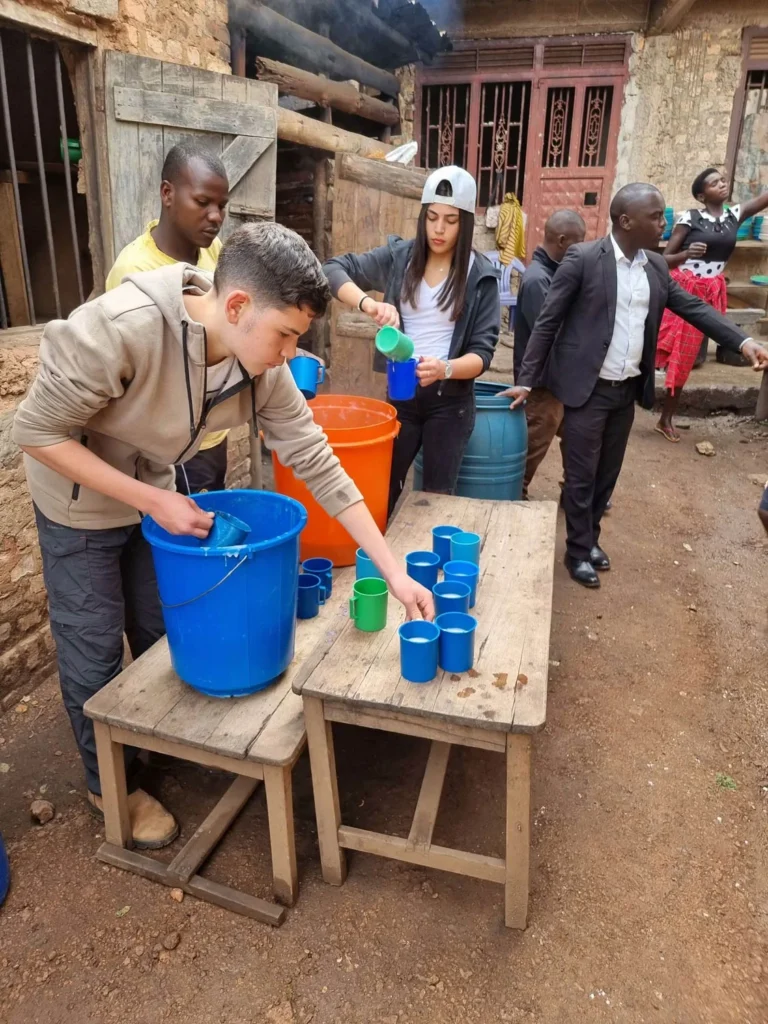
Approach community involvement with humility and genuine desire to learn rather than assumptions about “helping.” Listen to community members’ perspectives, follow local leadership, and recognize that cultural exchange flows both directions.
Stay connected after your visit. Many travelers maintain relationships through social media or support ongoing projects financially. This continued engagement ensures your contribution extends beyond your physical presence.
Combining Uganda’s extraordinary wildlife with community projects creates transformative travel experiences that benefit both visitors and hosts, fostering understanding while supporting sustainable development in one of Africa’s most welcoming nations.
Planning a road trip in Uganda and would love to visit some of these local communities, we at Rent A Driver Uganda will be more than delighted to guide you. Simply contact us now by sending an email to info@rentadriveruganda.com or call us now on +256-700135510 to speak with the reservations team.