Top Qualities & Requirements to Get a Driver Job in Uganda
The tourism and transportation sectors in Uganda are experiencing robust growth, creating increasing demand for professional drivers. However, securing a quality driving position—whether in tourism, corporate transport, or logistics—requires more than just the ability to operate a vehicle. Employers seek candidates who combine technical skills, personal attributes, and professional qualifications that ensure passenger safety, vehicle care, and exceptional service. Here’s your comprehensive guide to the qualities and requirements needed to launch or advance your driving career in Uganda.
Essential Legal and Documentation Requirements
The foundation of any driving career in Uganda begins with proper licensing and documentation. A valid Ugandan driving permit is mandatory, with the specific class depending on the vehicle type you’ll operate. Class B permits cover standard passenger vehicles, while Class C is required for heavier vehicles and buses. For tourism driving, particularly in national parks, some employers require additional defensive driving certifications or specialized training in wildlife area navigation.
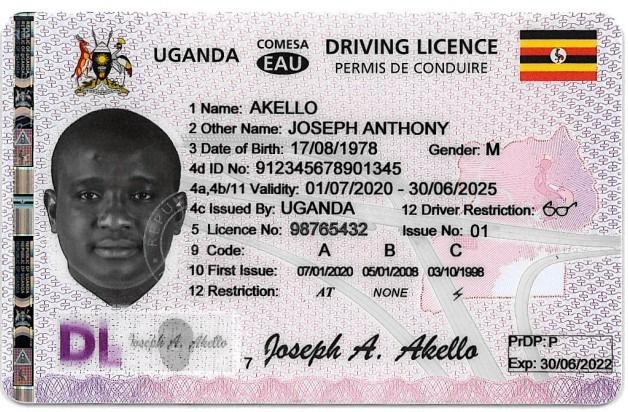
Beyond your driving permit, maintain a clean driving record. Employers conduct thorough background checks, and a history of traffic violations, accidents, or license suspensions significantly diminishes employment prospects. Keep your license current—expired permits reflect poorly on your professionalism and create legal complications for employers.
A national identification card or passport is essential for employment verification, while some positions require police clearance certificates confirming no criminal record. International driving permits become valuable if you’re seeking positions with companies operating cross-border services to Kenya, Rwanda, or Tanzania, expanding your employment opportunities considerably.
Technical Driving Competence and Vehicle Knowledge
Exceptional driving skills form the core requirement, but employers define “exceptional” differently than most drivers might assume. It’s not about speed or flashy maneuvers—it’s about smooth, defensive driving that prioritizes passenger comfort and safety above all else. Master techniques like gentle acceleration and braking, smooth cornering, and maintaining steady speeds that minimize passenger discomfort.
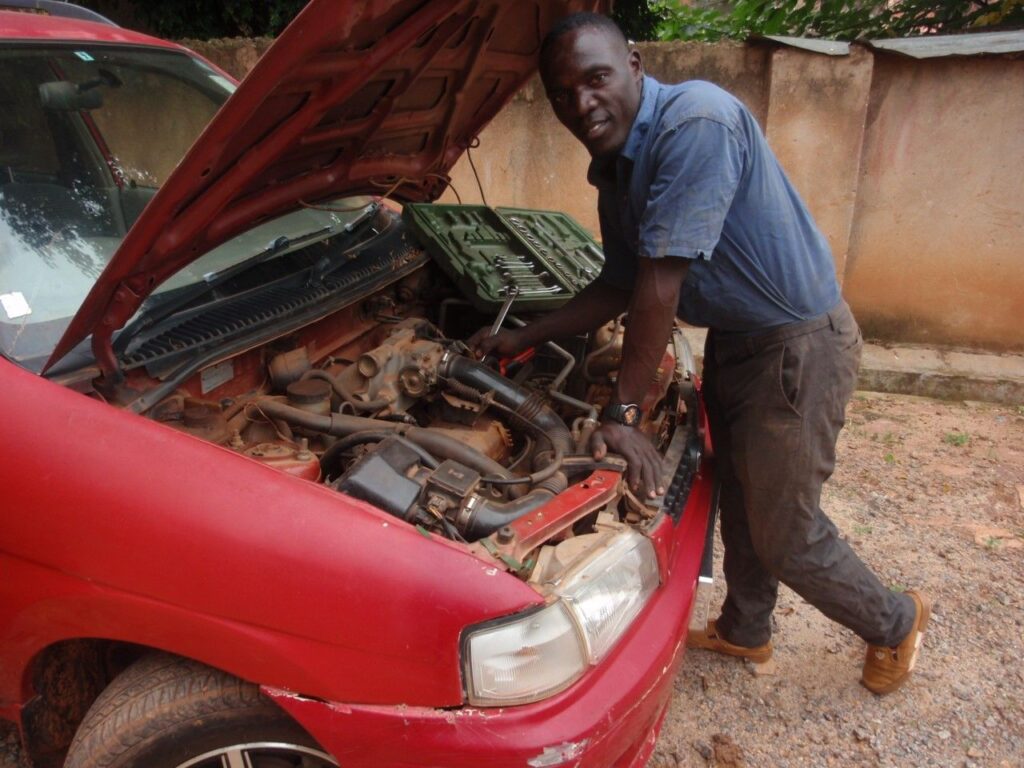
Understanding vehicle mechanics proves invaluable. While you needn’t be a certified mechanic, knowing how to perform basic troubleshooting, change tires, check fluid levels, and identify warning signs of mechanical problems demonstrates professionalism and reliability. When breakdowns occur in remote areas—a common scenario in Uganda’s varied terrain—drivers who can address minor issues save time, money, and maintain client confidence.
For tourism positions, four-wheel-drive experience is often mandatory. Uganda’s national parks and rural areas feature challenging roads where proper 4WD technique prevents getting stuck and ensures passenger safety. Employers value drivers experienced with hill starts, navigating muddy conditions, crossing streams, and understanding when to engage four-wheel-drive systems.
Geographic Knowledge and Navigation Skills
Intimate knowledge of Ugandan geography, roads, and destinations separates adequate drivers from exceptional ones. Memorize major routes, understand alternative paths when main roads face challenges, and know realistic travel times between destinations accounting for road conditions and traffic patterns. GPS systems help, but they malfunction or show outdated information—your knowledge becomes the reliable backup.
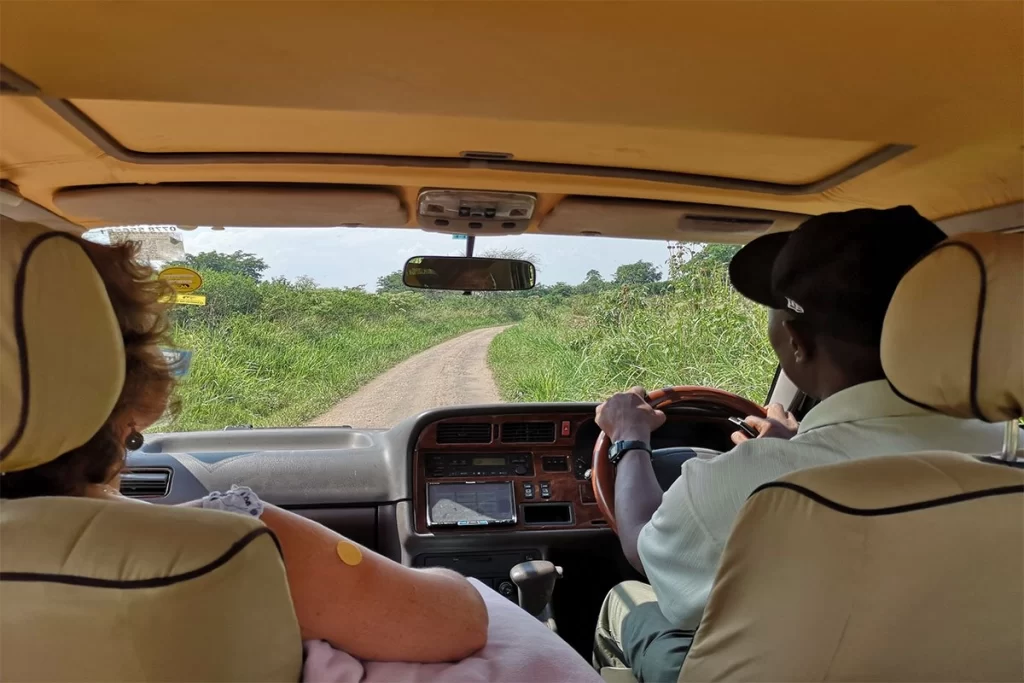
For tourism drivers, this knowledge extends to national parks, tourist attractions, accommodation facilities, and points of interest throughout the country. Understanding which routes offer scenic value, where to stop for photographs, and how to avoid problematic areas demonstrates expertise that enhances client experiences. Knowledge of Uganda’s regions, cultures, and local languages beyond English—particularly Luganda, Runyankitara, or Swahili—creates connection opportunities with passengers and local communities.
Professional Conduct and Customer Service Excellence
The most technically skilled drivers won’t succeed without professional demeanor and excellent interpersonal skills. Employers seek drivers who present themselves professionally through appropriate dress, good personal hygiene, and respectful communication. Punctuality isn’t negotiable—arriving late for pickups reflects poorly on both you and your employer.
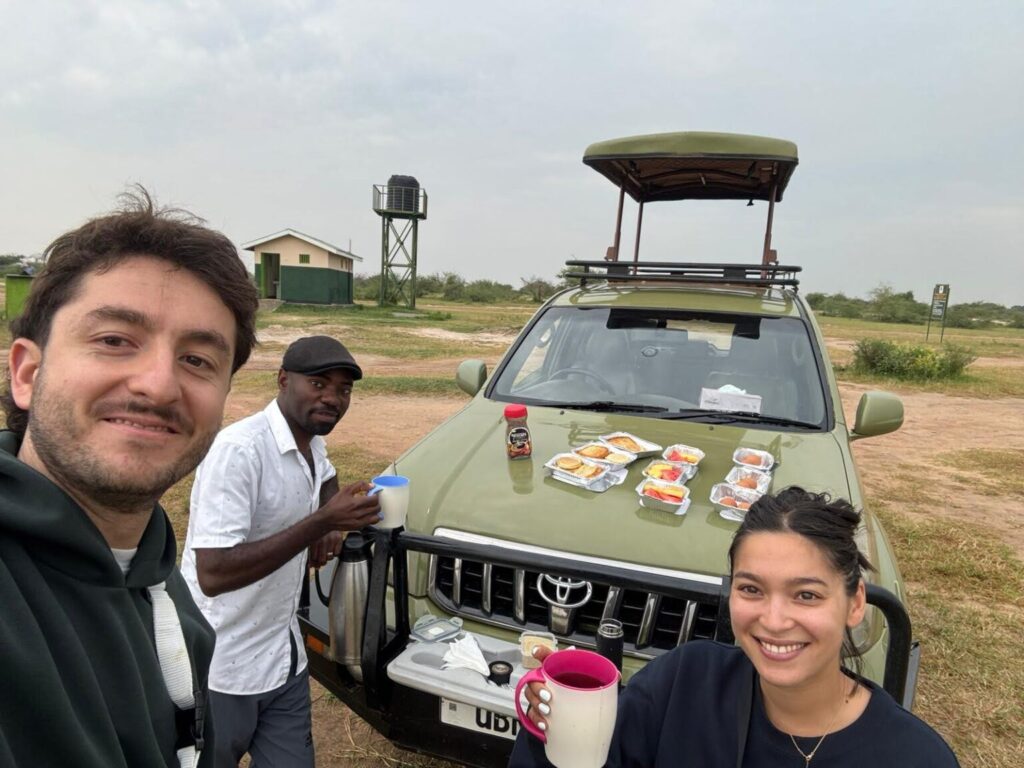
Customer service skills prove especially critical in tourism driving. You’re often the first Ugandan your passengers interact with extensively, making you an ambassador for the country. Develop abilities to read passenger preferences—some want conversation and cultural insights, while others prefer quiet reflection. Patience with difficult passengers, flexibility when plans change, and maintaining positive attitude despite challenges distinguish professional drivers from merely competent ones.
Honesty and integrity build trust essential for long-term employment. This includes transparent reporting of vehicle issues, accurate expense accounting, and refusing opportunities for personal gain that compromise your employer or clients—such as receiving commissions from vendors without disclosure.
Safety Consciousness and Emergency Preparedness
Employers prioritize drivers who demonstrate unwavering commitment to safety. This means following traffic laws consistently, refusing to drive when fatigued, maintaining vehicles according to schedules, and never operating under the influence of alcohol or drugs. Understanding that your primary responsibility is delivering passengers safely to destinations, regardless of time pressures or client requests for speed, shows maturity employers value.

Emergency preparedness separates professional drivers from amateurs. Know first aid basics, understand emergency protocols for accidents or medical situations, carry appropriate emergency equipment, and maintain emergency contact information. For tourism drivers in Uganda, understanding wildlife safety protocols in national parks and knowing how to respond to animal encounters demonstrates specialized expertise.
Cultural Sensitivity and Language Skills
Uganda’s cultural diversity requires drivers who navigate different customs, religions, and social norms respectfully. Understanding appropriate behavior in various regions, respecting religious observances, and showing cultural sensitivity particularly with international clients creates positive experiences that generate repeat business and referrals.

Strong English communication skills are essential, as it’s the primary language for most tourism and corporate clients. However, knowledge of local languages enhances your value significantly. Even basic phrases in languages spoken in regions you frequent demonstrate respect and facilitate smoother interactions with local communities, park rangers, and service providers.
Physical Fitness and Stamina
Driving, especially on long safari circuits, demands physical stamina. Long hours behind the wheel, sometimes on challenging roads, require good health and endurance. Some tourism positions involve assisting with luggage, setting up camping equipment, or helping passengers navigate difficult terrain, making reasonable physical fitness important.
Your Path to Professional Driving Success
The driving profession in Uganda offers rewarding opportunities for those who meet these requirements and continuously develop their skills. Employers value drivers who view their role as a profession requiring ongoing learning rather than just a job requiring basic competence.
Ready to start your professional driving career or seeking skilled drivers in Uganda for your organization? Contact us today by emailing info@rentadriveruganda.com or calling +256-700135510. Whether you’re a driver seeking opportunities or a company needing exceptional driving talent, we connect quality professionals with rewarding positions throughout Uganda’s growing transportation and tourism sectors.