Gorilla Trekking in Uganda: A Journey into the Wild
Uganda’s Gorilla Sanctuaries
Uganda, famously known as the “Pearl of Africa,” is home to landscapes that feel almost untouched by time — and at the center of it all sits gorilla trekking in Uganda, one of the most extraordinary wildlife experiences on the planet. Nearly half of the world’s remaining mountain gorillas live deep within Uganda’s forests, primarily in Bwindi Impenetrable National Park and Mgahinga Gorilla National Park, making Uganda one of only three countries on Earth where this encounter is even possible. Bwindi, a UNESCO World Heritage Site, is a place of dense rainforest, steep ridges, and extraordinary biodiversity, while Mgahinga, though smaller, is equally captivating — set in the Virunga Volcanoes region, where dramatic volcanic scenery meets rare, high-altitude wildlife. Together, these two parks form the beating heart of Uganda’s conservation story, and the reason gorilla trekking in Uganda has become the single most sought-after safari experience in East Africa — offering travelers the rare chance to step into a world where nature still reigns supreme.
The Trekking Experience
Gorilla trekking is not a casual stroll—it is a demanding journey through thick vegetation, muddy trails, and steep terrain. The trek can last anywhere from two to six hours depending on where the gorillas are located that day. Before setting off, visitors are briefed by experienced rangers who explain the rules of engagement and the importance of minimizing disturbance. Groups are kept small, no more than eight trekkers per gorilla family, to ensure intimacy and respect for the animals.
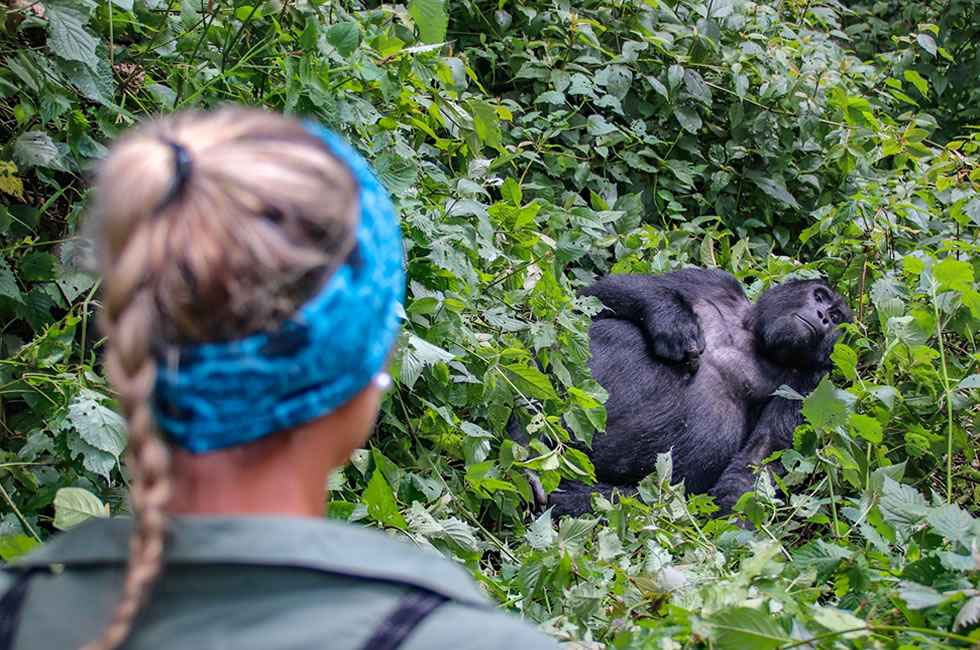
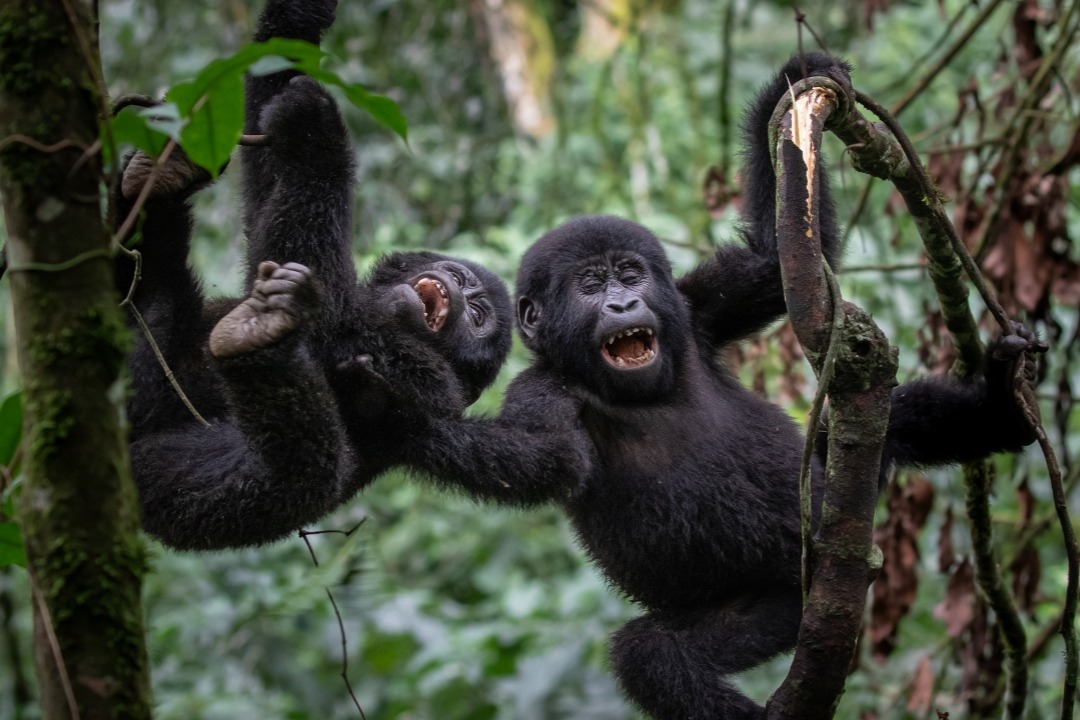
The moment of encounter is unforgettable. Emerging from the forest to find a silverback calmly surveying his family, juveniles tumbling in playful chaos, or mothers tenderly cradling their infants is a scene that leaves trekkers breathless. You are allowed up to one hour in their presence, but those sixty minutes feel timeless. The gorillas movements, their expressions, even their silence carry a weight that is difficult to describe. It is not simply observation—it is communion with a species that mirrors our own humanity.
Conservation and Community Impact
What makes gorilla trekking in Uganda truly remarkable is its role in conservation. The fees paid for permits, currently around $700 per person, are not just tickets to adventure—they are lifelines for the gorillas. That money funds anti-poaching patrols, veterinary care, and the preservation of fragile habitats. It also flows into local communities, building schools, clinics, and infrastructure that improve lives and foster goodwill toward conservation.
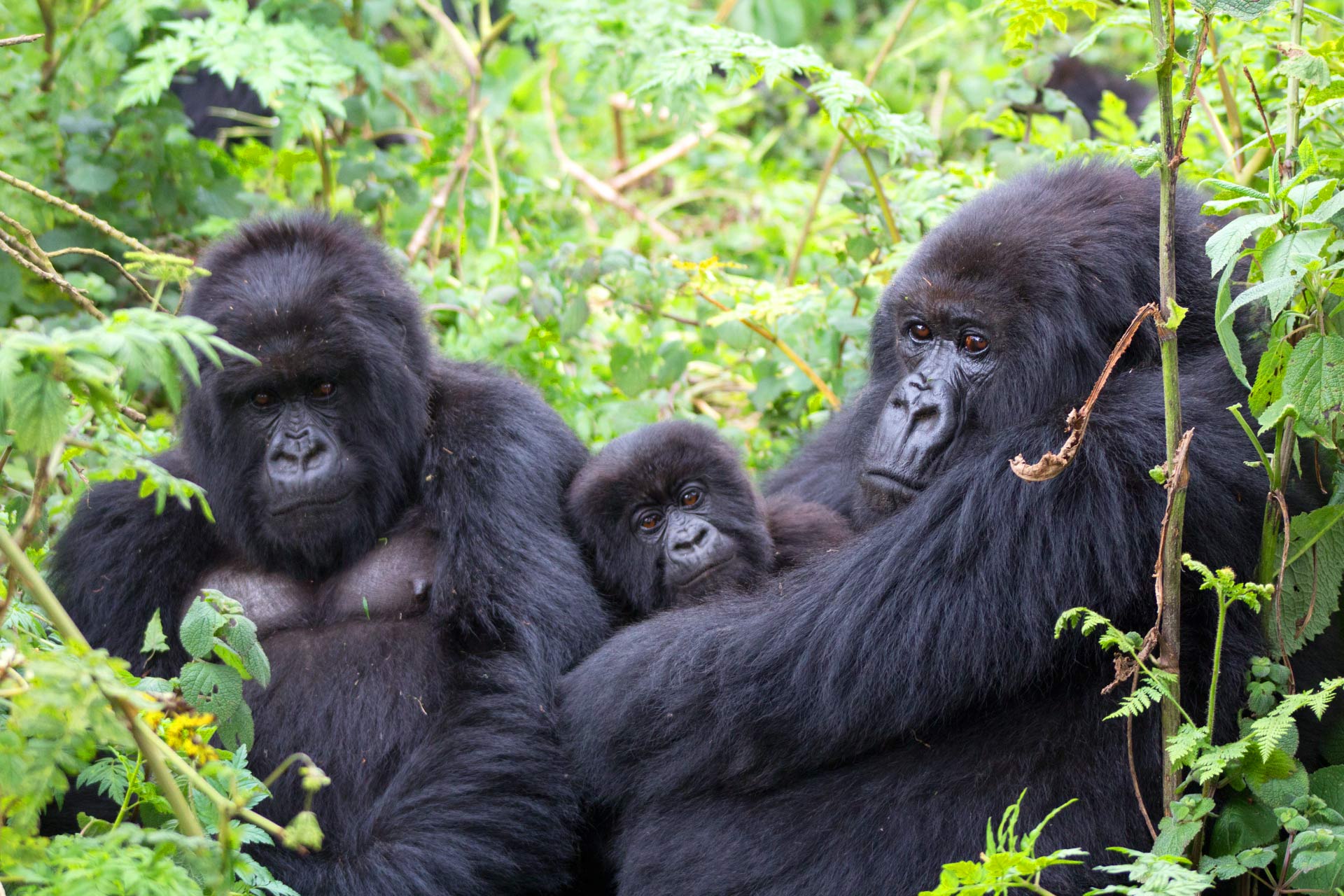
This model has proven successful. Mountain gorillas were once critically endangered, their numbers dwindling dangerously low. Today, thanks to sustained efforts in Uganda, Rwanda, and the Democratic Republic of Congo, their population is slowly increasing. Every trekker becomes part of this success story, contributing to a global movement that shows how tourism, when done responsibly, can protect rather than exploit.
Preparing for the Journey
To embark on this adventure, preparation is key. Permits must be booked well in advance, often months before the trek, through the Uganda Wildlife Authority or licensed tour operators. Physical fitness is important, as the terrain can be grueling, and trekkers should be ready for long hikes in unpredictable conditions. Sturdy boots, rain gear, gloves for gripping vegetation, and insect repellent are essentials.
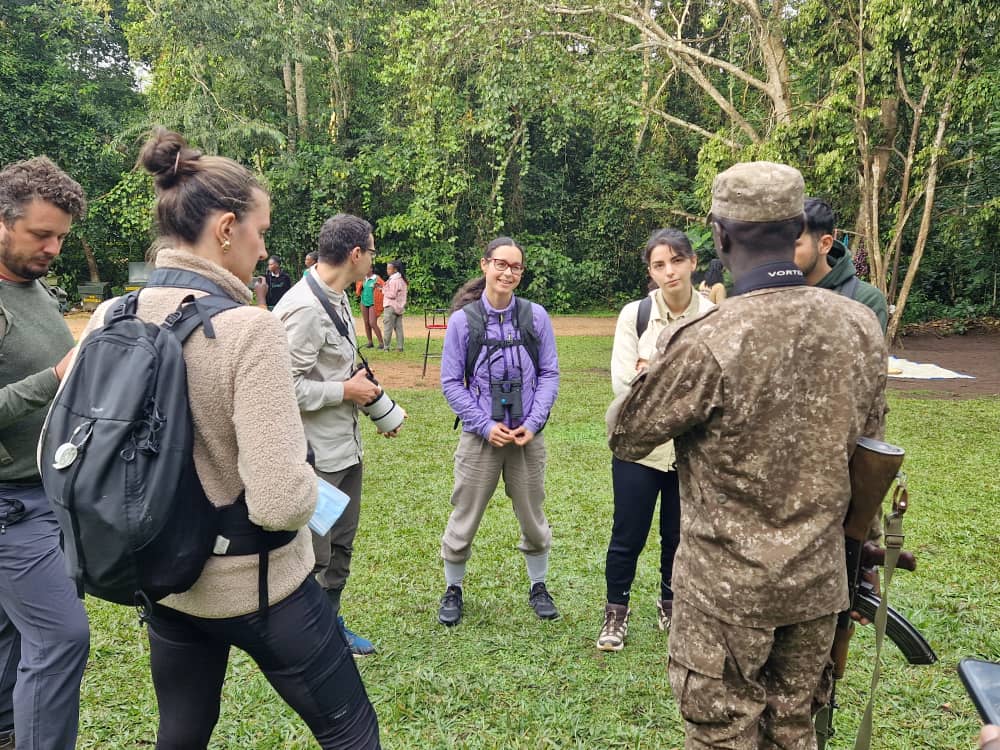
The best times to visit are during the dry seasons, from June to September and December to February, when trails are less slippery and conditions more favorable. Accommodation options near Bwindi and Mgahinga range from luxury lodges nestled in the forest to budget-friendly guesthouses, ensuring that every traveler can find a place to rest after the day’s exertions.
The Emotional Impact
What sets gorilla trekking apart from other wildlife experiences is its emotional resonance. Gorillas share 98% of their DNA with humans, and their behaviors—playfulness, nurturing, curiosity—feel strikingly familiar. Many trekkers describe the experience as spiritual, a reminder of our shared connection to nature. Standing in the forest, hearing the rustle of leaves, and locking eyes with a gorilla is not just an adventure—it is a humbling moment of reflection. It challenges us to consider our role in protecting the planet and its creatures, and it leaves a mark that lingers long after the trek ends.
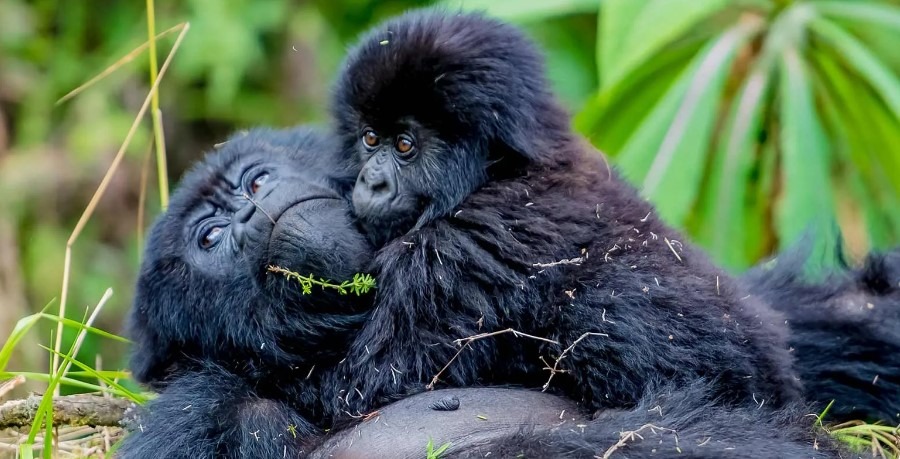
Baby gorillas in Ruhija, Bwindi Forest- Uganda
Stories from the Forest
Every trek brings its own stories. Some recall the quiet authority of a silverback guiding his family away from strangers, others remember the mischievous antics of young gorillas mimicking human gestures. The forest itself adds to the drama—the silence broken only by distant calls, the mist curling through the trees, the sense that you are part of something ancient and enduring. These moments become cherished memories, retold with awe and gratitude, and they remind us why conservation matters.
Why Uganda Stands Out
While Rwanda and the DRC also offer gorilla trekking, Uganda has unique advantages. Bwindi alone hosts over twenty habituated gorilla groups, offering variety and choice for trekkers. The permits are more affordable than Rwanda’s, making the experience accessible to more travelers. And Uganda’s diversity of attractions—from safaris in Queen Elizabeth National Park to chimpanzee tracking in Kibale and exploring the source of the Nile in Jinja—means that gorilla trekking can be part of a broader journey through one of Africa’s most captivating countries.
Conclusion: A Journey Worth Taking
Gorilla trekking in Uganda is not just a bucket-list item—it is a transformative journey. It combines adventure, conservation, and human connection in a way few experiences can. By trekking to see these gentle giants, you become part of a global effort to protect them, while also discovering the beauty of Uganda’s landscapes and people. For those willing to take on the challenge, the reward is immeasurable: a once-in-a-lifetime encounter that leaves you with stories, emotions, and a renewed sense of responsibility toward the natural world.
Traveler’s Guide: Quick Facts
- Permit Cost: $800 per person
- Best Seasons: June–September, December–February
- Duration of Trek: 2–6 hours depending on gorilla location
- Time with Gorillas: 1 hour maximum
- Location: Bwindi Impenetrable National Park & Mgahinga Gorilla National Park
- Accommodation: Luxury lodges, mid-range hotels, and budget guesthouses available nearby
Ready to experience gorilla trekking in Uganda? Book your adventure today and be part of a journey that supports conservation and creates memories for a lifetime. You can contact us by emailing to info@rentadriveruganda.com or call us now on +256-700135510.