How Drivers Read Wild Animal Behavior on Uganda Safaris
Ask anyone who has been on multiple safaris what separates an average trip from an extraordinary one, and the answer rarely comes down to luck. It comes down to the driver. In Uganda’s national parks, where lions rest in tall grass and elephants move silently through thick bush, the difference between a fleeting glimpse and a twenty-minute, front-row wildlife encounter often lies in a driver’s ability to read the animal before it moves.
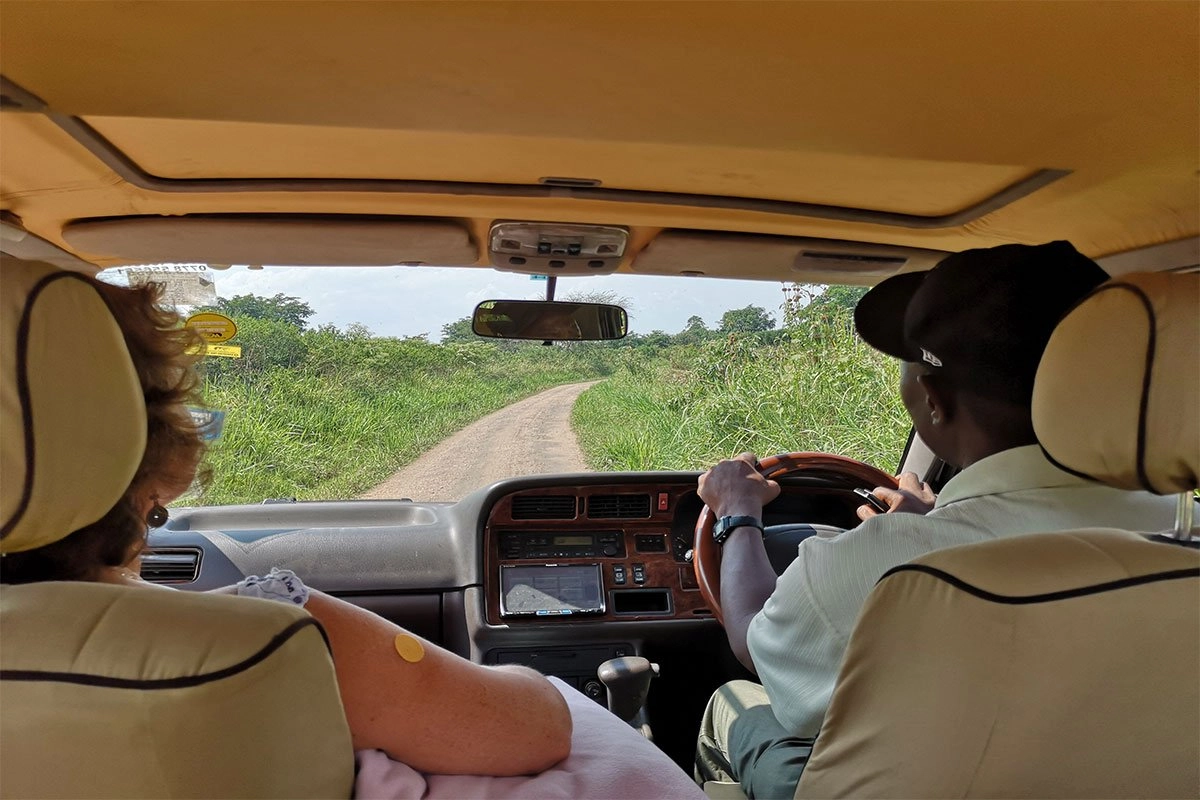
This skill — part instinct, part years of accumulated experience — is one of the most underrated parts of a Uganda safari adventure. It’s also one of the biggest reasons an experienced driver-guide is worth far more than simply someone who can operate a 4×4.
Reading the Signs Before They Become Obvious
Wild animals communicate constantly through posture, movement, and subtle changes in behavior long before they act. Experienced drivers spend years learning to notice these cues, often before tourists even realize an animal has reacted at all.
An elephant’s ears spreading wide and flapping isn’t just a cooling mechanism — depending on context, it can signal irritation or a warning to keep distance. A lion’s tail twitching from side to side often precedes a change in position or an approaching hunt. A buffalo lowering its head and turning to directly face a vehicle is a signal experienced guides never ignore, since buffalo are among the least predictable animals in the park.
Where an untrained eye sees “an elephant standing still,” a seasoned driver sees an elephant deciding whether to tolerate, ignore, or challenge the vehicle’s presence — and adjusts positioning accordingly, often before guests even notice a change.
Understanding Individual Parks and Their Wildlife Patterns
Experienced drivers don’t just understand animals in general — they understand the specific behavioral patterns of the parks they work in.
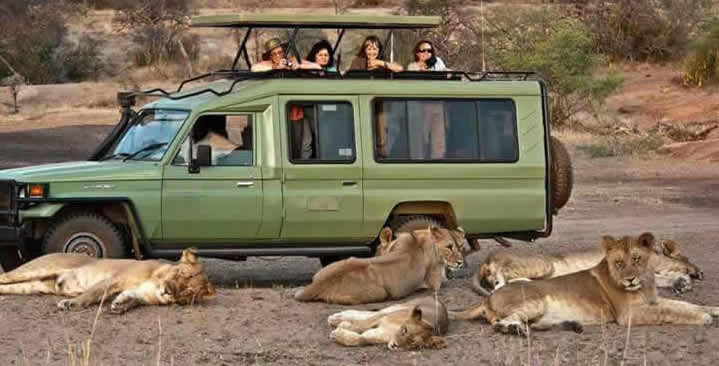
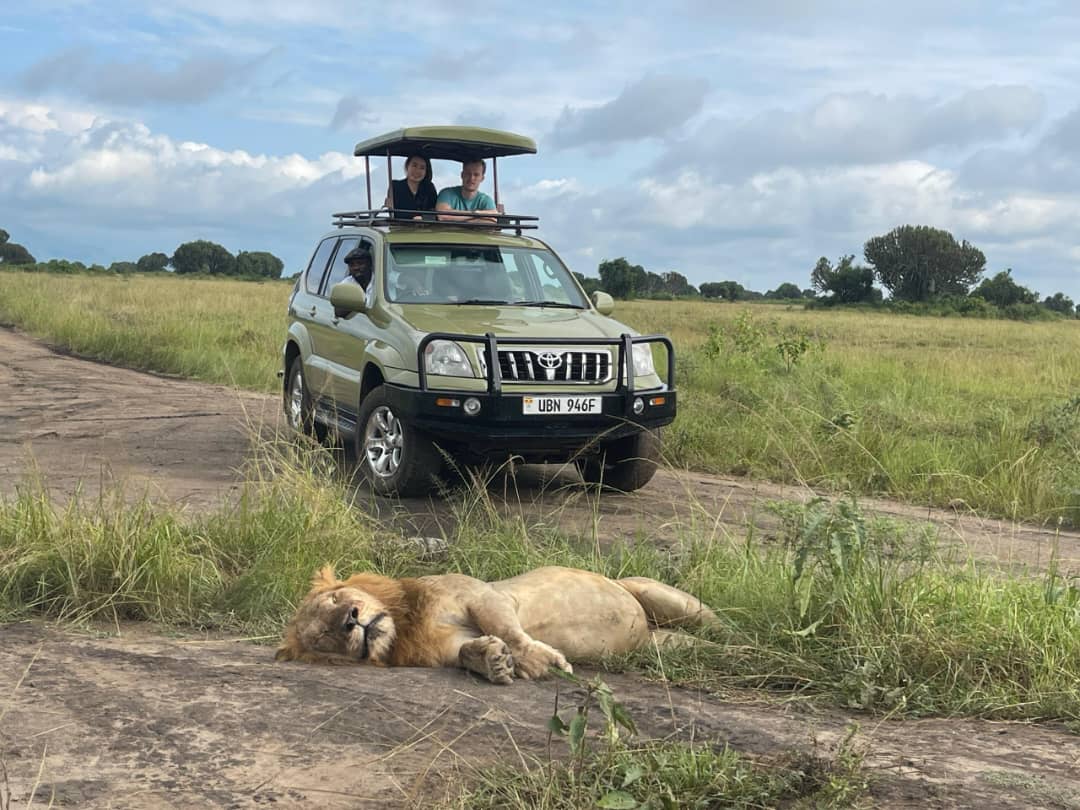
In Queen Elizabeth National Park, guides know that lions frequently climb into fig trees in certain sectors and often rest near the Kazinga Channel during the heat of the day. In Murchison Falls National Park, drivers track elephant movement patterns along the Nile’s delta region, where family herds are more relaxed and predictable near water. In Kidepo Valley, one of Uganda’s more remote parks, guides rely on tracking terrain and seasonal movement, since wildlife here is less habituated to vehicles than in more visited parks.
This localized knowledge, built over years of daily observation, is something no guidebook or map can replace.
Adjusting Vehicle Behavior in Real Time
Interpreting animal behavior is only half the skill — the other half is knowing how to respond. Experienced drivers constantly make small, deliberate adjustments:
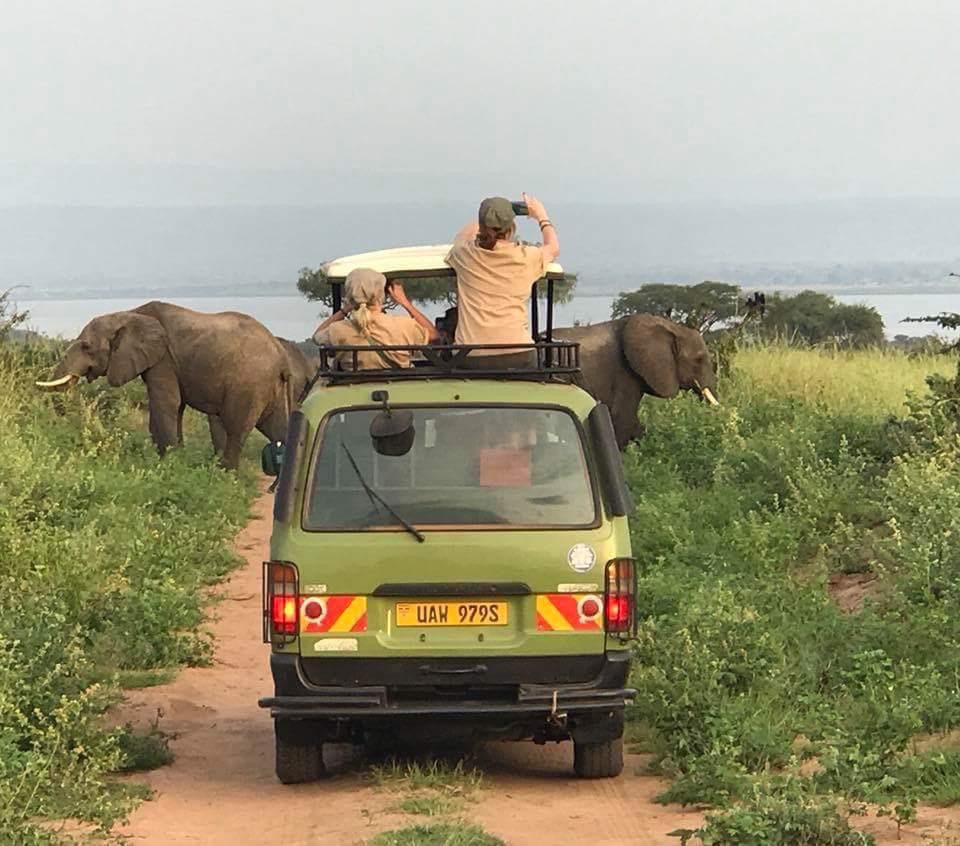
- Slowing the vehicle gradually rather than braking suddenly when an animal shows early signs of alertness
- Repositioning at an angle rather than head-on, which is read as less confrontational by most large mammals
- Cutting the engine during sensitive moments, such as a predator stalking prey, to avoid startling the animal
- Recognizing when to reverse and give space entirely, particularly around mothers with young or agitated buffalo
These micro-decisions, made in seconds, are the product of thousands of hours in the field — and they’re often the difference between a safe, memorable sighting and a rushed, disappointing one.
Why This Expertise Changes the Safari Experience
Tourists on self-drive trips often report shorter, more distant sightings — not necessarily because the wildlife isn’t present, but because reading behavioral cues takes practice most visitors simply haven’t had the chance to develop. An experienced driver bridges that gap, turning a good safari into an exceptional one by anticipating animal movement rather than merely reacting to it.
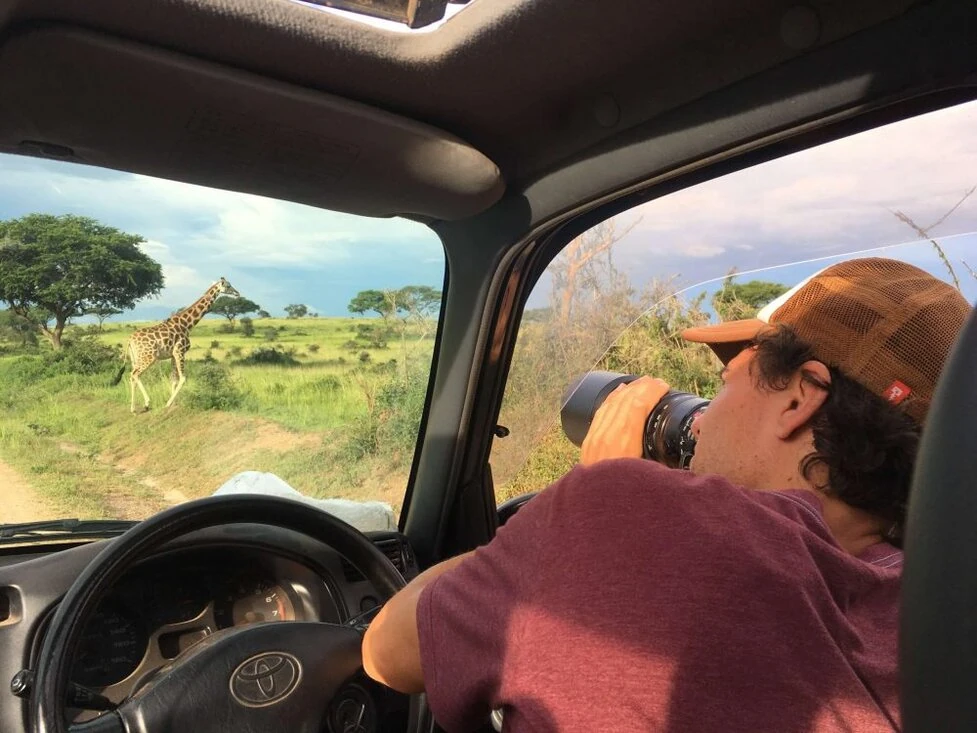
This is also why so many seasoned safari-goers specifically request a private driver-guide rather than opting for a self-drive rental. The value isn’t just in navigation — it’s in decades of accumulated pattern recognition that no app or map can replicate.
The Human Skill Behind the Wild Encounter
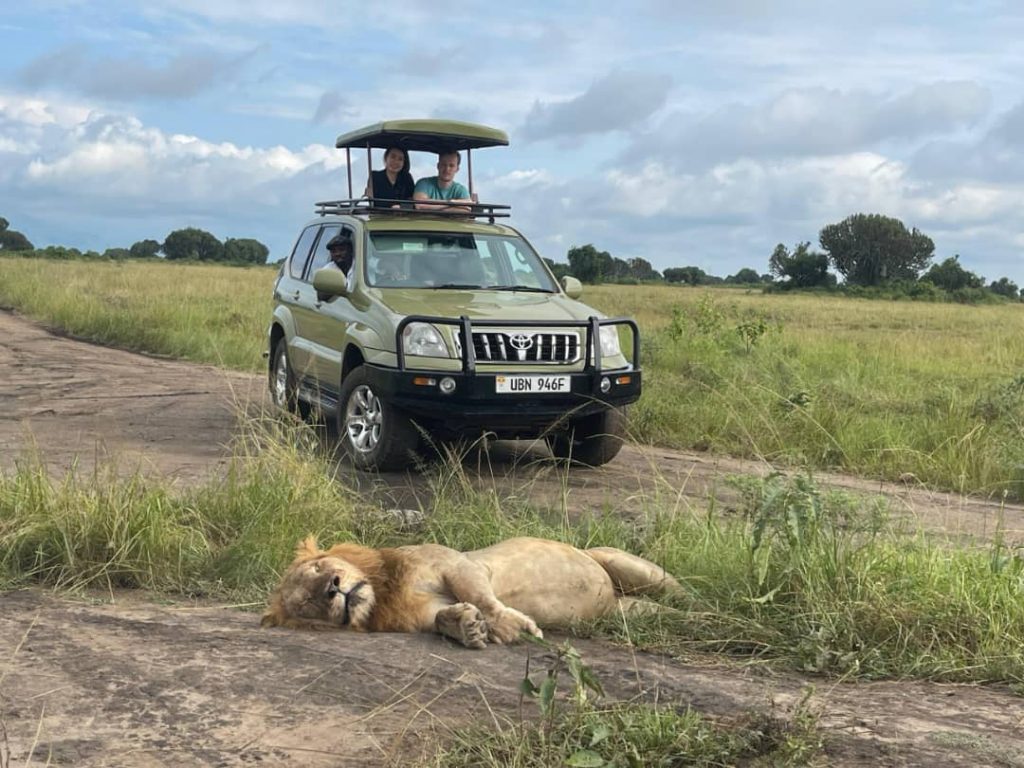
Uganda’s wildlife hasn’t just adapted to vehicles over the decades — it has, in a sense, adapted to skilled drivers who know how to move, wait, and position with quiet respect. That relationship, built over thousands of safaris, is what allows visitors to get remarkably close to lions, elephants, and other wildlife without ever causing distress.
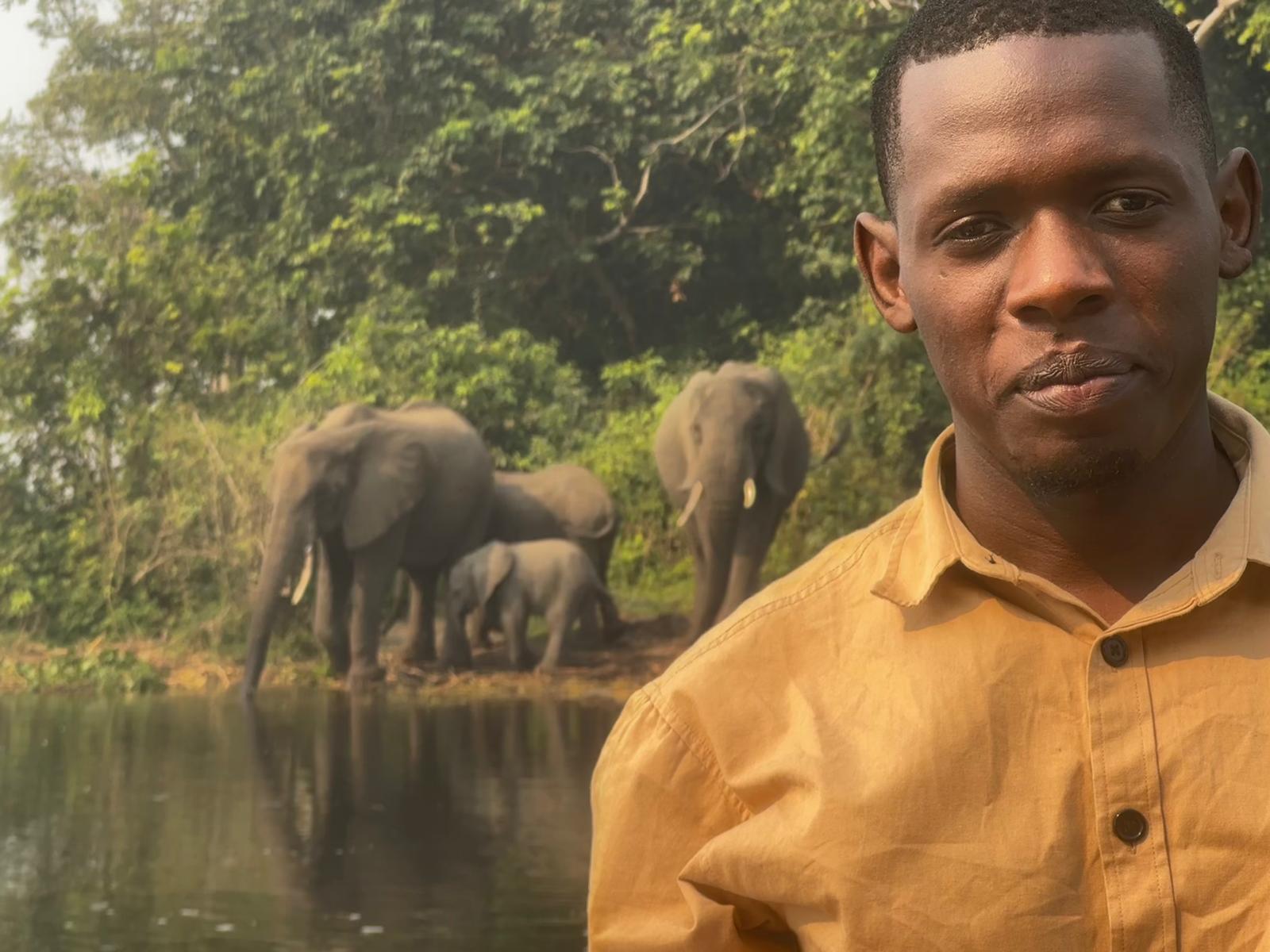
Behind every unforgettable Uganda safari moment is usually a driver who noticed something long before the camera did.
Book an Experienced Driver-Guide for Your Uganda Safari
Don’t leave your wildlife encounters to chance. Book an experienced, professional driver-guide who knows how to read animal behavior, position for the best views, and keep you safe every step of the way.
📞 Call or WhatsApp us at +256-700135510
📧 Email info@rentadriveruganda.com
Reserve your driver-guide today and experience Uganda’s wildlife the way it’s meant to be seen — up close, safely, and unforgettable.