

Hire a Full-Time Driver in Uganda: Costs, Contracts & Rules
If you plan to hire a full-time driver in Uganda, you are making one of the most practical decisions an expat or business can make. Kampala traffic is demanding, boda-bodas weave through every gap, upcountry roads change character with the rain, and a good driver gives you back hours every week. But a full-time driver is also an employee, which means salary, statutory contributions, a proper contract and clear rules from day one.
This guide walks you through what it really costs, what your contract should say, which legal obligations apply and how to find someone you can trust with your vehicle, your family or your clients.
Why Hire a Full-Time Driver Instead of Using Ride-Hailing or Day Hire?
Ride-hailing apps and daily driver hire work well for short stays. A full-time driver makes more sense when:

- You live in Uganda for months or years and drive daily.
- You run a company with regular staff, client or airport movements.
- You have a family with school runs, errands and weekend trips.
- You travel upcountry often and want someone who knows the roads, fuel stops and park routes.
The real value is familiarity. A full-time driver learns your routines, your home, your preferred routes and the quirks of your vehicle. That builds safety and trust that a different driver every day cannot match.
What Does a Full-Time Driver Cost in Uganda?
There is no single price, and the figures below are indicative market guidance rather than fixed rates. Always confirm current rates before you commit.

Your total monthly cost has several parts:
- Basic salary. This depends on experience, languages, the vehicle (a saloon car versus a 4×4 or van) and whether the role is city-only or includes upcountry travel. Experienced drivers with a clean record, good English and defensive driving skills sit at the higher end.
- Employer NSSF contribution. Employers contribute 10% of gross pay on top of salary, while the employee contributes 5% deducted from their pay, making 15% in total paid into the National Social Security Fund.
- Allowances. Common extras include lunch or transport allowance, airtime, and a per-night allowance when the driver sleeps away from home on a trip.
- Overtime or extra-hours pay. Early airport pickups and late events add up. Agree how these are paid in advance.
- Vehicle running costs. Fuel, servicing, tyres, car wash and parking are separate from the driver’s pay but belong in your budget.
- Insurance. Comprehensive motor insurance for your vehicle, plus cover for passengers where available.
- Leave and sickness cover. You will need a plan for when your driver is on leave or unwell, whether that is a reliable backup driver or a day-hire provider.
Budgeting tip: take the gross salary you agree and add at least 10% for employer NSSF, then add allowances and a buffer for overtime. That is your true monthly cost of the person, before vehicle costs.
Direct Hire vs Using an Agency

Hiring directly can cost less on paper, but you handle recruitment, background checks, payroll, tax filing and replacements yourself.
Using a reputable driver-hire company costs more per month, but the agency typically vets drivers, checks permits, handles replacement cover and can supply a trained driver-guide if you also travel for leisure. For expats who are new to Ugandan employment rules, or businesses without an HR team, that convenience is often worth the premium.
What Rules Apply When You Employ a Driver?
Once you hire someone full-time, you are an employer in the eyes of Ugandan law. These are the main areas to understand, and you should check the current position with the relevant authorities or a lawyer before you finalise anything.
1. The Employment Act
Uganda’s Employment Act sets out basic rights and duties for employer and employee, including written terms, wages, working hours, rest days, leave, sick leave and termination procedures. Employers must also follow fair process when ending a contract. Keep records of everything: contract, payslips, leave taken and any warnings.
2. NSSF Registration and Contributions
Employers are expected to register with the National Social Security Fund and remit contributions monthly. The standard rates are 10% from the employer and 5% from the employee on gross pay, so your payroll must deduct the employee’s share and pay both parts on time.
3. PAYE (Pay As You Earn)
Employers must withhold income tax from employee salaries and pay it to the Uganda Revenue Authority (URA), generally by the 15th of the following month. The monthly PAYE bands were revised with effect from 1 July 2026, with reports that the nil-tax threshold moved up to UGX 335,000 a month. Because sources differ on the detail, confirm the current bands directly with URA or a payroll professional before running your first payslip.

4. Local Service Tax
Some districts and municipalities charge Local Service Tax, which is commonly collected through payroll. The amount depends on income and local authority rules.
5. Minimum Wage
Uganda does not currently apply an updated national minimum wage, so pay is set by contract. Paying fairly is still essential, since a driver who is well paid, respected and secure is far more likely to stay and to take care of your vehicle.
6. Work Permits
If you hire a Ugandan citizen, no work permit issue arises. If you ever consider hiring a foreign national as a driver, the right immigration permits are required.
What Should Be in the Driver’s Contract?
A written contract protects you and your driver. Even where the law does not demand every detail in writing, putting it on paper prevents most disputes. A solid driver contract usually covers:
- Parties and job title. Full names, ID details, and role (for example, personal driver, executive driver or company driver).
- Start date and probation. Many employers use a probation period, such as three months, to assess reliability before confirming the role.
- Salary and payment date. State gross pay, payment method, deductions (NSSF, PAYE) and the date each month.
- Working hours and days. Standard hours, rest days, public holidays and how overtime is handled.
- Allowances. Airtime, meals, accommodation on upcountry trips and who pays for what.
- Leave. Annual leave, sick leave and any special leave in line with the Employment Act.
- Vehicle rules. No private use of the vehicle without permission, no carrying unapproved passengers, mandatory daily checks, immediate reporting of damage or accidents.
- Traffic fines and accidents. Who pays fines caused by the driver’s behaviour, and what happens after an accident.
- Conduct. Zero tolerance for drinking and driving, speeding, using a phone while driving or misusing company or family information.
- Confidentiality. Especially important for expat families and business executives.
- Termination. Notice periods for both sides, grounds for summary dismissal and what happens to final pay.
Have a local lawyer or HR adviser review the final version, particularly for company hires.
How to Find and Vet a Reliable Driver
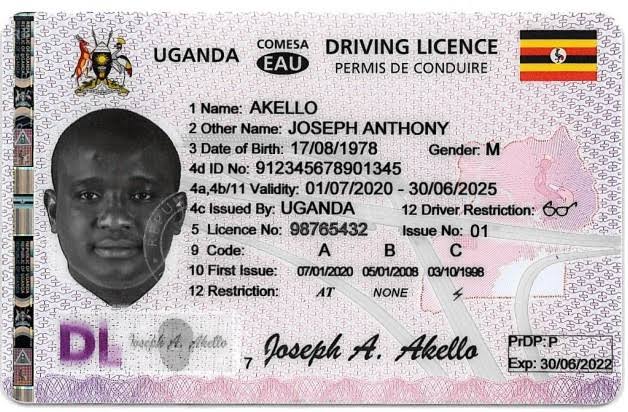
A driver holds your safety, and often your confidential information, in their hands. Do not rush this step.
- Check the driving permit. Confirm the correct class (Class B for cars and dual-purpose vehicles, and DL for minivans) and that it is valid.
- Ask for references. Call previous employers, and ask specific questions about punctuality, honesty and driving style.
- Verify identity and address. Get a national ID copy, a local contact person and a home location.
- Run a practical driving test. Ride with the candidate in city traffic and on a rougher road. Look for smooth braking, patience and awareness.
- Check first aid and mechanical knowledge. Basic first aid and the ability to check oil, water, tyres and fix a puncture are real advantages.
- Test communication. Good English matters for expats and business use, and other languages are a bonus.
- Look for character. Calm, honest, punctual and respectful drivers are worth more than flashy credentials.
Practical Tips for a Long, Smooth Working Relationship

- Set expectations in week one. Walk through routes, schedules and vehicle rules together.
- Do a daily vehicle check. Fuel, tyres, lights, oil, water and documents.
- Keep a logbook. Record mileage, fuel and trips to control costs and spot problems early.
- Pay on time, every time. Reliable pay builds loyalty and reduces temptation.
- Invest in training. A defensive driving course or first aid refresher improves safety and shows respect.
- Plan for backup cover. Know who will drive when your regular driver is away.
- Keep communication open. A quick weekly check-in prevents small issues from turning into resignations.
Frequently Asked Questions
Do I have to register my driver with NSSF?
Employers are generally expected to register employees with NSSF and pay the employer and employee contributions monthly. Confirm your exact obligations with NSSF Uganda.
How much more than salary should I budget?
At minimum, add the 10% employer NSSF contribution, plus allowances, overtime and a buffer. Vehicle running costs and insurance are on top of that.
Is it better to hire directly or through an agency?
Direct hire can be cheaper but puts all admin and risk on you. An agency costs more but usually handles vetting, replacements and compliance support.
Can my full-time driver also act as a safari guide?
Sometimes. A driver who is also trained and licensed as a guide can take you on upcountry trips, but guiding requires separate training and licensing, and should be agreed in the contract.
What if my driver is sick or on leave?
Plan ahead with a trusted backup driver or a driver-hire company that can supply short-term cover.
Final Thoughts
When you hire a full-time driver in Uganda, you are building a working relationship, not just filling a seat. Budget realistically, put a clear contract in place, meet your NSSF and tax duties and choose someone whose character you trust as much as their driving. Do it well and you gain safety, time and peace of mind on every journey.
If you would rather not handle recruitment and compliance yourself, a trusted driver-hire company can match you with a vetted, experienced driver and provide backup cover when you need it.
Statutory rates, tax bands and legal requirements change. This article is general guidance, not legal or tax advice, so confirm current details with URA, NSSF Uganda or a qualified adviser before you hire.
To book a full-time driver in Uganda for safari, business or special occasion like wedding – simply contact us now by sending an email to info@rentadriveruganda.com or call +256-700135510.


