Chauffeur Services in Europe and Uganda: Castles vs Safaris
A car and a driver can mean two very different things depending on where you land. In Paris or Prague, it might mean a black Mercedes gliding up to a castle gate with a driver in a suit holding your door. In Uganda, it might mean a raised 4×4 with a pop-up roof, a driver who spots a leopard in a tree before you do, and a cooler of cold water on the back seat.
Both are chauffeur services, but they are built for different landscapes and different expectations. This guide compares chauffeur services in Europe and Uganda across vehicles, driver roles, regulation, pricing, comfort, and the kind of travel each suits best. It’s written for travellers weighing a trip that mixes both worlds, tour planners building multi-region itineraries, and anyone curious about how a driver’s job changes from castle roads to savannah tracks.
1. What “Chauffeur” Actually Means in Each Place
In Europe: the professional private driver

#European chauffeur
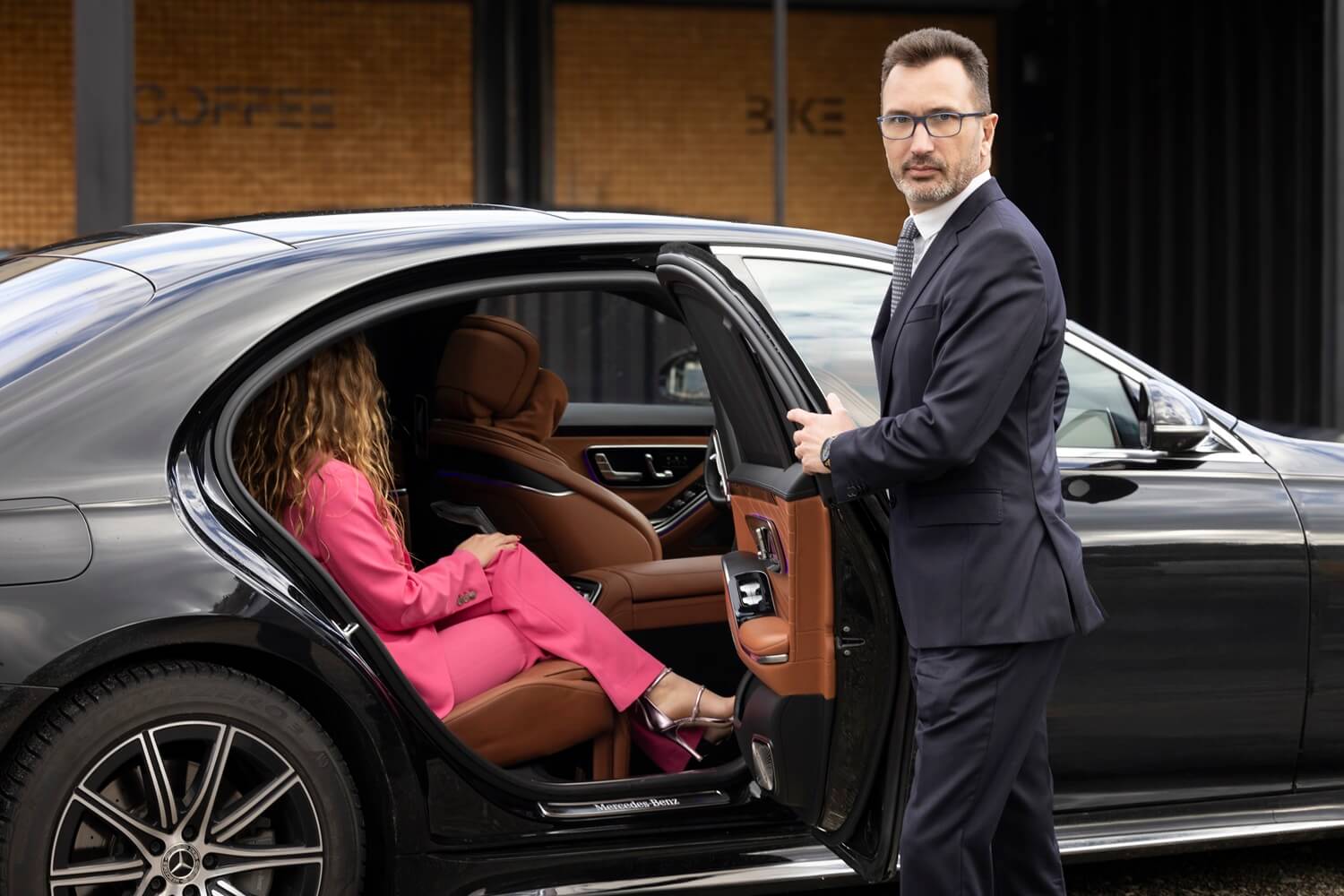
In most European countries, a chauffeur is a licensed private-hire driver whose job is to move you comfortably, safely, and punctually. The emphasis is on discretion, polish, and service: airport meet-and-greets, business transfers, wedding transport, city tours, and multi-day road trips between historic sites.
Many European chauffeurs are not expected to be guides. Some are, particularly on castle and wine-region routes, but the default role is driver first.
In Uganda: the driver-guide
#Ugandan driver
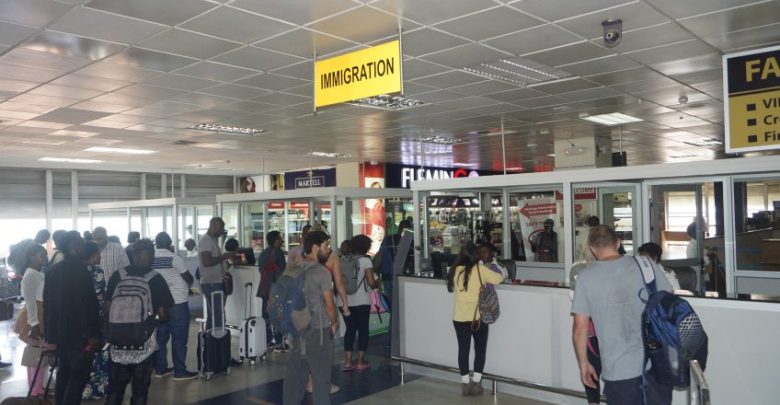
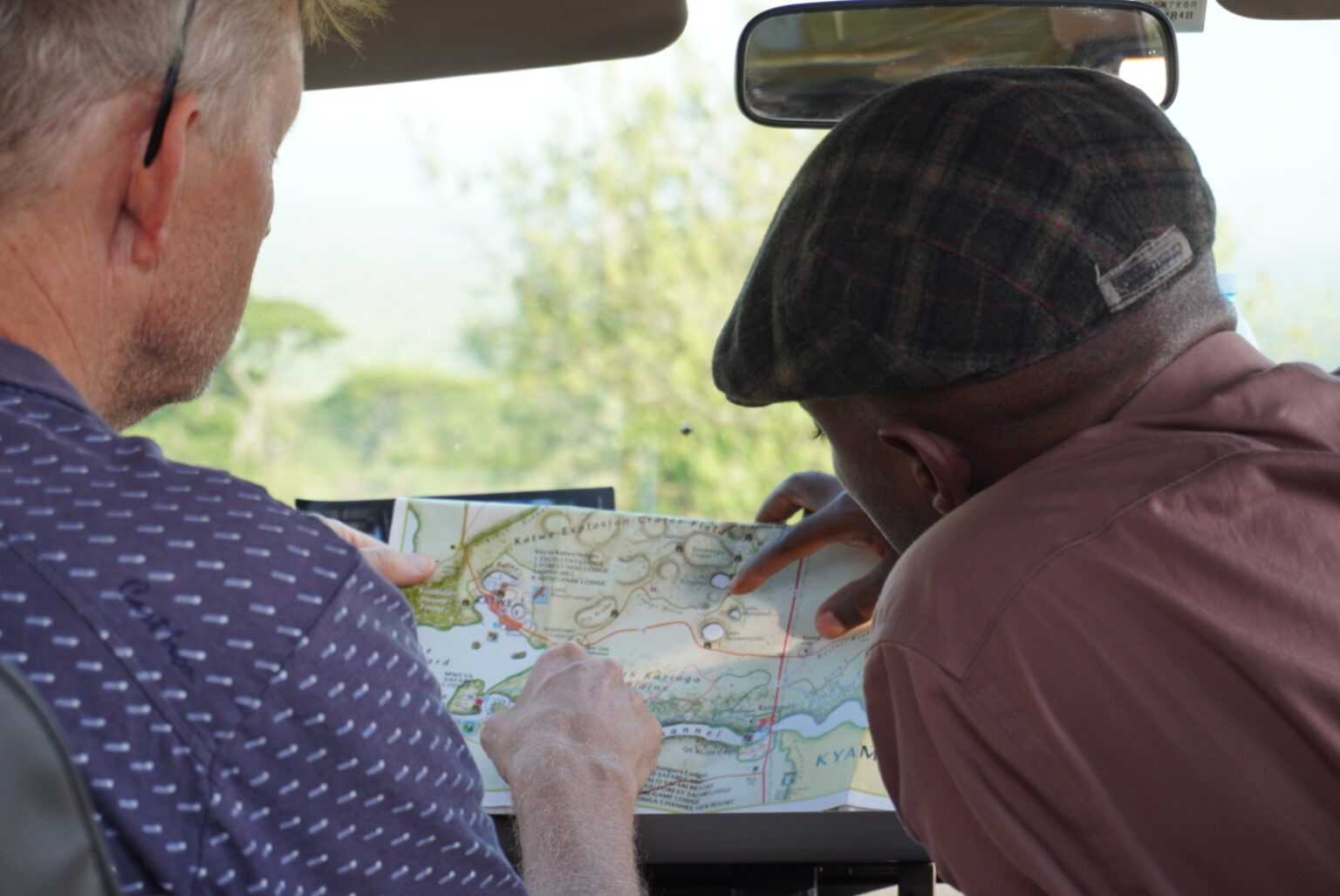
In Uganda, the person behind the wheel usually does more. Most visitors hire a driver-guide, a professional who drives, interprets wildlife and landscapes, handles park logistics, and often acts as translator and cultural bridge. The formal, suited chauffeur exists in Kampala and Entebbe for executives, diplomats, and airport transfers, but for travel beyond the cities the driver-guide is the norm.
When comparing chauffeur services in Europe and Uganda, this is the biggest difference: Europe sells refinement and efficiency, while Uganda sells knowledge and access.
2. Vehicles: Saloons vs Safari 4x4s
European fleets
European chauffeur fleets typically include executive saloons, estates, SUVs, and minivans built for comfort on well-maintained roads. Expect leather seating, climate control, Wi-Fi, bottled water, and sometimes child seats on request. Larger groups are served by luxury vans or minibuses, and coach operators handle bigger parties.
Ugandan fleets
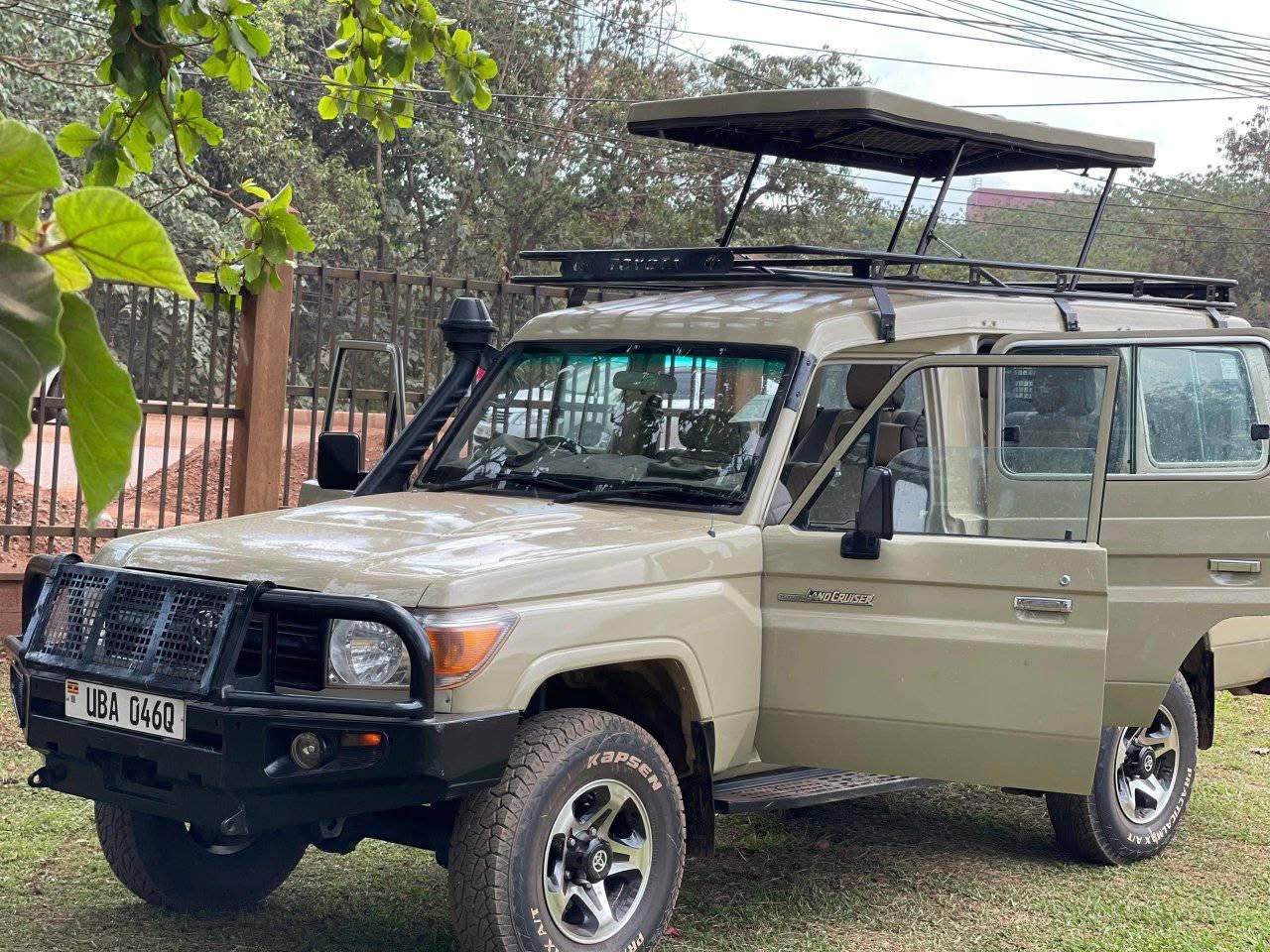
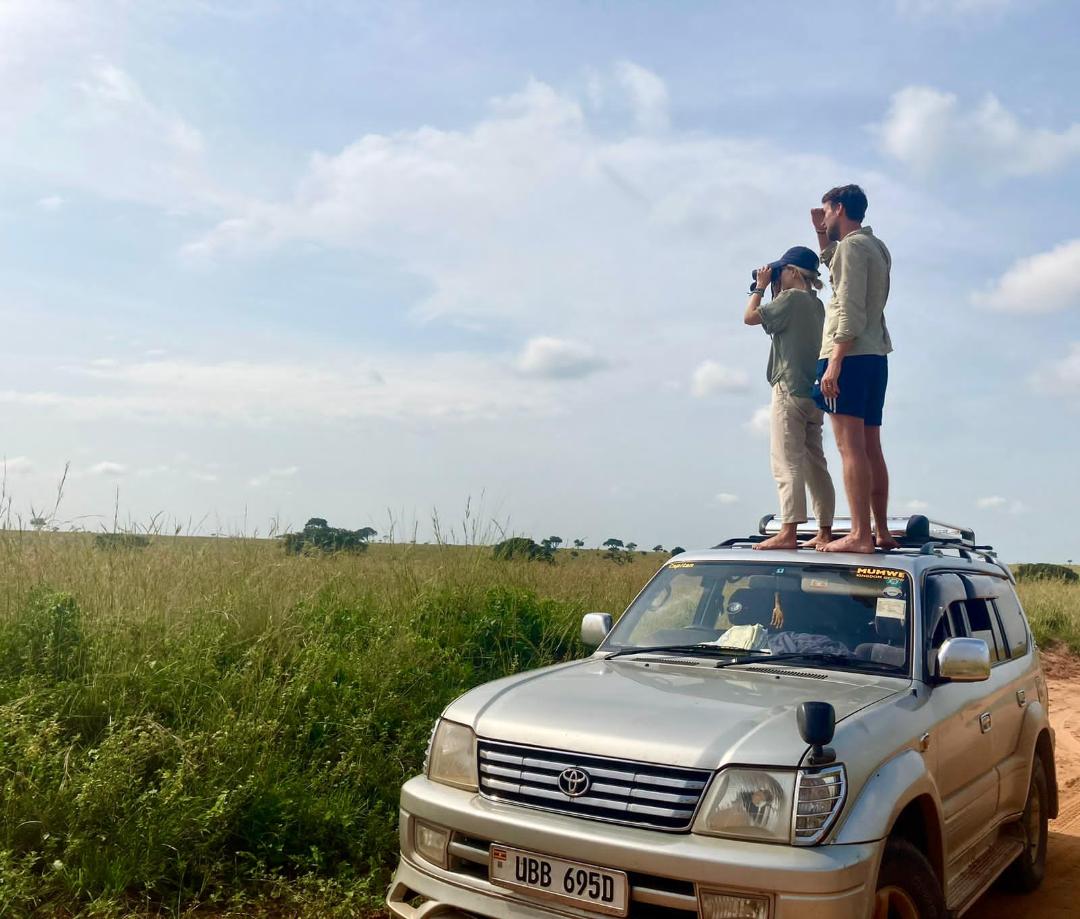
Uganda’s roads range from smooth highways to rough murram tracks that turn slippery in the rains. That’s why safari vehicles tend to be four-wheel-drive Land Cruisers or similar vehicles with high ground clearance, and many have pop-up roofs so guests can stand and watch wildlife. Comfort matters, but capability comes first. Charging ports, cool boxes, and extra fuel or recovery equipment are practical priorities.
In Kampala, standard saloons and SUVs are common for airport and business transfers, and are perfectly suitable for city and highway travel.
The lesson: choose the vehicle for the terrain, not the badge. A luxury saloon would struggle in Murchison Falls National Park after rain, while a safari 4×4 is more vehicle than you need for a Loire Valley château circuit.
3. The Driver’s Skill Set
European chauffeurs are typically strong on:

- Navigating dense city traffic, tolls, low-emission zones, and strict parking rules
- Punctuality and schedule management
- Professional etiquette and client discretion
- Language ability, often English plus one or more local or regional languages
Ugandan driver-guides are typically strong on:
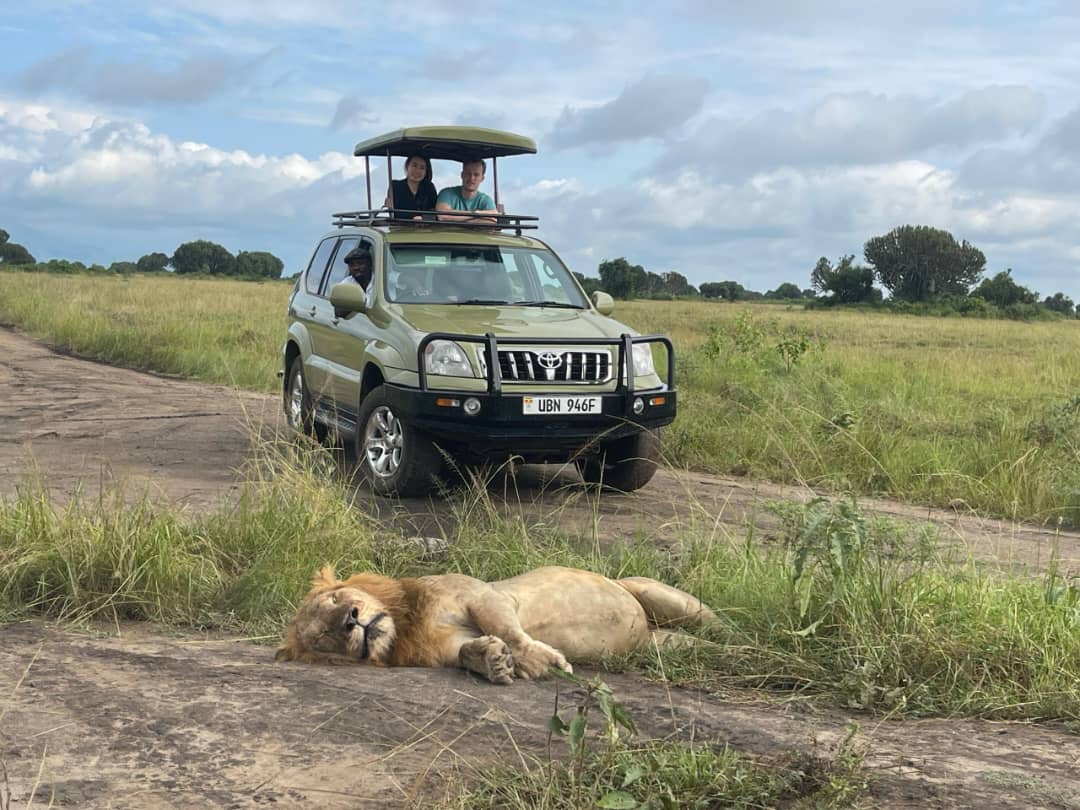
- Handling rough roads, river crossings, and changing weather
- Wildlife spotting and behaviour knowledge
- Park rules, ranger coordination, and permit logistics
- Cultural interpretation, greetings, and community etiquette
- Practical problem-solving far from a garage or hospital
Neither is better in absolute terms. They are optimized for different jobs. The best operators in both regions add training where they can: European drivers picking up local history, and Ugandan drivers adding hospitality and customer service standards.
4. Regulation and Licensing

Europe
Rules vary by country and sometimes by city. Private-hire and chauffeur operators generally need commercial licence, insurance that covers paying passengers, and vehicles that meet inspection standards. Some countries require specific permits for tourist transport or set limits on driving hours through tachograph and rest-time rules, particularly for larger vehicles.
Uganda
Look for a valid Ugandan driving permit appropriate to the vehicle, professional endorsement where required, current vehicle registration, and commercial or passenger insurance. If you book through a company, confirm that it is licensed with the Uganda Tourism Board. National park visits involve entry fees and rules managed by the Uganda Wildlife Authority, and your operator should handle these clearly.
Regulations change, so verify current requirements with the relevant authorities before booking, in both regions. In either place, ask to see documents in advance.
5. Pricing: What You Are Really Paying For
Exact prices vary by season, vehicle, distance, and operator, so treat any published figure as a starting point and request a written quote.

In Europe, costs commonly reflect vehicle class, driver time, and location. Big-city rates and airport transfers are often priced per journey, while multi-day tours are priced per day, sometimes with extra charges for waiting time, overnight stays, tolls, and parking.
In Uganda, pricing is usually a daily rate that bundles the vehicle, driver-guide, and often fuel. Park entry fees, accommodation, and meals are usually separate. Because safari vehicles are heavily used and expensive to maintain, very cheap quotes can be a warning sign for cut corners on servicing, insurance, or driver pay.
What to compare in both regions:
- Whether fuel, tolls, and parking are included
- Driver accommodation and meals on overnight trips
- Overtime and waiting-time terms
- Cancellation policy and deposit requirements
- What happens if the vehicle breaks down
6. The Experience: Castles, Cities, and Wild Places
Castle and heritage routes in Europe
A chauffeur turns a castle circuit into a relaxed journey. You don’t have to hunt for parking, decode signs, or worry about a glass of wine at lunch. Popular themes include:
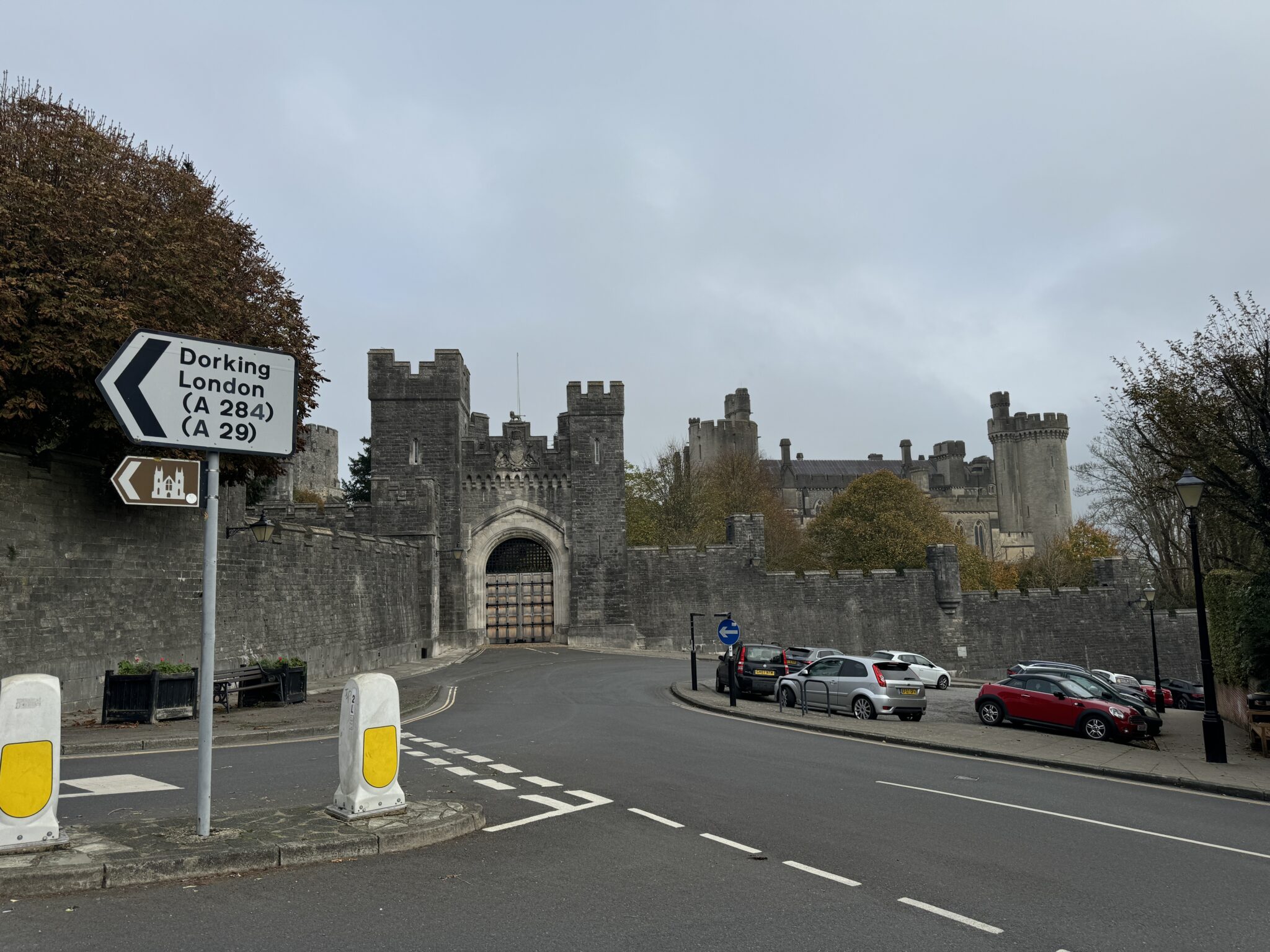
- Loire Valley châteaux in France
- Bavarian castles in Germany
- Scottish Highland castles and distilleries
- Medieval towns and fortresses across central Europe
The chauffeur handles the logistics while you focus on the history. Some drivers double as informal guides, but for deep historical commentary, most travellers pair a chauffeur with a licensed local guide at each site.
Safaris and beyond in Uganda
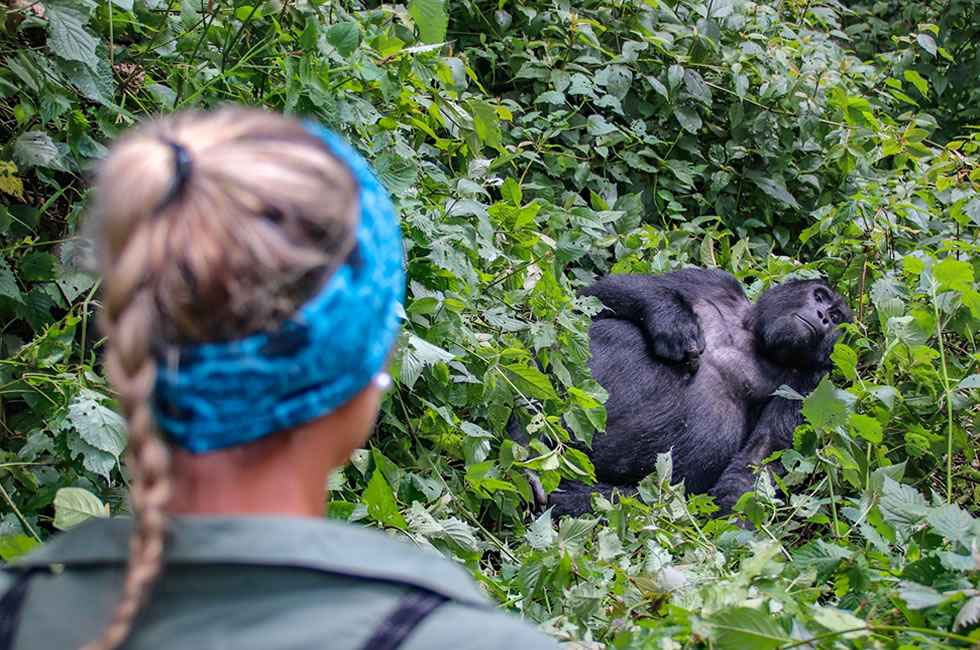
Uganda’s appeal is different: primates, big game, lakes, waterfalls, mountains, and a lively cultural scene. Here the driver-guide is central to the experience. They know where chimpanzees were seen that morning, how to position the vehicle for the best light, and when to leave for the lodge before dark.
Uganda’s driver-guides also open doors that go beyond wildlife, from cultural festivals and kingdom celebrations to craft villages and community projects, where local knowledge and respectful conduct make all the difference.
7. Safety and Comfort
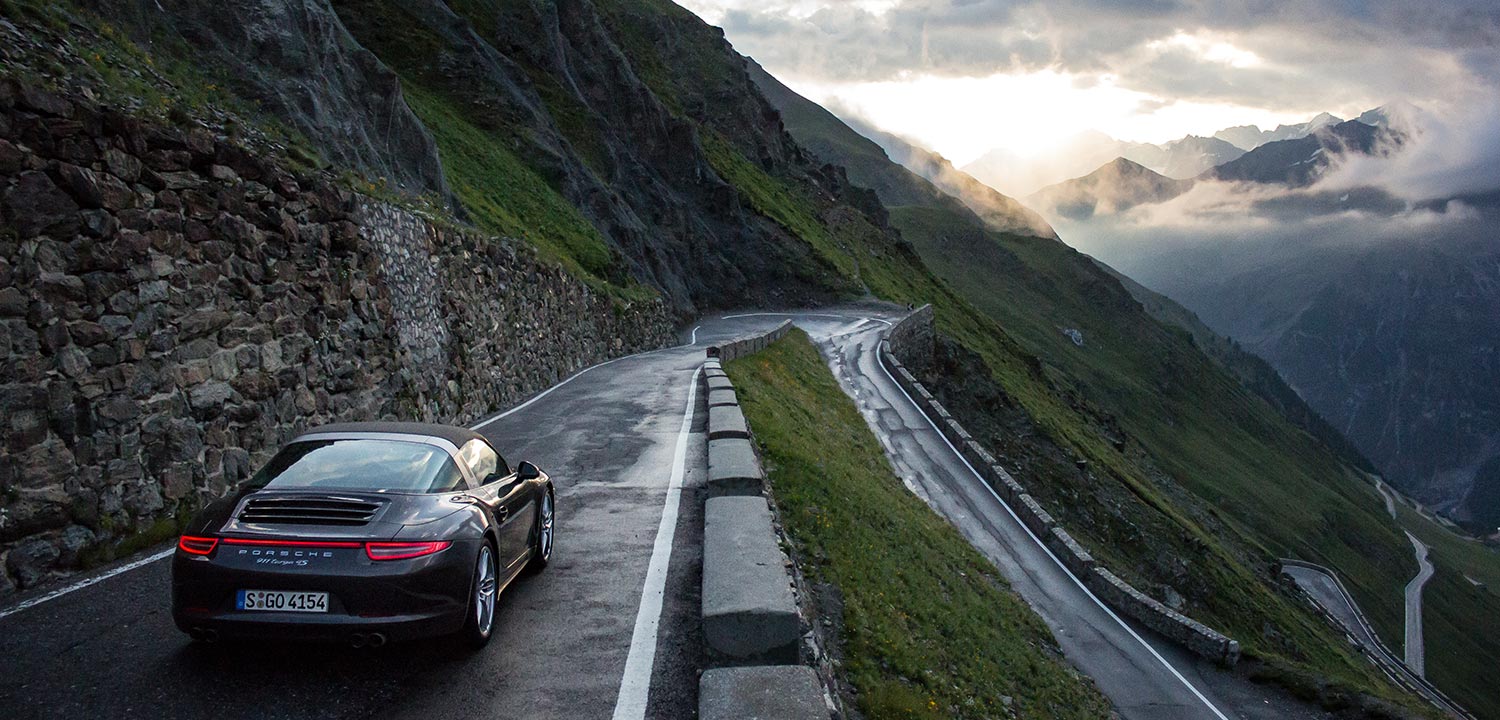
Europe: Roads are generally well-maintained and signposted, emergency services are accessible, and chauffeur companies tend to have formal standards for vehicles and driver hours. The main risks are traffic, weather, and, in some cities, opportunistic theft around tourist hotspots.
Uganda: Safety depends heavily on choosing a competent operator. Key concerns include road conditions, wildlife on or near roads, heavy traffic in and around Kampala, and limited lighting outside towns. Avoid unnecessary night driving, confirm the vehicle’s condition and insurance, and make sure the driver is well rested and sober.
In both cases, the safest choice is a reputable operator with clear terms, verified documents, and a backup plan.
8. Booking Tips That Apply Anywhere
- Define the trip first. Airport transfer, city day, castle circuit, safari, or a mix? The right service depends on the answer.
- Ask about the driver, not just the car. Experience, languages, and references matter.
- Get everything in writing. Dates, hours, inclusions, price, and cancellation terms.
- Verify licensing and insurance. Documents before departure, not at the roadside.
- Book early for peak seasons. Summer in Europe and the dry seasons in Uganda are busiest.
- Share your itinerary and expectations. A briefed driver performs better.
- Pay fairly and tip appropriately. Good service depends on good working conditions.
9. Combining Both: Europe and Uganda in One Journey
More travellers now build itineraries that pair a cultural European leg with an East African adventure. If you’re planning both, keep in mind:
- Expect a change in pace. European chauffeur trips run to tight schedules, while Ugandan travel benefits from flexibility for weather, wildlife, and road conditions.
- Adjust your packing and expectations. Formal wear suits a city chauffeur, but safari days call for layers, sturdy shoes, and dust-friendly luggage.
- Use the right kind of provider on each leg. A specialist chauffeur company in Europe and a reputable safari operator in Uganda will serve you better than one company trying to do both.
- Plan connections carefully. Long-haul flights, time zones, and Entebbe airport logistics should be built into your schedule with buffer time.
Quick Comparison
| Factor | Europe | Uganda |
|---|---|---|
| Driver’s main role | Professional driver, punctual and discreet | Driver-guide, wildlife and cultural interpreter |
| Typical vehicle | Executive saloon, SUV, luxury van | 4×4 safari vehicle, often with pop-up roof |
| Road conditions | Mostly well-maintained | Varied, from highways to rough tracks |
| Best for | Castles, cities, business, weddings | Safaris, primates, festivals, rural travel |
| Pricing style | Per journey or per day, plus extras | Usually daily rate, park fees separate |
| Key risk to manage | Traffic and city regulations | Road conditions, night driving, operator quality |
Conclusion
Chauffeur services in Europe & Uganda share a core promise: a safe, reliable journey with someone who knows the way. But they deliver it differently. Europe offers polish, precision, and heritage routes that unfold without stress. Uganda offers expertise, adventure, and a driver who becomes your window into landscapes and cultures you can’t easily read from a map.
Choose the service that fits the terrain, check the credentials, agree the terms in writing, and treat your driver as a partner. Whether you’re rolling up to a castle gate or tracking gorillas through the forest, the right person at the wheel shapes the whole trip.
Note: prices, licensing rules, and park regulations change regularly. Confirm current details with operators and the relevant authorities before finalizing your plans.
Explore our top chauffeur services in Uganda and book a safe, comfortable road trip through the Pearl of Africa. Get in touch today at info@rentadriveruganda.com or call +256-700135510, and we’ll take care of the rest.