Hiring Drivers for Uganda’s Cultural Festivals: Beyond Safaris
A Different Kind of Road Trip
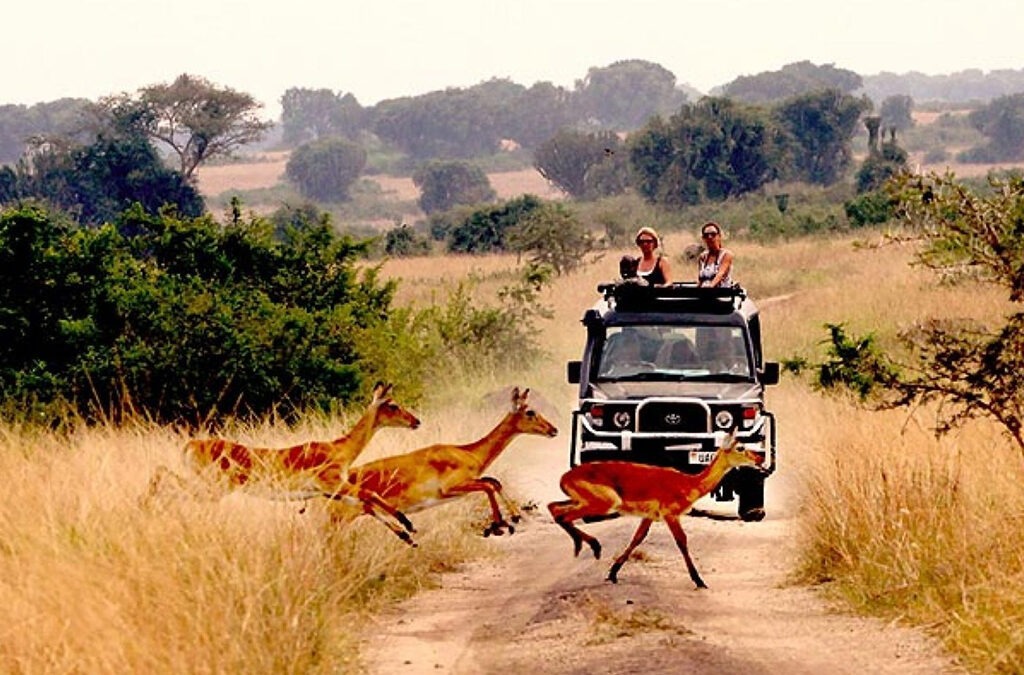
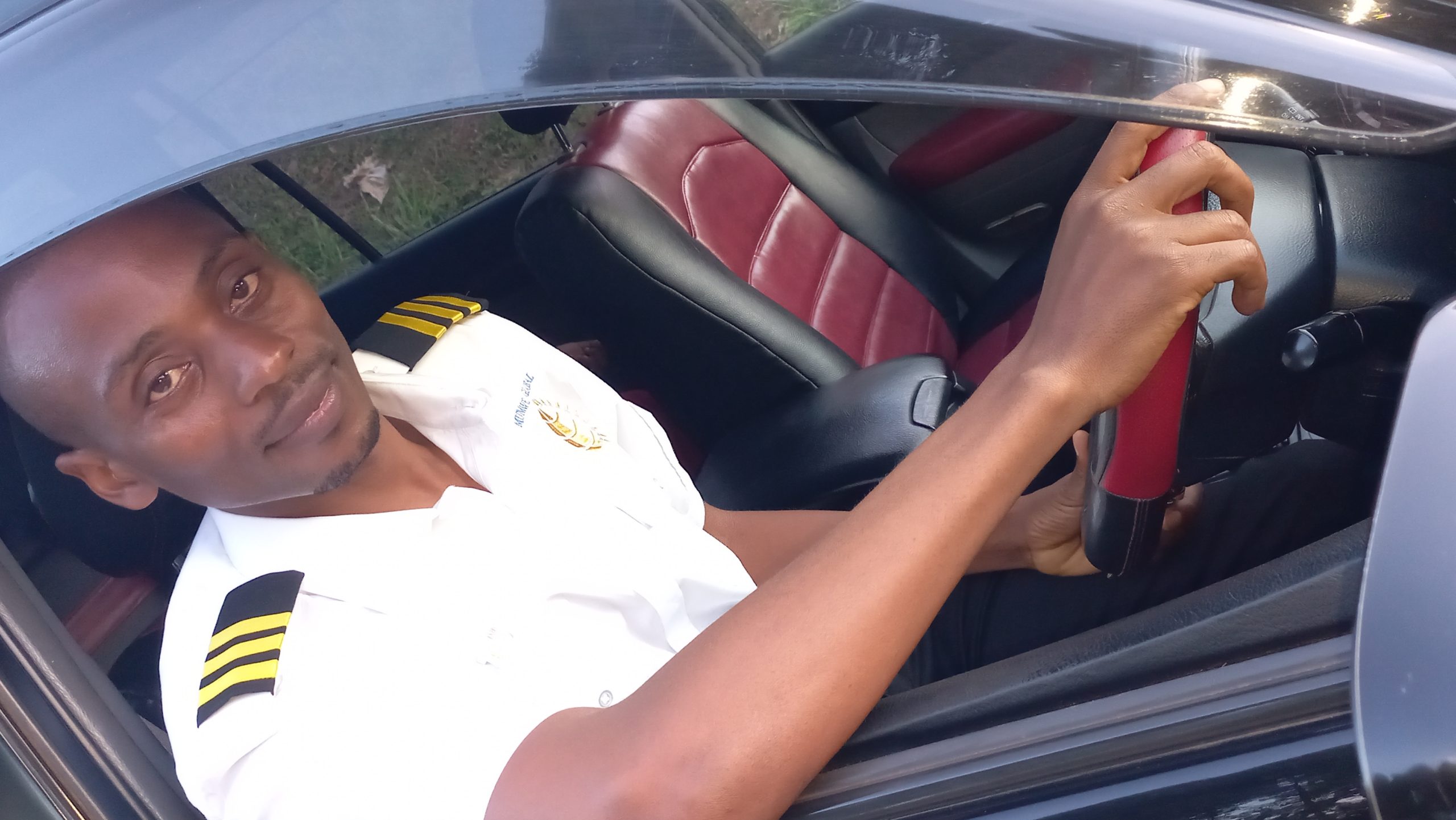
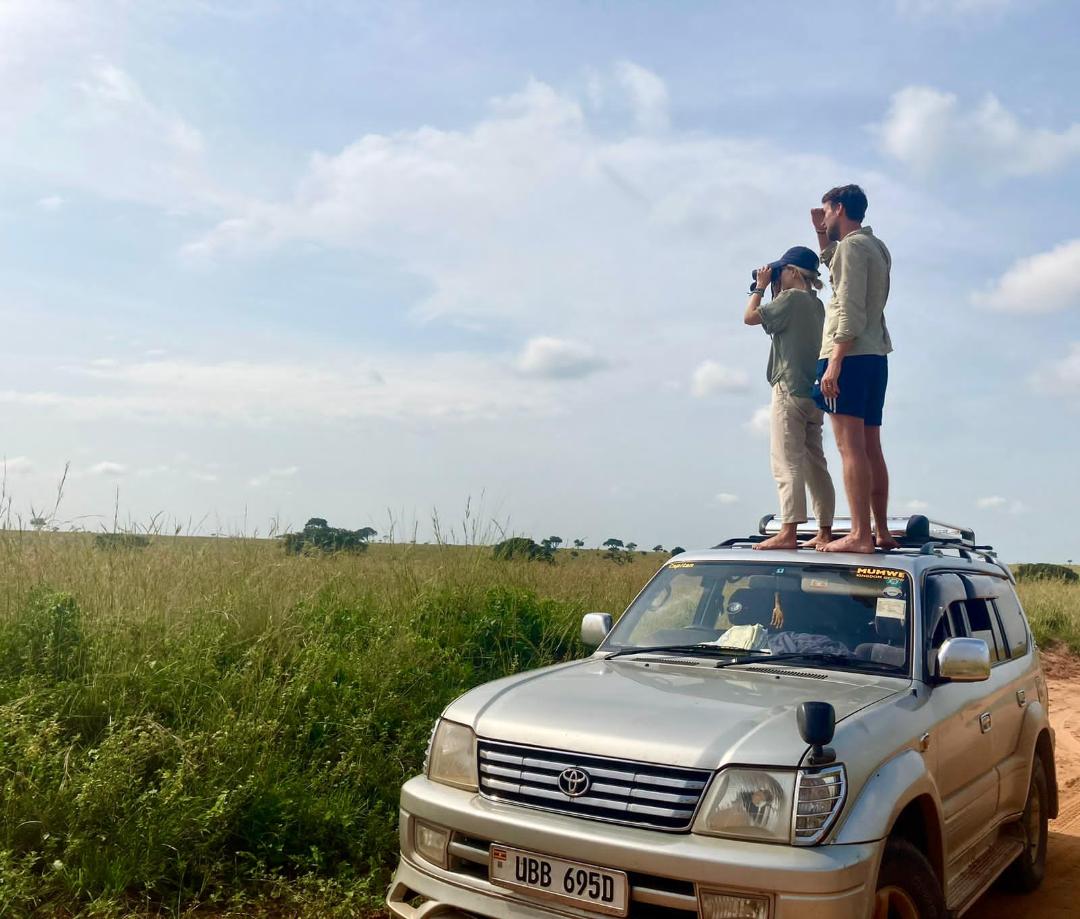
Ask most people what a driver-guide does in Uganda and you’ll hear about gorillas in Bwindi, lions in Queen Elizabeth National Park, or the long red-dust road to Murchison Falls. The safari driver is a well-defined professional: trained in wildlife spotting, comfortable with park rules, and used to early starts and long game drives.
Uganda’s cultural festivals need a very different skill set. Whether it’s the crowds around a royal celebration, the electronic music and camping of a multi-day festival in Jinja, or a rural ceremony in a village that sees few visitors, the work is less about finding animals and more about moving through human landscapes. There are road closures, unfamiliar protocols, packed venues, late-night departures, and communities that need to be approached with respect.
This article covers what makes festival driving distinct, what to look for when hiring, how to structure the arrangement, and how to avoid common mistakes. It suits tour operators, event organizers, diaspora travellers, corporate groups, and independent visitors who want a driver they can trust.
Part 1: Why Festival Driving Is Not Safari Driving
The environment changes everything
#image_title
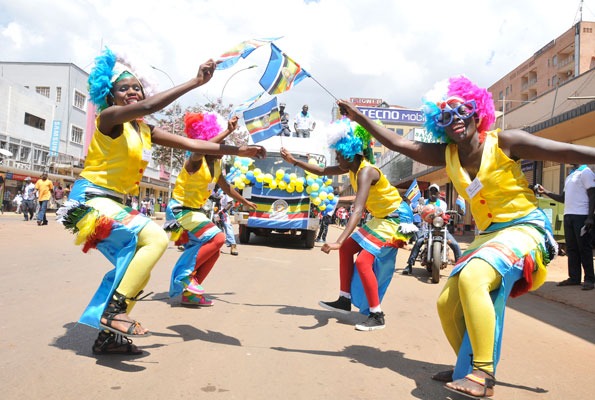
On safari, the biggest variables are weather, terrain, and animal behaviour. At a festival, the main variable is people. Roads to popular events can be congested for hours. Boda-bodas, minibus taxis, private cars, and pedestrians all compete for the same space, and police may close or redirect routes at short notice.
A driver who is excellent on a national park track may struggle to navigate a crowded town centre, park a large vehicle near a venue, or judge when to leave to avoid the worst of the exit traffic.
The rhythm is different
Safari days follow the sun: early departures, midday rests, evening arrivals. Festival schedules follow the programme, and programmes often run late. A ceremony scheduled for the morning may start in the afternoon. A music festival may not peak until 2 a.m. Your driver needs stamina, flexibility, and patience, and needs to be paid and rested accordingly.
The client relationship shifts
A safari driver is often the guide, translator, and cultural interpreter all at once. At festivals, the driver may also become a cultural broker: explaining what’s happening, advising on dress and behaviour, helping clients navigate food and drink, and sometimes acting as a security-conscious companion in crowded spaces.
Part 2: Understanding Uganda’s Festival Landscape
Different events place different demands on drivers. Here are some broad categories. Dates and formats change from year to year, so always confirm current details with organizers or cultural institutions before committing.
#image_title
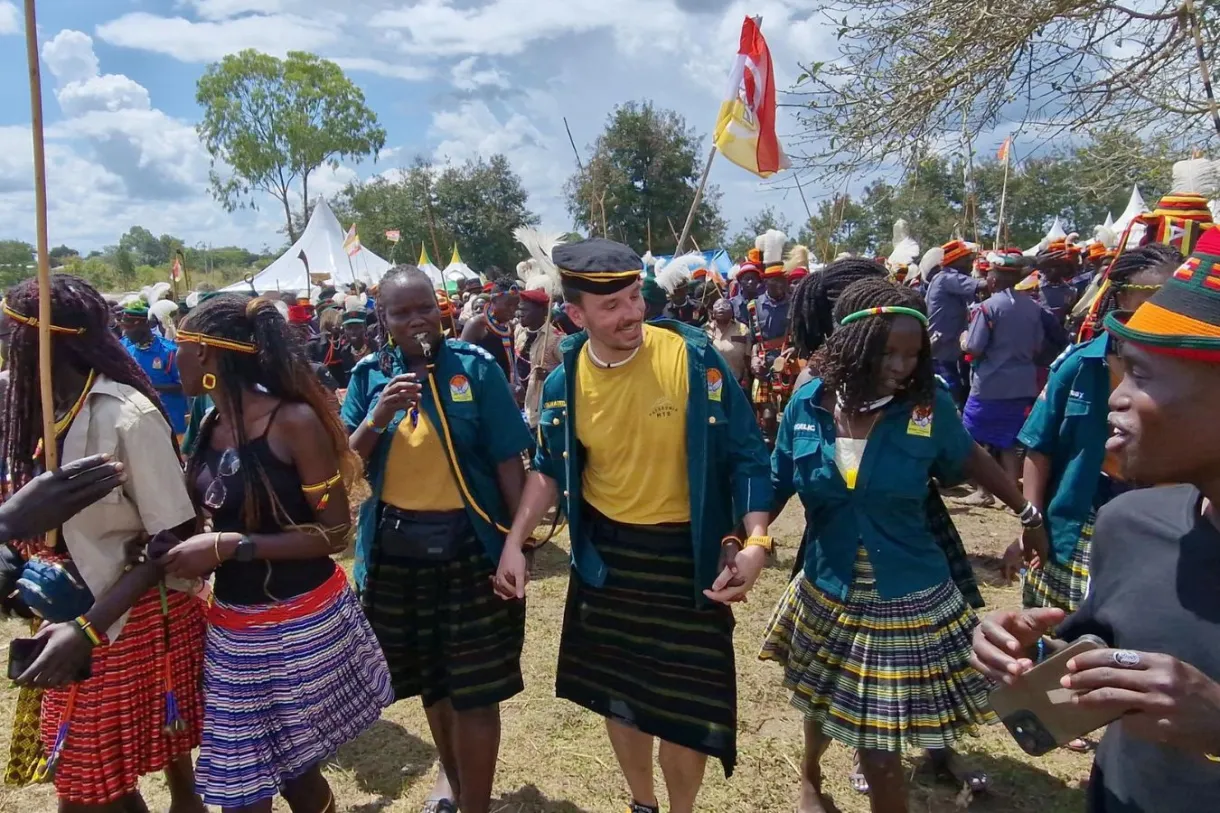
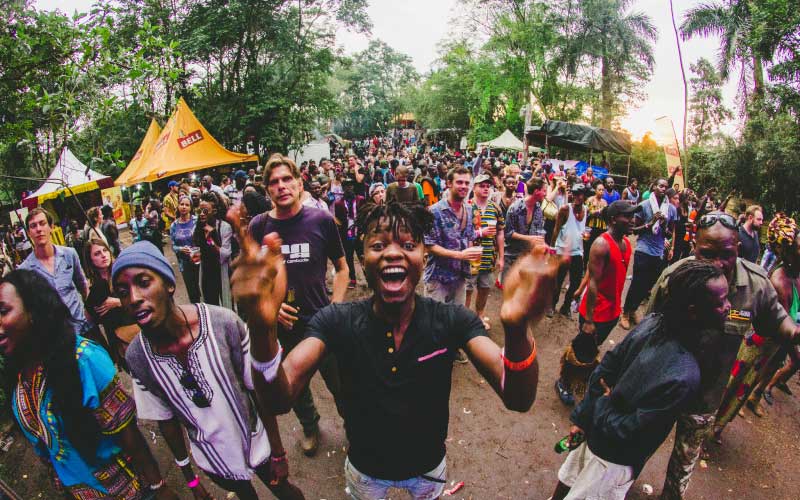
Kingdom and royal celebrations. Uganda’s traditional kingdoms, including Buganda, Bunyoro-Kitara, Tooro, and Busoga, hold anniversaries, coronation celebrations, and other ceremonies that draw large crowds. These typically involve protocol, dress expectations, and significant traffic. A driver needs to understand the etiquette around royal sites and be able to manage restricted access and security checkpoints.
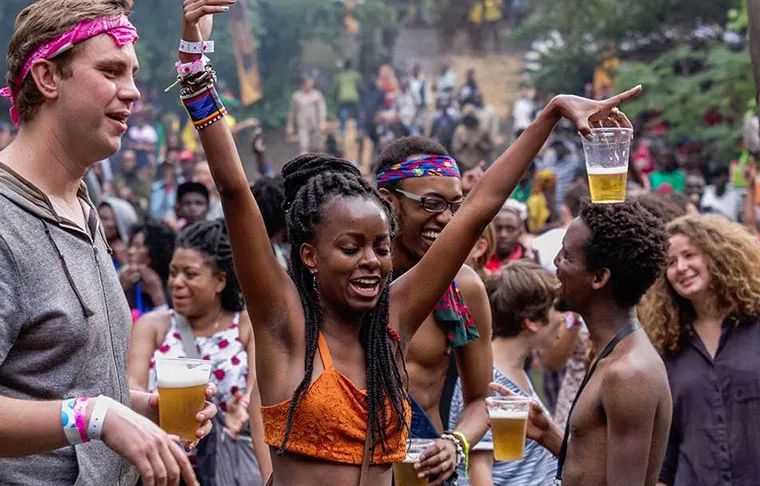
Music and arts festivals. Uganda has a lively festival circuit, including multi-day music events and arts gatherings around Kampala and Jinja. These involve night driving, camping logistics, luggage handling, and long waits for pickups. Drivers need to be comfortable with late hours and with dropping guests safely at accommodation afterwards.
Rites of passage and community ceremonies. Some ceremonies, such as the Imbalu circumcision rites of the Bagisu around Mbale, are community and family events, not tourist spectacles. Visitors are usually accompanied by a local host, and a driver with the wrong attitude can cause real offence. Here the driver’s cultural sensitivity matters more than the vehicle.
Heritage days, cultural galas, and carnivals. Urban events and cultural showcases tend to be more visitor-friendly but heavily attended, so parking, timing, and route knowledge are the main factors.
Regional and district events. Smaller festivals in the north, east, west, and southwest can involve long, unpaved routes and limited signage. Local knowledge and reliable vehicles count for more here.
Part 3: The Profile of a Good Festival Driver
1. Cultural literacy
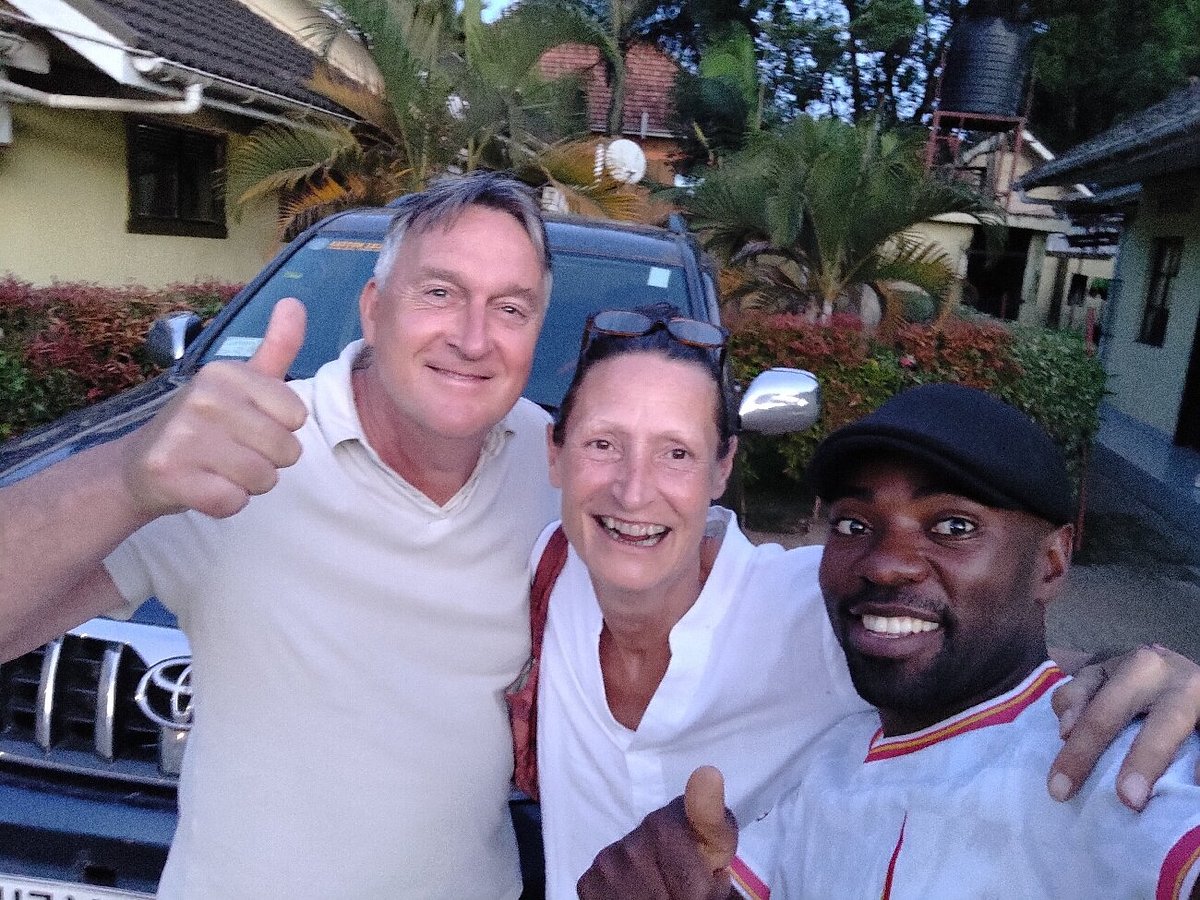
The most valuable quality is the ability to read a social situation. A good festival driver knows when to stay with the vehicle and when to accompany guests, how to greet elders or officials appropriately, what clothing is respectful at a given event, and when photography is welcome or intrusive. Ideally, they have some understanding of the community hosting the event. A driver from the same region, or with prior experience at that festival, is a significant advantage.
2. Language skills
English is widely spoken in Uganda, but festivals often run in Luganda, Runyankole, Lusoga, Ateso, Luo, or other languages. A driver who speaks the local language can translate, negotiate with vendors, and defuse misunderstandings. Ask which languages they speak and how they use them in practice.
3. Urban and crowd-driving skill
Look for a driver who is calm in congestion, spatially aware, and confident with tight parking. Ask directly about experience in Kampala traffic and at large events. A driver who panics when boda-bodas surround the vehicle isn’t a good fit.
4. Route and logistics knowledge
The best drivers know alternate routes, likely bottlenecks, fuel stops, and where to park near a venue. They plan the exit as carefully as the arrival, because at big events getting out is often harder than getting in.
5. Stamina and reliability
Festival driving can mean 14- to 18-hour days. Discuss shift lengths honestly and consider hiring two drivers for multi-day events so that neither is driving tired.
6. Discretion and professionalism
Guests may be tired, celebrating, or unfamiliar with local customs. A good driver stays composed, doesn’t judge, doesn’t gossip about clients, and knows when to step in for safety. Sobriety on the job is non-negotiable.
7. Basic first aid and safety awareness
Crowds bring risks: heat, dehydration, minor injuries, and occasionally bigger emergencies. First-aid training is a strong plus, along with a carried kit and knowledge of the nearest clinics and hospitals.
Part 4: Legal, Licensing, and Vehicle Requirements
Requirements change, so always verify current rules with the relevant authorities. In general, look for:
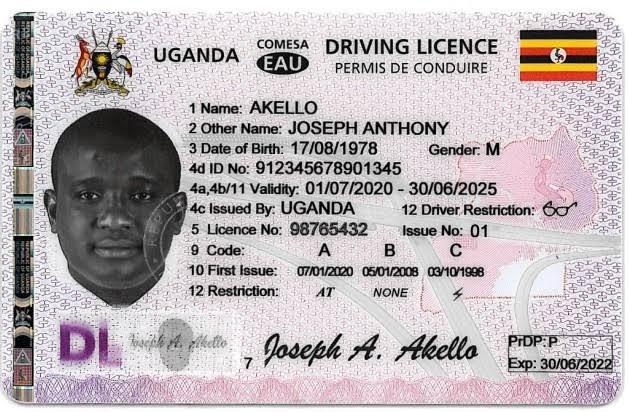
- A valid Ugandan driving permit of the correct class for the vehicle, ideally with a professional (PSV or equivalent) endorsement for carrying paying passengers.
- Tourism industry credentials. If hired through a company, confirm the operator is licensed with the Uganda Tourism Board and ask what they require of drivers.
- Vehicle documentation: current registration, valid commercial or passenger insurance (not just third-party minimum cover, and check whether it covers passengers), and up-to-date inspection status.
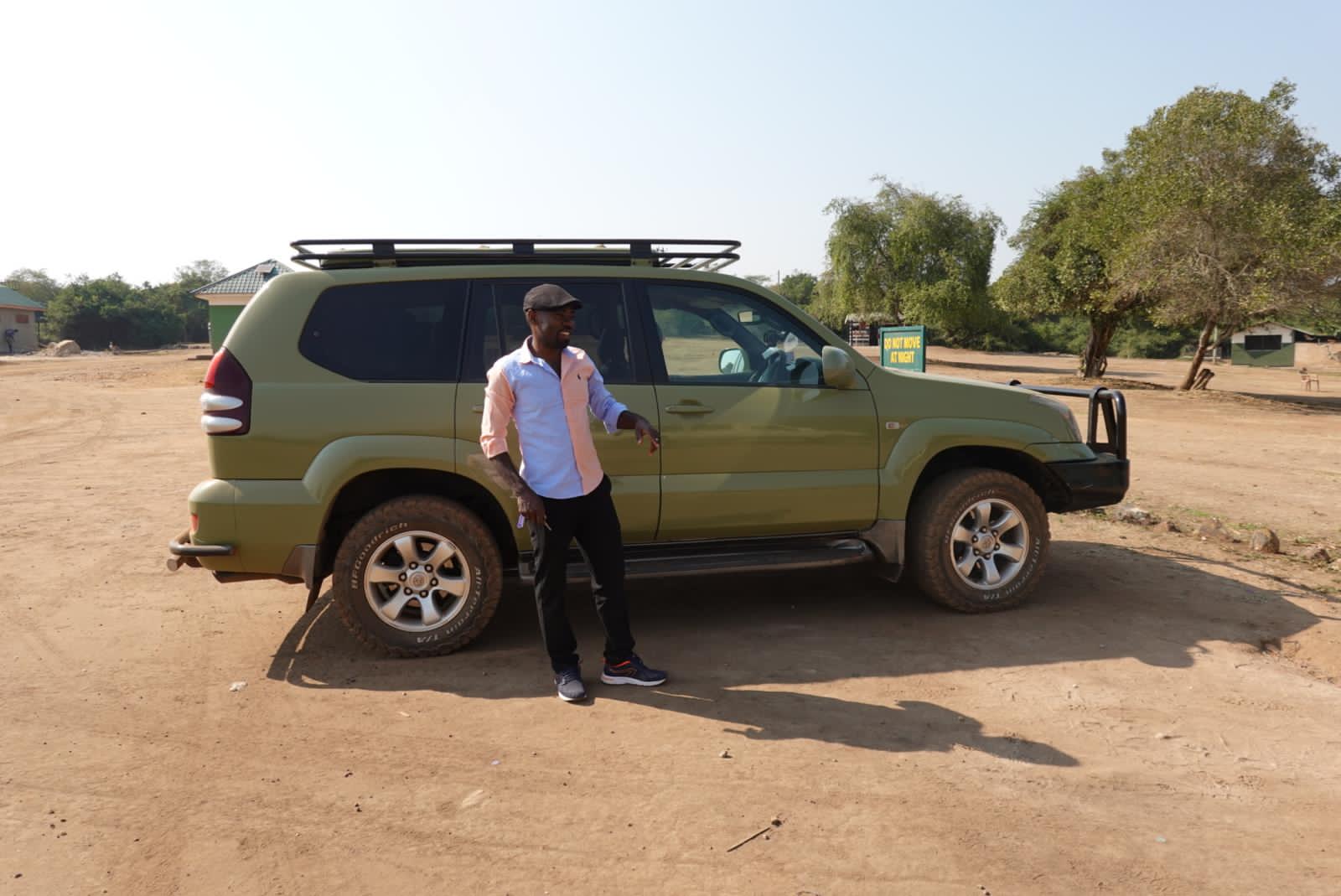
- Vehicle condition. Check tyres, spare, jack, brakes, air conditioning, seatbelts, and cleanliness. For rural events, four-wheel drive and adequate ground clearance may be essential, especially in the rainy seasons.
- Fit for purpose. A saloon car is fine for urban galas but poor for a rural ceremony after rain. A large safari van may be impossible to park near a crowded venue. Match the vehicle to the event.
Ask to see documents before the trip, not at the roadside.
Part 5: Where to Find Drivers
Established tour operators. They offer accountability, insurance, and replacement vehicles if something breaks down. They cost more, but for groups and first-time visitors they are usually the safest route.
Cultural institutions and event organizers. Kingdom offices, festival organizers, and cultural bodies can often recommend or arrange trusted transport.
Community-based tourism initiatives. Some community projects can connect you with drivers who know the local area and want to share their culture. This also keeps money in the community.
Hotels and lodges. Reputable properties usually have trusted drivers they work with regularly.
Personal recommendations. Referrals from previous guests, diaspora networks, or trusted local contacts are often the most reliable source. Ask for the driver’s direct contact details and a recent client reference.
Ride-hailing and freelance drivers. These can work for short urban hops, but for multi-day or rural festival travel, informal arrangements carry more risk around insurance, reliability, and dispute resolution.
Part 6: The Vetting Process
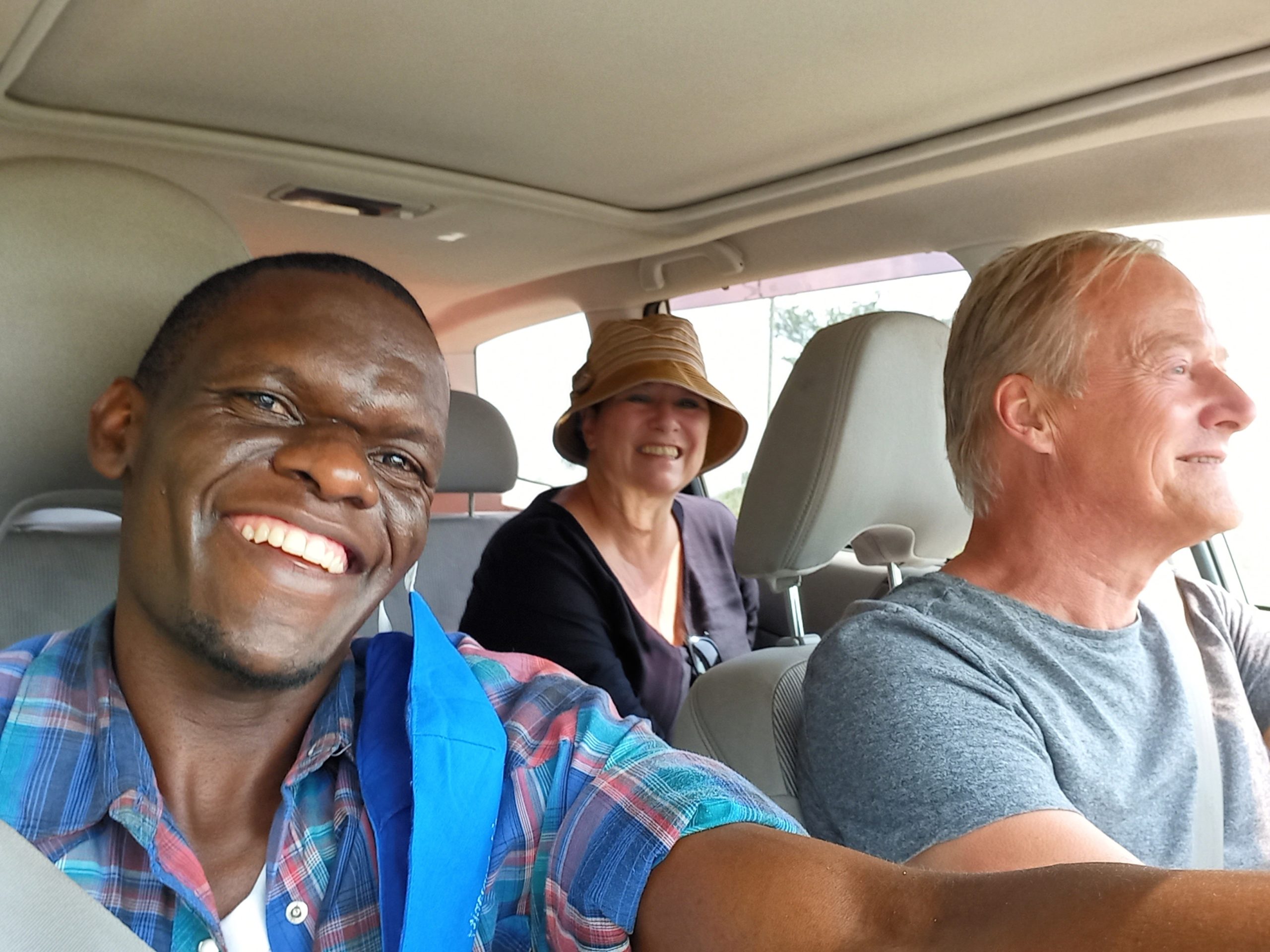
Step 1: Interview. Even a short phone call is revealing. Ask about festivals they’ve driven for, how they handled a difficult situation, and how they plan for crowds. Vague answers are a warning sign.
Step 2: Check references. Ask for two or three recent clients and contact them. Ask specific questions: Was the driver punctual? Was the vehicle in good condition? How did they handle problems?
Step 3: Verify documents. Check the driving permit, insurance, and vehicle papers, and confirm names match.
Step 4: Inspect the vehicle. Do this in person if possible, or request recent photos and a video walkthrough.
Step 5: Trial run. For a large or important booking, consider a short paid trial, such as an airport transfer or city trip, before the main event.
Step 6: Put it in writing. A written agreement protects both sides. It should include dates, hours, pick-up and drop-off points, the vehicle, price and what it includes, overtime rules, cancellation terms, and what happens if the vehicle breaks down.
Part 7: Pricing and Payment
Rates vary widely depending on vehicle type, event location, duration, season, and demand. Festival weekends often see higher prices because supply is tight, so book early.
Clarify the following in advance:
- Daily rate versus per-trip rate. For multi-day events, daily rates with a clear hours cap usually work best.
- What’s included: fuel, driver’s meals and accommodation, parking fees, tolls, and any police or council levies.
- Overtime or night rates. Festival nights run long, so agree the terms beforehand.
- Driver’s accommodation. On multi-day trips away from home, the driver needs a safe, decent place to rest. Failing to provide this compromises safety.
- Deposit and payment schedule. A modest deposit is normal, with the balance paid on completion. Avoid paying everything upfront.
Pay fairly. Underpaid drivers cut corners on rest, vehicle maintenance, and morale. A driver who is respected and properly compensated will go out of their way for you.
Part 8: Briefing Your Driver
Even the best driver needs good information. Before the event, share:
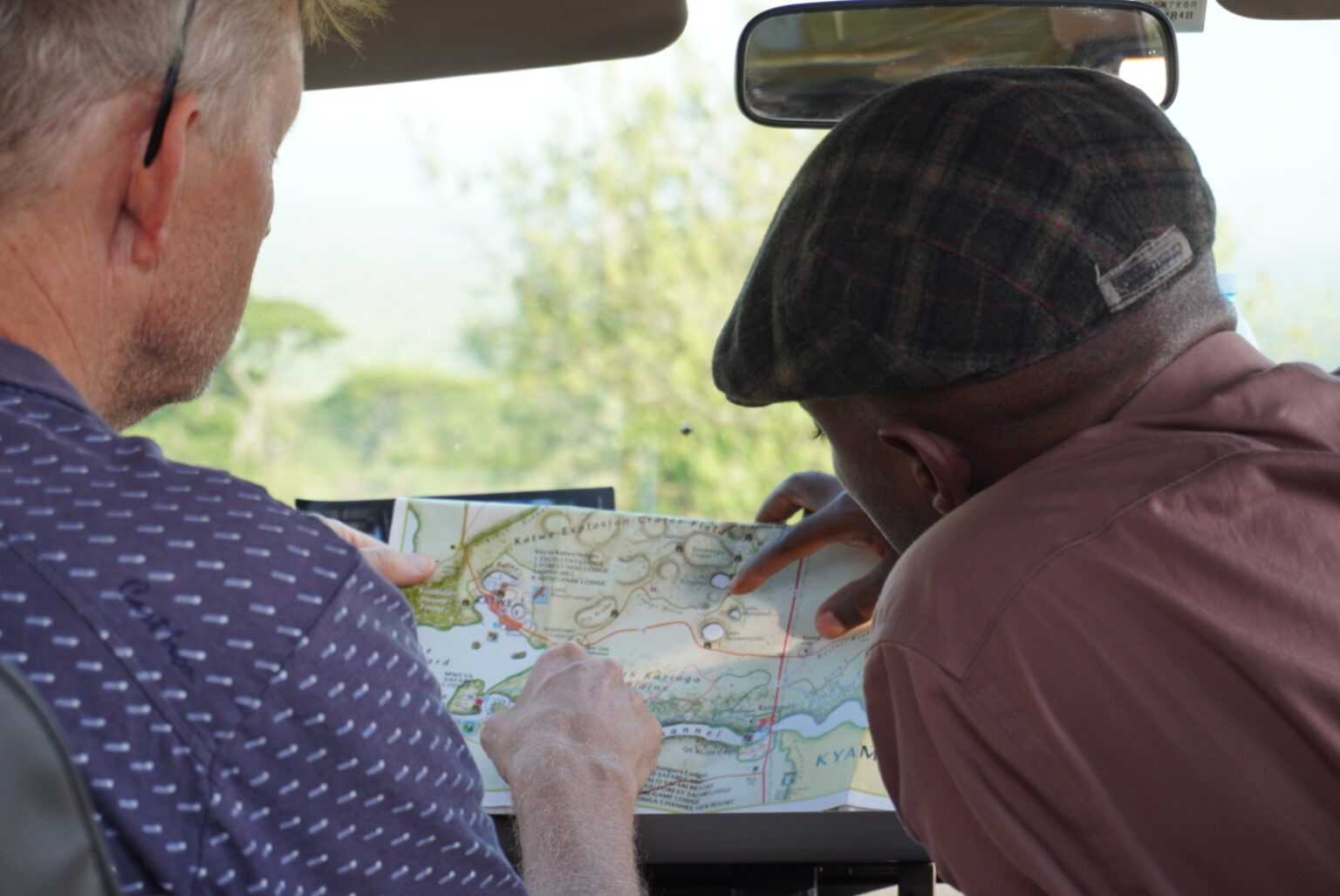
- The full itinerary, including flexible elements
- The number of guests, their needs (mobility, age, medical), and luggage
- The event’s dress code and any restrictions
- Contact details for the host, organiser, or your local liaison
- Your expectations on communication, timing, and photography
- An emergency plan: who to call, where the nearest hospital is, and what happens if the group gets separated
Ask the driver for their own input. They will often know about road closures, likely delays, or better parking that you won’t.
Part 9: Cultural Etiquette the Driver Should Model
A driver who behaves respectfully sets the tone for the whole group. Key principles:
- Ask before photographing people, especially at ceremonies, and never treat sacred rites as a photo opportunity.
- Dress modestly and appropriately. Follow your host’s advice.
- Greet properly. Take time for greetings, which matter in Ugandan culture.
- Follow the host’s lead on seating, eating, gifts, and participation.
- Respect restricted spaces. Some areas are closed to visitors or to certain people, and no amount of curiosity justifies entering them.
- Be cautious with alcohol. Whatever the guests do, the driver stays sober.
- Support local economies. Buy from local vendors, use local guides where appropriate, and tip fairly.
Part 10: Safety and Contingency Planning
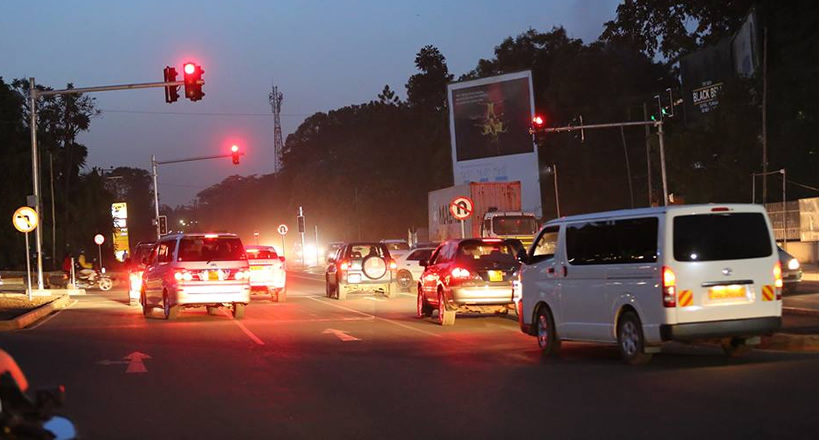
- Avoid unnecessary night driving on rural roads, where unlit vehicles, pedestrians, and livestock are serious hazards. If the event ends late, arrange local accommodation.
- Plan the exit. Agree a meeting point and time, and have a backup if crowds make the first plan impossible.
- Keep phones charged, carry a power bank, and share live location with a trusted contact.
- Carry supplies: water, snacks, a first-aid kit, a torch, a reflective triangle, and a basic tool kit.
- Have a breakdown plan, including a backup vehicle or driver on call.
- Know the weather. Rain can make rural roads impassable, so build slack into the schedule.
- Keep valuables secure. Crowds attract opportunistic theft, so avoid leaving belongings visible in the vehicle.
- Check insurance and medical cover for both guests and the driver.
Part 11: Red Flags
- Reluctance to show documents or provide references
- A price far below the market, which often means hidden costs, poor maintenance, or missing insurance
- A vehicle that looks poorly maintained, with worn tyres or dashboard warning lights
- Pressure to pay everything upfront in cash
- Vague answers about the route or experience
- Any sign of alcohol use around driving
- Dismissive attitudes towards local customs or communities
- Refusing to put terms in writing
Part 12: Making It Mutually Beneficial
The best driver relationships last beyond a single event. Treat your driver as a partner and colleague, not a disposable service. Give clear feedback, pay on time, and recommend them to others if they do well. Many festival travellers find that a trusted driver becomes their gateway to Uganda’s cultural life, opening doors to hosts, events, and communities they would never have found alone.
For operators and organizers, investing in driver training in cultural sensitivity, first aid, customer service, and event logistics raises the standard across the industry and strengthens Uganda’s reputation as a destination for authentic cultural travel.
A Quick Hiring Checklist
- Valid, appropriate driving permit (and PSV endorsement where required)
- Vehicle registration, insurance covering passengers, and roadworthiness
- Experience with crowds, urban driving, and festival logistics
- Local language skills and cultural awareness
- Two or three verifiable references
- First-aid awareness and emergency preparedness
- Written agreement covering hours, rates, inclusions, and cancellations
- Backup plan for breakdowns, delays, and late finishes
- Fair pay and proper rest arrangements
Conclusion
Uganda’s festivals are some of the richest ways to experience the country, from the ceremony of its kingdoms to the energy of its contemporary arts scene. Getting to them, and getting through them well, depends on the person behind the wheel. A great festival driver is part logistician, part cultural guide, and part safety net. Hire carefully, brief thoroughly, pay fairly, and you’ll find that the journey to the festival becomes part of the story.
Practical note: festival dates, formats, and local regulations change regularly. Confirm current details with organizers, cultural institutions, and the relevant licensing authorities before you finalise plans.
To book a driver for Uganda cultural festival or and safari adventure- simply contact us now by sending an email to info@rentadriveruganda.com or call +256-700135510.