World Wildlife Day: How Tourism is Saving Uganda’s Wildlife
Every year on March 3rd, the world pauses to celebrate World Wildlife Day — a United Nations-designated moment to reflect on the planet’s wild animals and plants, and the urgent need to protect them. In 2026, the conversation is more important than ever. Climate change, habitat loss, and poaching continue to threaten species across the globe. But in Uganda, a quiet and powerful story is unfolding — one where tourism is not the enemy of wildlife, but its greatest ally.
Uganda is one of Africa’s most bio-diverse nations. Covering just 241,000 square kilometres, this landlocked East African country is home to over 1,000 bird species, 345 mammal species, and roughly half of the world’s remaining mountain gorillas. From the mist-covered hills of Bwindi Impenetrable Forest to the vast savanna plains of Murchison Falls National Park, Uganda’s wildlife is extraordinary. And increasingly, it is tourism — responsible, well-managed tourism — that is keeping it alive.
The Link Between Tourism and Conservation
It might seem counter intuitive. More visitors mean more roads, more noise, more human presence in wild spaces. So how exactly does tourism save wildlife?
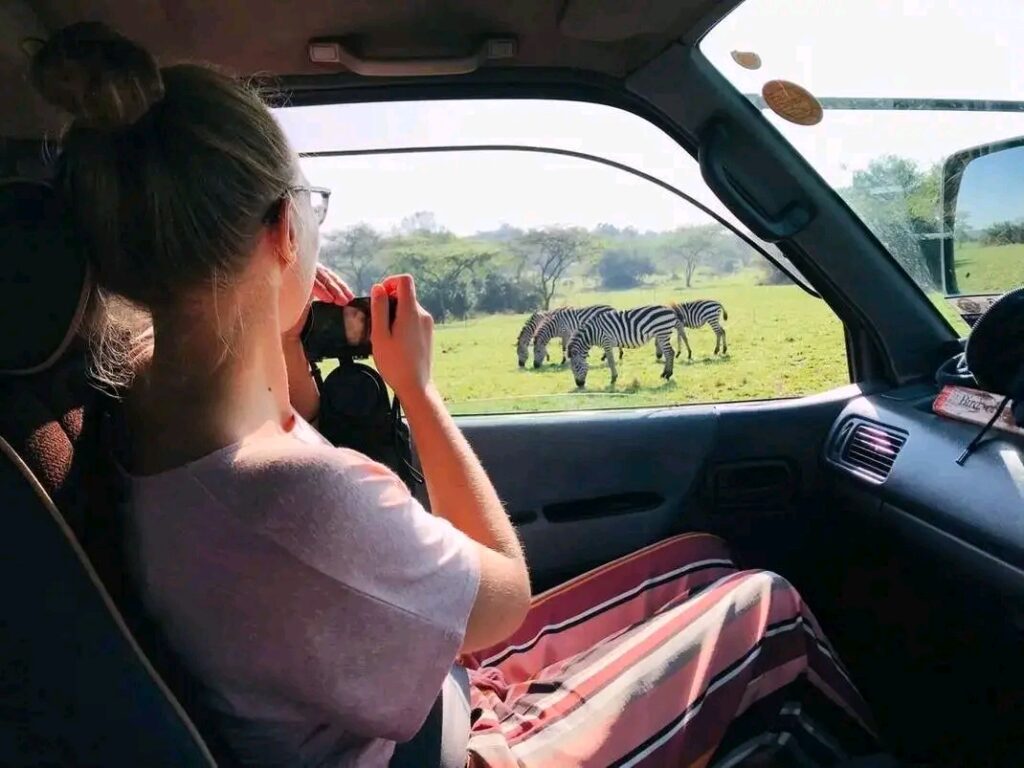
The answer lies in economics and community. When wildlife generates income — through park entry fees, safari bookings, guided treks, and accommodation — it becomes financially valuable to protect. Governments, communities, and private operators all have a direct incentive to preserve the animals and habitats that bring visitors in.
In Uganda, this model is working. The Uganda Wildlife Authority (UWA) uses a significant portion of revenue collected from national park fees to fund anti-poaching patrols, ranger salaries, habitat restoration, and community conservation programmes. Without the income generated by tourism, these programmes would struggle to survive.
Gorilla Trekking: Conservation’s Greatest Success Story
Nothing illustrates tourism’s power to save wildlife quite like the mountain gorilla. In the 1980s, fewer than 300 mountain gorillas were believed to exist in the wild. Extinction felt inevitable. Today, that number has climbed to over 1,000 — making the mountain gorilla one of the only great apes whose population is actually increasing.
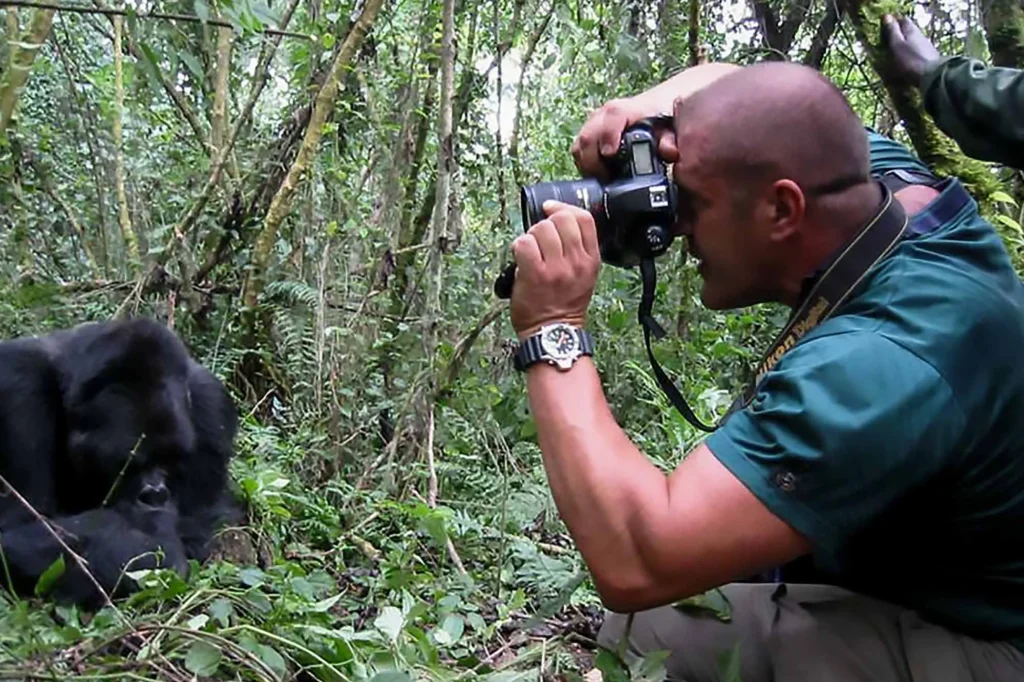
Uganda’s Bwindi Impenetrable Forest and Mgahinga Gorilla National Park are home to nearly half of these animals. Gorilla trekking permits in Uganda cost $800 per person — and that price is entirely intentional. The high cost limits visitor numbers, reducing stress on gorilla families, while directing substantial funds into conservation and local community development.
Communities surrounding Bwindi receive a portion of gorilla trekking revenue directly. This means local farmers, women’s groups, and village leaders all have a personal stake in keeping the gorillas alive and the forest standing. Poaching has dropped dramatically in these areas — not because of policing alone, but because communities now see gorillas as more valuable alive than dead.
Murchison Falls: Where the Nile Meets the Wild
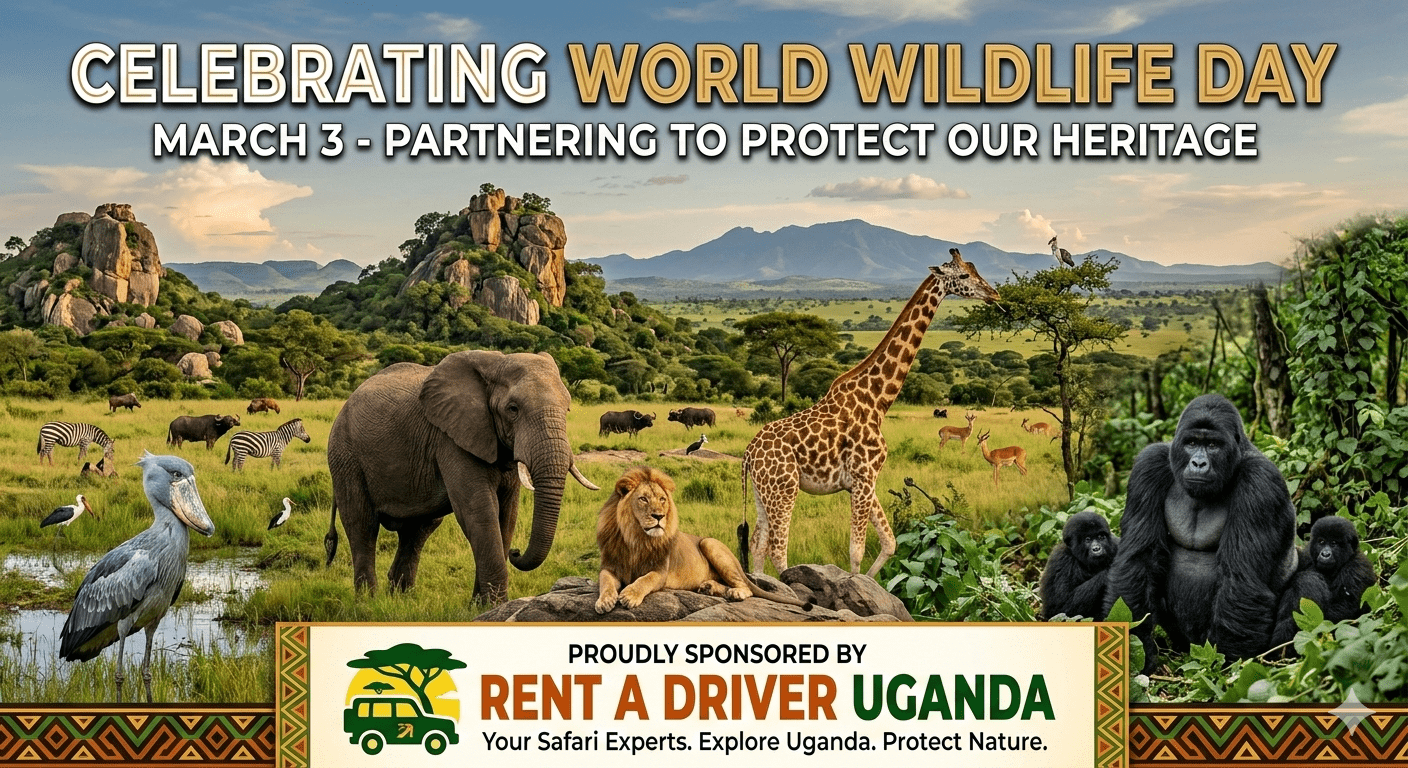
Uganda’s largest national park, Murchison Falls, stretches across 3,840 square kilometres in the northwest of the country. It is home to lions, leopards, elephants, hippos, Nile crocodiles, giraffes, and the iconic shoe bill stork — one of the world’s most sought-after bird sightings.
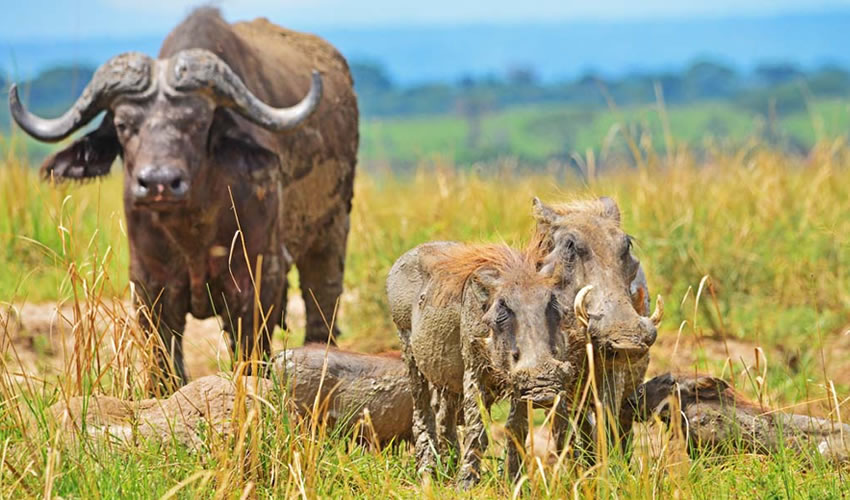
Decades of civil conflict devastated Murchison’s wildlife populations. Elephant numbers collapsed. Lions nearly vanished. But sustained investment in tourism infrastructure — lodges, game drive tracks, boat cruise operations — brought visitors back, and with them, the conservation funding needed to restore the park.
Today, Murchison Falls receives tens of thousands of visitors annually. Elephant populations have recovered significantly. Lions are breeding. The park is alive again — and tourism made it possible.
Queen Elizabeth National Park and the Tree-Climbing Lions
Queen Elizabeth National Park in western Uganda is famous for something found almost nowhere else on earth — lions that climb trees. The Ishasha sector of the park is one of only two places globally where this extraordinary behavior has been documented.
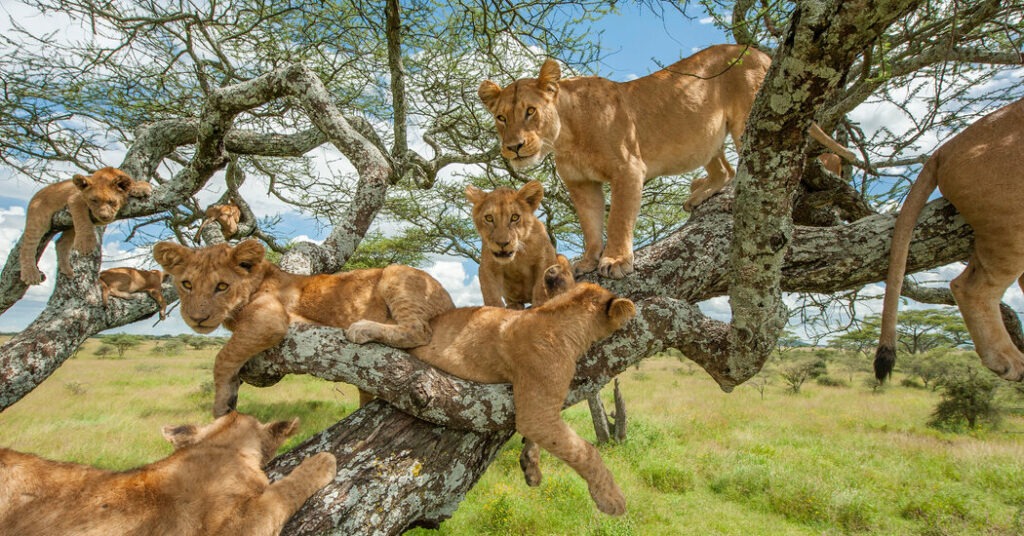
Tourism to Queen Elizabeth directly funds the monitoring of these lion prides, anti-poaching operations, and community ranger programmes that employ local people as conservation partners. Chimpanzee habituation experiences in Kyambura Gorge — where visitors spend extended time with wild chimps — generate income that protects one of Uganda’s most important primate corridors.
The Role of Responsible Travel
Tourism saves wildlife only when it is done responsibly. Irresponsible tourism — off-road driving in sensitive habitats, disturbing animal behavior, supporting unethical wildlife encounters — can cause real harm. The difference between tourism that helps and tourism that hurts often comes down to the choices individual travelers make.
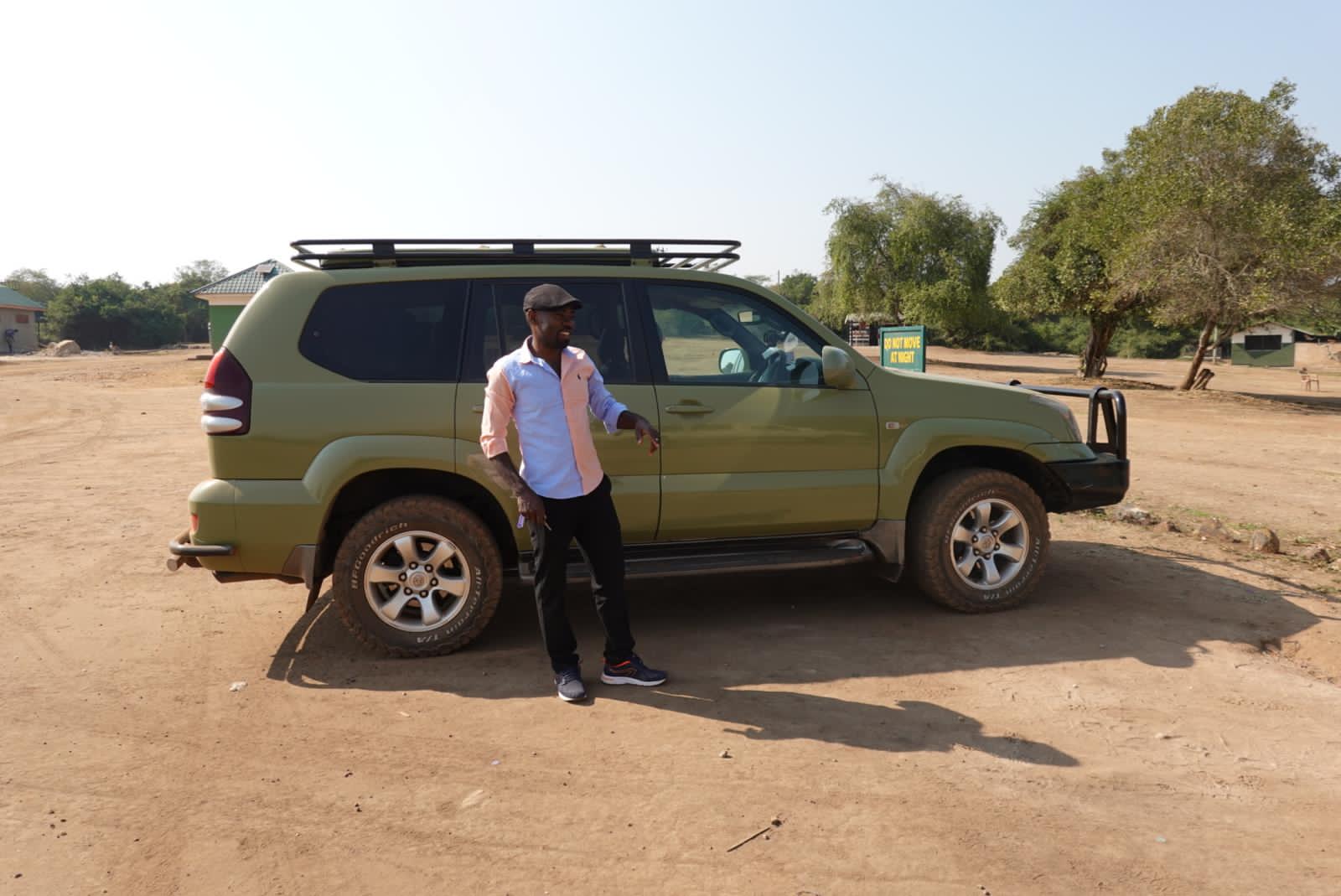
Choosing a professional, knowledgeable driver-guide in Uganda is one of the most important decisions a wildlife traveler can make. An experienced safari driver knows park rules, understands animal behavior, keeps a respectful distance, and supports local conservation by operating within ethical guidelines. They are not just a driver — they are a conservation partner on every game drive.
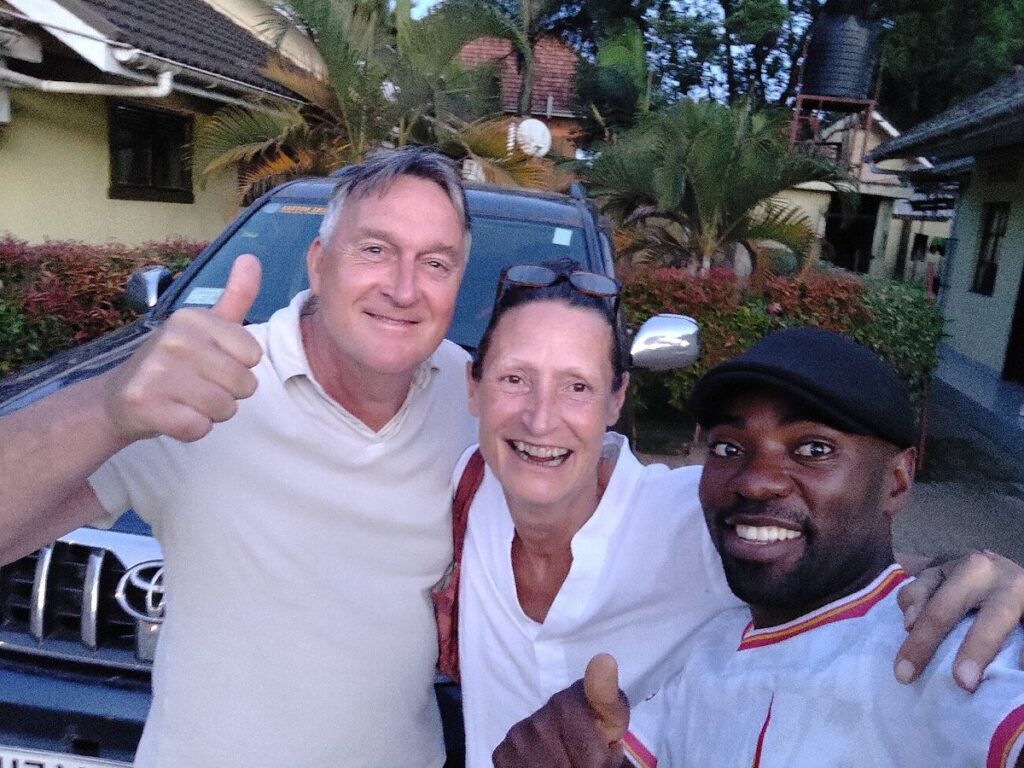
At Rent A Driver Uganda, our drivers are trained, experienced, and deeply passionate about Uganda’s wildlife. We follow all Uganda Wildlife Authority guidelines, support local communities along every route, and ensure that every safari we operate contributes positively to the ecosystems we move through.
A Future Worth Fighting For
This World Wildlife Day, Uganda’s story offers genuine hope. It proves that when tourism is well-managed and community-focused, it becomes one of the most powerful conservation tools available. Gorillas are recovering. Elephants are returning. Forests are standing — because they are worth more alive than gone.
The best thing a traveler can do for Uganda’s wildlife is visit it, experience it, and support the local economy that protects it. Come for the gorillas. Stay for the lions, the elephants, the shoe bill, and the breathtaking landscapes that make Uganda the Pearl of Africa.
Planning a wildlife safari in Uganda this World Wildlife Day? Let Rent A Driver Uganda take you there safely and responsibly. Call or WhatsApp us on +256 700 135510 or email to info@rentadriveruganda.com to plan your trip today.