Why Your Driver Knows Uganda’s Best Food Before Guidebooks
Ask a guidebook where to eat in Uganda and it will point you to the same handful of restaurants every other tourist ends up at — reliable, reviewed, and often nowhere near as good as what’s cooking two streets away. Ask your Uganda driver-guide instead, and you’ll end up somewhere with plastic chairs, no menu in English, and the best rolex you’ve ever had. That gap between what gets published and what actually tastes good is exactly where a driver’s real value shows up.
Guidebooks Are Written Once. Drivers Eat There Every Week.
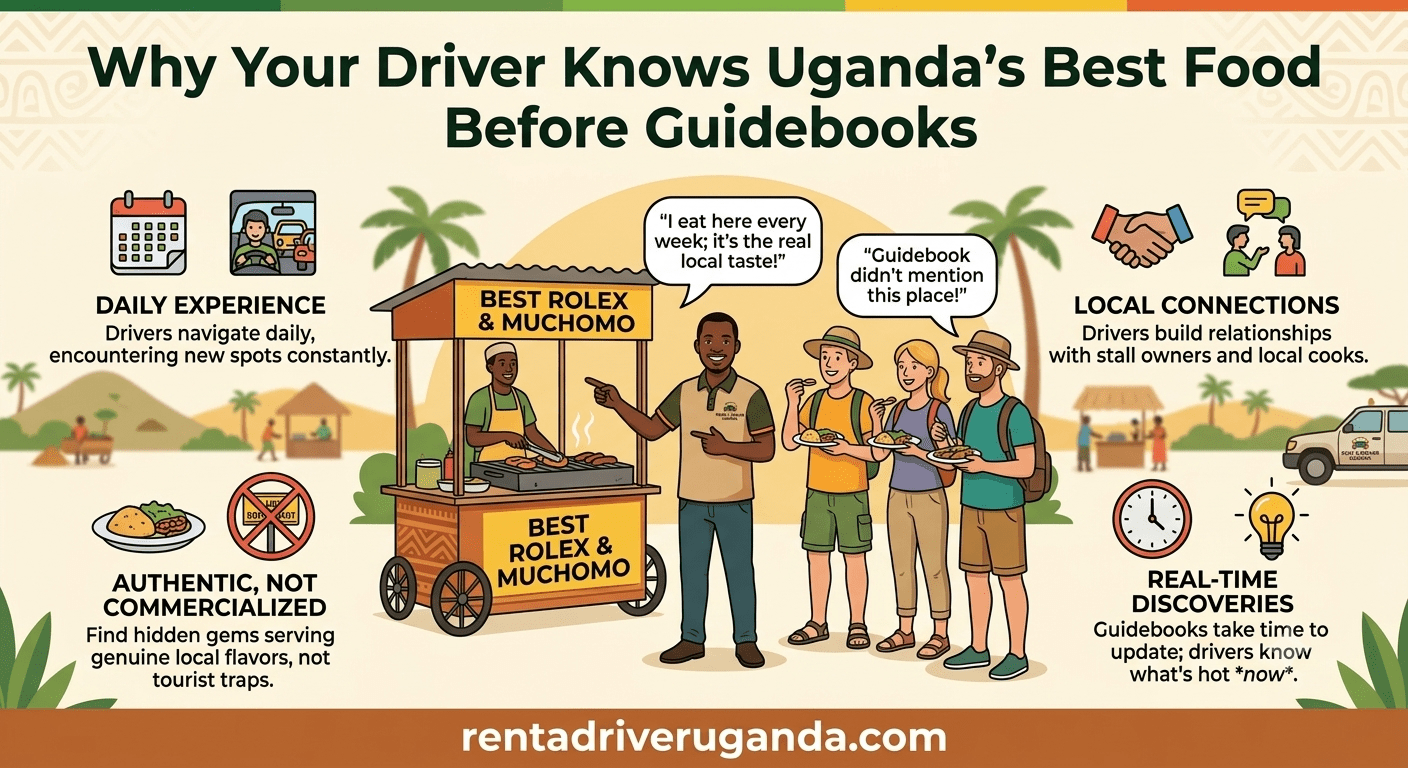
A guidebook entry is a snapshot — researched, written, and printed months or years before you read it. A driver’s knowledge is live. They know which roadside stall in Masaka has been slipping lately, which stew pot in Mbarara only comes out on Thursdays, and which new spot near Fort Portal just started drawing a lunchtime crowd of boda drivers, which in Uganda is one of the most reliable signs that the food is worth stopping for.
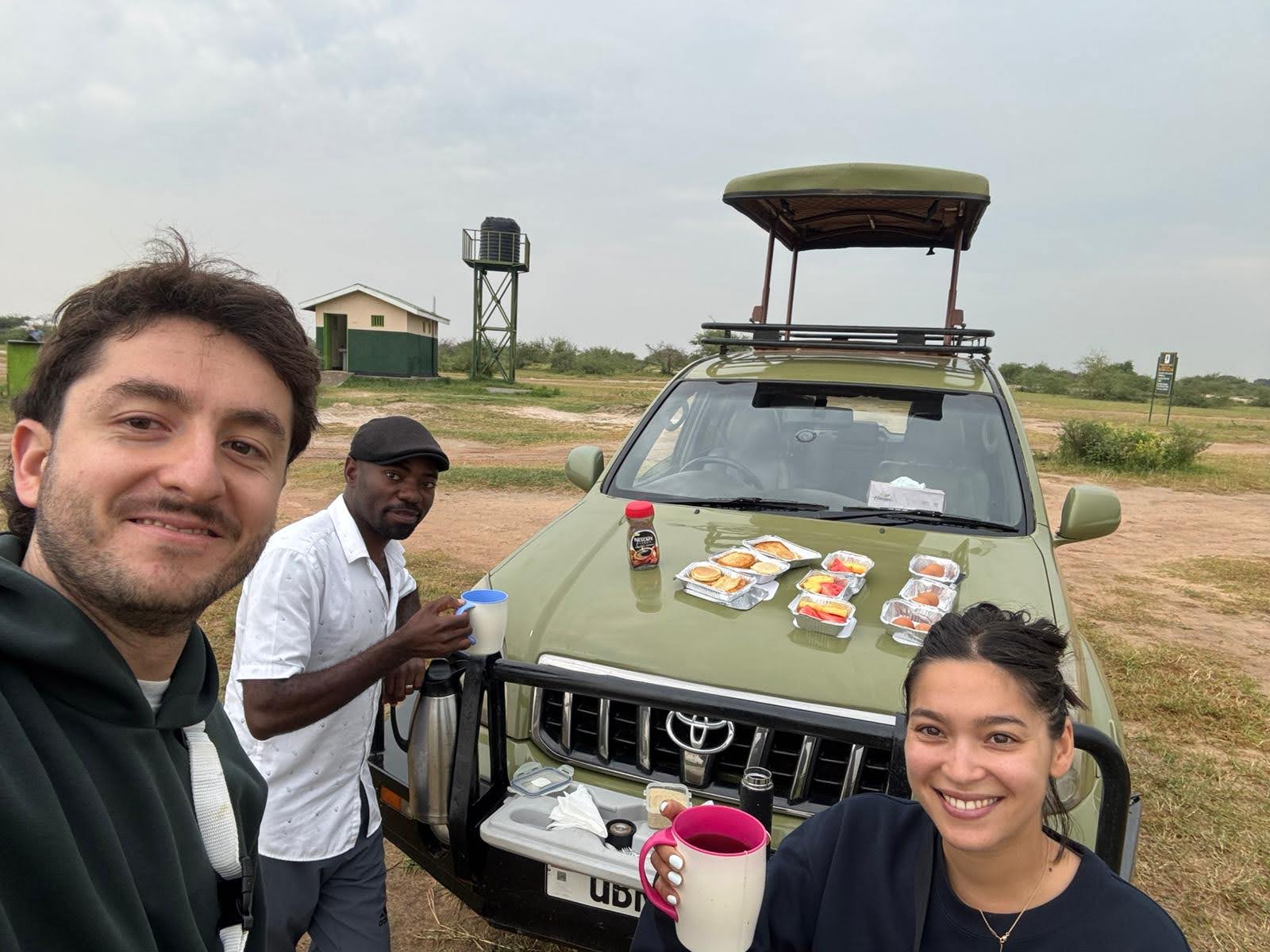
This isn’t research. It’s routine. A driver who’s spent years moving between Kampala, Jinja, and the parks has eaten at hundreds of stops that never made it into any publication, simply because they were never trying to be famous — they were just trying to feed people well.
The Best Places Rarely Advertise
Some of Uganda’s best food comes from places with no signage, no website, and no interest in tourists at all — a woman grilling fish by the roadside near Lake Victoria, a family kitchen serving lunch out of their front room in a trading center, a stall that only exists during matooke season. These places don’t show up in search results because they were never built to be found by strangers. They were built to feed neighbors, truck drivers, and anyone else who happened to know they were there.
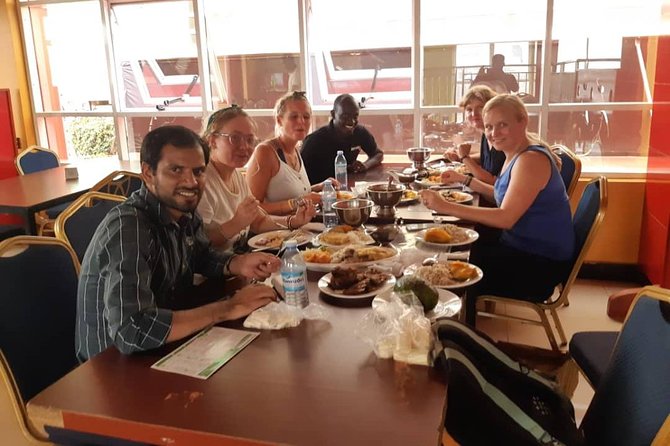
A driver knows because they are the neighbor. They’ve been eating at these places long before they were driving tourists, and they’ll keep eating there long after.
They Know What You Actually Want, Not What’s Trending
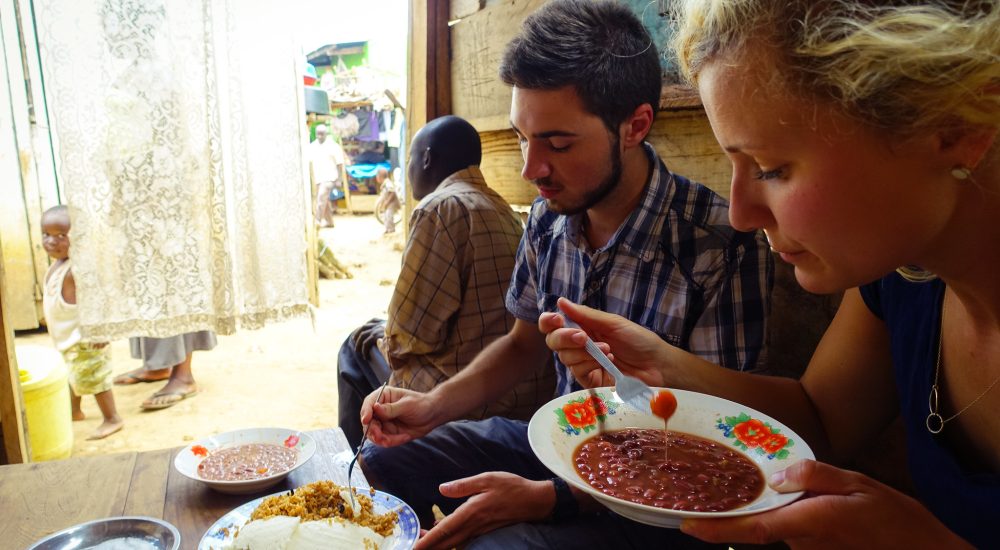
A guidebook writer eats once and writes for everyone. A driver eats with you and adjusts. Mention that you loved the grilled tilapia in Jinja, and your driver will steer you toward the fish market in Ggaba instead of another sit-down restaurant. Say you want something more adventurous, and they’ll take you somewhere serving luwombo the way it’s meant to be eaten — steamed in banana leaves, not plated for a photo. That kind of real-time adjustment is something no printed list can offer.
Food Recommendations Come With Context
#image_title
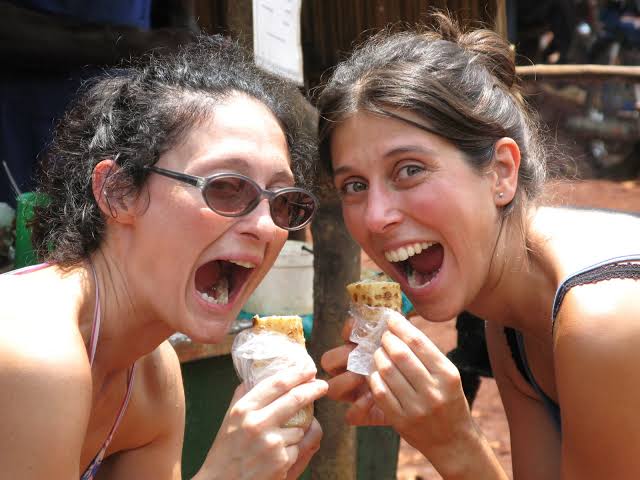
A guidebook tells you what to eat. A driver tells you why — which is often the more interesting part. They’ll explain that the peanut sauce in a groundnut stew varies by region, that rolex became Uganda’s unofficial street food because it’s fast, cheap, and endlessly customizable, or that the best posho comes from vendors who’ve been perfecting the same pot for twenty years. That context turns a meal into something closer to a lesson in the country itself.
Trust Is Built the Same Way Anywhere
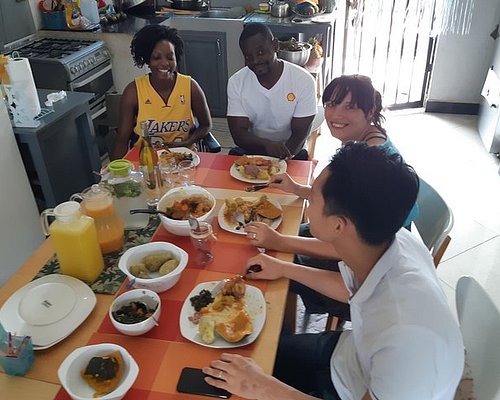
This isn’t unique to Uganda. Ask a Roman cab driver where to get carbonara and they won’t send you to the tourist strip near the Colosseum. Ask a Bangkok tuk-tuk driver about street food and they’ll skip the night market everyone photographs in favor of a cart three blocks over with a longer line of locals. The pattern holds everywhere: the people who drive a place for a living are also the people who know it best, and food is one of the clearest ways that knowledge shows.
How to Actually Use This
The trick isn’t just having a driver — it’s asking the right way. “Where should I eat?” often gets you a safe, obvious answer. “Where do you eat when you’re not working?” gets you the real one. A good driver-guide will light up at that question, because it’s rarely the one tourists think to ask.
If you’re planning a Uganda trip and want more than the restaurants every website recommends, book a driver-guide who knows the roads and the roadside stalls in equal measure. The best meal of your trip is more likely to come from their memory than from any guidebook you packed. You can email to info@rentadriveruganda.com for any inquiries or just call/chat with reservations at +256-700135510.