The Safest Way To Explore Uganda National Parks In 2026
Uganda — the Pearl of Africa — has long captivated travelers with its astonishing biodiversity, misty mountain gorillas, thundering waterfalls, and sweeping savannah landscapes. In 2026, the country stands more prepared than ever to welcome visitors. Following peaceful national elections in January and a significant government investment in tourism infrastructure and security, Uganda’s national parks are operating at full capacity with heightened safety measures in place. Whether you’re planning a gorilla trek through Bwindi Impenetrable Forest or a classic game drive in Queen Elizabeth National Park, here is your comprehensive guide to exploring Uganda’s wild spaces safely and confidently.
1. Book Through a Licensed, Registered Tour Operator
The single most important decision you will make for a safe Uganda safari is who you choose to book with. Using a registered, licensed tour agency is the biggest layer of protection available to any traveler. Verified operators manage the logistics that matter most: they secure legitimate permits, provide trained guides, arrange emergency support, and handle the complex navigation of remote park routes where GPS apps are notoriously unreliable.
Unregistered “guides” — particularly around popular parks like Bwindi and Queen Elizabeth — may approach tourists offering cheaper alternatives, but these encounters can result in poor service, scams, or being stranded without support. Always verify that your operator is registered with the Uganda Tourism Board (UTB) or the Association of Uganda Tour Operators (AUTO) before committing to a booking.
2. Travel With Armed Ranger Escorts in the Parks
Uganda’s national parks are managed by the Uganda Wildlife Authority (UWA), which coordinates closely with the military, national police, and a dedicated Tourism Police force. In practice, this means gorilla trekking groups in Bwindi Impenetrable National Park and Mgahinga Gorilla National Park are always accompanied by armed rangers. Permit holders are placed in small, controlled groups, and the entire trek is conducted under strict safety and conservation protocols.
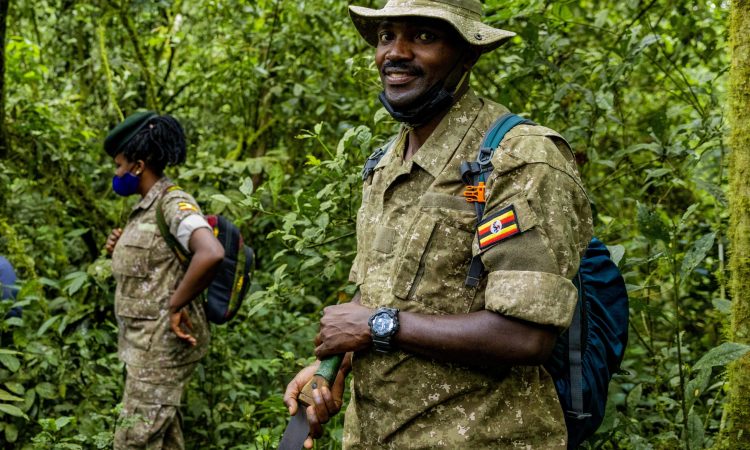
This is not bureaucratic box-ticking — it is genuinely effective. Wildlife tourism zones, including Bwindi, Kibale Forest, Queen Elizabeth, and Murchison Falls, are considered among the safest areas in the entire country. Incidents involving tourists inside the national parks are extremely rare, and the presence of professional rangers ensures that wildlife encounters remain both extraordinary and controlled.
3. Never Drive at Night
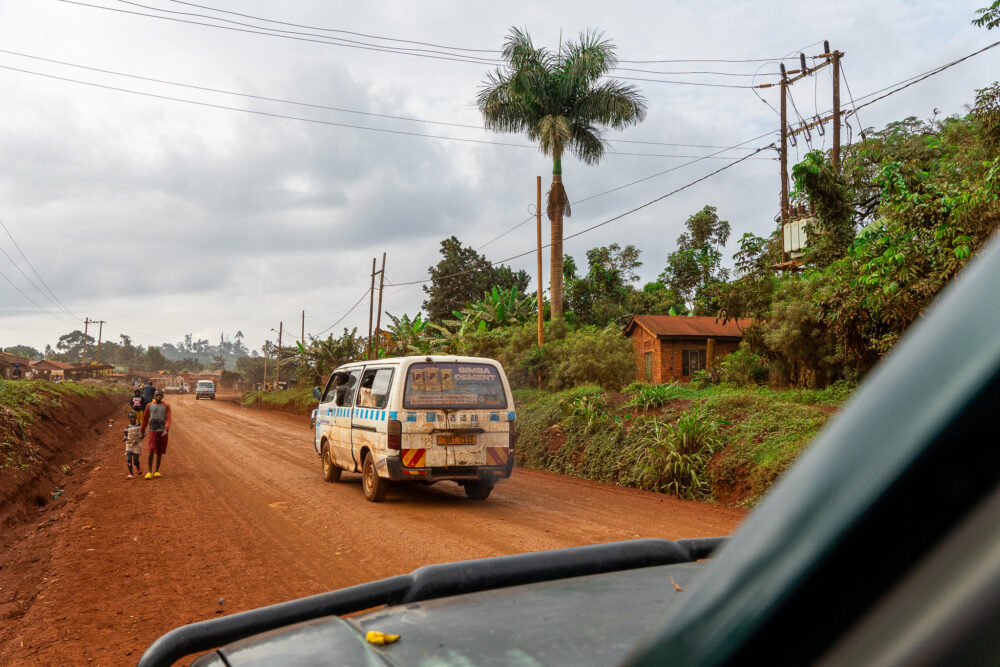
This is one of the most consistently repeated pieces of advice from experienced Uganda safari guides, and it cannot be overstated: do not travel by road after dark. Uganda’s rural roads — particularly those leading to and within national parks — are often unpaved, poorly lit, and can become slippery or impassable during the rainy season. Unmarked obstacles, free-roaming animals, and the increased risk of encountering reckless drivers make night travel genuinely dangerous.
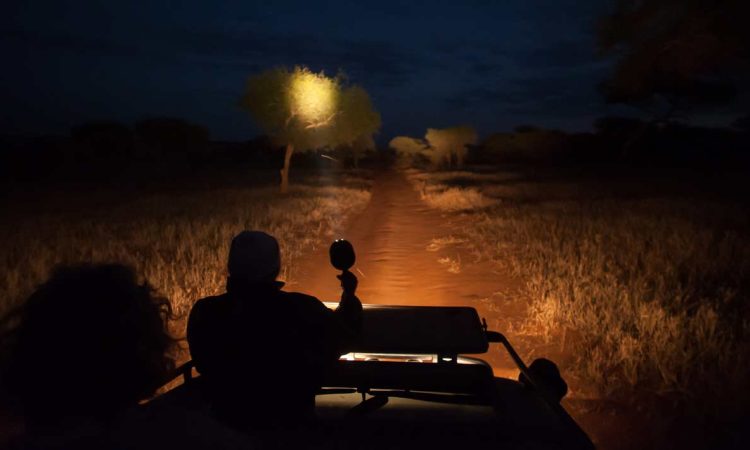
Plan your itinerary so that all inter-park transfers happen during daylight hours. Reputable tour operators build this into their schedules as standard practice. If your flight arrives late into Entebbe, stay overnight near the airport and begin travel to the parks the following morning.
4. Dress and Prepare Appropriately for the Bush
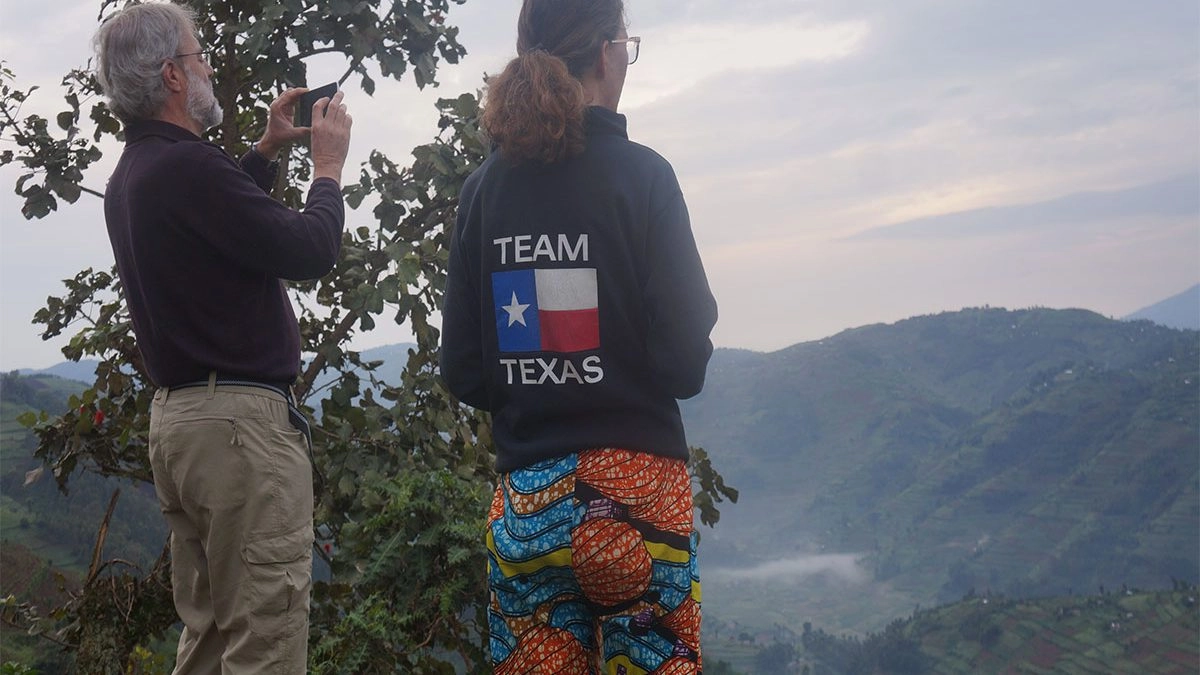
Preparation goes beyond packing a pair of binoculars. In tsetse-fly zones — which exist in parts of several Ugandan national parks — wearing neutral-colored clothing (khaki, beige, olive) is strongly recommended, as tsetse flies are attracted to dark and bright colors. Long-sleeved shirts and trousers offer protection from both insects and bush vegetation during forest treks.
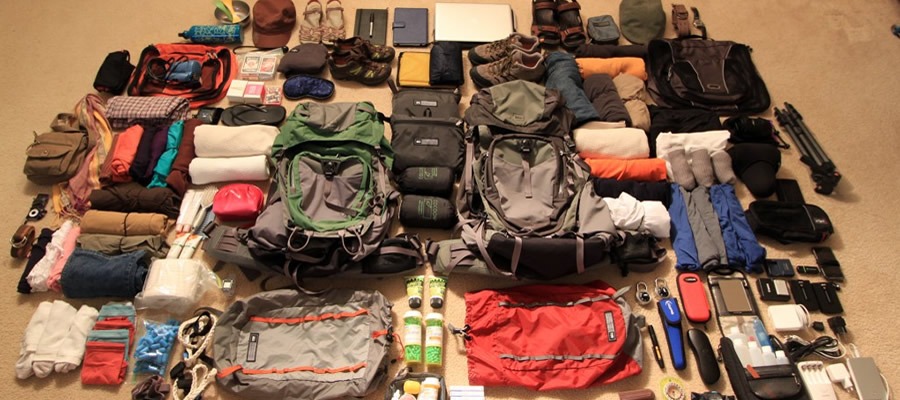
Malaria is present throughout Uganda, and antimalarial medication must be started before you arrive, continued during your visit, and completed after you return home — exactly as prescribed by your doctor. Apply insect repellent consistently, especially during dawn and dusk when mosquitoes are most active. It is also important to drink only bottled, filtered, or treated water throughout your trip, including in lodges and camps. Tap water is not considered safe for consumption anywhere in Uganda.
5. Arrange Comprehensive Travel and Medical Insurance
Uganda’s national parks are among the most remote wildlife destinations on the continent. Medical infrastructure outside Kampala and Entebbe is limited, which means that in the event of illness, injury, or a serious medical emergency during your safari, evacuation could be necessary. Comprehensive travel insurance that includes emergency medical evacuation cover is not optional — it is essential.
Before departure, also speak with a travel health specialist or doctor about recommended vaccinations. Yellow fever vaccination is a legal entry requirement for Uganda. Hepatitis A, typhoid, and rabies vaccines are commonly advised depending on your itinerary and length of stay.
6. Use Park-Approved Accommodation
Wherever possible, stay at lodges and camps that are officially listed and vetted within or adjacent to the national parks. These properties are familiar with park protocols, are in contact with UWA rangers, and have emergency procedures in place. Staying inside or on the boundary of a park also eliminates the need for long, risky road transfers to reach the wildlife at dawn or dusk — the best game-viewing hours.
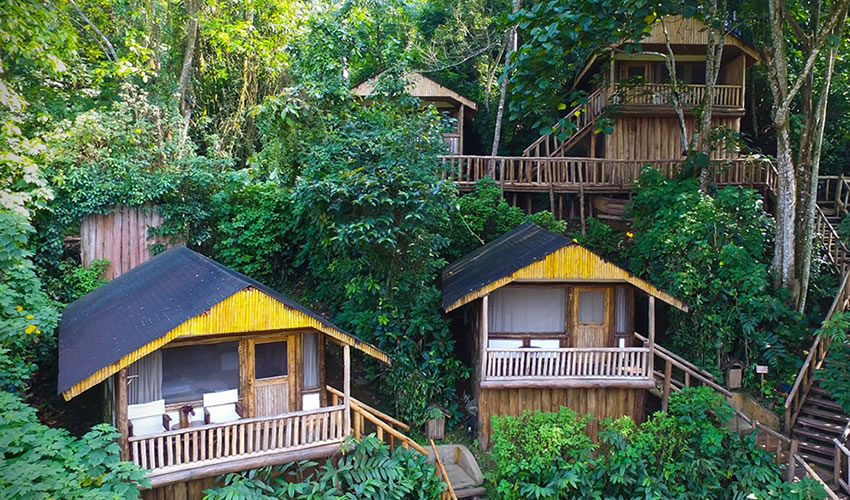
For gorilla trekking at Bwindi, lodges like those in the Buhoma, Ruhija, Nkuringo, and Rushaga sectors offer proximity to the trekking trail-heads. In Murchison Falls, riverside lodges put you within easy reach of both game drives and Nile boat cruises without unnecessary travel.
7. Respect Wildlife and Follow Ranger Instructions at All Times
This may seem obvious, but the safety record of Uganda’s national parks is partly built on visitors following park rules diligently. Maintain the recommended minimum distance from all wildlife — particularly gorillas and chimpanzees — and never attempt to feed animals or deviate from the route set by your ranger. During gorilla treks, a maximum of one hour is allowed with each habituated family, and wearing a face mask is required to protect the animals from human-borne illness.
In game drive areas, remain inside your vehicle at all times unless explicitly instructed otherwise by a trained guide. The animals of Queen Elizabeth National Park, including elephants, buffaloes, and hippos, are wild and unpredictable.
8. Choose the Right Season
Timing your safari wisely adds another layer of ease and safety. The peak dry seasons — June to September and December to February — offer the best road conditions into the parks, the best wildlife visibility, and the most predictable trekking weather. The rainy seasons (March to May and October to November) can make some forest trails and unpaved roads genuinely difficult to navigate, even with a 4×4 vehicle.
Final Thoughts
Uganda in 2026 is a country that takes tourist safety seriously at an institutional level. The Uganda Tourism Board has confirmed that all major tourism corridors remain open and secure, and the government’s substantial investment in park security and infrastructure this financial year reflects a long-term commitment to responsible tourism. With the right operator, the right preparation, and respect for the natural environment, exploring Uganda’s extraordinary national parks is not just safe — it is one of the most rewarding safari experiences in the world.
Always check the latest travel advisories from your home country’s foreign affairs office before departure, and register with your embassy upon arrival if your stay exceeds two weeks.
To book a rental car and driver in Uganda for gorilla trekking or wildlife safari in any national park, simply contact us now by sending an email to info@rentadriveruganda.com or calling +256-700135510.