
Uganda To Rwanda And Kenya: The Expat Cross-Border Trip Guide
There is a moment, somewhere on the road between Kampala and Kigali, when the hills roll into view and you understand why Rwanda is called the Land of a Thousand Hills. Or on the long straight stretch past Jinja heading toward the Malaba border, when the vastness of East Africa becomes genuinely, physically real.
Cross-border road trips in this part of the world are among the most rewarding travel experiences available anywhere. And for expats based in Uganda, Rwanda and Kenya are the two natural first destinations — close enough for a long weekend, rich enough to justify a proper expedition.
But getting it right requires preparation. The paperwork is real. The road conditions vary dramatically. And the difference between a smooth border crossing and a two-hour standoff with a customs officer often comes down to whether you have the right documents, in the right order, held by the right person.
Here is what you need to know.
The Two Main Routes: Rwanda and Kenya
Uganda to Rwanda (Kampala to Kigali)
The most popular cross-border route for Kampala-based expats is southwest to Kigali via the Katuna/Gatuna border crossing. The drive covers roughly 500km and takes between 7 and 9 hours depending on traffic through Kampala, road conditions in the southwest, and border wait times.
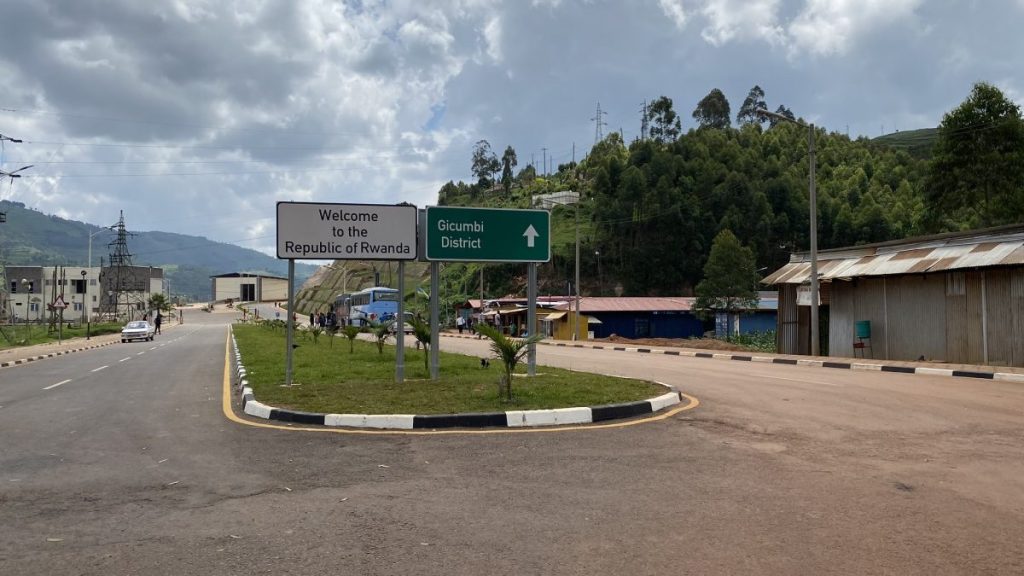
The road quality is generally good on the Ugandan side until you approach the border, with the Rwandan section beyond Gatuna being among the best-maintained roads in the region — Rwanda takes its infrastructure seriously. A secondary route runs via Kagitumba in the northeast of Rwanda, which some drivers prefer for its lighter border traffic.
Uganda to Kenya (Kampala to Nairobi)
The Kenya route heads east, typically via the Busia or Malaba border crossings on the Uganda-Kenya border, continuing through Eldoret and down to Nairobi. Total distance is around 650km; journey time is typically 9 to 12 hours. The road through western Kenya can be demanding in patches, and the Nairobi approach — like any large East African city — demands patience.

Documents: Get These Right Before You Leave
This is where most self-drive cross-border trips run into trouble. The document requirements for taking a vehicle across East African borders are specific, non-negotiable, and not always intuitive.
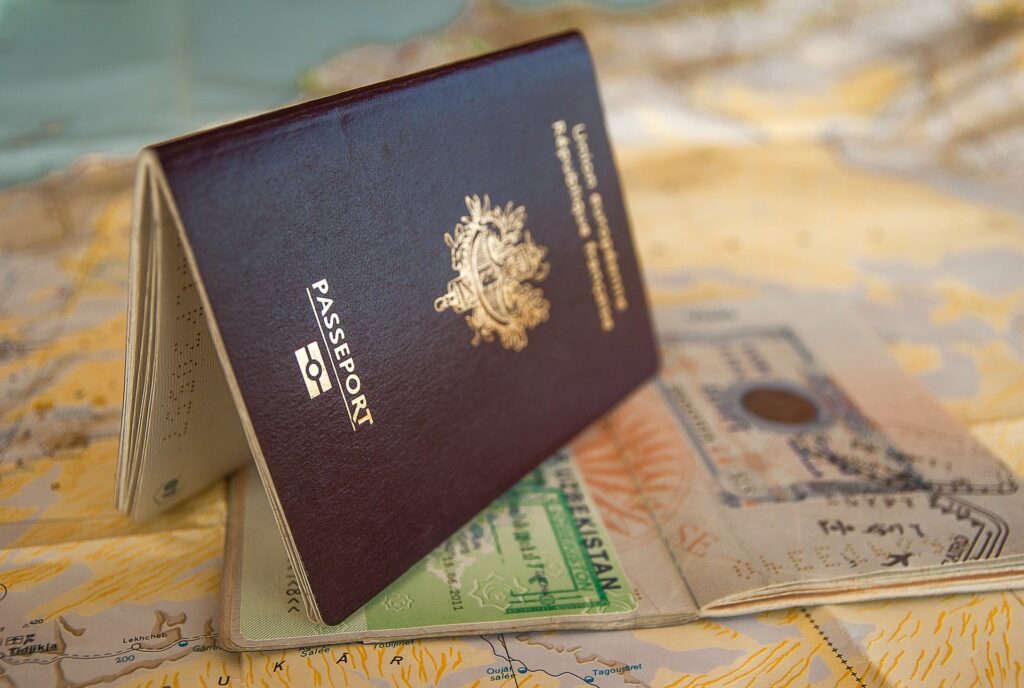
Passport validity. You need at least six months’ validity remaining and several blank pages. Border crossings generate stamps. A passport with two blank pages and a busy travel history will cause delays that no amount of goodwill can resolve.
East Africa Tourist Visa. The single-entry East Africa Tourist Visa covers Kenya, Uganda, and Rwanda under one $100 application for eligible passport holders — a significant simplification for multi-country trips. Check eligibility before you travel, as not all nationalities qualify.
COMESA Yellow Card. This is the regional third-party motor vehicle insurance certificate covering member states including Uganda, Kenya, Rwanda, and several others. Your vehicle hire provider should supply this. If you are driving your own vehicle, it can be purchased in advance or at the border — though advance purchase is strongly recommended.
Vehicle registration and cross-border authorization. If the vehicle is not registered in your name — which covers almost every rental car and many company vehicles — you will need a formal letter from the registered owner authorizing cross-border travel. Rental companies should provide this automatically; confirm it before departure.
Temporary Import Permit (TIP). Required at most East African borders for foreign-registered vehicles entering the country. Issued at the border, but the process is smoother when you arrive with all supporting documents complete.
Road Conditions: Know What You’re Driving Into
The Uganda-Rwanda route is largely manageable in a well-serviced saloon or SUV outside of the rainy seasons (March–May and October–November), when some sections can deteriorate significantly. The Uganda-Kenya route via Busia is predominantly paved but has stretches — particularly in western Kenya — where road quality drops sharply and a higher-clearance vehicle is preferable.
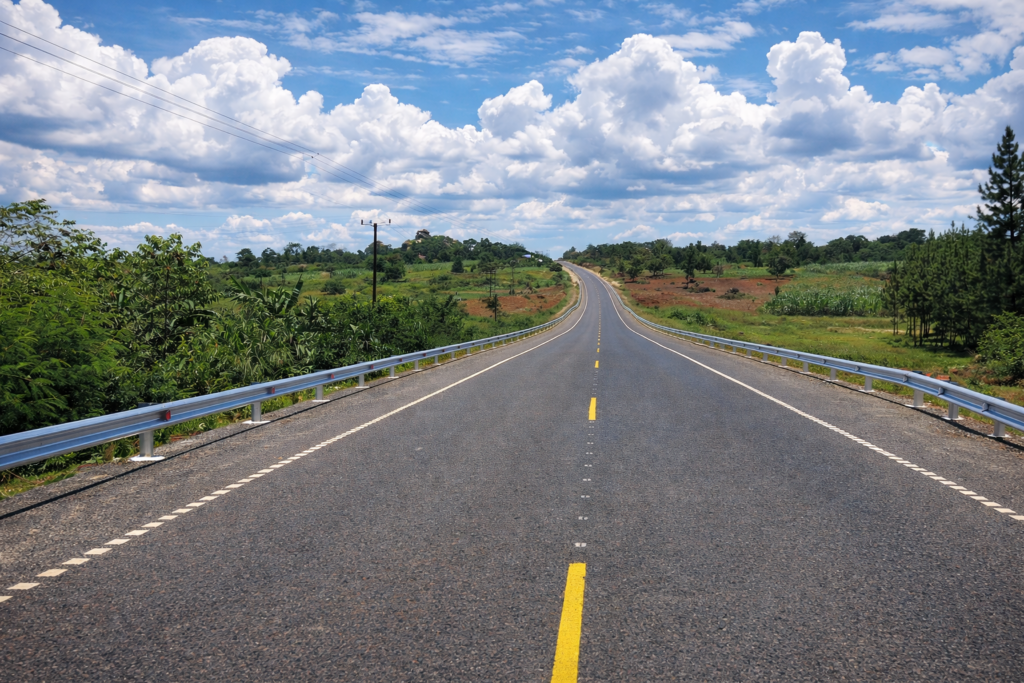
For any cross-border trip, a reliable 4×4 or SUV from a properly maintained fleet is strongly recommended over a standard saloon. The cost difference is modest. The margin for error on a remote road in a foreign country is not.
Fuel availability is reasonable on both main routes, but plan your fill-ups. Do not arrive at a border with a near-empty tank on the assumption that there will be a station on the other side within five kilometres. Sometimes there is. Sometimes there is not.
Why a Professional Driver Changes Everything at the Border
Even experienced drivers who are entirely comfortable on the roads find that border crossings are where a professional cross-border driver earns their fee many times over.
At busy crossings like Katuna (Uganda-Rwanda) or Malaba (Uganda-Kenya), the process involves multiple queues across immigration, customs, and vehicle clearance — each with their own procedures, their own officers, and their own informal rhythms. A driver who crosses these borders regularly knows the sequence, knows which documents to present when, and can navigate the process efficiently while you stay with the vehicle.
One missing stamp, one document presented at the wrong window, one misunderstanding about the TIP process — any of these can turn a 45-minute border crossing into a three-hour ordeal. An experienced driver who works these routes regularly eliminates most of that risk entirely.
Beyond the border, the value continues. A local driver knows the speed limit enforcement patterns in Rwanda (rigorous and camera-monitored), the fuel stop strategy for the Kenya stretch, and how to handle the unexpected — a mechanical issue, a road closure, a flooded diversion — in a country where you don’t yet know the local alternatives.
The cost of a professional driver for multi-country East Africa travel is considerably less than the combined cost of a delayed border crossing, an avoidable vehicle incident, and the cognitive load of navigating unfamiliar roads in a foreign country.
Before You Go: A Practical Pre-Departure Checklist
- Passport: 6+ months validity, multiple blank pages
- Visa: East Africa Tourist Visa if eligible, or separate entry visas
- COMESA Yellow Card: confirmed with your vehicle provider
- Cross-border authorization letter: from vehicle owner or rental company
- Vehicle condition: full service check, spare tyre, emergency kit
- Fuel: full tank at departure and topped up before the border
- Currency: Rwandan Francs or Kenyan Shillings for immediate expenses on the other side
- Emergency contacts: your driver’s number, rental company contact, and nearest embassy
The Bottom Line
Uganda to Rwanda and Uganda to Kenya are two of East Africa’s great road trips. They are genuinely achievable, deeply rewarding, and far less daunting than they appear on first consideration — provided you prepare properly.
The paperwork is manageable. The roads are driveable. And with a professional local driver from a trusted Uganda provider who knows both sides of the border, the journey itself becomes part of the experience rather than an obstacle to it.
Pack the documents. Choose the right vehicle. And go.
Planning a cross-border road trip from Uganda? Rent A Driver Uganda provides professional drivers and well-maintained vehicles for cross-border travel to Rwanda, Kenya, and Tanzania. Contact the team to discuss your route and arrange your trip by emailing to info@rentadriveruganda.com or calling +256-700135510.