Why A Safari Driver is More Important Than Your Luxury Lodge
You’ve spent months planning your Uganda safari adventure. You’ve pored over lodge reviews, weighed the merits of a tented camp in the Bwindi Impenetrable Forest against a riverside retreat in Queen Elizabeth National Park, and finally pulled the trigger on an exquisite property with a plunge pool and three-course dinners. The photos are stunning. The thread-count of the linens is impressive. And yet, when you return home and friends ask about your trip, you won’t talk about the mattress. You’ll talk about the moment your guide whispered, “Look — silverback, eleven o’clock,” and the world stopped.
In Uganda’s rapidly evolving tourism landscape of 2026, one truth is becoming undeniable among experienced travelers: your Uganda safari driver is the single most important variable in the quality of your experience. More than the lodge. More than the itinerary. More than the season.
The Lodge Stays the Same. The Guide Does Not.
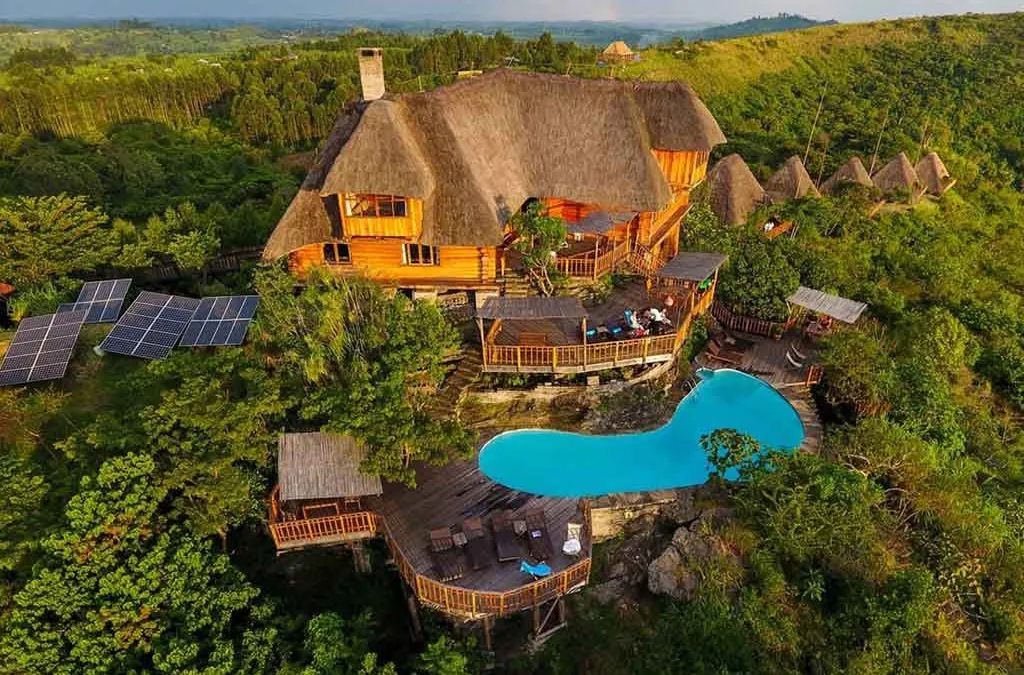
A luxury lodge in Bwindi or along the Kazinga Channel is a fixed asset. Its architecture, its menu, its spa facilities — these remain essentially constant from one guest to the next. You can read a hundred reviews and have a reasonable idea of what to expect. The experience is curated, predictable, and comfortable.
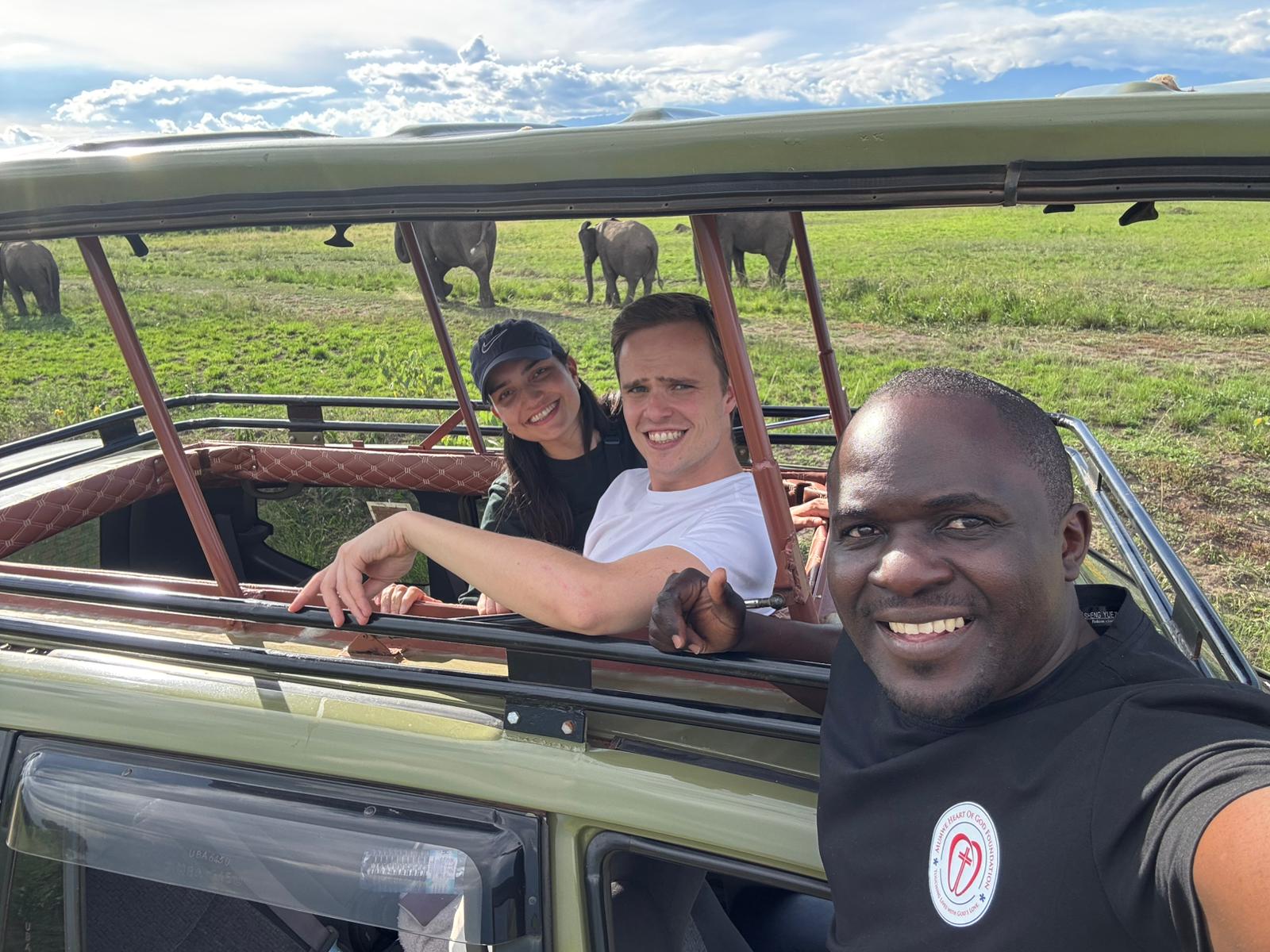
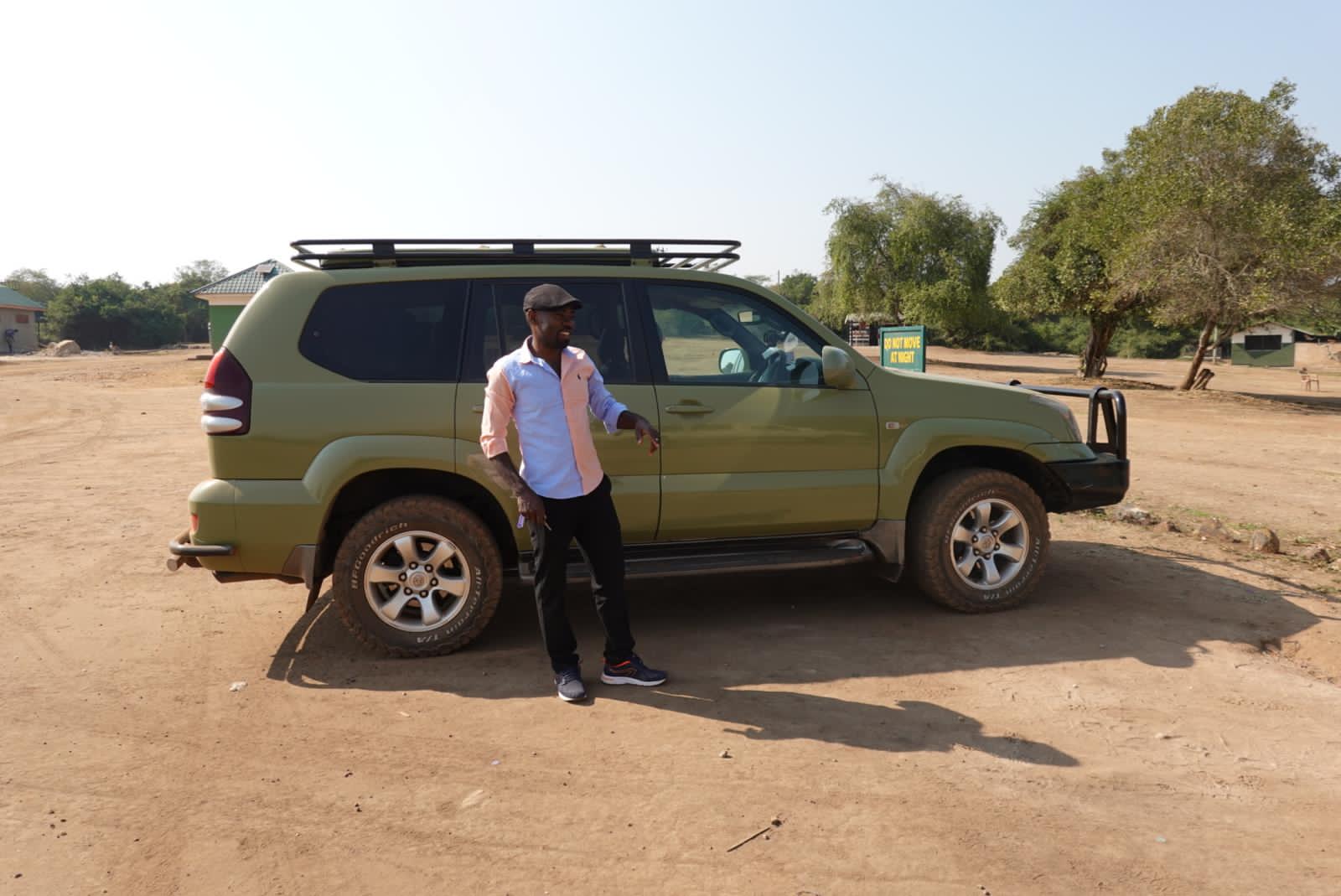
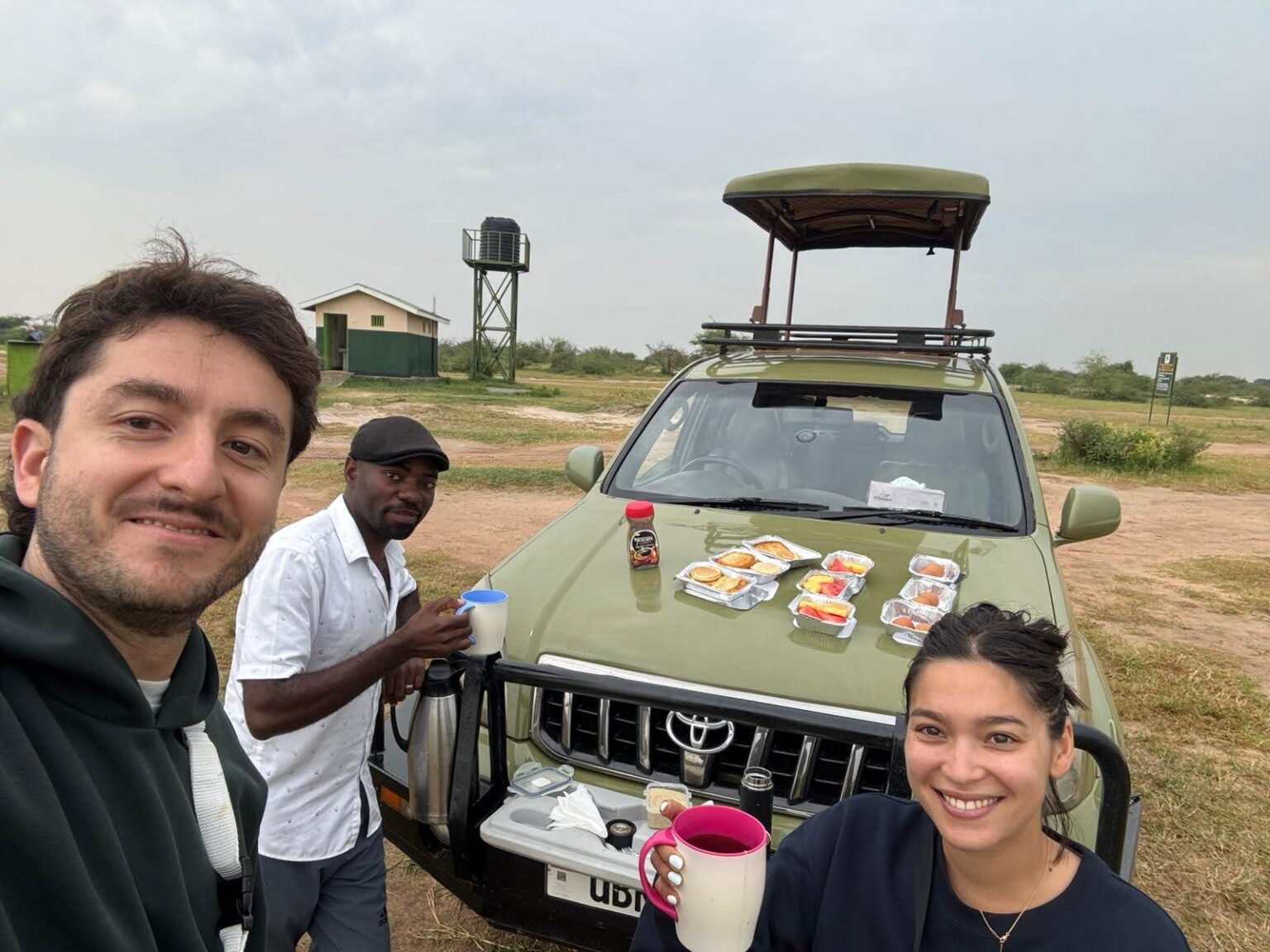
Your guide, by contrast, is an entirely different proposition. Uganda’s national parks — Bwindi Impenetrable, Queen Elizabeth, Murchison Falls, Kibale, Kidepo Valley — are dynamic, layered, and deeply complex ecosystems. What you encounter in them is not scripted. The difference between a transformative day in the field and a frustrating one often comes down to a single person: the individual sitting in the driver’s seat before dawn, who knows where the lions sheltered last night, which chimp community is most active this week, and exactly how to approach a family of mountain gorillas without disturbing their morning routine.
The Hidden Language of the Bush
Uganda is home to some of the most bio-diverse terrain on the continent. In Queen Elizabeth National Park alone, over 600 bird species have been recorded — a fact that means absolutely nothing unless your guide can hear the distinctive call of a Verreaux’s eagle-owl before you’ve even rolled down the window. In Kibale National Park, tracking chimpanzees through dense equatorial forest requires an intimate understanding of primate behaviour that no brochure can replicate.
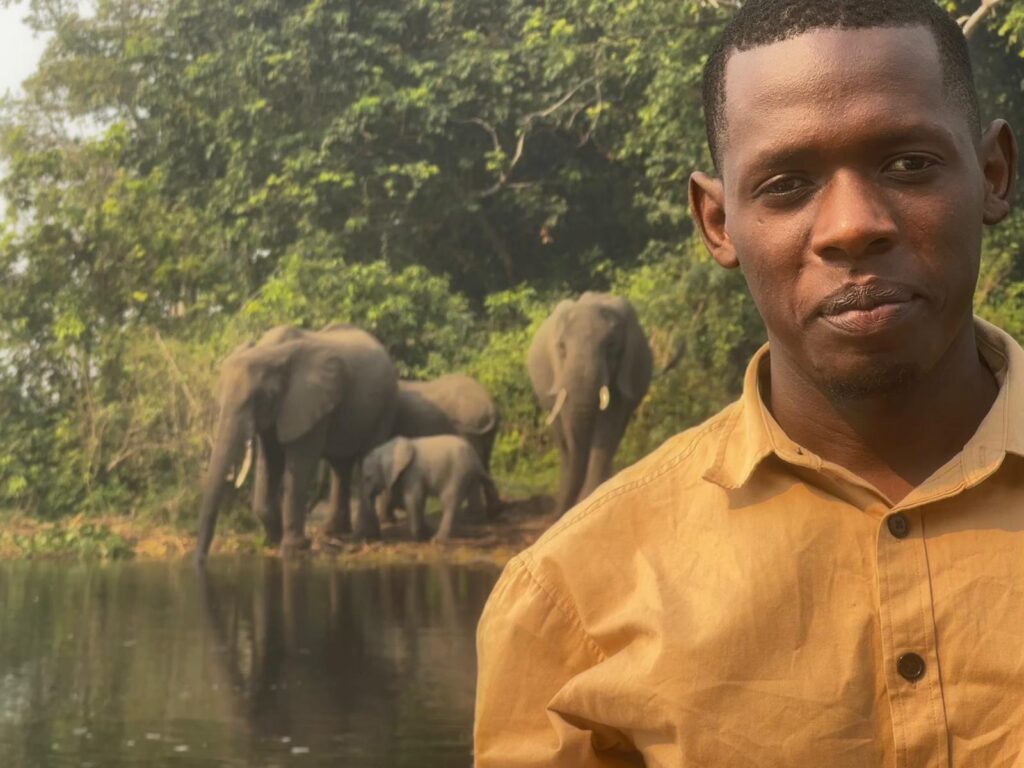
The finest guides in Uganda carry years of on-the-ground knowledge that borders on the instinctive. They understand animal movement patterns, seasonal feeding behaviors, and the subtle signs — a broken branch, a freshly disturbed anthill, the silence before a predator moves — that can turn a game drive from routine into remarkable. They read the forest the way a musician reads sheet music: fluently, expressively, and with years of practice behind every interpretation.
In 2026, Uganda’s tourism board and several private operators have raised the standard for guide accreditation, introducing more rigorous testing in ecology, first aid, and cultural interpretation. But certification alone doesn’t produce a great guide. Experience, passion, and a genuine love of the country do.
The Cultural Dimension
Uganda safari experiences have evolved well beyond wildlife encounters. Today’s travelers are increasingly drawn to community visits, conversations with local farmers, and the stories behind the land. A skilled guide is your cultural interpreter as much as your tracker. In the villages surrounding Bwindi, the relationship between conservation and community is complex and fascinating. A guide who grew up in this region can explain those tensions with honesty and nuance — offering a perspective that no lodge welcome booklet can provide.
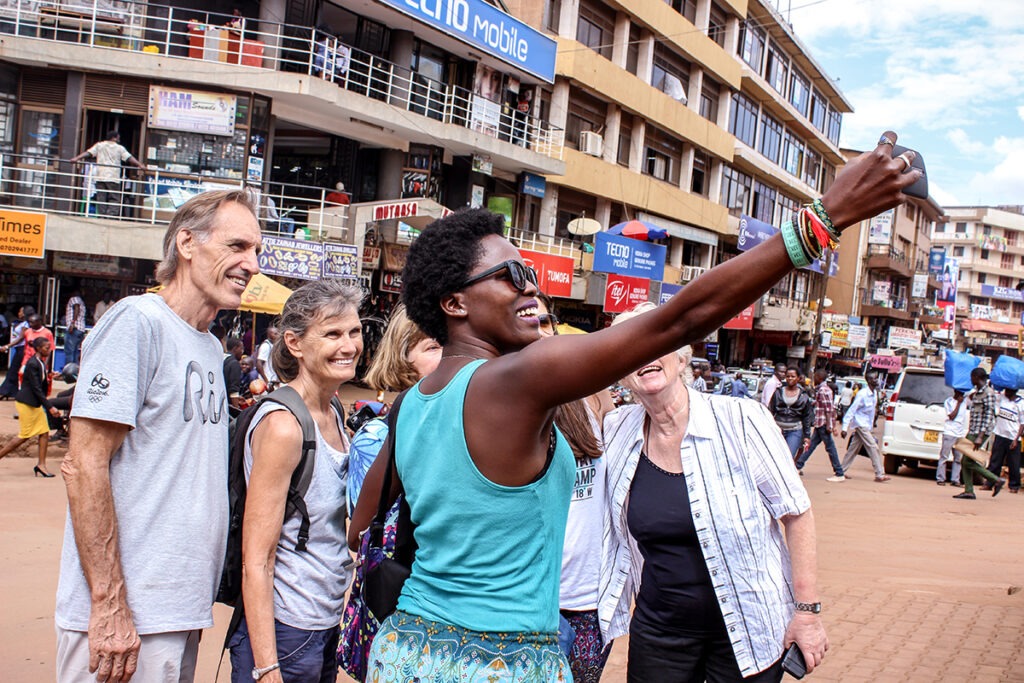
The same is true along the shores of Lake Albert, in the crater lakes region of western Uganda, or in the remote northeast around Kidepo. These are places shaped by deep histories, multiple ethnic communities, and conservation stories still being written. A great guide doesn’t just point at things; they place those things in context. They make Uganda legible.
What to Look For in 2026
When booking your Uganda safari this year, ask your operator specific questions about who will be guiding you. How long have they worked in the park? What is their specialization — birding, primates, general game? Are they from the local community? Request the same guide for your entire trip wherever possible, since continuity deepens the relationship and sharpens the experience.
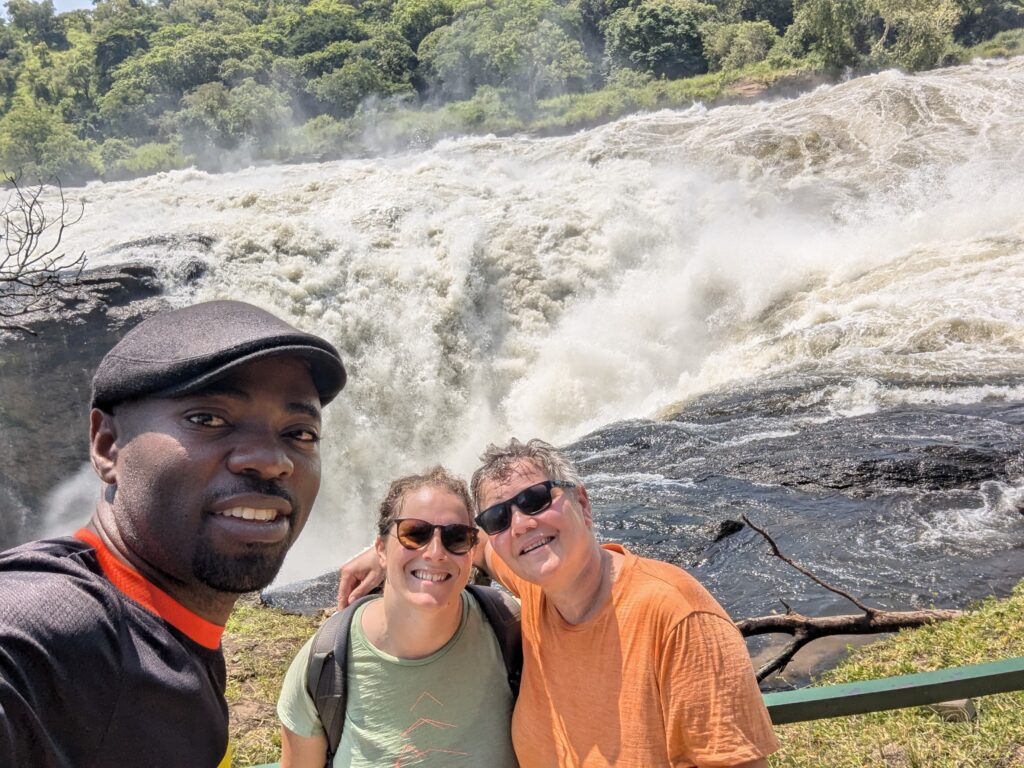
travelers who have spent time in Uganda consistently report that the guides who left lasting impressions were those who offered something personal: a quiet moment watching fog rise over the Bwindi forest canopy, an unexpected detour to a roadside market, a campfire story told with laughter and genuine pride. These moments cannot be manufactured by interior designers or menu planners.
The Practical Argument
There is also a simple financial logic here. A gorilla trekking permit in Uganda currently costs $800 per person — a significant investment that takes you into the forest for one hour with a habituated gorilla family. Whether that hour feels like a fleeting transaction or the most profound sixty minutes of your life will depend almost entirely on your guide’s knowledge, calm, and ability to read the scene unfolding before you.
A night in a mid-range lodge versus a luxury lodge might cost you a few hundred dollars. Investing those same dollars in securing a seasoned, passionate, deeply knowledgeable guide will almost certainly yield a greater return in experience, memory, and meaning.
The Pearl of Africa Deserves Your Best Attention
Uganda is one of the world’s most remarkable safari destinations — not because it competes with the Serengeti on scale, but because it offers something rarer: intimacy, biodiversity, and a kind of wild that feels genuinely unspoiled. In 2026, more travelers than ever are discovering this. As lodges compete for five-star ratings and social media aesthetics, the guides remain the heartbeat of the experience.
So by all means, enjoy the plunge pool. savor the candlelit dinner. But when the Land Cruiser pulls away before sunrise, remember where the real magic lives — in the person beside you who knows exactly where to go.
Planning a Uganda safari? Ask your operator not just where you’ll sleep, but who will take you into the field. We at Rent A Driver Uganda have a team of well-trained and experienced safari drivers in Uganda ready to give you awesome experience in any national park. Simply contact us now by sending an email to info@rentadriveruganda.com or call us now on +256-700135510.