Essential 2026 Checklist for International Drivers in Uganda
Planning to drive in Uganda in 2026? Whether you’re embarking on a wildlife safari through Queen Elizabeth National Park, navigating Kampala’s bustling streets, or exploring the scenic routes to Jinja, being properly prepared is crucial. Uganda’s unique driving conditions and regulations require international visitors to take specific steps before getting behind the wheel. Here’s your comprehensive checklist to ensure a safe and legal driving experience in the Pearl of Africa.
Documentation Requirements
The foundation of legal driving in Uganda starts with proper documentation. International drivers must carry a valid International Driving Permit (IDP) alongside their home country’s driver’s license. Uganda recognizes IDPs issued under the 1949 Geneva Convention on Road Traffic, which must be obtained in your home country before departure. Your regular driver’s license alone is insufficient, and driving without an IDP can result in fines or vehicle impoundment.
Ensure your IDP remains valid for your entire stay. These permits typically expire after one year from the date of issue. Your passport should also have at least six months of validity remaining, as authorities may request identification during traffic stops. Keep physical copies of all documents in your vehicle at all times, and consider storing digital backups on your phone as an extra precaution.
Vehicle Insurance and Registration
Comprehensive vehicle insurance is mandatory in Uganda. If you’re renting a vehicle, verify that the rental agreement includes full insurance coverage, including third-party liability. Request written confirmation of coverage details and emergency contact numbers for the insurance provider. For those bringing their own vehicles across borders, you’ll need a Comesa Yellow Card, which provides insurance coverage across East African countries.
Always inspect the vehicle’s registration documents before driving. The vehicle should have valid registration plates and a current road license displayed on the windscreen. Take photographs of any existing damage to avoid disputes when returning rental vehicles.
Understanding Ugandan Road Rules
Uganda follows left-hand traffic, which can be challenging for drivers from right-hand traffic countries. Take time to practice in less congested areas before tackling busy city centers. Speed limits are generally 50 km/h in urban areas, 80 km/h on rural roads, and 100 km/h on highways, though these can vary with posted signage.
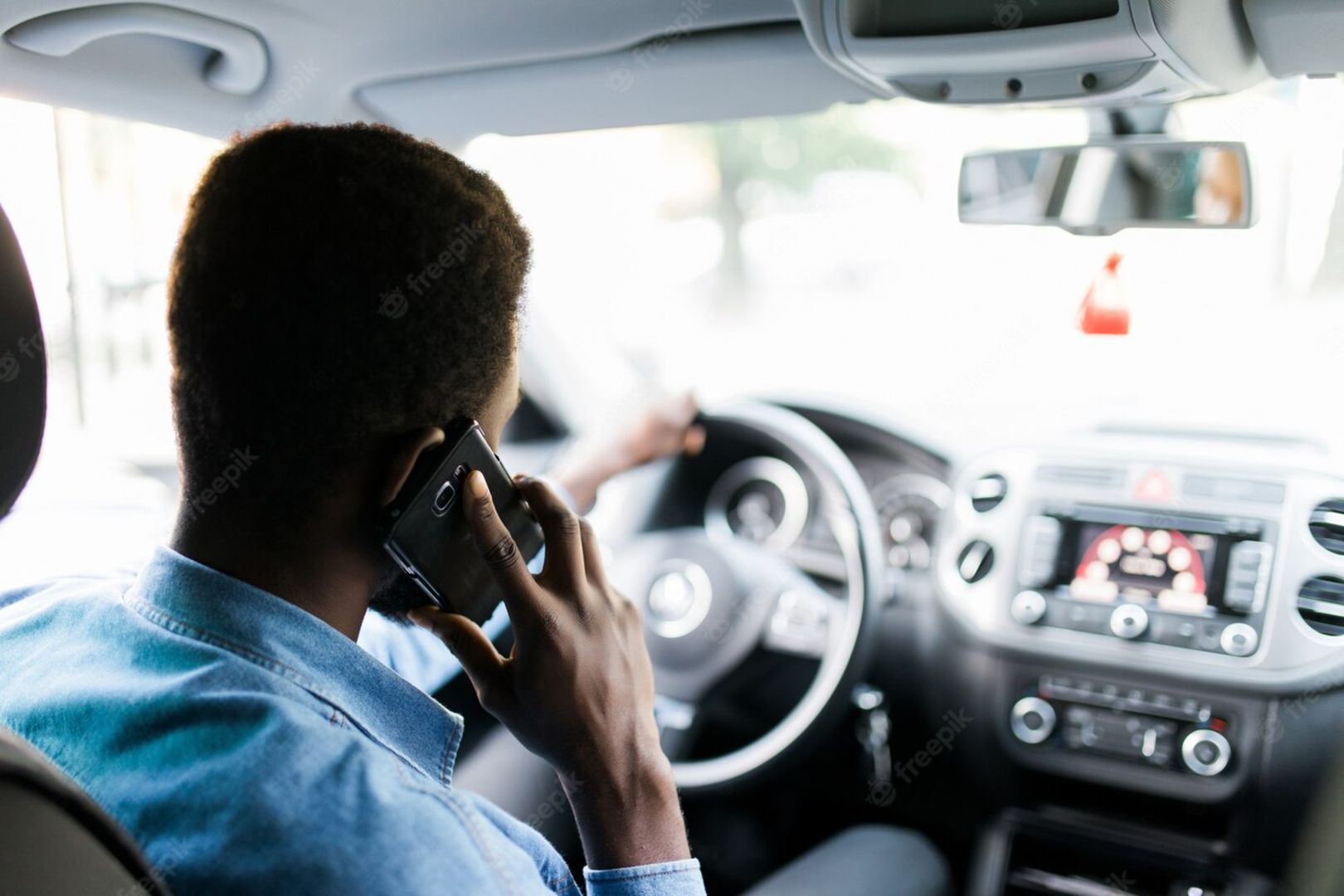
Seat belts are mandatory for all passengers, and using mobile phones while driving is prohibited unless you have a hands-free system. Police checkpoints are common throughout Uganda, particularly on major highways. Always stop at these checkpoints, remain courteous, and have your documents ready for inspection.
Road Conditions and Safety Considerations
Uganda’s road network varies dramatically. While major highways connecting cities like Kampala, Entebbe, and Mbarara are generally well-maintained, rural roads can be challenging, especially during rainy seasons from March to May and September to November. Potholes, unpaved sections, and poor drainage are common hazards.
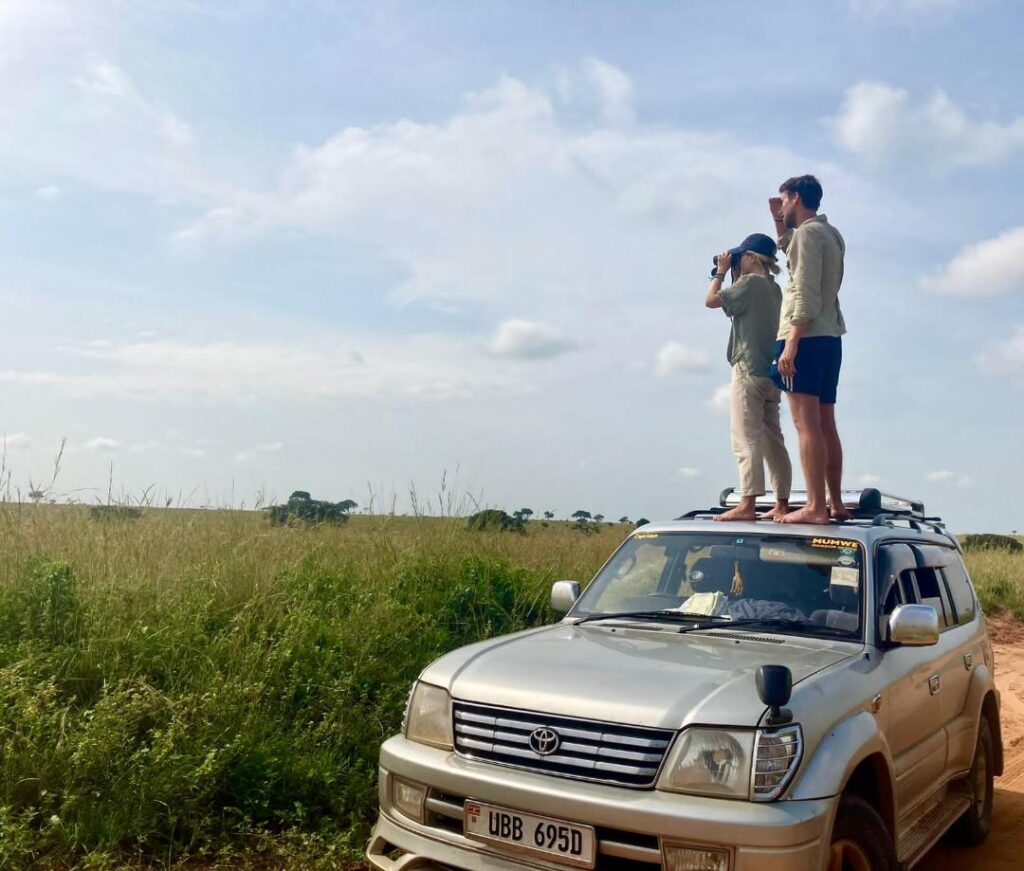
A four-wheel-drive vehicle is highly recommended if you plan to visit national parks or remote areas. Standard sedans suffice for city driving and major highways but may struggle on rural roads. Consider renting a vehicle with good ground clearance to navigate rough terrain safely.
Essential Safety Equipment
Your vehicle should be equipped with a warning triangle, fire extinguisher, and first aid kit. While these are standard in rental vehicles, verify their presence before departure. Carry a spare tire and ensure you know how to change it, as roadside assistance can be limited in rural areas.
GPS navigation is invaluable, though mobile signal can be unreliable outside urban centers. Download offline maps for Google Maps or Maps.me before your journey. A physical road map provides an excellent backup option.
Fuel and Maintenance Planning
Petrol stations are abundant in cities but become sparse in rural regions. Never let your fuel tank drop below half when traveling between towns. Some remote areas may go 100 kilometers or more without fuel stations. Carry extra fuel in approved containers if venturing into very remote areas, though be aware of safety regulations.
Health and Emergency Preparedness
Keep emergency numbers programmed in your phone: Police (999), Ambulance (911), and Fire (999). Medical facilities in Kampala are adequate, but rural healthcare is limited. Ensure you have comprehensive travel insurance covering medical evacuation.
Carry sufficient drinking water, especially for long journeys, and protect yourself from the sun with appropriate clothing and sunscreen. Malaria prophylaxis is recommended for most areas of Uganda.
Cultural Considerations
Ugandan drivers tend to be assertive, and honking is common but rarely aggressive. Pedestrians, cyclists, and livestock frequently share the road, requiring constant vigilance. Drive defensively and anticipate unpredictable movements from other road users.
By following this checklist, international drivers can navigate Uganda’s roads safely and legally in 2026. Proper preparation transforms potential challenges into manageable aspects of an unforgettable East African adventure.