How To Stay Safe & Healthy When Traveling In Uganda
Uganda is one of East Africa’s most exciting travel destinations, offering unforgettable safari experiences, mountain adventures, cultural encounters, and scenic road trips. But to enjoy everything the country has to offer, travelers should prepare well, stay alert, and make smart choices about health, transport, and personal safety. Planning ahead can make the difference between a stressful journey and a smooth, memorable adventure.
For many visitors, the safest and most comfortable way to explore Uganda is with a reliable rental car and an experienced driver who understands the roads, local conditions, and travel routes. This is especially helpful for travelers who want to move between cities, airports, lodges, parks, and attractions without worrying about navigating unfamiliar roads on their own.
Plan Your Trip Before You Leave
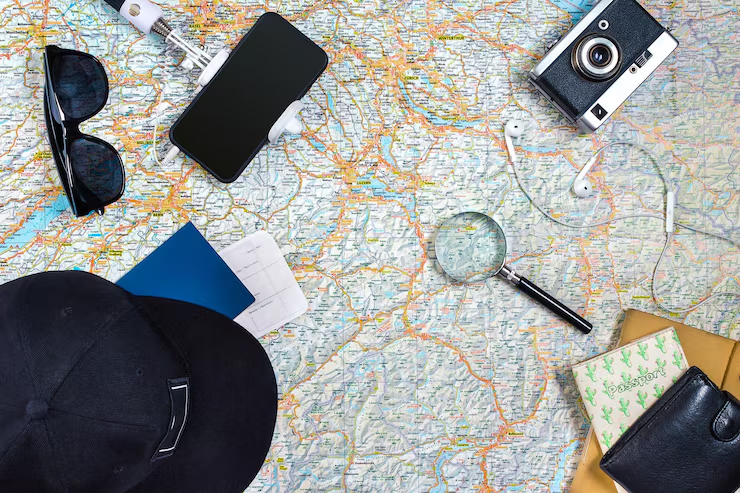
Good travel safety starts before you even arrive in Uganda. It is wise to visit a travel clinic or doctor 6 to 8 weeks before departure so you can review recommended vaccinations, malaria prevention options, and any personal health concerns related to your itinerary. Travel guidance commonly highlights the importance of yellow fever documentation and additional vaccines depending on your background and planned activities.
#image_title
This is also the right time to arrange comprehensive travel insurance. Make sure your policy includes medical coverage, emergency evacuation, and adventure activities if you plan to do gorilla trekking, hiking, wildlife viewing, or long-distance road travel. It is also helpful to carry digital and printed copies of your passport, insurance details, hotel bookings, and emergency contacts.
Protect Yourself From Mosquitoes And Malaria
Uganda is a malaria-risk destination, so mosquito protection should be taken seriously every day of your trip. Carry insect repellent, wear long sleeves and trousers in the evening, sleep under a mosquito net when available, and speak to a medical professional about anti-malarial medication before you travel.

Try to be especially careful around dusk and dawn, when mosquitoes are most active. If you are going on game drives, nature walks, or staying in rural areas, keep windows screened or closed where possible and avoid sitting outdoors unprotected for long periods in the evening.
If you later develop fever, body aches, chills, or flu-like symptoms, do not ignore them. Seek medical attention quickly and tell the clinician that you have recently traveled in Uganda, because prompt treatment matters.
Drink Safe Water And Eat Wisely
One of the easiest ways to avoid getting sick while traveling is to be careful about water and food. Stick to bottled, boiled, or properly treated water, and avoid drinking from untreated sources or using ice if you are not sure about the water quality. Travel guidance for Uganda commonly advises caution with tap water and food hygiene.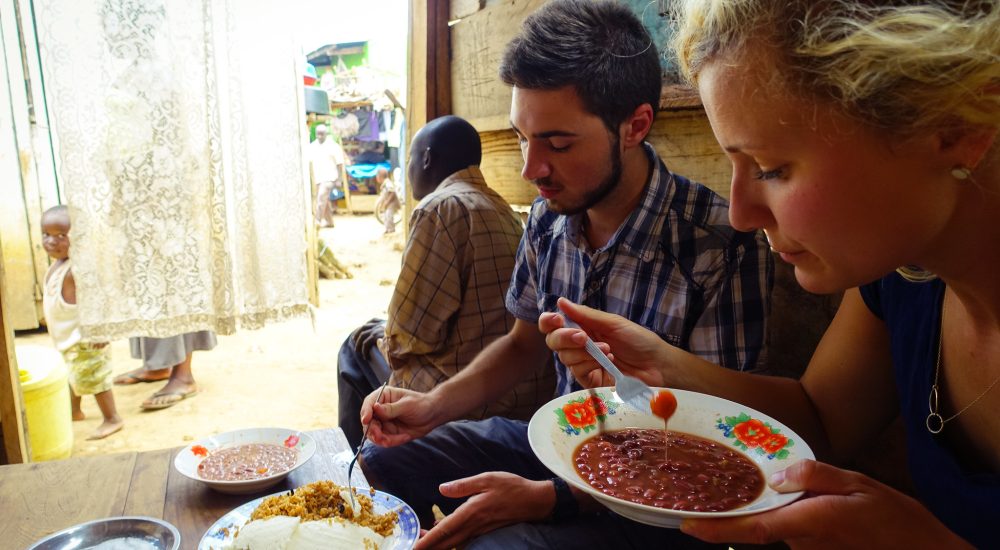
Food safety is just as important. Choose meals that are freshly cooked and served hot, and be cautious with raw salads, street food from untrusted vendors, and unpeeled fruit unless you prepared it yourself. When in doubt, a busy, reputable restaurant or lodge kitchen is usually the safer option.
A small hygiene kit can be very useful. Pack hand sanitizer, tissues, wet wipes, and basic stomach remedies, and wash your hands regularly before eating. These simple habits can prevent many of the common travel illnesses that spoil a trip.
Travel By Day When Possible
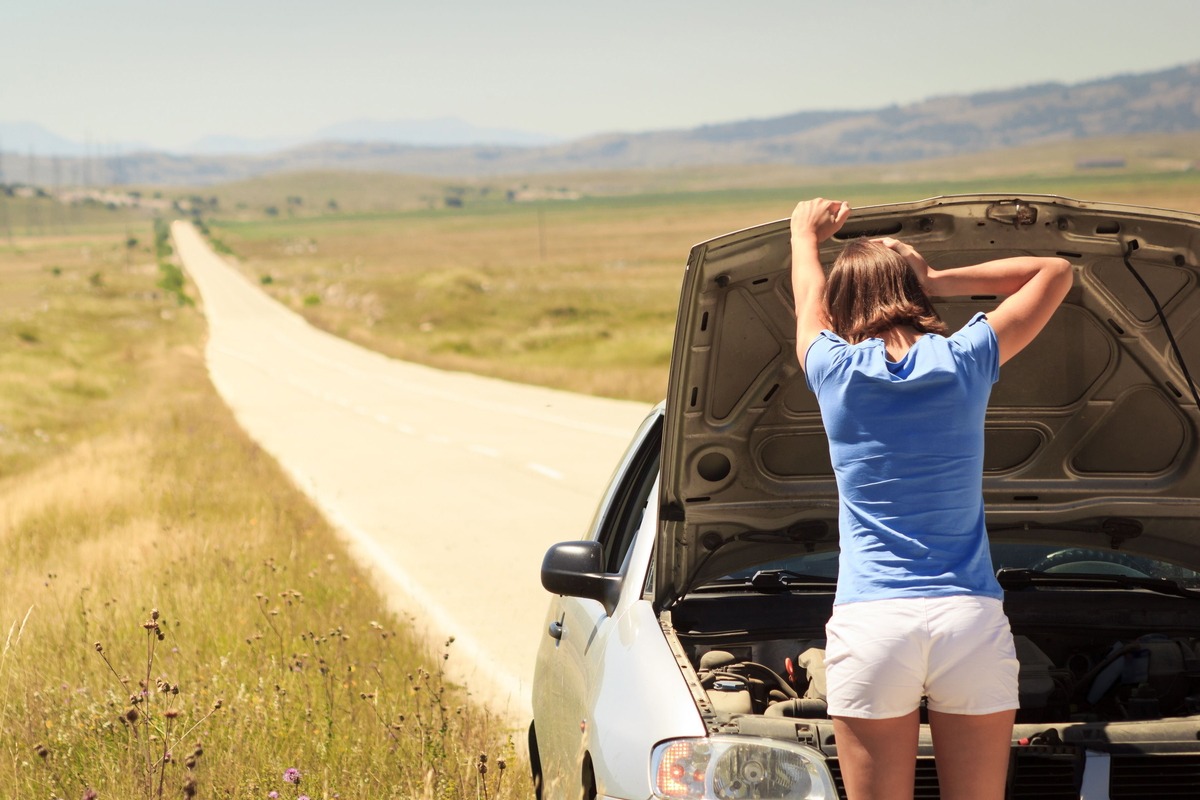
Road safety deserves special attention in Uganda, because road conditions, traffic behavior, and visibility can all change quickly. Many travel advisories recommend avoiding unnecessary travel after dark outside major towns, and keeping vehicles locked with windows up while driving through urban traffic.
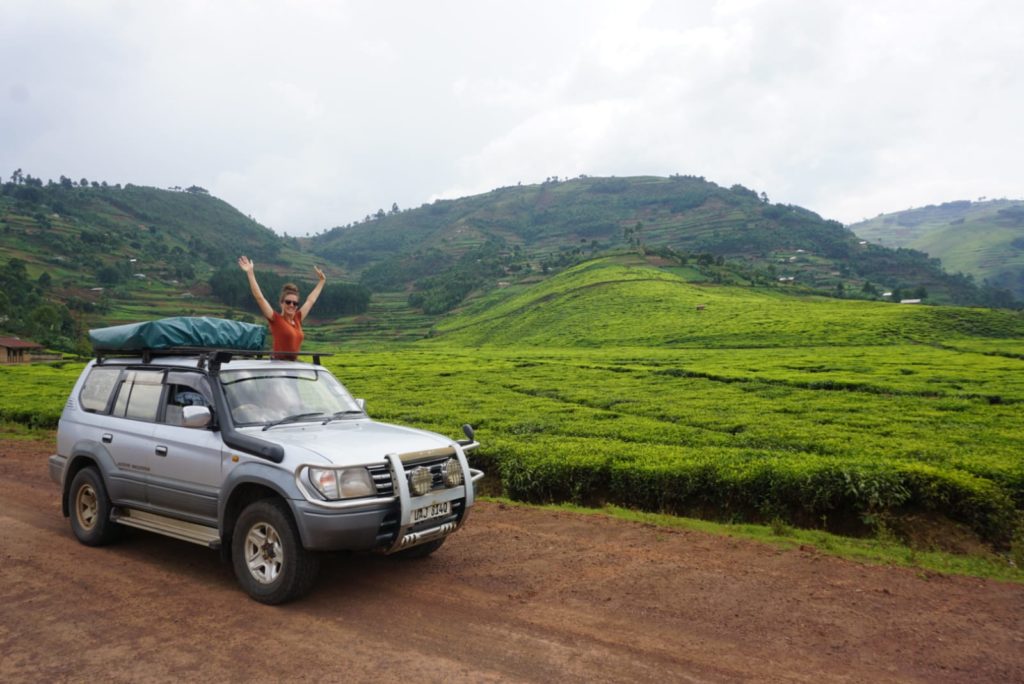
Daytime travel is generally safer and less stressful, especially for long journeys between airports, lodges, and national parks. When you travel with a trusted rental vehicle and driver, you reduce the risks of getting lost, dealing with confusing road conditions, or making rushed decisions in unfamiliar areas.
This is one of the reasons many visitors prefer to book transport in advance rather than depending on last-minute arrangements. A local driver can help with route planning, timing, border or park logistics, and practical advice about where to stop and where to avoid.
Keep Valuables Out Of Sight
Like in many busy travel destinations, it is best to stay discreet with your belongings. Keep phones, cameras, wallets, and passports secure, and avoid displaying expensive jewelry, large amounts of cash, or flashy equipment in crowded places.
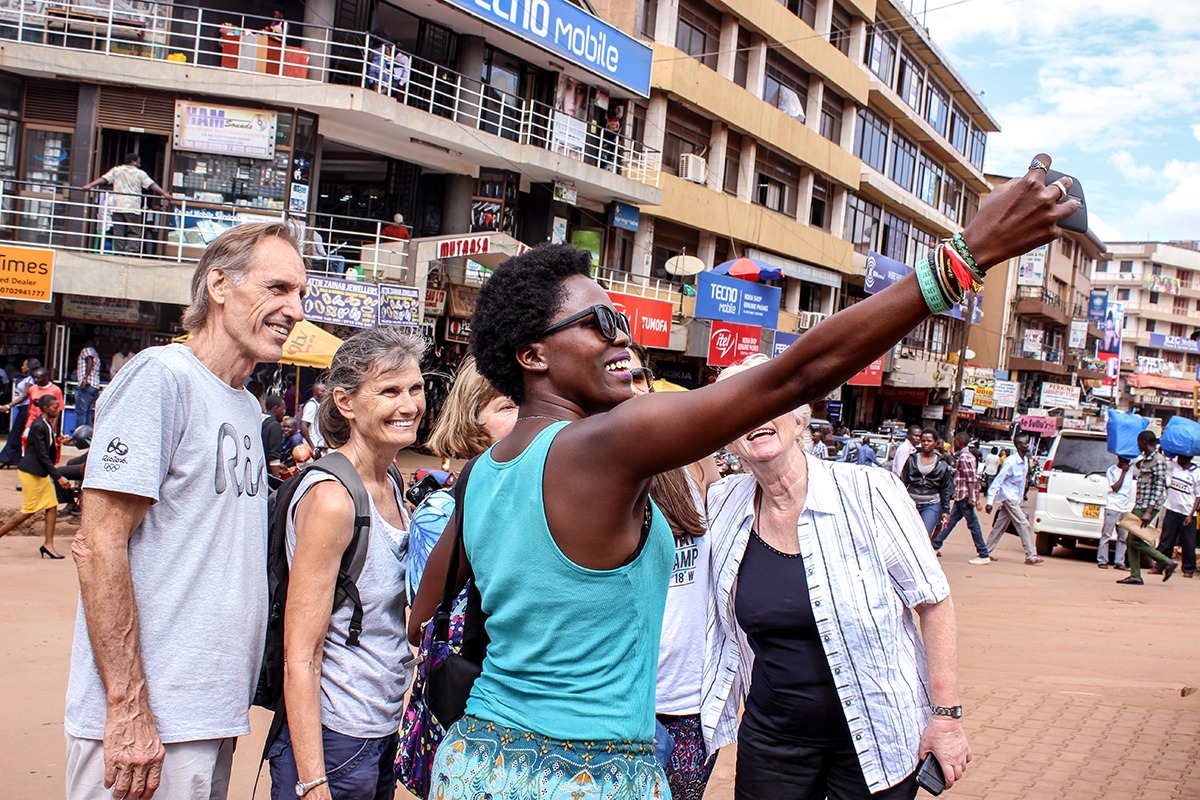
Market areas, busier streets, and roadside stops can attract petty theft, so use a zipped bag, money belt, or cross-body bag that is difficult to snatch. When getting in or out of a vehicle, take a quick moment to check that all doors are locked and your valuables are packed away.
If you are walking in a town or city, stay aware of your surroundings and avoid becoming distracted by your phone. Small habits like these can greatly reduce the chances of opportunistic theft.
Follow Local Guidance Around Wildlife
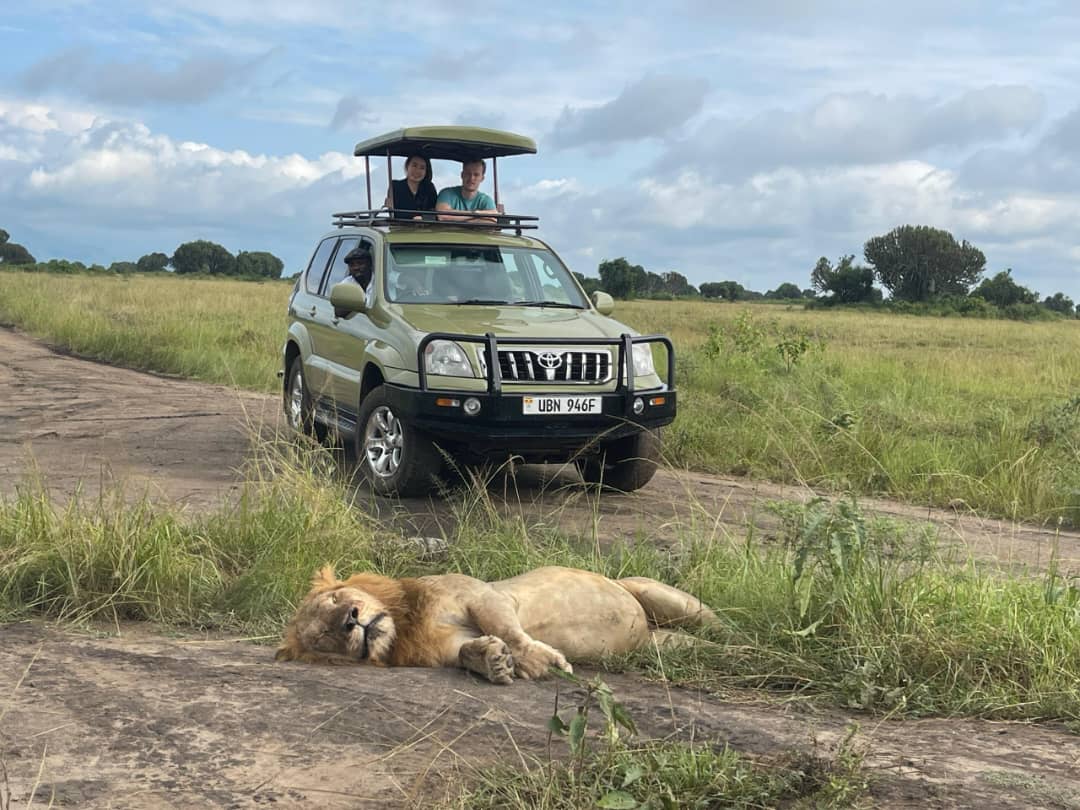
Uganda’s wildlife experiences are a major highlight, but they also require caution and respect. Whether you are on a safari, boat trip, forest walk, or gorilla trekking excursion, always follow your guide’s instructions without exception. Wild animals are unpredictable, and park rules are designed to protect both visitors and the animals themselves. Keep a safe distance, remain quiet when required, and never try to feed, touch, or approach wildlife for a closer photo.
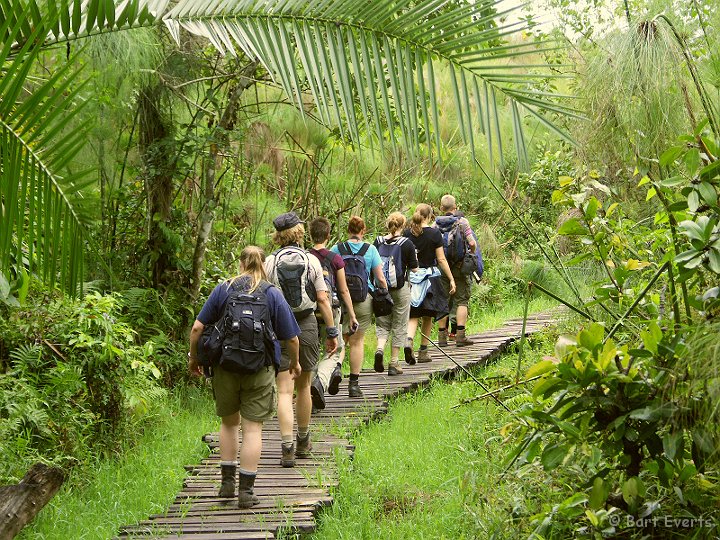
If your itinerary includes hiking or forest activities, wear suitable shoes, carry water, and be prepared for changing weather. A good driver and transport arrangement can also help you arrive rested and on time for early departures.
Prepare For Weather And Long Days
Uganda’s climate can be warm, sunny, and physically demanding, especially if you are spending hours on the road or outdoors. Bring sunscreen, a hat, sunglasses, and lightweight clothing that covers your skin while still keeping you cool.
Hydration is extremely important. Drink enough safe water throughout the day, and take breaks during long trips so you do not become dehydrated or exhausted, particularly if you are sightseeing in hot conditions.
It is also smart to carry a torch or flashlight, a charging cable, and a power bank. These small items can be surprisingly useful when traveling to lodges, rural areas, or places where lighting and electricity may not always be reliable.
Choose Reliable Transport
One of the smartest safety decisions a traveler can make in Uganda is choosing dependable transport. A professional driver helps reduce the stress of navigation, timing, parking, and road uncertainty while giving you more freedom to focus on your trip.
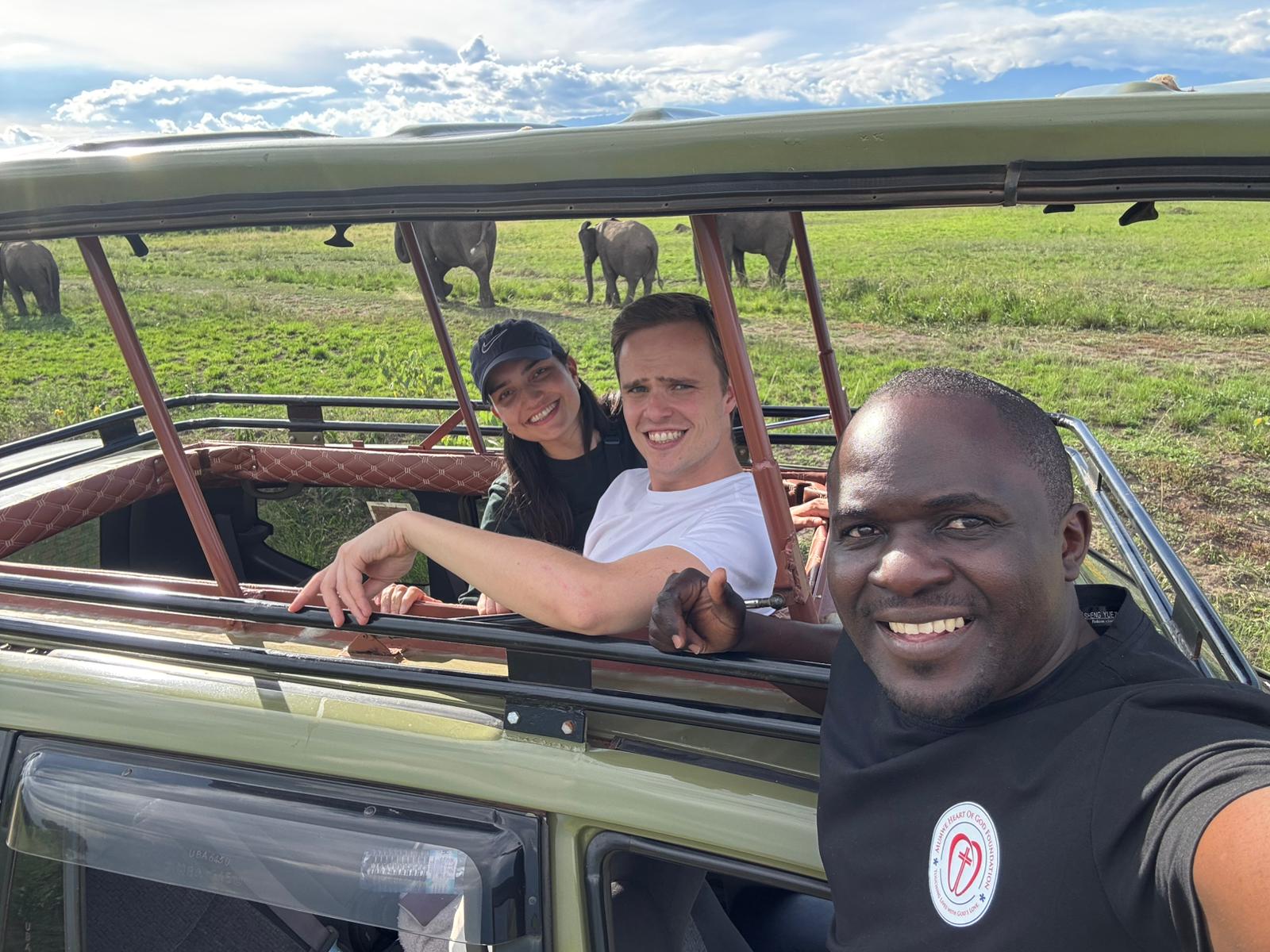
For visitors unfamiliar with Ugandan roads, this is especially valuable in city traffic, on long rural stretches, and during transfers to parks or airports. Having a local driver also means you can benefit from insider knowledge about the best routes, rest stops, and travel timing.
That is where Rent A Driver Uganda can make a real difference. We help travelers enjoy safer, smoother, and more comfortable journeys across Uganda with flexible rental car options and trusted driving support.
Book With Rent A Driver Uganda
Travel Uganda with greater peace of mind by booking your rental car with Rent A Driver Uganda. Email info@rentadriveruganda.com or call +256-700135510 to reserve your vehicle and travel with confidence.