A Road Trip Guide To Driving From Kampala To Bwindi Forest
There are road trips, and then there are road trips that change the way you see the world. The drive from Kampala to Bwindi Impenetrable National Park belongs firmly in the second category. Stretching approximately 530 kilometres through the heart of southwestern Uganda, this journey takes you from the chaotic, energetic pulse of East Africa’s most vibrant capital city through rolling green hills, ancient crater lakes, dramatic highland escarpments, and finally into the misty, primordial forest edges of Bwindi — one of the most biologically extraordinary places on the planet and the last stronghold of the endangered mountain gorilla.
It is a long drive. Depending on road conditions, stops, and traffic through Kampala, the journey takes between eight and ten hours of actual driving time. But every kilometre rewards the traveler with scenery and experiences that no airport transfer or domestic flight could ever replicate. This is a drive worth doing properly, and this guide will help you do exactly that.
The Route: Understanding Your Options
There are two primary routes from Kampala to Bwindi Impenetrable National Park, and choosing the right one depends on your timeline, your vehicle, and which sector of Bwindi you are heading to.
The most commonly used route runs southwest from Kampala through Masaka, continues to Mbarara — Uganda’s second-largest city and an excellent overnight stop — then pushes further southwest through Kabale and the highlands toward either Buhoma in the north of Bwindi or Rushaga and Nkuringo in the south. This is the more accessible and better-surfaced of the two options for most of its length, and it passes through some of Uganda’s most celebrated scenery including the crater lake district around Kabale.
The alternative northern route passes through Mubende and Fort Portal before descending south through the tea estates of Kanungu District toward Bwindi’s northern sector at Buhoma. This route is longer in total distance but offers spectacular highland scenery and the opportunity to add a stop at Kibale Forest National Park or Queen Elizabeth National Park without significant detour. For travellers on extended Uganda safari itineraries, the northern approach makes excellent logistical sense.
For a direct Kampala to Bwindi road trip, the southern route via Masaka and Mbarara is the recommended choice.
Preparing Your Vehicle: Why a 4×4 Is Non-Negotiable
Before discussing the drive itself, this point must be stated plainly: the road from Kampala to Bwindi cannot be completed safely or reliably in anything less than a capable 4×4 vehicle. The highway sections between Kampala, Masaka, and Mbarara are tarmac and manageable in most vehicles. Everything beyond Kabale, however, changes the equation entirely.
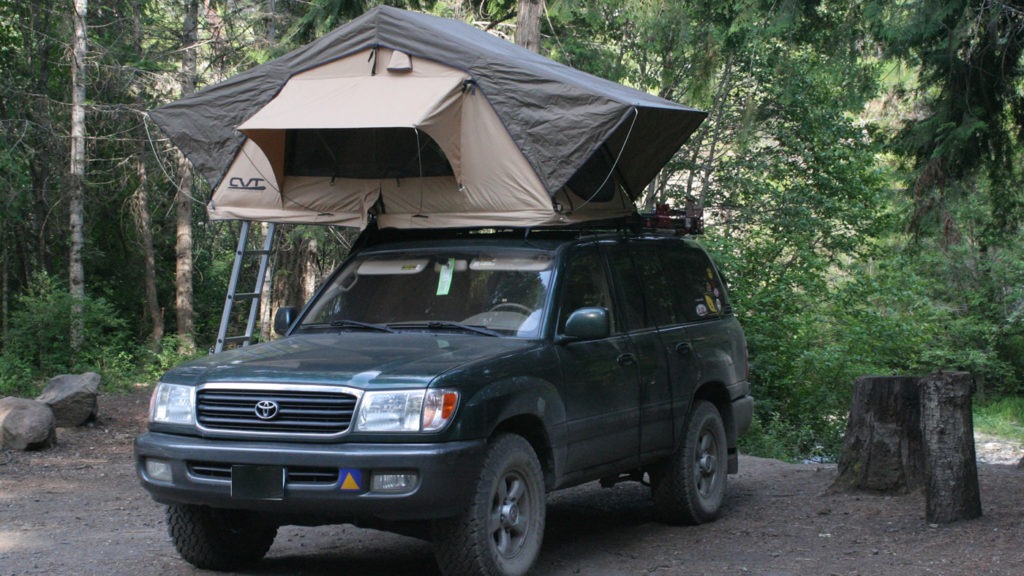
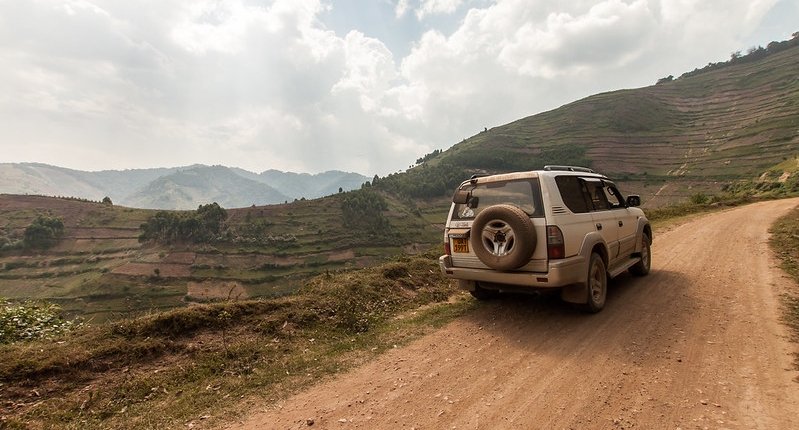
The final approach roads to Bwindi — whether entering via Buhoma, Rushaga, or Nkuringo — climb steeply through mountain terrain on narrow murram tracks that are deeply rutted, frequently muddy, and demanding even for experienced off-road drivers. During Uganda’s rainy seasons — April through May and October through November — these roads become genuinely treacherous. Landslips are possible on the steepest sections, and vehicles without proper ground clearance and four-wheel drive capability simply cannot make the ascent.
A Toyota Land Cruiser Prado, Land Cruiser V8, Nissan Patrol, or Mitsubishi Pajero are all excellent choices for this route. At Rent A Driver Uganda, we equip every Bwindi-bound vehicle with a full-size spare tyre, recovery gear, a comprehensive toolkit, and a fully charged communication device — because preparation on this particular route is not optional.
Day One: Kampala to Mbarara
Most experienced drivers and safari guides recommend splitting the Kampala to Bwindi drive across two days, using Mbarara as an overnight stop. This breaks the journey at a natural and logical midpoint, eliminates the need to drive mountain roads in fading afternoon light, and gives you time to appreciate the scenery rather than simply endure the distance.
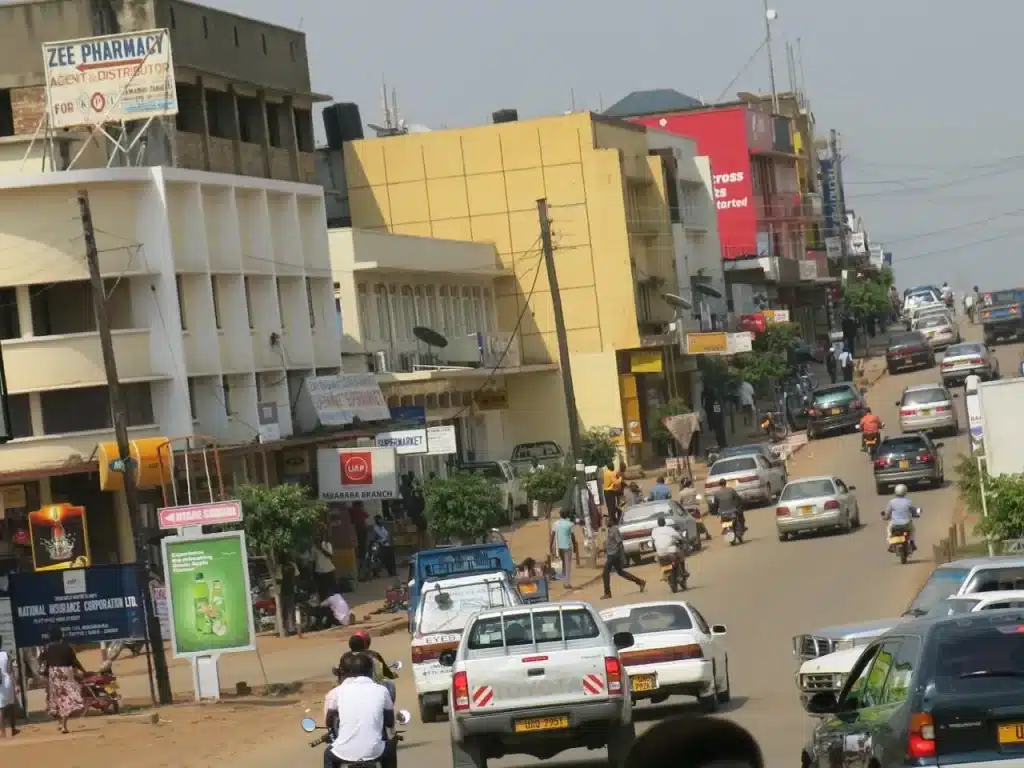
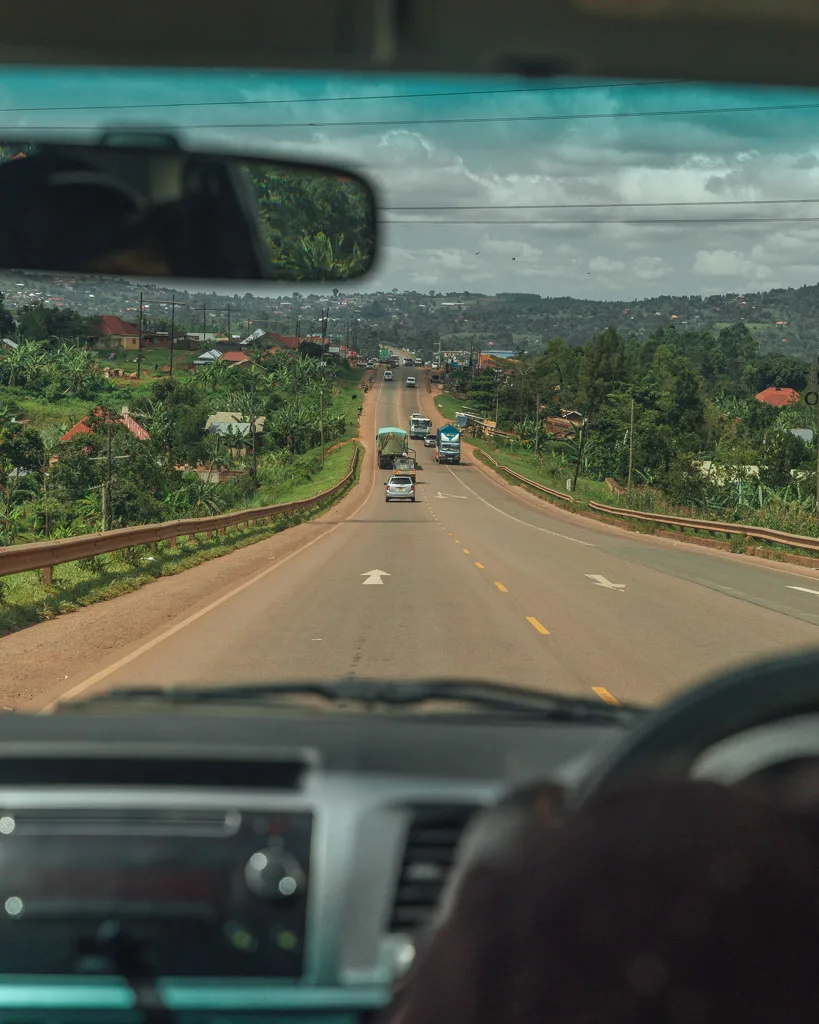
Leave Kampala early — ideally before 7:00am — to clear the city’s notorious morning traffic before it reaches its peak intensity. Head southwest on the Kampala–Masaka Highway, which passes through the flat, fertile agricultural lands of central Uganda. The road is generally well-maintained and the driving is straightforward, though speed bumps in every town demand constant attention and a patient right foot.
Masaka town, approximately 135 kilometres from Kampala, makes a natural first stop for fuel, breakfast, and a brief stretch. Beyond Masaka the road continues southwest, and the landscape begins its gradual transformation — the terrain rising and folding into the rolling hills and banana plantations that characterize Uganda’s southwestern region.
Mbarara lies approximately 270 kilometres from Kampala and typically takes four to five hours including stops. It is a well-equipped town with quality accommodation, good restaurants, reliable fuel stations, and ATMs — stock up on cash here, as banking facilities become sparse beyond Kabale. The Ankole cattle with their magnificent long horns graze the fields on the approaches to Mbarara, and the sunset light over the surrounding hills makes the town feel genuinely welcoming after a long day behind the wheel.
Day Two: Mbarara to Bwindi
The second leg of the journey is shorter in distance but significantly more demanding in terms of driving conditions and concentration. Leave Mbarara after an early breakfast and head south toward Kabale, Uganda’s highest town sitting at approximately 1,950 metres above sea level.
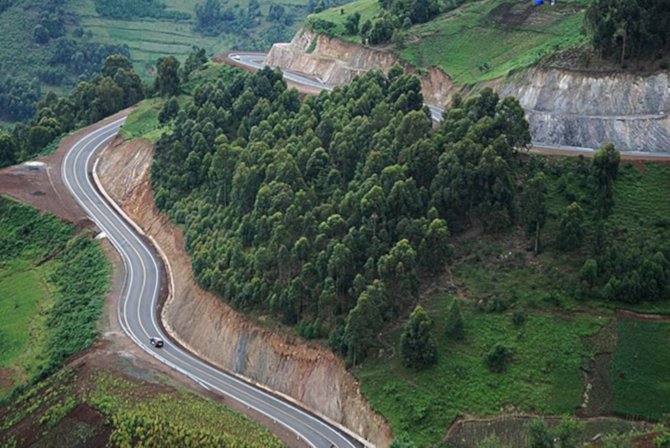
The road between Mbarara and Kabale — roughly 100 kilometres — is one of the most scenic stretches of tarmac in Uganda. The landscape rises steadily into the highlands of Kigezi, a region so densely terraced and intensively cultivated that it has long been called the Switzerland of Africa. Every hillside is sculpted into neat agricultural terraces cascading down to valley floors where crater lakes glint silver in the morning light. The air becomes noticeably cooler and fresher as altitude increases, and the views from the road’s high points are simply extraordinary.
Kabale town is your final major fuel stop before Bwindi. Fill the tank completely here without exception — there are no reliable fuel stations between Kabale and the park. Stock up on snacks, water, and any supplies you need for your lodge stay, as most Bwindi accommodation is deep in the forest with limited access to shops.
Beyond Kabale, the road to Bwindi climbs into genuine mountain territory. The tarmac gives way to murram as you approach the park boundaries, and the forest closes in progressively on both sides of the track. The drive from Kabale to Buhoma takes approximately two hours under normal conditions — longer after rain. To Rushaga in the southern sector, add another forty-five minutes of particularly scenic but demanding highland road.
Essential Road Trip Tips
Driving this route successfully comes down to preparation and patience. A few non-negotiable tips from our team at Rent A Driver Uganda.
Depart Kampala no later than 7:00am on day one to avoid peak city traffic and arrive in Mbarara before dark. Never drive Uganda’s mountain roads at night — the combination of poor road surfaces, absent lighting, wandering livestock, and unpredictable bends makes night driving genuinely dangerous in the Bwindi highlands.
Download offline maps on your phone before leaving Kampala. Google Maps and Maps.Me both offer Uganda offline maps that function without mobile data — essential in areas where network coverage is unreliable. Carry a printed map as a backup.
Keep your fuel tank above half at all times once you pass Mbarara. Carry a five-litre emergency fuel jerry can if your vehicle’s range gives you any concern on the final highland approach.
Inform your lodge of your estimated arrival time and update them if your plans change. Bwindi lodge staff regularly assist guests who encounter road difficulties on the final approaches, and they appreciate advance notice.
Finally, drive slowly and deliberately on the mountain sections. The scenery demands it, the road conditions require it, and the wildlife — vervet monkeys, colobus, forest birds, and occasionally forest elephants — appears without warning at the roadside. The rush is behind you. Bwindi is ahead.
The Arrival That Makes Every Kilometre Worth It
When you finally pull into your Bwindi lodge after two days on the road from Kampala — tired, dusty, and quietly exhilarated — and hear the sounds of the ancient forest settling into evening around you, the magnitude of where you are becomes fully clear. Tomorrow you will trek into one of the world’s last great forests and sit in the presence of mountain gorillas. Tonight, the forest itself is reward enough.
The road from Kampala to Bwindi is more than a transfer between destinations. It is an immersion into Uganda — its landscapes, its people, its scale, and its beauty — that begins the moment you leave the city and does not let go until the forest takes over entirely.
Rent A Driver Uganda provides fully equipped, safari-ready 4×4 vehicles for the Kampala to Bwindi route and all Uganda safari destinations, with self-drive and driver-guided options to suit every traveler. You can contact us now by sending an email to info@rentadriveruganda.com or call us on +256-700135510