10 Mistakes First-Time Safari Travelers Make in Uganda
Uganda is often called the Pearl of Africa, and for very good reason. It is a country of extraordinary biodiversity, dramatic landscapes, and rare wildlife encounters that are difficult to match anywhere else on the continent. From tracking mountain gorillas through the ancient forests of Bwindi to watching lions laze on fig trees in Queen Elizabeth National Park, Uganda offers safari experiences that stay with travellers for a lifetime.
Yet for first-time visitors, navigating a Uganda safari is not without its challenges. The country’s unique terrain, climate patterns, permit systems, and logistical demands are very different from what most travelers expect — and even the most enthusiastic adventurers can make costly, time-consuming, or safety-compromising errors before they ever spot their first wildlife. At Rent A Driver Uganda, we have guided countless first-timers through this incredible country, and we see the same avoidable mistakes time and again.
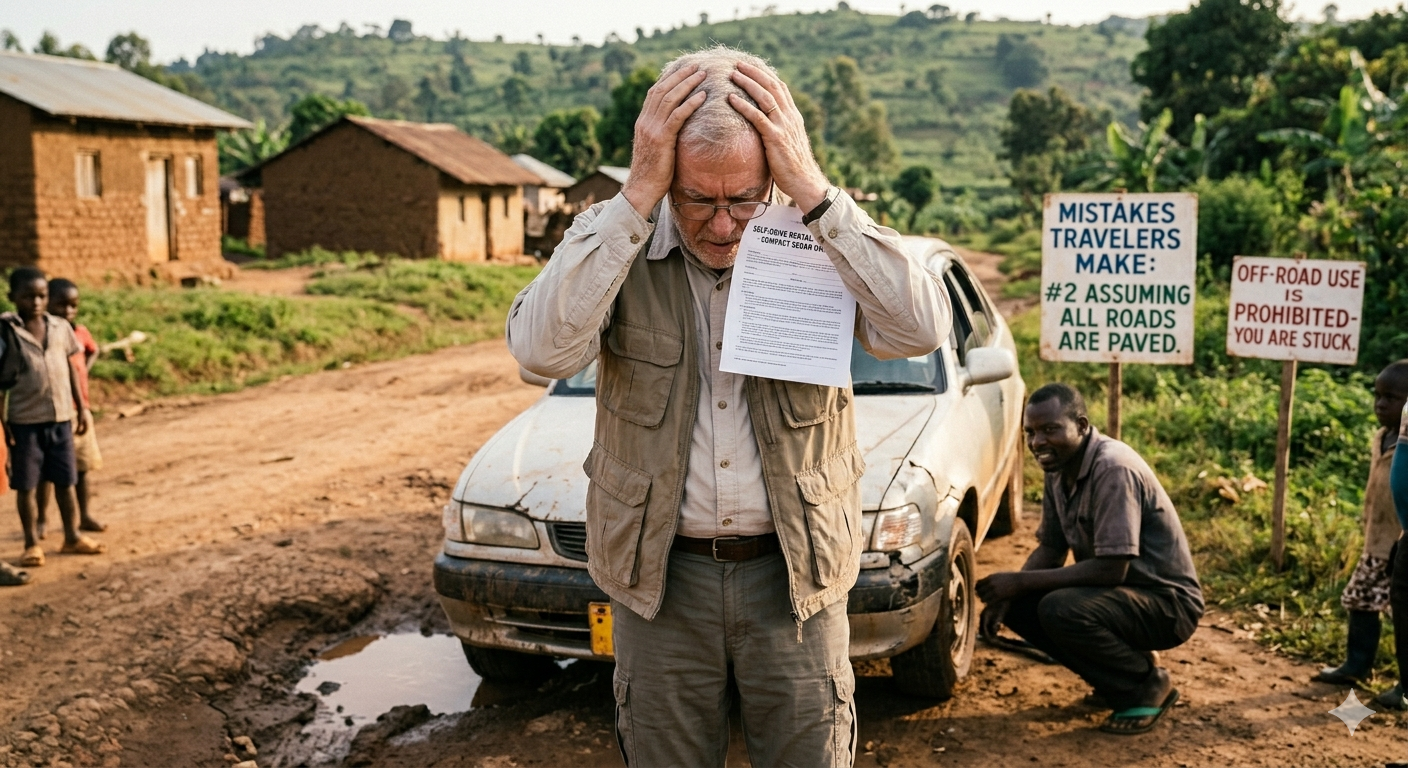
Here are the ten most common mistakes first-time safari travelers make in Uganda — and exactly how to avoid them.
1. Failing to Book Gorilla Trekking Permits in Advance
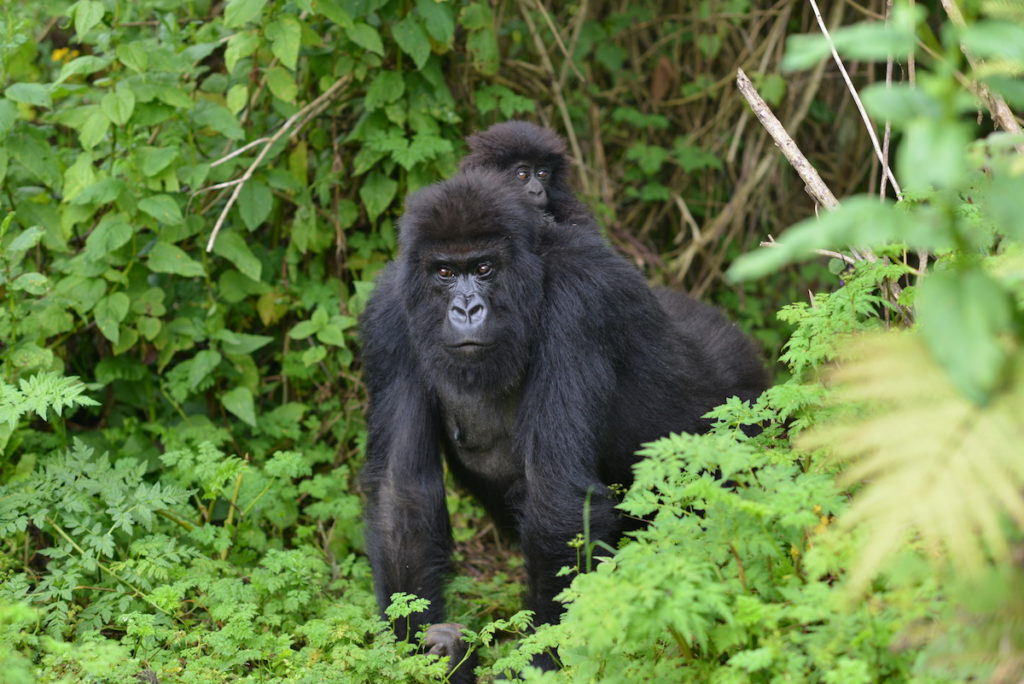
This is, without question, the single most consequential mistake a first-time Uganda safari traveler can make. Mountain gorilla trekking permits for Bwindi Impenetrable National Park and Mgahinga Gorilla National Park are limited to a small number of visitors per gorilla family per day — and they sell out months in advance, particularly during peak travel seasons.
Arriving in Uganda and hoping to purchase a permit on arrival is almost never successful. Permits must be booked through the Uganda Wildlife Authority or a licensed operator well ahead of your visit — ideally three to six months in advance for peak-season travel. This single booking will likely be the most important reservation of your entire trip, so treat it accordingly.
2. Underestimating Travel Times Between Destinations
Uganda is a compact country on the map, but road travel times can be deceptively long. The road from Kampala to Bwindi Impenetrable Forest, for example, takes anywhere from eight to ten hours depending on road conditions, traffic through towns, and the time of year. Kidepo Valley National Park in the far northeast is a full day’s drive from the capital under the best conditions.
First-time visitors consistently underestimate these journey times and either rush between destinations or miss scheduled activities entirely. Build generous travel buffers into your itinerary, always depart early in the morning, and avoid scheduling critical activities — such as gorilla trekking — on the same day as a long transfer.
3. Packing the Wrong Clothing
Uganda’s safari environments demand specific, practical clothing that many first-timers simply do not bring. For gorilla trekking in the dense highland forests of Bwindi, you will need long-sleeved shirts, long sturdy trousers, waterproof hiking boots with ankle support, and garden gloves to grip vegetation on steep slopes. Lightweight clothing in neutral colors — khaki, olive, and brown — is strongly recommended for all game drives.
Avoid bright colors, white clothing that shows every trace of red laterite dust, and open shoes on any forest or bush trail. A quality lightweight rain jacket is essential year-round in Uganda, as afternoon downpours can arrive with very little warning regardless of the season.
4. Ignoring the Importance of a Qualified Driver-Guide
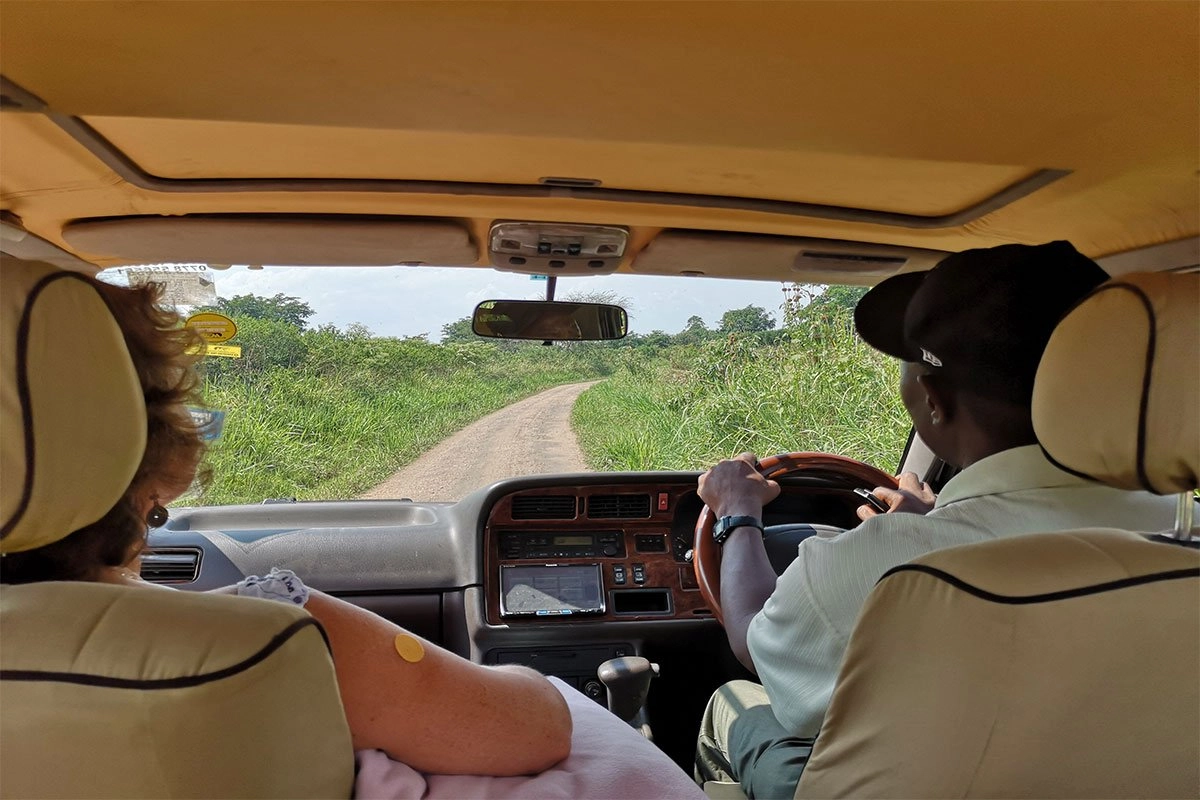
Many first-time visitors try to save money by self-driving or hiring an inexperienced driver who lacks wildlife and guiding knowledge. This is a false economy that significantly diminishes the safari experience. A qualified, experienced driver-guide does far more than transport you between parks — they track animal movements, interpret wildlife behavior, navigate safely through challenging terrain, communicate with rangers and local communities, and dramatically increase the number and quality of wildlife sightings you enjoy.
At Rent A Driver Uganda, our driver-guides are trained professionals with deep knowledge of Uganda’s national parks, wildlife, culture, and roads. Investing in the right driver is one of the best decisions you can make for your entire safari.
5. traveling During the Wrong Season Without Preparation
Uganda has two rainy seasons — March to May and October to November — during which certain roads become extremely difficult or temporarily impassable, particularly in the southwestern highlands and northern parks. While game viewing and gorilla trekking continue year-round, some lodges become inaccessible, certain trails are closed, and journey times can increase substantially.
This does not mean you should avoid Uganda during the rains — in fact, the green season brings lush landscapes, fewer tourists, and lower permit prices for some activities. But you must plan and prepare accordingly: choose an appropriate 4×4 vehicle, build extra time into transfers, and consult your operator about potential access challenges before finalizing your itinerary.
6. Not Budgeting Realistically for a Uganda Safari
Uganda is not a budget safari destination by East African standards, and first-time visitors are often caught off guard by the true costs involved. Mountain gorilla trekking permits alone cost $800 per person, and chimpanzee tracking permits, park entry fees, accommodation in quality lodges, and guided activities add up quickly.
Trying to cut corners on a Uganda safari — opting for poorly maintained vehicles, inexperienced guides, or accommodation with no reliable communication in remote areas — often leads to frustration, discomfort, or genuine safety concerns. Set a realistic budget from the outset, understand what is and is not included in every package, and view your investment as the gateway to one of the world’s most extraordinary wildlife experiences.
7. Overlooking Chimpanzee Trekking and Other Primate Experiences
Gorilla trekking rightly dominates Uganda’s safari reputation, but a surprising number of first-time visitors leave without experiencing the country’s equally remarkable chimpanzee trekking in Kibale National Park — home to one of the highest concentrations of chimpanzees in Africa. Uganda is also home to the rare golden monkey, olive baboons, red-tailed monkeys, and over thirteen other primate species.
Kibale’s chimpanzee permits also require advance booking and should be built into your itinerary from the planning stage. Overlooking these experiences simply because gorillas take center stage is a genuine missed opportunity on an otherwise complete Uganda safari.
8. Leaving Wildlife Photography to Chance
Uganda offers phenomenal photography opportunities, but first-time visitors often arrive without the right equipment or without understanding the practical realities of wildlife photography in forest and savannah environments. Dense forest canopies in Bwindi and Kibale mean low light conditions, requiring a camera with strong low-light performance. Game drives in Queen Elizabeth and Murchison Falls call for a zoom lens capable of capturing subjects at distance.
Fully charge all batteries the night before every activity, carry spare memory cards, and protect your equipment from Uganda’s persistent dust and unpredictable rain with a dry bag or protective cover. Do not assume that your smartphone will capture what a dedicated camera can in challenging conditions.
9. Neglecting Health Preparations Before Arrival
Uganda requires certain health precautions that some first-time visitors either overlook or leave too late to action properly. Malaria prophylaxis should be started before your arrival and continued for the prescribed period after your return home. Yellow fever vaccination is a legal entry requirement and your certificate will be checked at the border or upon arrival at Entebbe International Airport.
Consult a travel health clinic or your doctor at least four to six weeks before travel to allow time for all necessary vaccinations and medications. Pack a comprehensive personal medical kit including insect repellent with DEET, oral rehydration salts, and any personal prescription medications in sufficient supply for the full duration of your trip.
10. Not Using a Reputable, Locally Based Operator
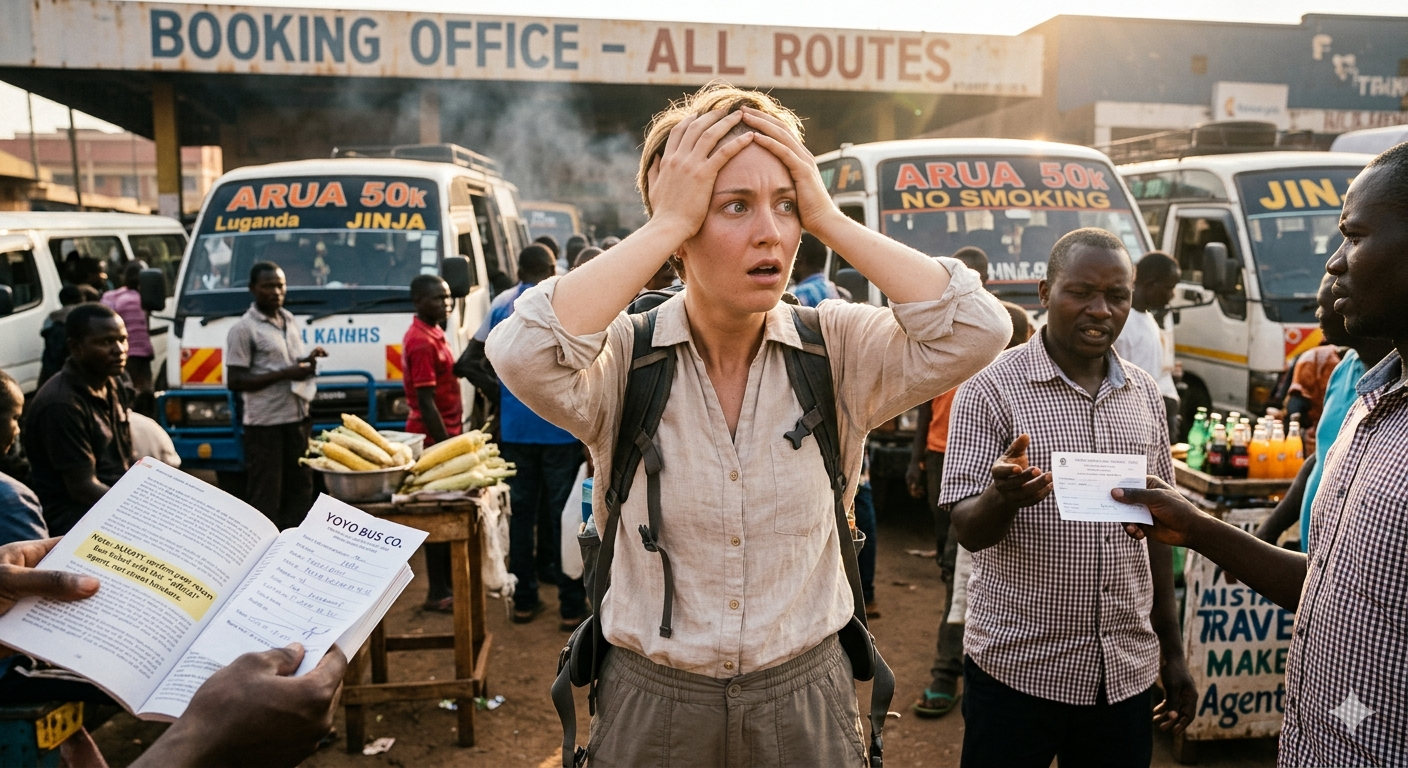
Perhaps the most avoidable mistake of all is booking a Uganda safari through an operator with no genuine local presence, knowledge, or accountability. International booking platforms and overseas travel agents often subcontract to local providers, adding layers of cost and communication gaps that can create serious problems when things do not go according to plan — and in remote safari destinations, unexpected situations do arise.
Working directly with a reputable, locally based company means faster problem-solving, genuine on-the-ground support, local expertise, and often better value for money. It also means you are directly contributing to Uganda’s local tourism economy, the conservation of its wildlife, and the livelihoods of its communities.
Plan Smart, Travel Well
A Uganda safari done right is genuinely one of the most profound travel experiences on earth. The mistakes outlined above are all avoidable with the right planning, the right partner, and the right mindset. First-time visitors who take the time to prepare properly consistently leave Uganda with a deeper appreciation of Africa’s natural world than they ever expected to find.
At Rent A Driver Uganda, we are here to ensure your first safari in Uganda is everything you imagined — and more. Contact us today to start planning your Uganda safari: Email: info@rentadriveruganda.com Phone/WhatsApp: +256-700135510