Top 15 Cool & Unusual Things To Do In Uganda
Uganda offers far more than traditional safaris and gorilla trekking. This pearl of Africa harbors extraordinary experiences that most travelers never discover. From sleeping under waterfalls to exploring volcanic craters, these unusual Uganda safari adventures reveal the country’s hidden treasures and create stories you’ll share for years to come.
1. Sleep Behind a Waterfall at Sipi Falls
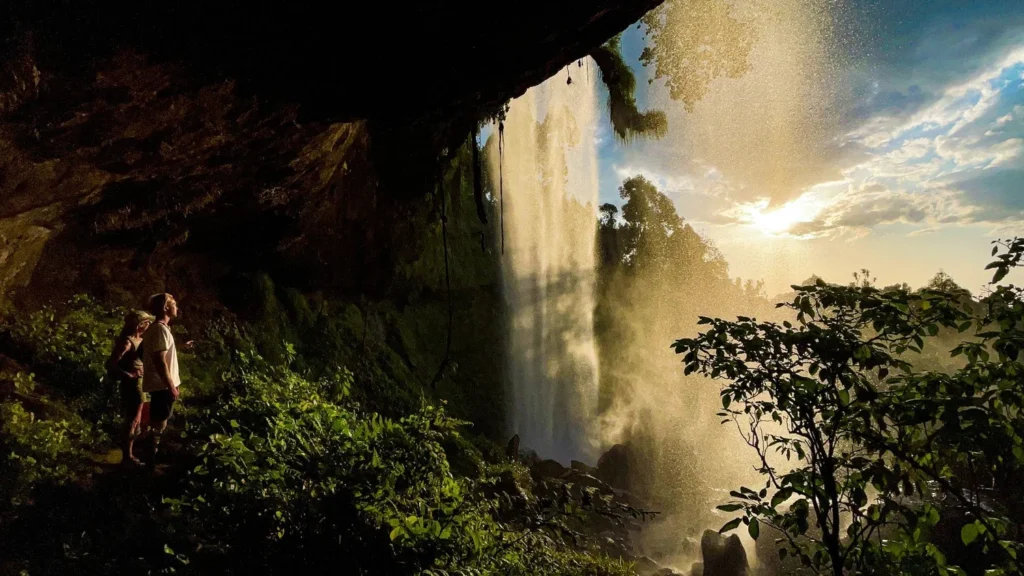
Imagine drifting to sleep with the thunderous roar of cascading water just meters away. At Sipi Falls in eastern Uganda, you can camp or stay in lodges positioned directly behind the waterfall’s curtain. The mist creates natural air conditioning while rainbows dance in the spray during sunny afternoons. Early morning walks through the coffee plantations surrounding the falls offer encounters with local farmers who’ll teach you the journey from bean to cup. The three-tiered waterfall system provides hiking routes of varying difficulty, but the overnight experience behind the falls remains unmatched for sheer uniqueness.
2. Raft the Source of the Nile
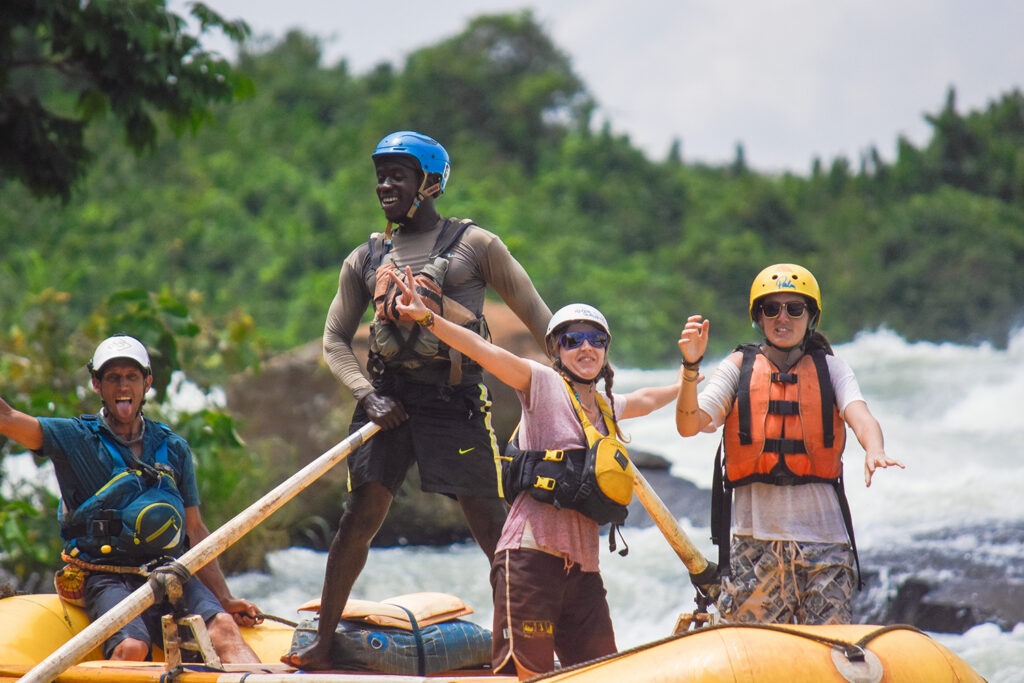
Jinja hosts one of the world’s most historically significant waterways—the point where the Nile begins its 6,650-kilometer journey to the Mediterranean. White-water rafting here isn’t just an adrenaline rush; it’s a pilgrimage for adventure seekers. Grade 5 rapids like “The Bad Place” and “Overtime” challenge even experienced rafters, while gentler sections allow you to float peacefully, contemplating the countless explorers who sought this exact spot. For those seeking something different, try stand-up paddleboarding at the source marker, kayaking through calmer channels, or the ultimate thrill—bungee jumping over the Nile from a 44-meter platform.
3. Trek to Remote Pygmy Villages in the Rainforest
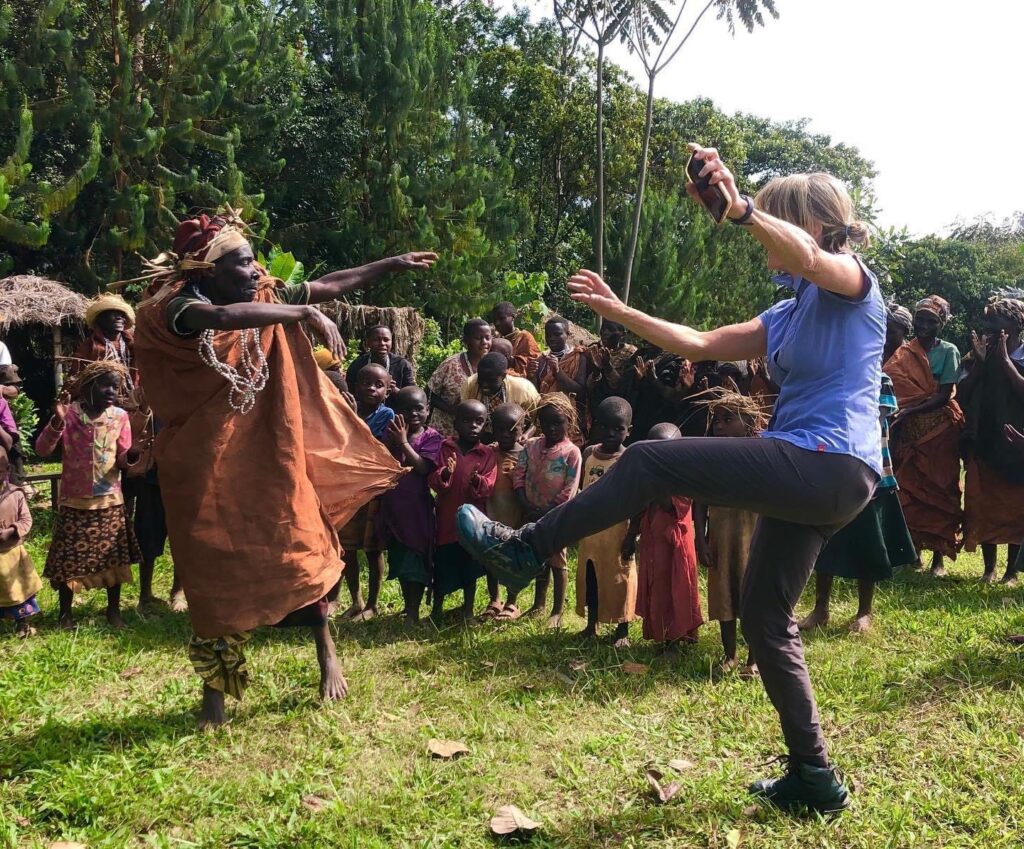
Deep within Uganda’s southwestern forests live the Batwa people, one of Africa’s oldest indigenous groups. Often called “pygmies” due to their shorter stature, the Batwa were the original inhabitants of the forests now designated as national parks. Cultural experiences with Batwa communities offer profound insights into forest survival techniques passed down through millennia. Watch as elders demonstrate hunting methods using handmade bows, learn about medicinal plants that pharmaceutical companies now study, and hear haunting traditional songs that echo through the forest canopy. These encounters directly support Batwa communities who lost their ancestral lands to conservation efforts, making your visit both meaningful and educational.
4. Crater Lake Swimming and Hiking
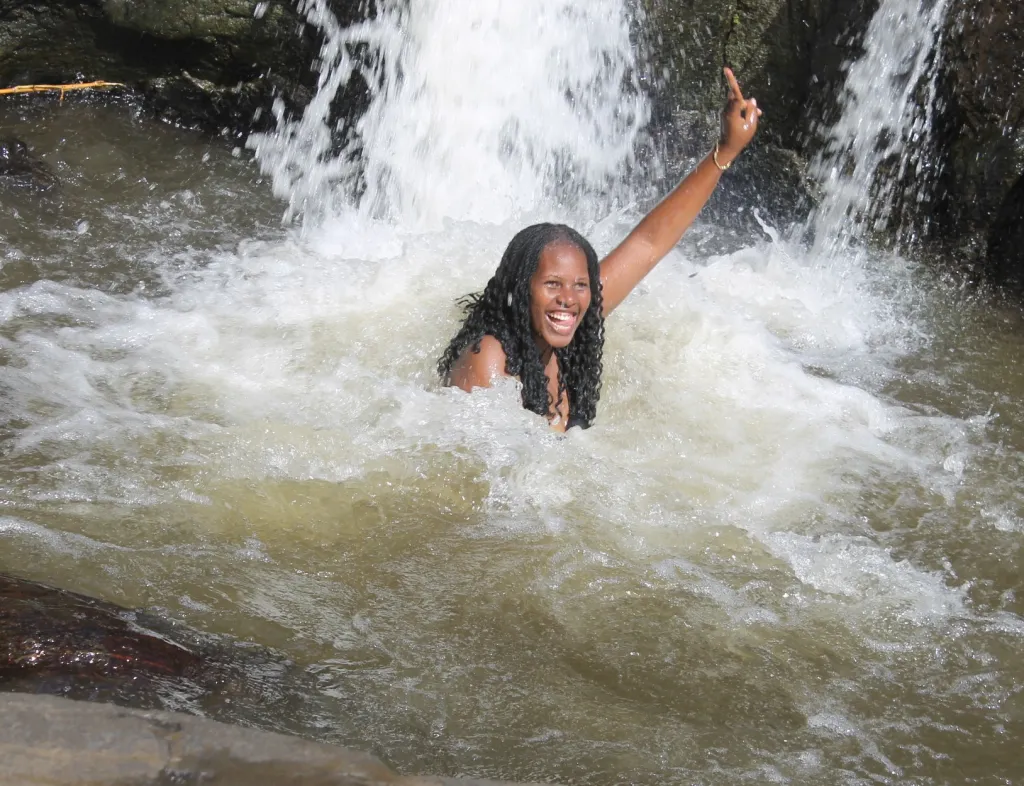
Uganda sits atop the Western Rift Valley, creating a landscape pockmarked with over 50 volcanic crater lakes, each with unique characteristics. Lake Nyinambuga, known as the “Top of the World,” offers swimming in waters perched dramatically on a crater rim with panoramic views stretching to the Rwenzori Mountains. Nearby, the cobalt-blue Lake Nkuruba provides kayaking and zip-lining over its emerald waters. Some crater lakes remain sacred to local communities, forbidden for swimming but perfect for meditative hikes along their rims. The Kasenda Crater Lakes near Fort Portal create a stunning cluster where you can hike from one to another, each revealing different wildlife and vegetation zones.
5. Search for Shoebill Storks in Mabamba Swamp
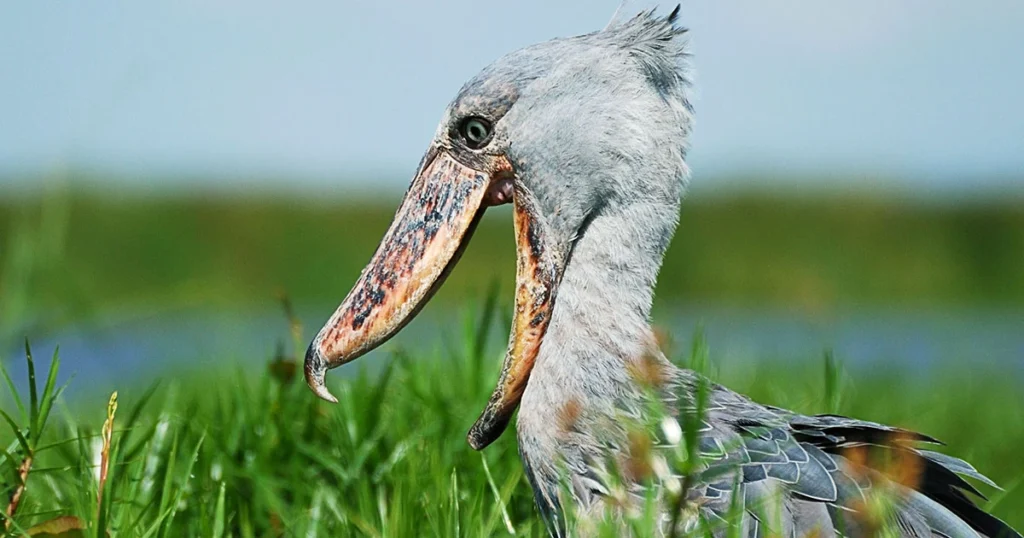
The shoebill stork looks like it escaped from a prehistoric era—a massive bird with a shoe-shaped bill that can stand motionless for hours before striking at lungfish with terrifying precision. Mabamba Wetland on Lake Victoria’s edge provides one of the world’s best opportunities to observe these bizarre birds. Early morning canoe trips glide silently through papyrus channels where shoebills nest and hunt. Local guides possess an uncanny ability to spot these well-camouflaged birds, and watching one spread its impressive wingspan creates a moment of pure wonder. The wetland also hosts over 300 other bird species, making it a paradise for ornithologists and casual observers alike.
6. Climb the Equator Monument and Experience Both Hemispheres

At Kayabwe, approximately 72 kilometers from Kampala, the equator crosses Uganda, marked by monuments and enthusiastic demonstrators who perform the famous water experiment. Watch as water poured into a funnel swirls clockwise in the southern hemisphere, counterclockwise in the northern hemisphere, and flows straight down at the equator line itself. While scientists debate the validity of this demonstration, the experience remains iconic. Photograph yourself straddling both hemispheres simultaneously, shop for equator-branded crafts, and enjoy meals at restaurants where you can eat in one hemisphere while your companion sits in another. Multiple equator crossing points exist throughout Uganda, but Kayabwe offers the most developed tourist experience.
7. Explore Ssezibwa Falls’ Mystical Legends
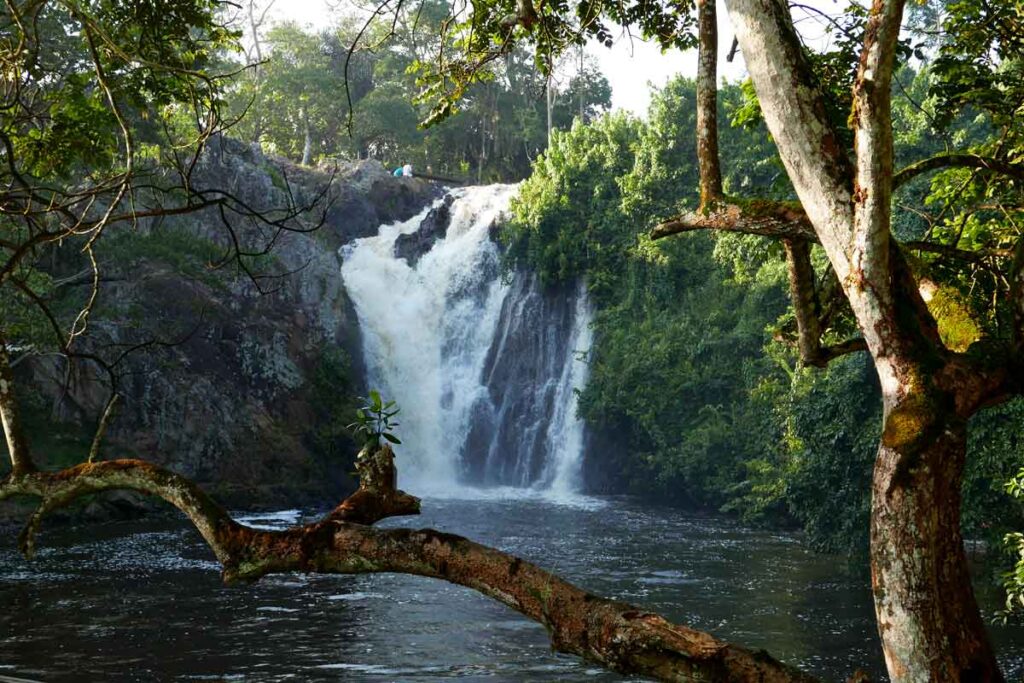
Ssezibwa Falls, about 32 kilometers from Kampala, combines natural beauty with deep cultural significance. According to Buganda legend, the falls were born as twins to a woman named Nakangu, who abandoned them out of shame. The “twins” transformed into the river’s two streams that cascade over rocks before reuniting below. Local spiritual practitioners conduct ceremonies at the falls, believing them to possess healing powers. The surrounding forest hosts monkeys, monitor lizards, and numerous bird species. Unlike more famous waterfalls, Ssezibwa offers intimate exploration with fewer crowds, allowing you to discover hidden pools, caves used in traditional rituals, and rock formations that locals believe resemble animals.
8. Night Game Drives in Search of Leopards and Hyenas

Most safari experiences occur during daylight, but Uganda’s nocturnal wildlife offers completely different encounters. Queen Elizabeth and Murchison Falls National Parks permit specialized night drives where you might spot leopards emerging from daytime hiding spots, hunting hyenas with their distinctive calls echoing across the savanna, and bush babies with enormous eyes reflecting your spotlight. Genets, civets, porcupines, and honey badgers become active only after dark. The experience feels primordial—relying on spotlights to pierce the darkness while your guide interprets sounds you’ve never heard. Night drives require advance booking with approved operators and cost more than regular game drives, but witnessing predators in their hunting element justifies the investment.
9. Volcano Hiking at Mount Nyiragongo’s Lava Lake
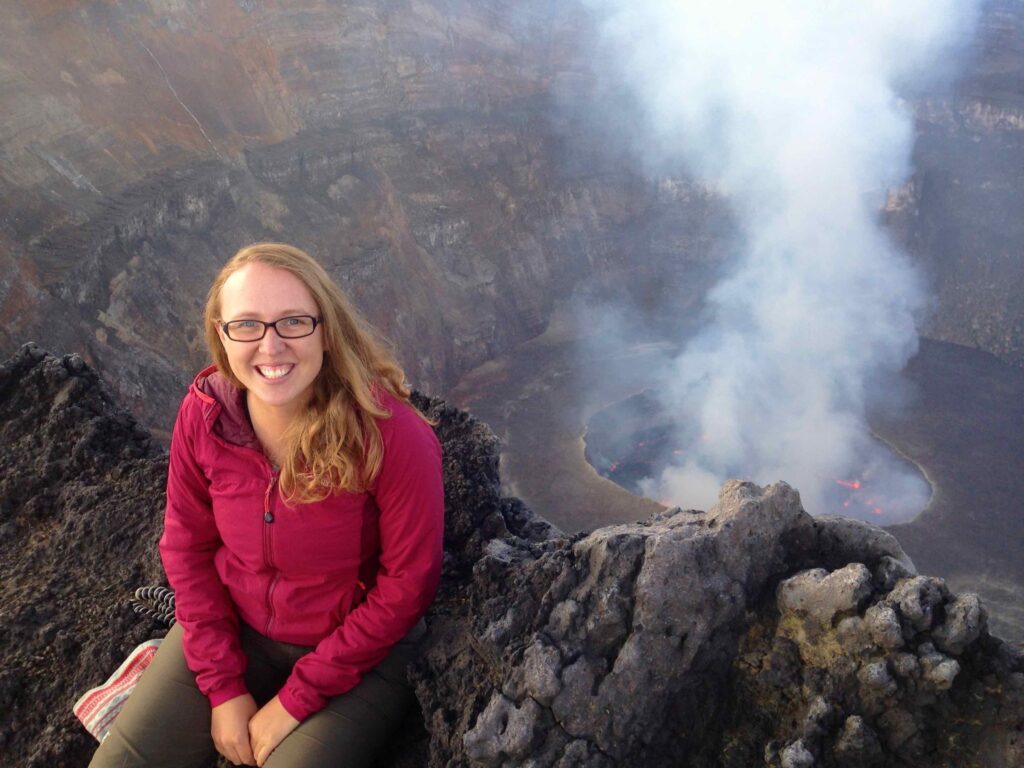
While technically just across the border in the Democratic Republic of Congo, Mount Nyiragongo is accessible through Uganda with many tours departing from Kisoro. This active volcano contains the world’s largest lava lake, glowing dramatically at night like a window into Earth’s core. The challenging five-hour ascent passes through multiple vegetation zones before reaching the crater rim. Spending the night in basic shelters overlooking the bubbling lava lake creates an unforgettable experience—the roar of molten rock, the intense heat, and the surreal orange glow reflecting off clouds above. This adventure requires good fitness levels and proper planning, but few experiences on the African continent match its raw power and beauty.
10. Visit Uganda’s Only Snake Park and Reptile Village

Located in Entebbe, the Uganda Reptile Village contradicts the typical zoo experience. This conservation-focused facility allows close encounters with snakes, lizards, crocodiles, and tortoises in naturalistic settings. Handle pythons under expert supervision, learn about venomous species like black mambas and puff adders, and understand why these often-feared creatures deserve protection. The passionate staff shares conservation stories, demonstrates feeding times, and explains how reptiles fit into Uganda’s ecosystems. Photography enthusiasts particularly appreciate opportunities to capture detailed shots of creatures rarely seen this closely in the wild. The facility also rehabilitates injured reptiles before releasing them back into appropriate habitats.
11. Canoe the Kazinga Channel at Sunset

The Kazinga Channel connects Lake George and Lake Edward, creating a 32-kilometer natural waterway that concentrates wildlife in extraordinary numbers. While daytime boat cruises offer excellent wildlife viewing, sunset departures provide magical experiences as hippos emerge from water to graze, elephants come to drink, and buffalo herds settle for the evening. The golden light transforms the channel into a photographer’s paradise, with silhouetted animals against painted skies. Fish eagles swoop for their final catches of the day, crocodiles bask on banks absorbing the last warmth, and marabou storks roost in dead trees like gothic sentinels. The two-hour cruise costs approximately 30 USD per person and departs from Mweya Peninsula in Queen Elizabeth National Park.
12. Explore Abandoned British Railway Towns

Uganda’s colonial-era railways once connected the country through an intricate network, but many lines now lie abandoned, creating ghost towns frozen in time. Kasese and Pakwach retain old railway stations with rusting locomotives, colonial architecture slowly being reclaimed by nature, and elderly residents who remember when steam trains represented modernity. Amateur historians and photographers find these locations fascinating—peeling paint reveals layers of history, old tickets litter forgotten offices, and rails disappear into overgrown vegetation. While not officially promoted tourist sites, respectful exploration with local permission reveals poignant reminders of Uganda’s colonial past and infrastructure dreams that faded.
13. Attend a Traditional Imbalu Circumcision Ceremony
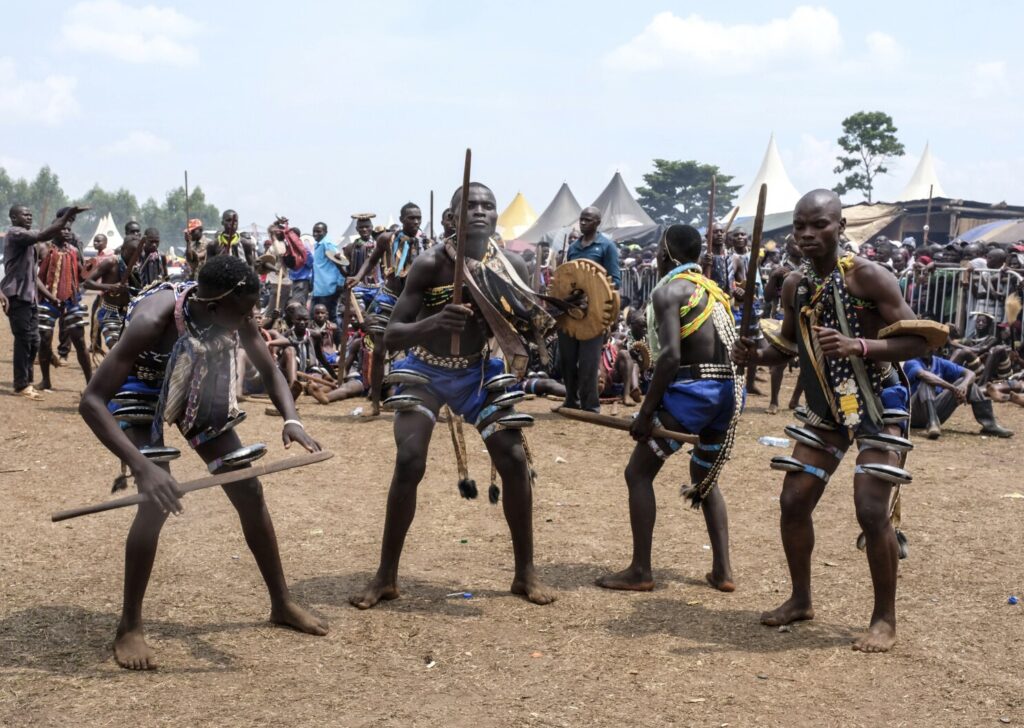
The Bagisu people of eastern Uganda, particularly around Mbale, conduct Imbalu circumcision ceremonies every even year, transforming young men into adults through ancient rituals. Unlike private medical procedures, Imbalu occurs publicly with extensive celebrations involving drumming, dancing, and community participation. Candidates must show no fear despite the painful procedure being performed without anesthesia—flinching brings shame to the family. While the ceremony itself may challenge Western sensibilities, the surrounding festivities showcase incredible cultural preservation. Thousands gather, wearing traditional attire and painting themselves with clay. Attending requires cultural sensitivity and proper introduction through local contacts, but witnessing this intense rite of passage offers unparalleled anthropological insight.
14. Underground Hot Springs at Sempaya
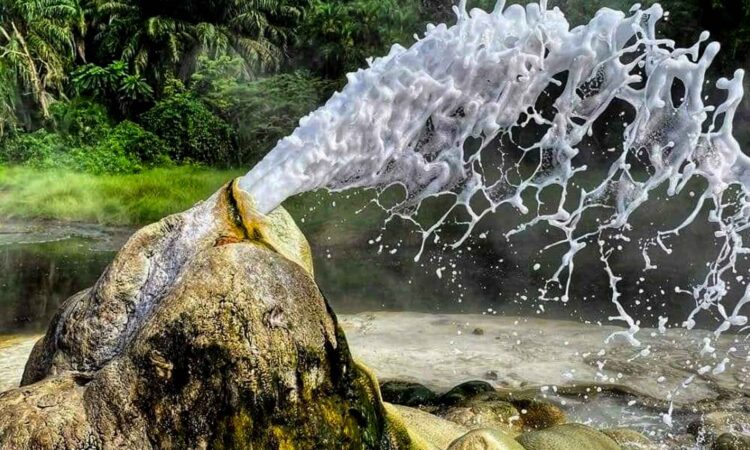
Semuliki National Park in western Uganda harbors a geological oddity—boiling hot springs that reach temperatures exceeding 100°C. The male spring, Bintente, shoots water skyward in small geysers, while the female spring, Nyasimbi, creates a boiling pool where locals traditionally cook food. The surrounding forest represents the easternmost extension of the great Ituri Forest of the Congo Basin, hosting species found nowhere else in East Africa. Trails through this ancient forest reveal unique birds, butterflies, and primates while local Bambuti guides share traditional knowledge about medicinal plants. The contrast between the forest’s cool canopy and the hot springs’ steamy environment creates a microclimate supporting specialized vegetation found only in these specific conditions.
15. Mountain Biking Through Rural Villages

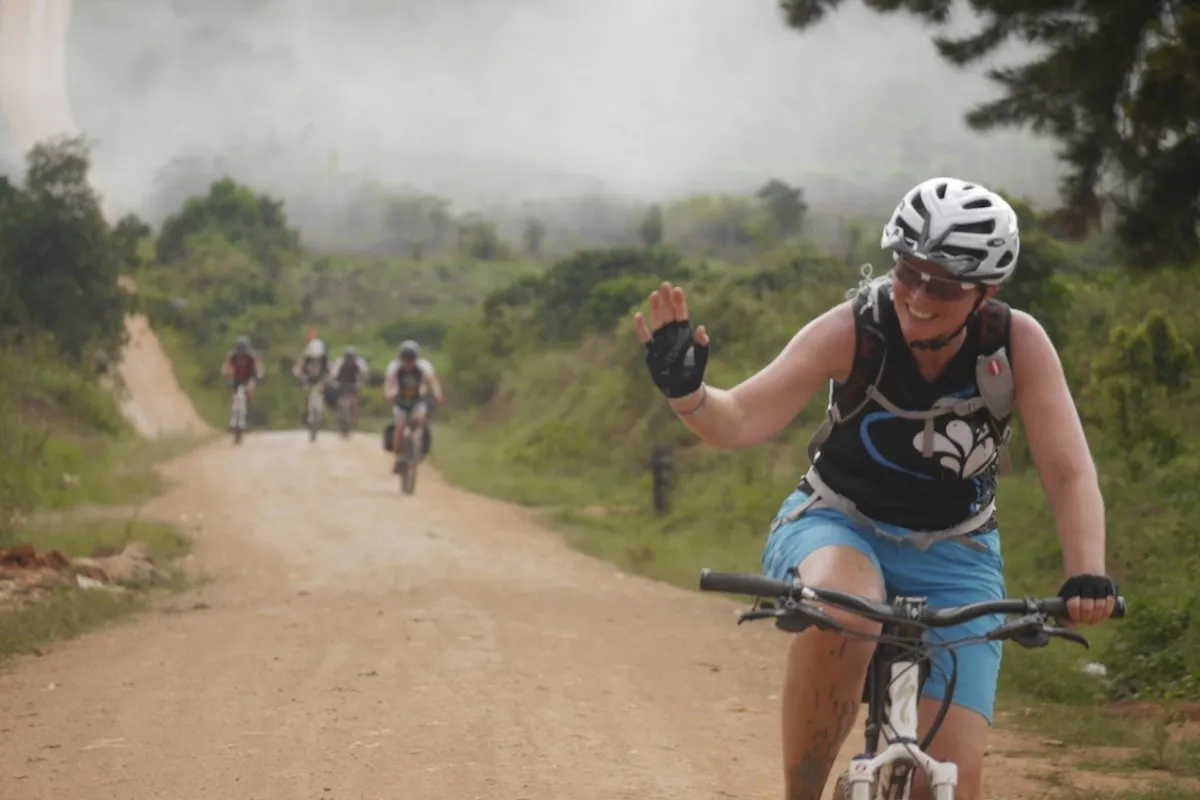
While mountain biking has gained popularity worldwide, cycling through Uganda’s rural areas offers cultural immersion impossible from a vehicle. The terrain varies dramatically—smooth paths through banana plantations, challenging red-dirt climbs, descents offering spectacular valley views, and trails where children race alongside shouting greetings. Several companies now offer guided bike tours with varying difficulty levels. The Karamoja region provides rugged terrain and encounters with pastoralist communities maintaining traditional lifestyles. Routes around Lake Bunyonyi combine stunning scenery with visits to island communities. Cycling’s slower pace allows genuine interactions—stopping at roadside markets, accepting offers of fresh fruit, and experiencing daily rural life. Bike rentals, guides, and support vehicles typically cost between 50-100 USD per day depending on route complexity.
Planning Your Unusual Uganda Adventure
These extraordinary experiences require varying levels of planning, fitness, and budget. Some, like visiting the equator or reptile village, work as easy day trips from Kampala. Others, including volcano hiking or Batwa cultural encounters, demand advance booking, specialized guides, and multi-day commitments.
Consider combining several unusual activities into a single Uganda safari itinerary. For example, Jinja offers Nile rafting, source exploration, and bungee jumping in one location. The Fort Portal region bundles crater lakes, Semuliki hot springs, and Batwa encounters. Eastern Uganda connects Sipi Falls, Imbalu ceremonies (during appropriate years), and Mount Elgon exploration.
The best time for most activities runs from June through September and December through February—Uganda’s dry seasons. However, some experiences like waterfall camping actually improve during wetter months when water volumes increase dramatically.
Most unusual activities require hiring guides, both for safety and to support local communities. Prices vary widely, so research multiple operators, read recent reviews, and clarify exactly what’s included. Budget travelers can find affordable options for most experiences, while luxury seekers enjoy high-end versions with additional comfort and services.
Embrace the Unexpected
Uganda’s greatest gift might be the experiences you never knew existed. While everyone knows about gorilla trekking and safari game drives, these unusual activities reveal the country’s incredible diversity. From prehistoric-looking birds to volcanic lava lakes, from ancient forest people to boiling hot springs, Uganda consistently surprises adventurous travelers willing to explore beyond standard itineraries.
Pack curiosity alongside your camera, embrace unexpected detours, and say yes to opportunities that arise. The unusual becomes unforgettable when you’re open to Uganda’s endless surprises. Your friends might have gorilla photos, but few can claim they slept behind waterfalls, swam in volcanic craters, or watched molten lava illuminate the African night.